

























Understanding Premium Matcha Quality Standards
In the competitive landscape of B2B procurement, ensuring the authenticity and quality of matcha has become increasingly critical. The Japanese tradition of ceremonial grade matcha represents the pinnacle of quality standards that discerning buyers must recognize and verify.
The global matcha market continues to expand, with North American and European markets showing significant growth in demand for high-quality culinary grade matcha, premium matcha powder, and authentic Japanese matcha. Understanding how to properly evaluate these products ensures both cost-effectiveness and customer satisfaction.
Color Analysis - The First Indicator of Quality
Visual Assessment Protocol
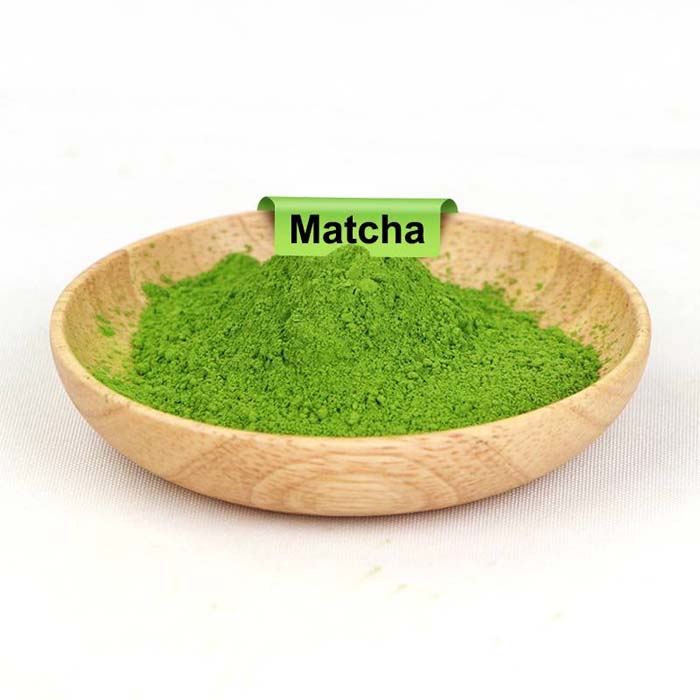
The vibrant green color serves as the primary indicator of high-quality matcha. Premium ceremonial grade matcha should exhibit a rich, deep green hue that reflects proper shading techniques during cultivation.
Color Testing Methodology
- Lighting Conditions: Evaluate matcha under natural daylight or full-spectrum lighting to avoid color distortion
- Sample Preparation: Place a small amount on a white surface for accurate color comparison
- Consistency Check: Look for uniform color distribution without brown or yellow undertones
- Comparison Standard: Compare against known quality samples or industry color charts
High-grade matcha powder maintains its vibrant color even after extended storage periods, indicating proper processing and handling of the tencha leaves.
Fineness Assessment - Particle Size Matters
Particle Size Evaluation
The fineness of matcha powder directly impacts its texture, solubility, and overall drinking experience. Premium grades typically achieve particle sizes between 5-10 microns through traditional stone grinding processes.
Testing Procedures
- Tactile Examination: Rub a small amount between fingers to assess smoothness and detect any gritty particles
- Suspension Test: Mix with water and observe settling patterns to identify oversized particles
- Microscopic Analysis: For precise measurement, examine samples under magnification
- Flowability Check: High-quality matcha flows smoothly without clumping
Proper matcha grinding process ensures optimal particle size distribution, which is crucial for achieving the smooth, creamy texture expected in ceremonial grade matcha.
Suspension Evaluation - Dissolution Quality
Solubility Testing Methods
The suspension test evaluates how well matcha powder disperses and dissolves in liquid, indicating processing quality and particle consistency.
Step-by-Step Suspension Test
- Preparation: Use 1 gram of matcha with 60ml of room temperature water
- Mixing Technique: Whisk vigorously for 30 seconds using a bamboo whisk or electric mixer
- Observation Period: Allow mixture to settle for 2 minutes while monitoring separation
- Quality Indicators: Minimal sediment and uniform color distribution indicate superior quality
Superior Japanese matcha demonstrates excellent suspension properties, remaining evenly distributed in liquid without rapid settling or clumping behavior.
Advanced Quality Considerations for B2B Procurement
Beyond the fundamental tests, successful matcha suppliers and buyers should consider additional quality parameters including moisture content, amino acid profile, and antioxidant levels. These factors contribute significantly to the final product's value proposition.
Supply Chain Verification
Verify the origin authenticity of your matcha source by requesting documentation about cultivation practices, processing facilities, and quality certifications. Premium matcha tea producers maintain detailed records throughout the production chain.
Storage and Handling Protocols
Proper storage conditions preserve the quality indicators you've verified during testing. Ensure your matcha supplier follows appropriate packaging, temperature control, and shelf-life management practices.
Frequently Asked Questions
Ceremonial grade matcha is made from the youngest tea leaves and offers superior flavor, vibrant color, and fine texture. It's intended for traditional tea ceremonies and direct consumption. Culinary grade matcha, while still high-quality, is more robust and suitable for cooking, baking, and blending into recipes where intense flavor is desired.
When stored properly in an airtight container away from light, heat, and moisture, quality matcha maintains its optimal characteristics for 3-4 weeks after opening. Unopened packages can last 6-12 months when refrigerated. The key is minimizing exposure to oxygen and light, which cause oxidation and color degradation.
Common issues include inconsistent particle size, color variation between batches, moisture contamination, and off-flavors due to improper storage. Verify that suppliers provide certificates of analysis and conduct batch testing. Look for consistent color, texture, and aroma across different purchase orders to ensure supply chain reliability.
Authentic Japanese matcha should have clear labeling indicating the region of origin (Uji, Nishio, Shizuoka), proper grading, and processing information. Look for certifications like JAS (Japanese Agricultural Standard) or organic certifications. Authenticate by checking the color intensity, particle fineness, and taste complexity that only genuine Japanese cultivation methods can produce.
For comprehensive testing, you'll need a colorimeter for precise color analysis, sieve shakers for particle size distribution, pH meters, and microscopic equipment for detailed examination. However, the basic three-test method (color, fineness, suspension) can be effectively performed with simple tools: white plates, measuring spoons, whisks, and adequate lighting conditions.
Conclusion
Mastering these quality assessment techniques empowers B2B buyers to make informed decisions when procuring matcha powder for various applications. Whether sourcing ceremonial grade matcha for premium retail or culinary grade matcha for food service operations, these testing methodologies ensure consistent quality and value.
Regular implementation of color, fineness, and suspension tests will protect your business interests while maintaining the integrity of the Japanese matcha tradition. Partner with reputable matcha suppliers who understand and support these quality verification processes.


