0086-199 9282 1268 info@amulyn.com

PDRN | Salmon & Plant PDRN

Explore AMULYN Salmon, Platycladus Orientalis and Brown Algae PDRN cosmetic ingredients for lotions, cream

HOT:

AMULYN Nucleic Acid Series

PDRN Cosmetic Ingredients for Repair-Focused Skincare Formulations

Explore three PDRN ingredient directions from the supplied product document: Salmon PDRN, Platycladus Orientalis PDRN and Brown Algae PDRN. Compare source, product form, pH range and formulation positioning for cosmetic lotions, creams, eye patches, facial masks and skincare concepts.

Three PDRN optionsSalmon, Platycladus Orientalis and Brown Algae
Powder and liquid formsConfirm format-specific specifications
pH ranges statedSalmon 5.0-9.0; plant options 4.0/5.0-9.0
B2B formulation supportSamples, TDS and application discussion
AMULYN PDRN cosmetic ingredient powder and liquid formulation options

Ingredient series profile

Build a PDRN story around source, format and formulation needs

The supplied document presents PDRN as a nucleic acid ingredient series with Salmon PDRN, Platycladus Orientalis PDRN and Brown Algae PDRN options. Each option has a different source and product form, so the correct selection should begin with the target formulation, sourcing preference and documentation requirement.

For responsible cosmetic communication, use the source-specific technical description and validate finished-product performance, safety, claim support and market requirements before making final commercial claims.

Source-specific selection
Powder and liquid options
Water-soluble Salmon powder
Plant-source alternatives

Visual library

Show PDRN from raw material to finished skincare

Replace these image placeholders with your approved raw-material, laboratory, structure, packaging and application images. Use owned or licensed visuals only.

Recommended image set: salmon source or powder, plant extracts, liquid PDRN, laboratory testing, DNA or nucleic-acid visual, cream, lotion, eye patch, facial mask, filling line and export packaging.

Product comparison

Compare Salmon, Platycladus Orientalis and Brown Algae PDRN

Use this comparison for initial product selection. The source document contains inconsistencies in plant-PDRN naming and addition levels; confirm the current TDS and commercial specification before publication or purchasing.

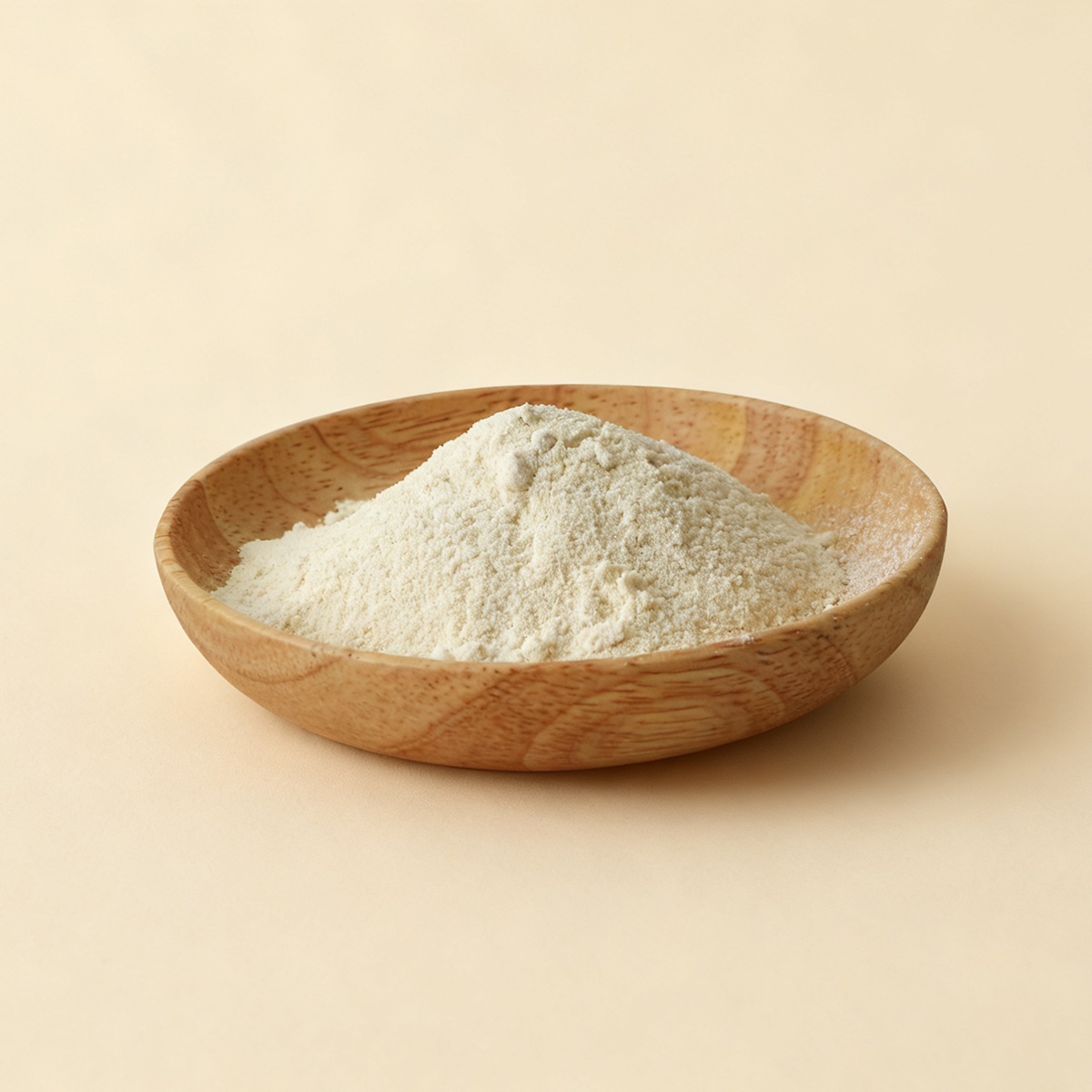
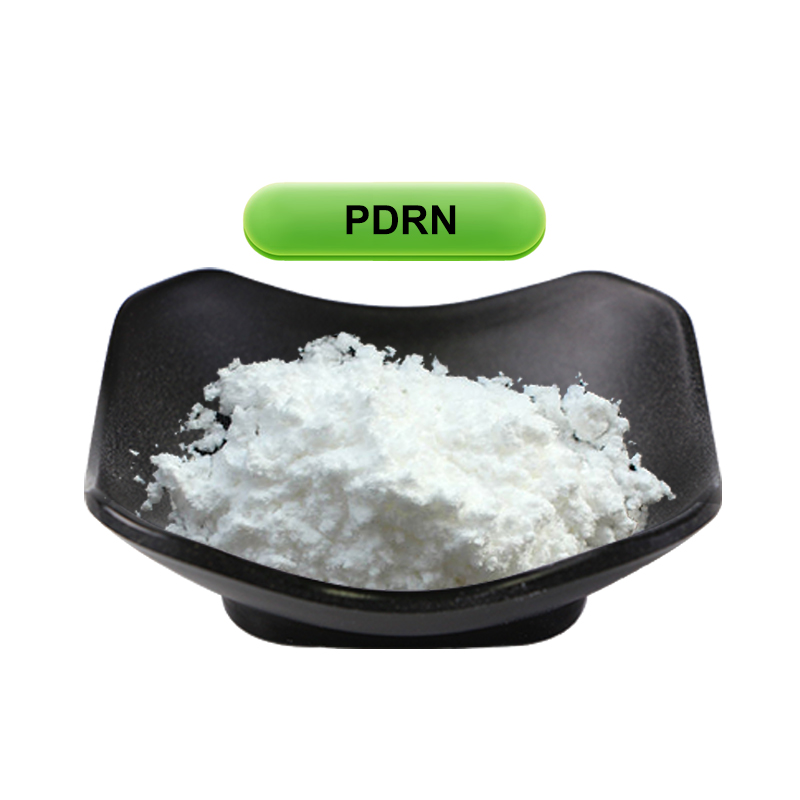
Salmon PDRN white or light-yellow cosmetic ingredient powder
Animal-source PDRN

Salmon PDRN

DNA sodium powder positioned for repair-focused, anti-wrinkle and cosmetic skincare formulation discussions.

  • Raw material: male salmon testis
  • Appearance: white or light-yellow powder
  • pH: 5.0-9.0
  • Water soluble
  • Listed applications: lotion, cream, eye patch and facial mask
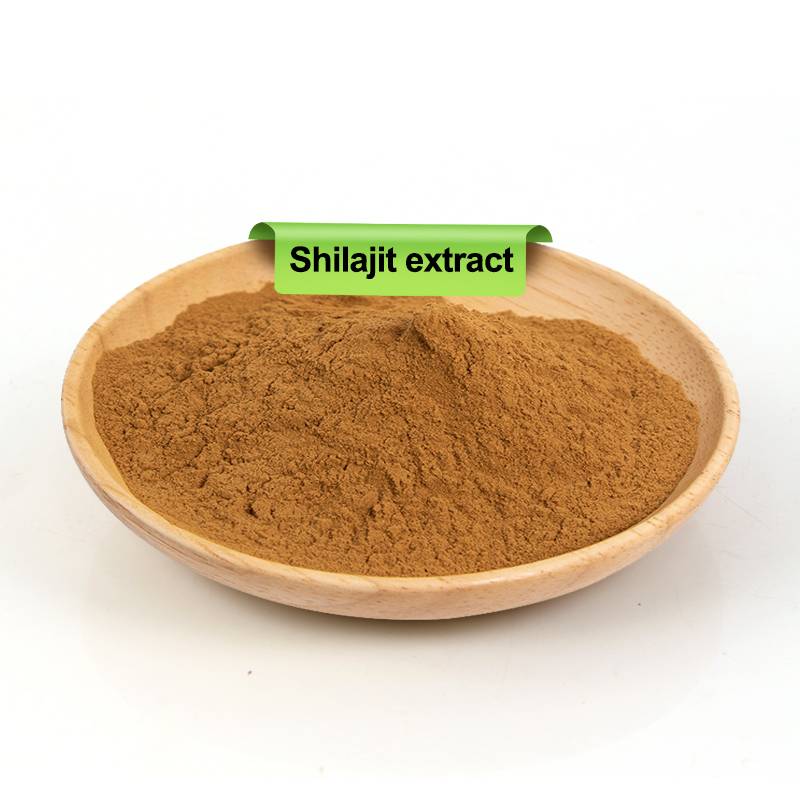
Platycladus Orientalis PDRN amber to dark brown cosmetic liquid
Plant-source PDRN

Platycladus Orientalis PDRN

A plant-source liquid option described around stability, skin comfort, moisture balance and barrier-support formulation concepts.

  • Source: Platycladus orientalis leaf
  • Form: amber to dark-brown liquid
  • pH: 4.0-9.0
  • Solution content: 1,000 or 2,000 ppm
  • Chinese and English addition levels differ; confirm current TDS
Brown Algae PDRN yellow or colored cosmetic suspension
Marine plant-source PDRN

Brown Algae PDRN

A kelp-related liquid option described around formulation stability, water retention, soothing and film-forming properties.

  • Source: kelp / Laminaria Digitata-related source in the document
  • Form: transparent, yellow or colored suspension
  • pH: 5.0-9.0
  • Solution content: 1,000 or 2,000 ppm
  • Chinese and English addition levels differ; confirm current TDS

Formulation positioning

Different source options for different cosmetic briefs

The statements below summarize the supplied document. They are ingredient-positioning directions, not guaranteed finished-product results.

01

Repair-focused concepts

Salmon PDRN is presented with repair, regeneration and anti-wrinkle positioning in the source document.

02

Moisture and skin comfort

Platycladus Orientalis PDRN is described with water-locking, skin-texture, soothing and barrier-support concepts.

03

Stability and film formation

Brown Algae PDRN is described with compound stability, water retention, soothing and film-forming properties.

04

Source flexibility

Compare animal-source and plant-source options around product positioning, documentation and buyer preferences.

PDRN nucleic acid ingredient mechanism and cosmetic formulation diagram

Mechanism and evidence reference

Use the source document's data as a starting point for substantiation

The Salmon PDRN section describes fibroblast-growth and collagen-related test references. It states that 0.01% PDRN had the same effect as 25 ng EGF in the referenced fibroblast-growth experiment, and that 0.08% PDRN could effectively promote collagen synthesis in the referenced [3H]-proline incorporation experiment.

These are source-document test statements, not clinical outcomes. Request the original method, raw data, test conditions and current substantiation package before using numerical claims in advertising, product labels or regulatory files.

Product applications

Designed for skincare and treatment-inspired cosmetic formats

The supplied document explicitly lists the following Salmon PDRN application areas. Plant PDRN formats should be validated in the buyer's own formula and destination market.

PDRN cosmetic lotion formulationLotion

Cosmetic lotions

Evaluate PDRN options for water-based lotion concepts after checking solubility, pH, preservation and compatibility.

PDRN cosmetic cream formulationCream

Face and body creams

Use the source-specific form and technical data to develop cream systems with an appropriate sensory and stability profile.

PDRN eye patch cosmetic applicationEye care

Eye patches

The document lists eye patches among the application areas for Salmon PDRN; final claim language requires separate review.

PDRN facial mask cosmetic applicationMask

Facial masks

Powder or liquid formats can be screened for mask concepts according to the chosen source, process and finished-product format.

PDRN skincare serum formulationSerum

Serum and essence concepts

Optional image and application slot for a serum or essence concept; confirm that the product documentation supports the intended use.

PDRN cosmetic formulation laboratory developmentDevelopment

Formulation screening

Show the development process from ingredient weighing and dissolution to finished-product compatibility testing.

Technical profile

Core information from the supplied PDRN document

Use this table for initial B2B discussions. Request the current technical data sheet, COA, safety documentation and regulatory files before approval.

Product Documented information Publication note
Salmon PDRN INCI: DNA sodium; raw material: male salmon testis; white or light-yellow powder; pH 5.0-9.0; water soluble Source and formulation documentation should be confirmed for the commercial batch.
Salmon PDRN application Cosmetic lotion, cream, eye patch and facial mask Final suitability and claim support require finished-formula validation.
Platycladus Orientalis PDRN Chinese section: water, Platycladus orientalis leaf extract and DNA sodium; English section: INCI listed as Platycladus orientalis leaf extract; amber to dark-brown liquid; pH 4.0-9.0 INCI and composition wording should be confirmed before final publication.
Platycladus solution Extract content: 1,000 or 2,000 ppm; addition level: Chinese section 1%-10%, English section 0.01%-2% Conflicting source values; use only the confirmed current specification.
Brown Algae PDRN Water, kelp / Laminaria Digitata-related extract and DNA sodium; transparent, yellow or colored suspension; pH 5.0-9.0 Confirm the exact botanical source and INCI naming in the technical file.
Brown Algae solution Extract content: 1,000 or 2,000 ppm; addition level: Chinese section 1%-10%, English section 0.01%-2% Conflicting source values; use only the confirmed current specification.
Packaging __PACKAGING_TO_CONFIRM__ The supplied document does not provide a clear product-specific packaging size.
Storage __STORAGE_TO_CONFIRM__ The supplied document does not provide clear product-specific storage conditions.

Important: the English source section uses 0.01%-2% for plant PDRN addition, while the Chinese section uses 1%-10%. Keep this field pending until the supplier confirms the final commercial specification.

Evidence reference

Present test references with the correct level of caution

The source document includes Salmon PDRN references related to fibroblast growth and collagen synthesis. These are not clinical studies and should not be presented as guaranteed medical or therapeutic outcomes.

0.01%

Fibroblast-growth reference

The document states that 0.01% PDRN had the same effect as 25 ng EGF in the referenced experiment.

0.08%

Collagen-synthesis reference

The document states that 0.08% PDRN could effectively promote collagen synthesis in the referenced [3H]-proline incorporation experiment.

Source data

Request full substantiation

Ask for the original test protocol, raw data, controls, test material identity and current report before making a numerical claim.

Cosmetic use

Review destination rules

Claim wording, ingredient naming and allowed use depend on the finished product and target market.

Responsible product communication

Keep PDRN language cosmetic, source-specific and evidence-led

Publication boundary: The supplied document uses phrases such as “regenerative medicine,” “cell regeneration,” “anti-inflammatory,” “repair” and “anti-wrinkle.” Before publication, adapt these statements to the applicable cosmetic-ingredient rules in the target market. Do not present PDRN as a drug, injection, medical treatment or guaranteed regeneration therapy. Confirm raw-material identity, INCI, source, safety, preservation, packaging and claim substantiation with the responsible regulatory team.

FAQ

Questions from PDRN ingredient buyers

What PDRN ingredients does AMULYN offer?

The supplied document lists Salmon PDRN, Platycladus Orientalis PDRN and Brown Algae PDRN as nucleic acid ingredient options for cosmetic formulation development.

What is Salmon PDRN made from?

The document identifies male salmon testis as the raw material, lists DNA sodium as the INCI name, and describes the product as a white or light-yellow water-soluble powder.

What are the plant-based PDRN options?

The document lists Platycladus Orientalis PDRN from Platycladus orientalis leaf and Brown Algae PDRN from kelp or Laminaria Digitata-related source material. Confirm final botanical and INCI naming before publication.

What is the recommended addition level for plant PDRN?

The English section lists 0.01%-2% for both plant PDRN solutions, while the Chinese section lists 1%-10%. Confirm the current TDS before use.

Which cosmetic formats can use PDRN?

The source document lists lotion, cream, eye patch and facial mask applications for Salmon PDRN. Plant PDRN options should be evaluated in the buyer's own formulation after compatibility, safety and claim review.

Start a PDRN sourcing discussion

Tell us your preferred source, format and cosmetic application.

For a relevant quotation and technical review, include Salmon or plant-source preference, powder or liquid format, target product, expected use level, trial quantity, packaging requirement, destination market and documentation needs.

Send an Inquiry
Product Recommendation
Download

1208, Building B, Huixin 1BC, No. 1 Zhang Bayi Road, High-tech Zone, Xi'an, Shaanxi, China

0086-199 9282 1268

info@amulyn.com

Linkedin Youtube Facebook Tiwtter TIKTOK

Copyright @ 2024 AMULYN Corp All rights reserved.

Technical Support | Site Map
Message Form

Company *

Name *

E-Mail *

Area Code *

Tel *

Classifly *

Country *

Detailed Description *

Download

Enter Password Or Obtain a Password