









Heat Exposure
Temperature and time can change green color, roasted notes and perceived bitterness.

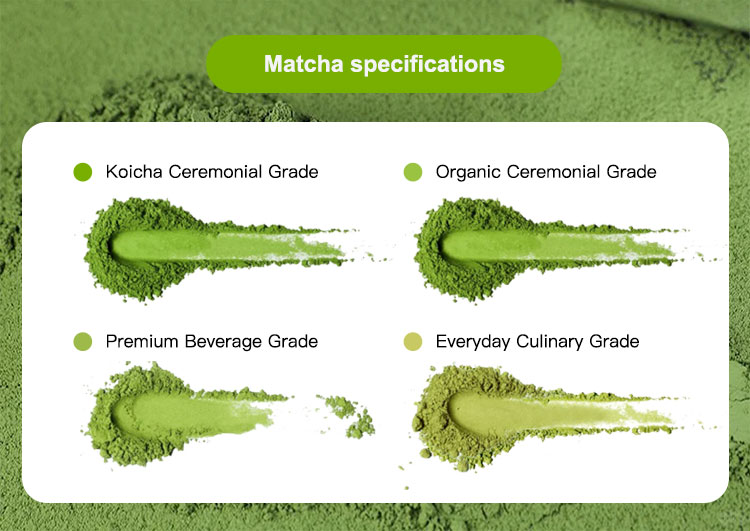
Organic Matcha Powder Koicha Ceremonial Grade Matcha Powder Organic Ceremonial Grade Matcha Powder Premium Beverage Grade Matcha Powder Everyday Culinary Grade Matcha Powder Organic Instant Pure Matcha
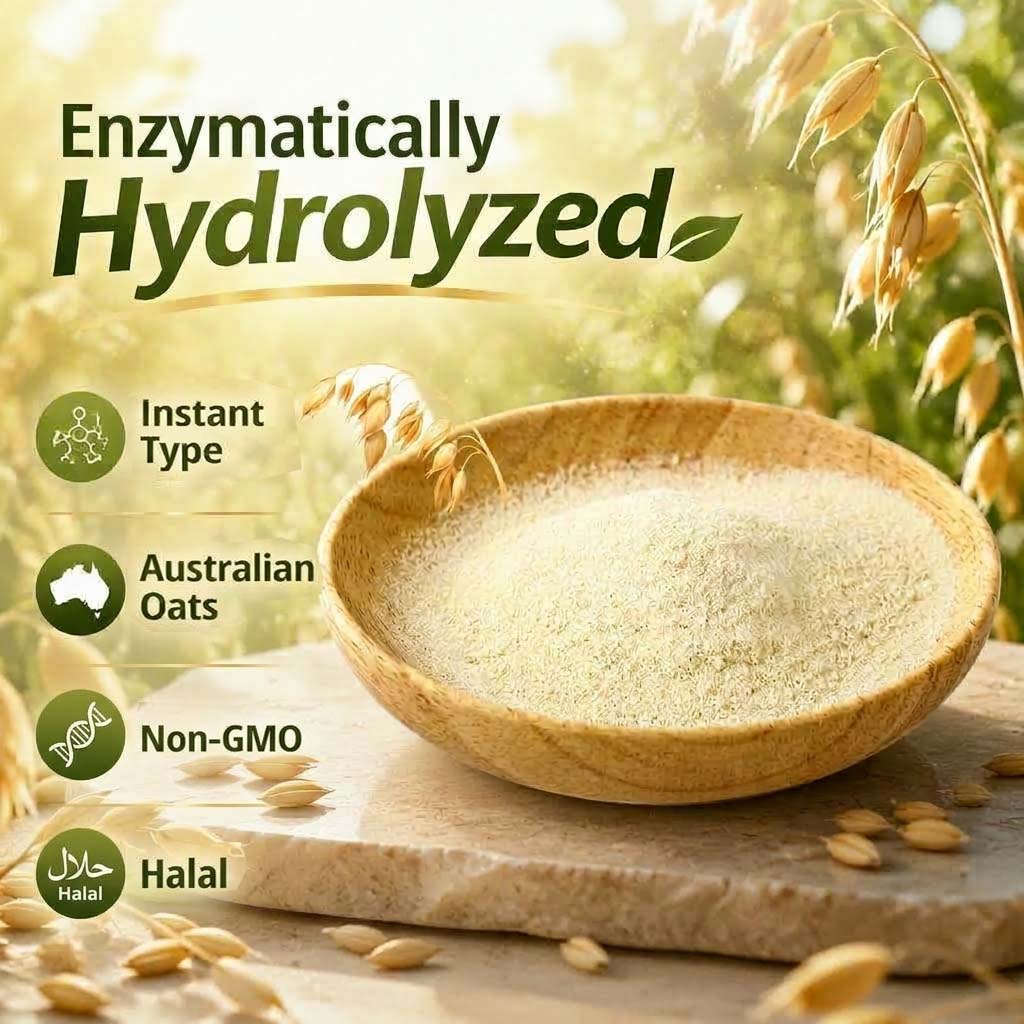
Enzymatically Hydrolyzed Oat Milk Powder GMFO13A Oat Milk Powder GMFO12A Enzymolysis Oat Powder GMFO08 Hydrolyzed Oat Powder GMFO09 Oatmeal Powder
Pea Protein Rice Protein Pea Rice Protein Pea Peptide Soybean Peptide Hemp Seed Protein
Coconut Milk Powder Coconut Water Powder Strawberry Powder Mixed Fruit Powder
Fish Collagen Peptide Bovine Collagen Peptide Chicken Collagen Peptide (Hydrolyzed Type II Collagen) Collagen Tripeptide Elastin Collagen Peptide Undenatured Type II Collagen
Bulk Lecithin Powder Manufacturer & Supplier | AMULYN Soy Lecithin Powder Sunflower Lecithin Powder Soy Lecithin Granules Phosphatidylcholine Phosphatidylserine
Mushroom Extract Reishi Mushroom Powder Lion's Mane Mushroom Powder Cordyceps Sinensis Powder Chaga Mushroom Powder Shiitake Mushroom Powder
Freeze-Dried Probiotic Powder Bifidobacterium Lactis Probiotics Powder lactobacillus plantarum Probiotics Powder 9-In-1 Compound Probiotics Powder lactobacillus Rhamnosus Probiotics Powder Lactobacillus Casei Probiotics Powder
Propolis Powder Propolis Block Propolis Liquid Royal jelly powder Bee pollen powder
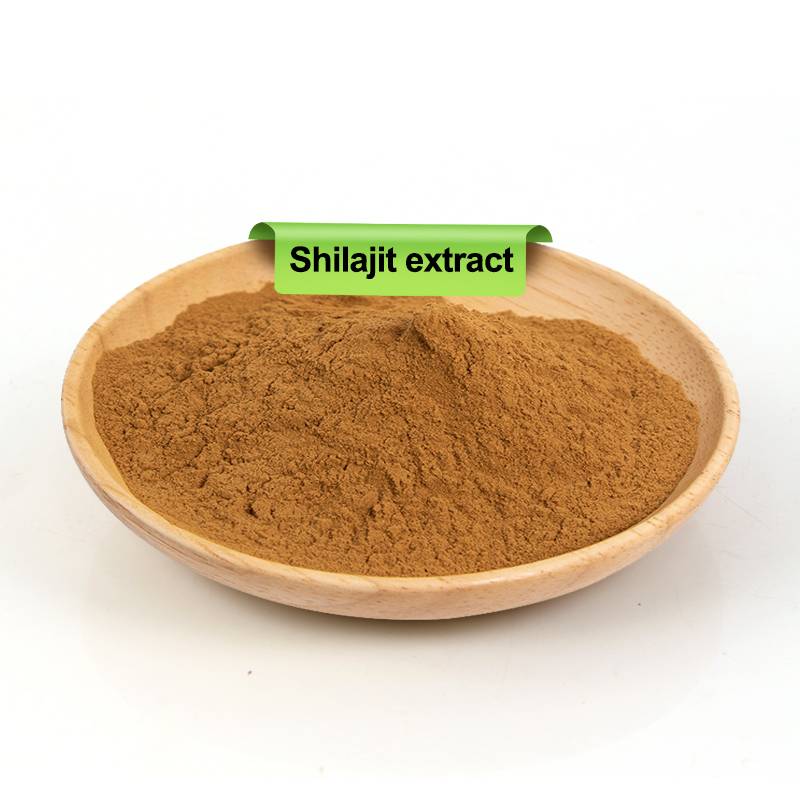
Cistanche Tubulosa Extract Kava Extract Shilajit Extract Artichoke Extract Horse Chestnut Extract St John's Wort Extract
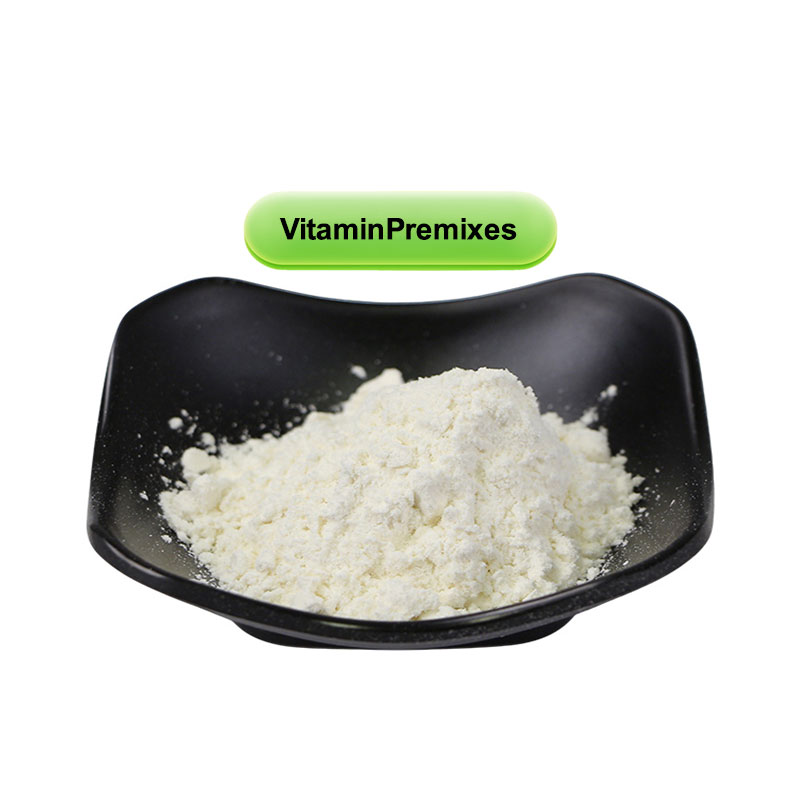
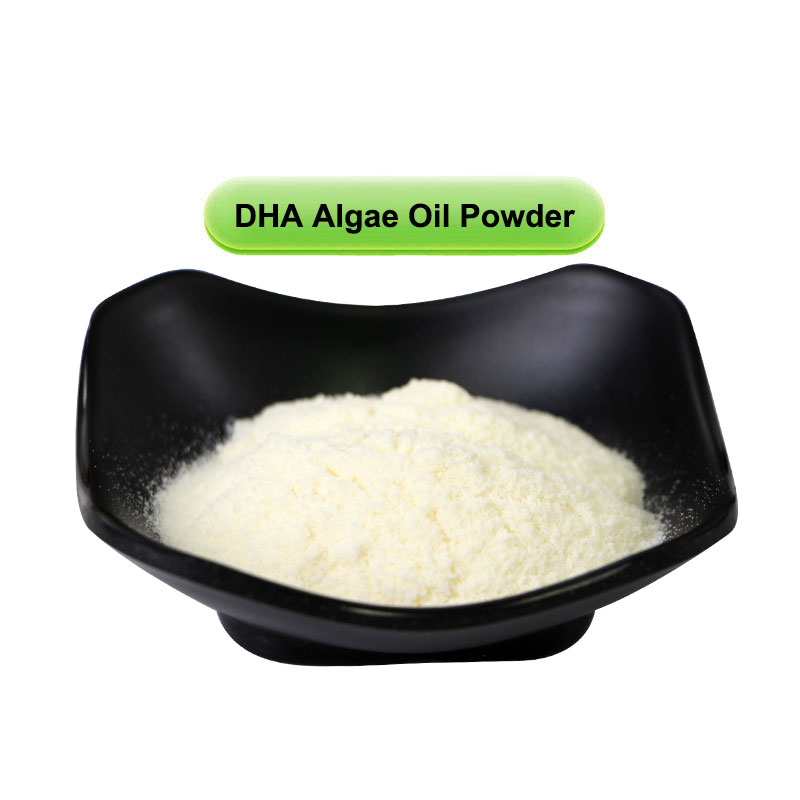
Vitamin Premixes Powder DHA Algal Oil & Algae Powder Sodium Hyaluronate (HA) Powder MSM Powder (Methylsulfonylmethane) NMN (Nicotinamide Mononucleotide)
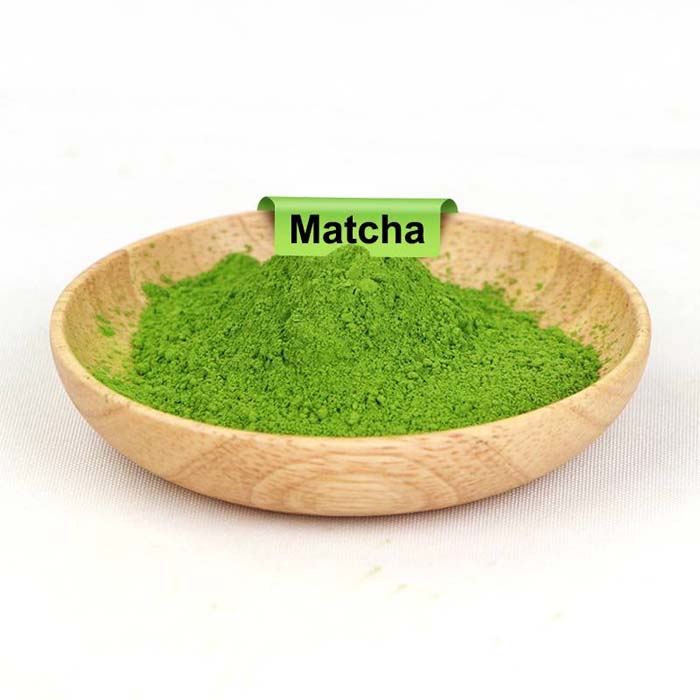 Organic Matcha Powder
 Koicha Ceremonial Grade Matcha Powder
 Organic Ceremonial Grade Matcha Powder
 Premium Beverage Grade Matcha Powder
 Everyday Culinary Grade Matcha Powder
 Organic Instant Pure Matcha
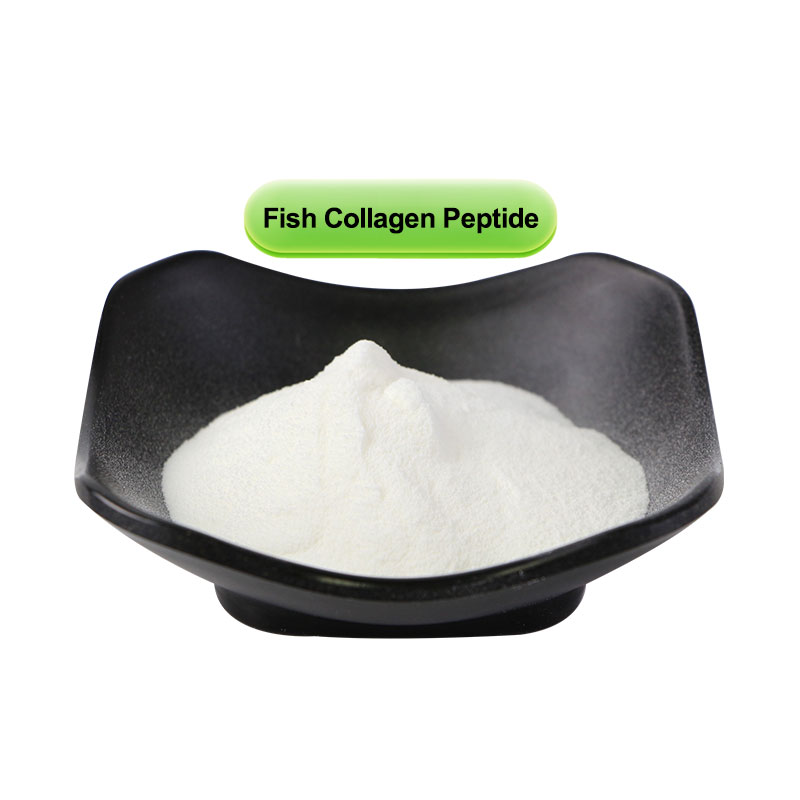 Fish Collagen Peptide
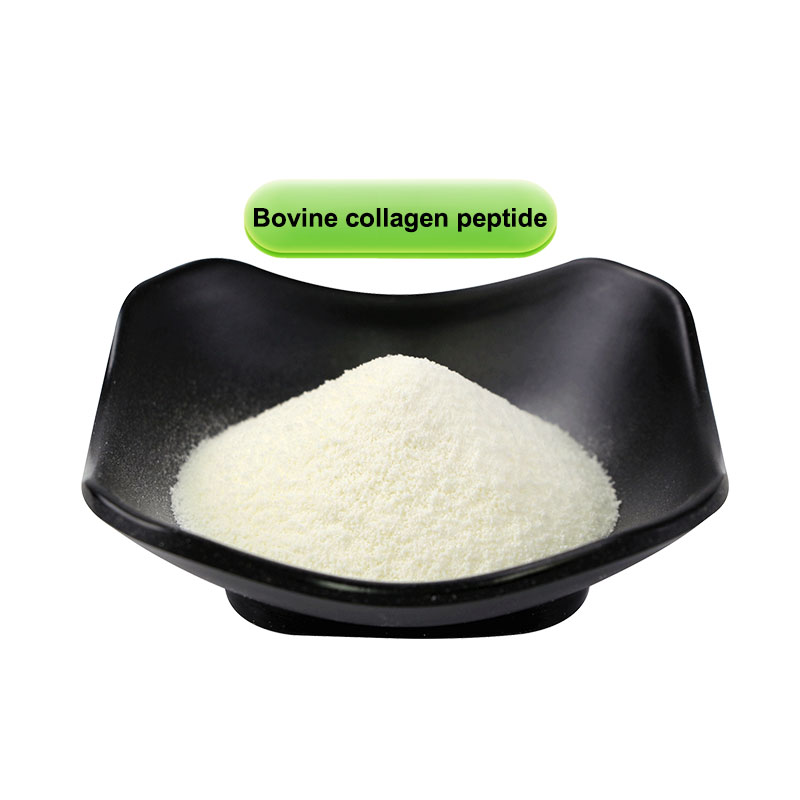 Bovine Collagen Peptide
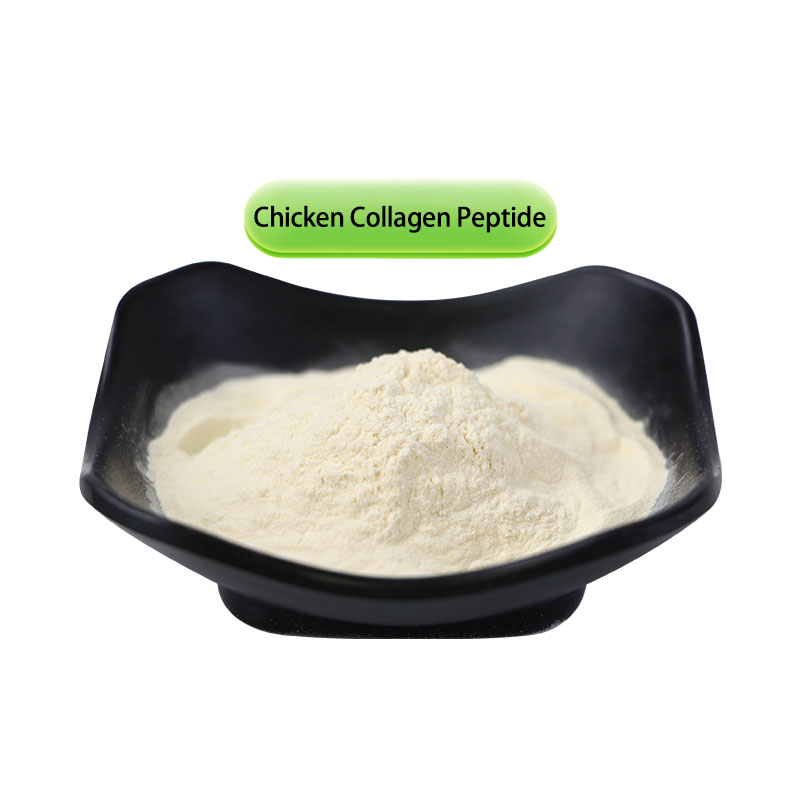 Chicken Collagen Peptide (Hydrolyzed Type II Collagen)
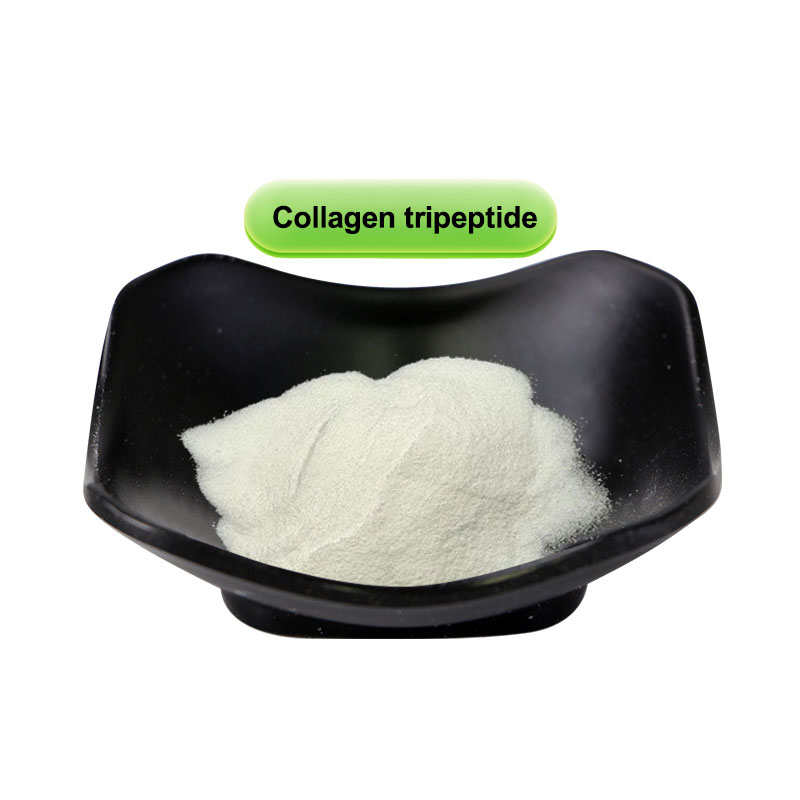 Collagen Tripeptide
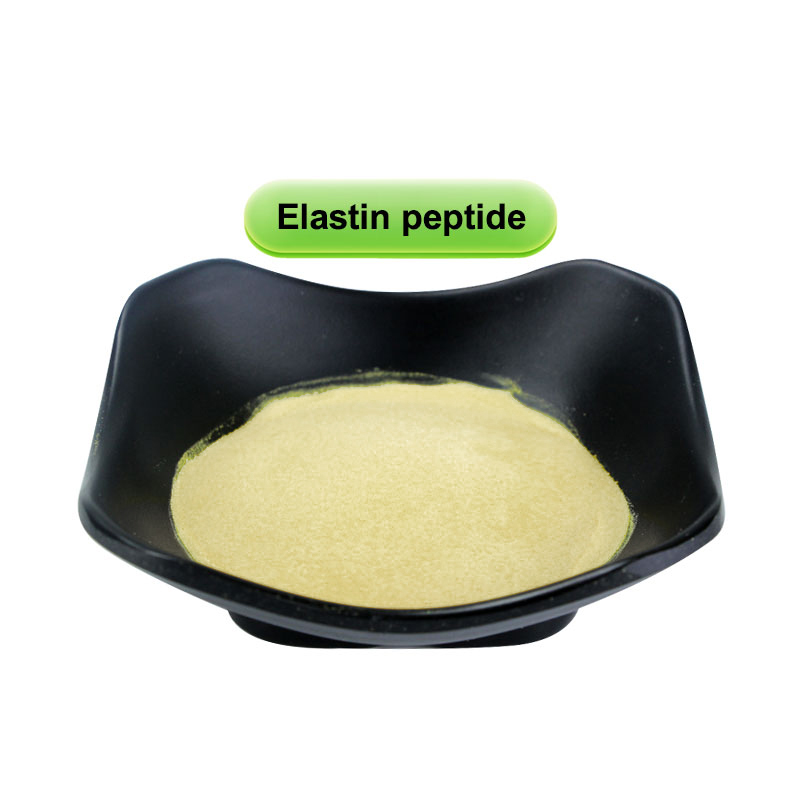 Elastin Collagen Peptide
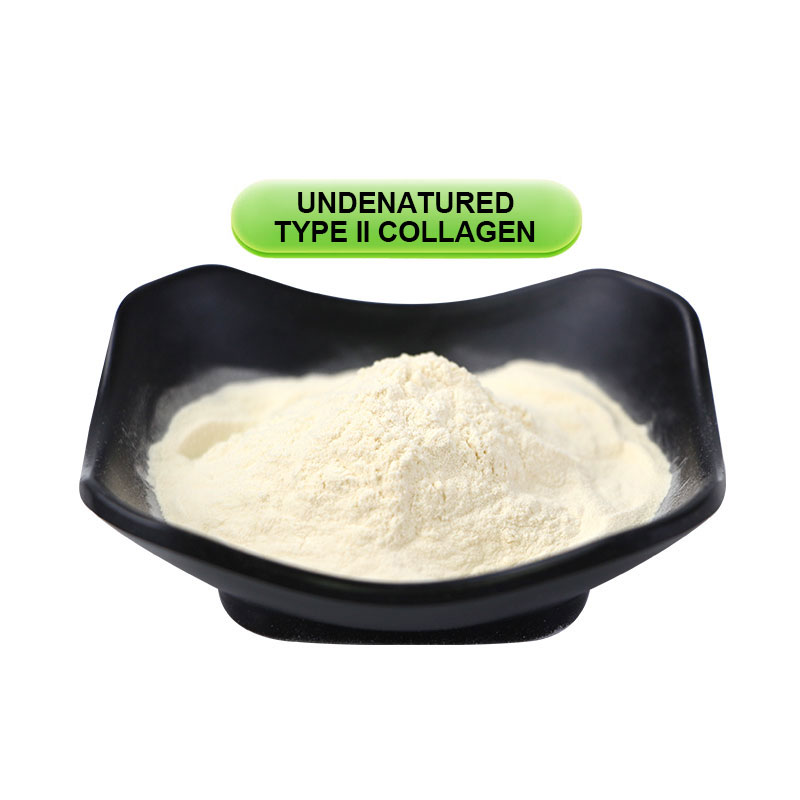 Undenatured Type II Collagen
 Bulk Lecithin Powder Manufacturer & Supplier | AMULYN
 Soy Lecithin Powder
 Sunflower Lecithin Powder
 Soy Lecithin Granules
 Phosphatidylcholine
  Phosphatidylserine
 Mushroom Extract
  Reishi Mushroom Powder
 Lion's Mane Mushroom Powder
 Cordyceps Sinensis Powder
 Chaga Mushroom Powder
 Shiitake Mushroom Powder
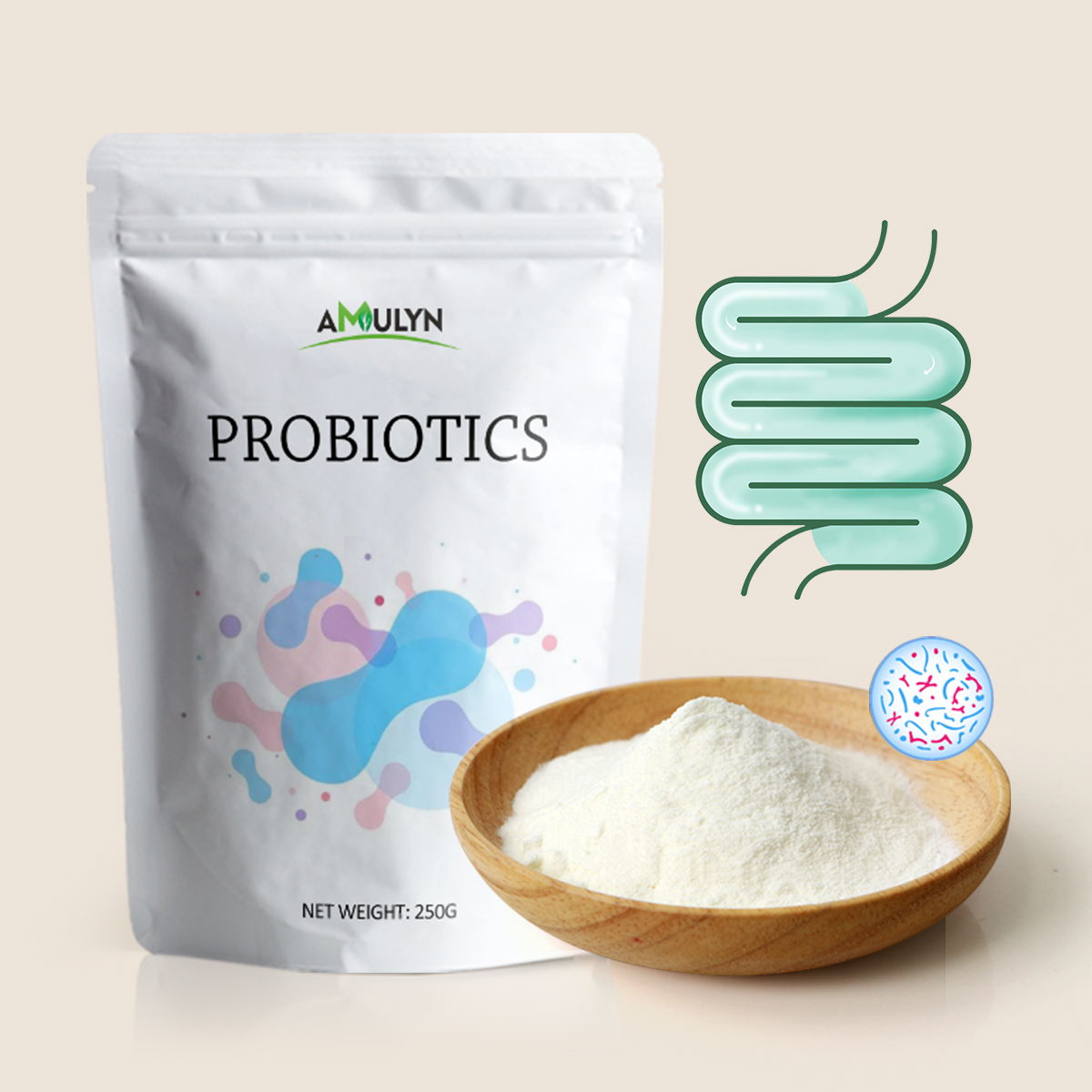 Freeze-Dried Probiotic Powder
 Bifidobacterium Lactis Probiotics Powder
 lactobacillus plantarum Probiotics Powder
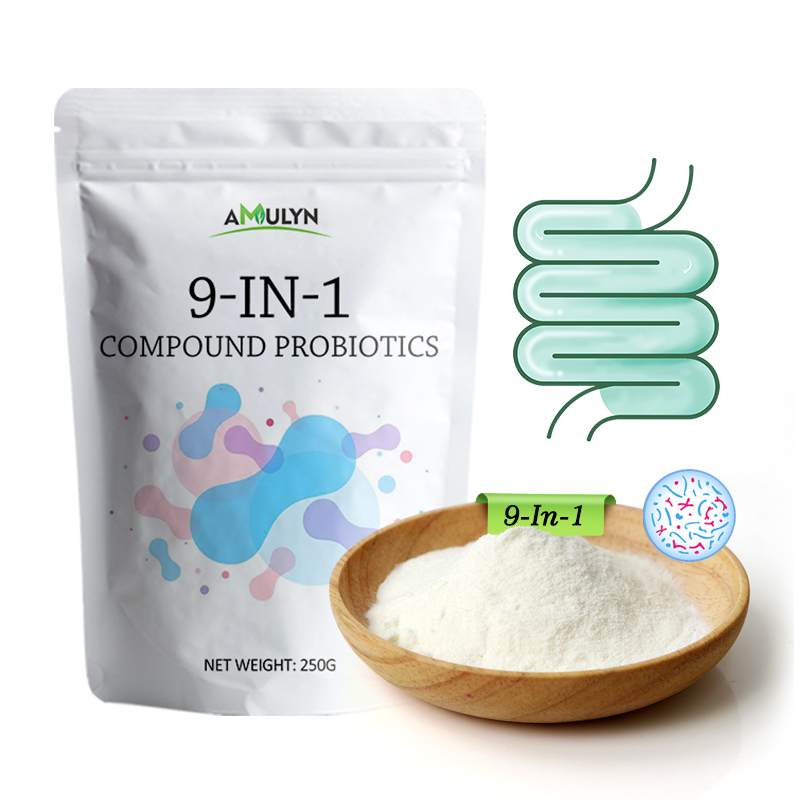 9-In-1 Compound Probiotics Powder
 lactobacillus Rhamnosus Probiotics Powder
 Lactobacillus Casei Probiotics Powder
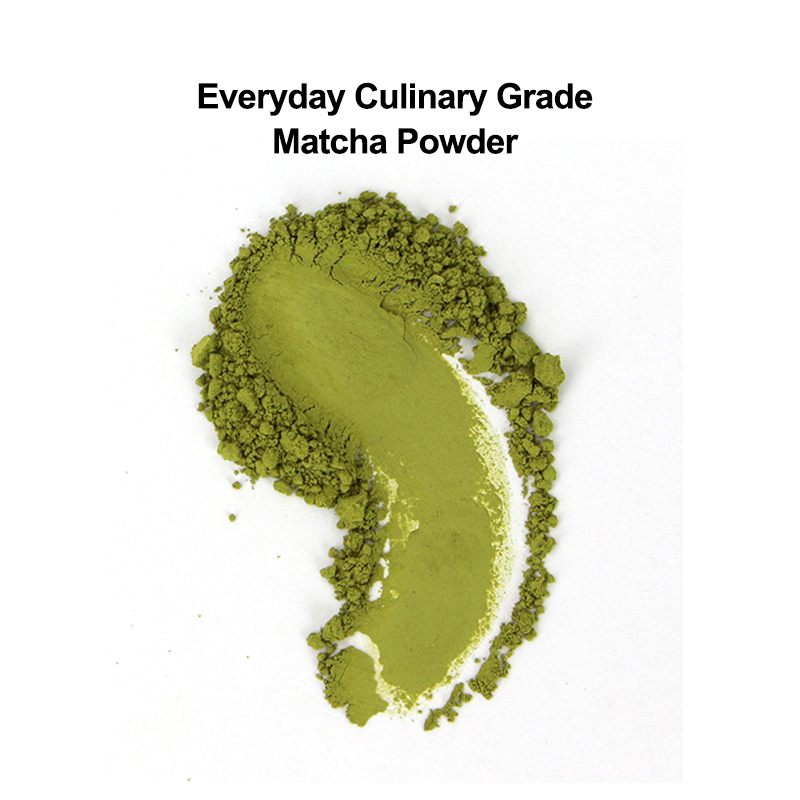
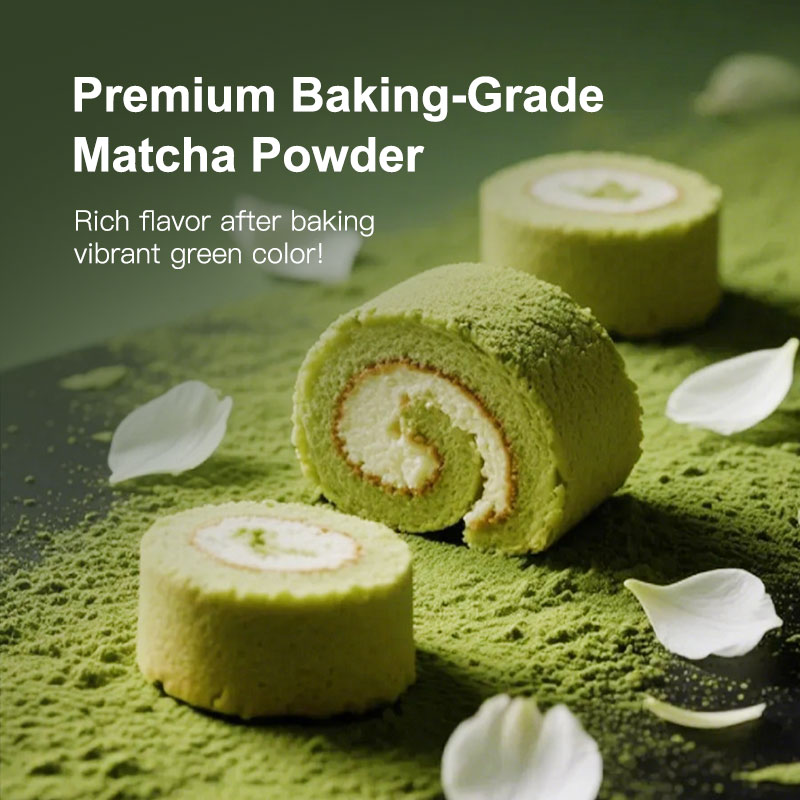
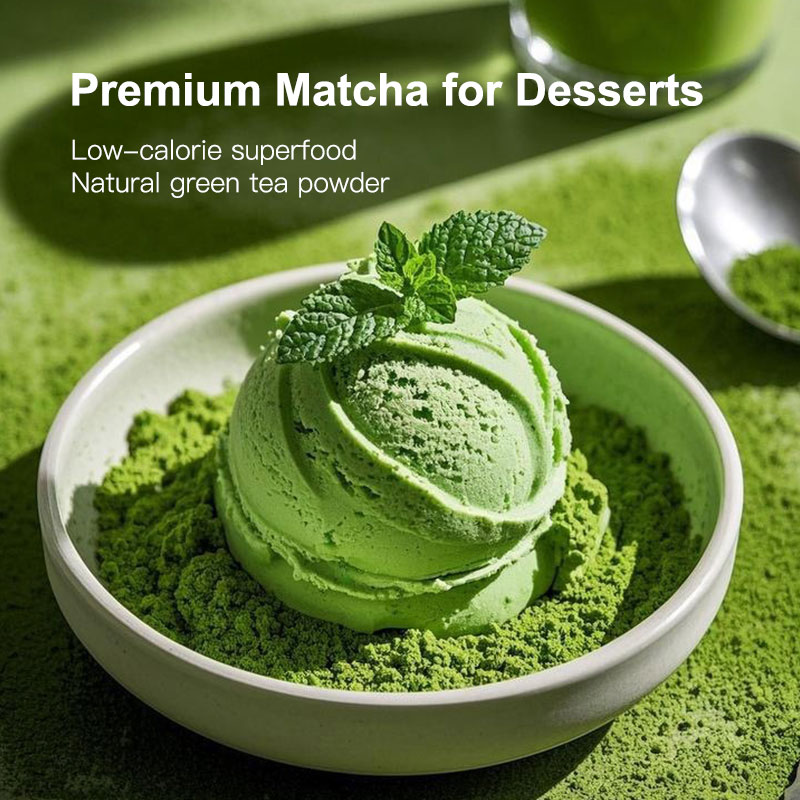
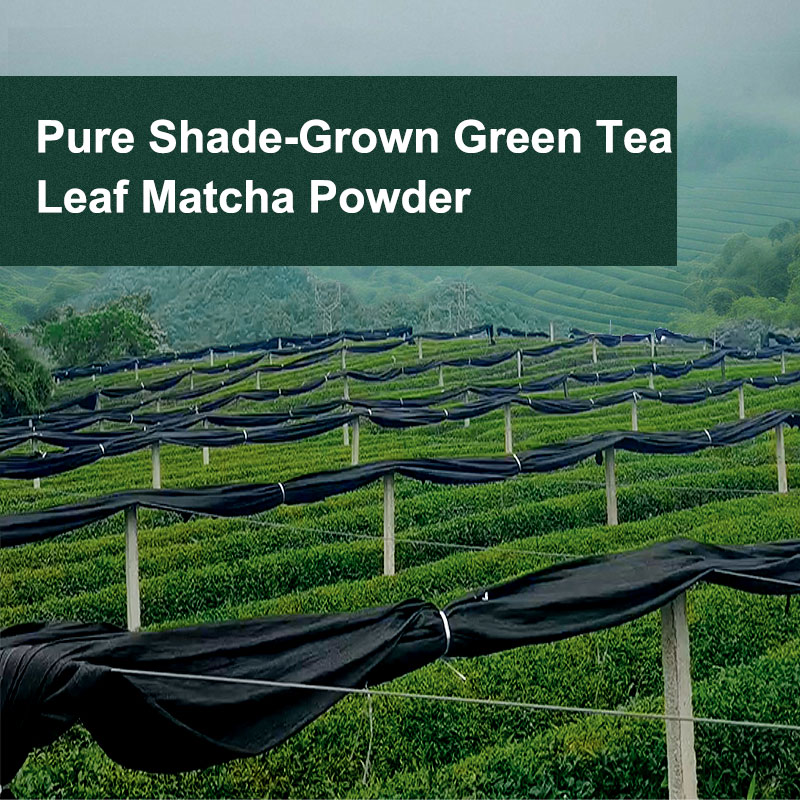
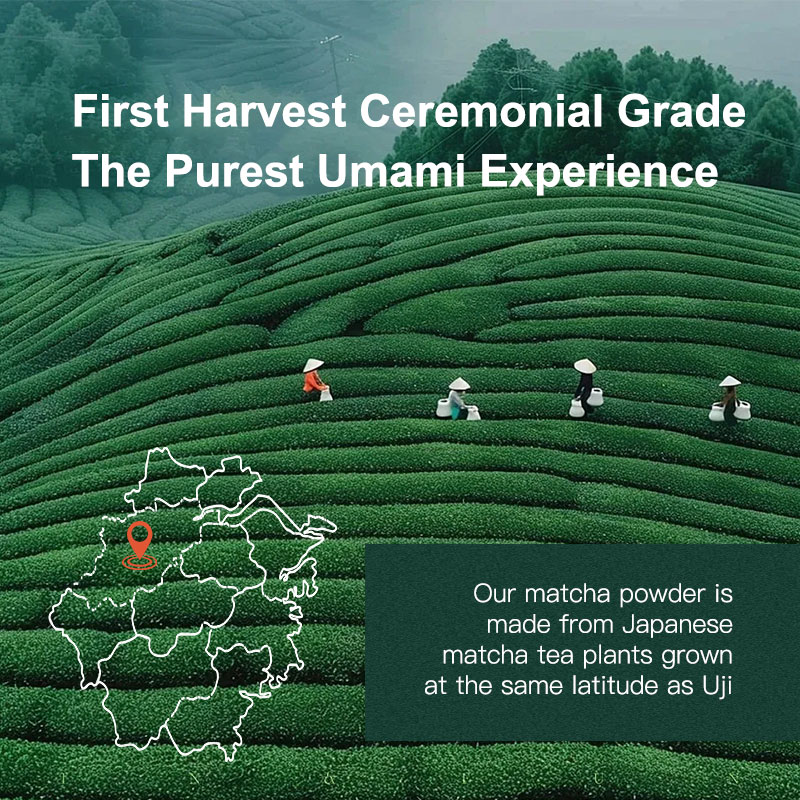
Cost-effective matcha ingredients tailored for food manufacturers—crafted with steam-fixation to preserve robust tea aroma, and finely ground to 80-mesh for seamless blending with flour and cream. Ideal for large-scale production of cookies, cakes, ice cream, and more, delivering consistent color and flavor while reducing R&D costs in baked goods formulation.
Matcha Ingredient for Scaled Food Manufacturing
A practical culinary matcha option for cakes, cookies, bread, fillings, ice cream, dairy products, confectionery and desserts—where recognizable matcha character and controlled cost-in-use must work together.

For Bakeries, Dairy Plants & Confectioners
Culinary matcha is selected differently from ceremonial matcha. In cake, cookie, cream, ice cream or confectionery systems, flour, fat, sugar, protein, cocoa, acidity and heat can mask flavor or shift color.
The practical task is to identify a dose and process that deliver recognizable matcha character at an acceptable cost per finished unit. This page therefore focuses on application trials, specification control and scale-up rather than lifestyle or wellness claims.
Food Development Factors
Build the sample plan around your recipe and production line, not a generic preparation method.
Temperature and time can change green color, roasted notes and perceived bitterness.
Fat, sugar, dairy, flour, cocoa and fillings change flavor release and visual intensity.
Powder profile affects dry blending, speckling, hydration and texture in the finished food.
Compare dose, sensory result, yield and total ingredient cost per commercial unit.
Application Test Matrix
Each matrix presents different thermal, moisture and flavor challenges.
Request a Trial SampleEvaluate batter distribution, bake color, tea aroma, crumb appearance and filling interaction.
Test color under dry heat, flavor after baking, dough distribution and fat-system effects.
Review dough color, fermentation impact, baked aroma and matcha visibility in the crumb.
Check dairy or plant-base masking, cold flavor perception, color and texture.
Evaluate protein interaction, acidity, sediment, color shift and refrigerated stability.
Balance matcha with sweetness, cocoa, fat and filling flavors at the target dose.
Product & Quality Information
Final values must be confirmed against the current specification and the lot provided for testing.
| Item | Current Product Positioning | Buyer Verification |
|---|---|---|
| Product name | Everyday Culinary Grade Matcha Powder | Confirm document and invoice naming |
| Botanical source | Camellia sinensis tea leaf | Confirm origin and traceability requirements |
| Appearance | Green fine powder | Approve sample against current specification |
| Sensory direction | Robust tea and roasted/cocoa-note positioning for food matrices | Run sensory panel after full processing |
| Particle profile | The legacy page states 80 mesh | Verify current method, range and project suitability |
| Customization | Particle size and flavor-intensity options are described | Confirm feasibility, MOQ, specification and lead time |
| Supply plan | Positioned for bulk food manufacturing | Confirm capacity, lot plan, packaging and lead time |
| Quality documents | Specification and lot documentation on request | Request product-specific COA and destination-market files |
Food Applications
Use actual production trials to approve dose, process and finished-product performance.
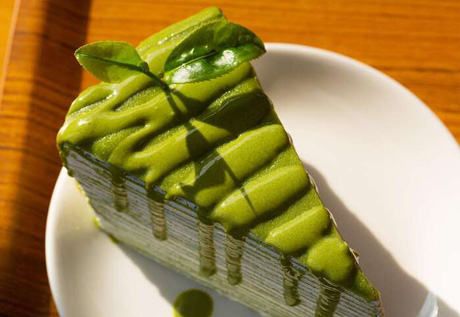
Test batter or dough color, post-bake flavor and interaction with cream or fillings.
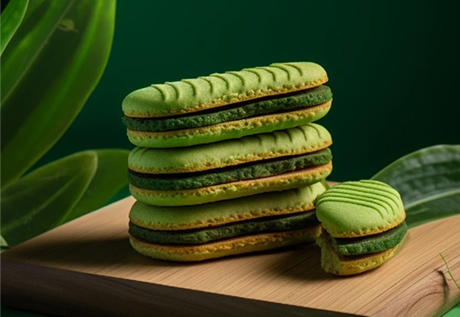
For biscuits, sandwich cookies, chocolate, mochi and filled sweet products.
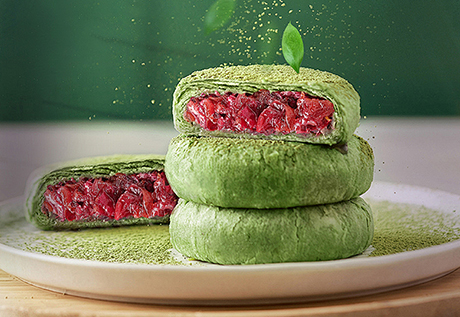
For mousse, pudding, cream, frozen desserts and visually distinctive fillings.

Commercial Evaluation
A lower powder price does not always mean a lower finished-product cost. Compare how much matcha is required, how it affects the recipe, processing loss, visual result and consumer-acceptable flavor.
B2B Inquiry Checklist
A relevant culinary matcha recommendation requires the recipe, process and commercial target.
Cake, cookie, bread, ice cream, dairy, chocolate, mochi or filling.
Key ingredients, pH, temperature, time, mixing and storage conditions.
Color, flavor strength, bitterness tolerance, texture and planned use level.
Trial amount, annual forecast, packaging, market, timeline and documents.
Sample-to-Scale Workflow
Bench-top color alone cannot predict the result after mixing, baking, freezing or storage.
Share the product matrix, process, sensory target, dose range and budget.
Check the current specification, COA, physical sample and customization options.
Compare color, flavor, mixing, texture and stability after full processing.
Approve the reference sample, lot criteria, packaging, lead time and documents.
Buyer FAQ
For bakeries, dairy plants, frozen-dessert producers, confectioners, food manufacturers and ingredient distributors.
Culinary grade matcha is positioned for food manufacturing applications where matcha color and flavor must remain identifiable within flour, dairy, fat, sugar, cocoa or other ingredients at a practical cost-in-use.
It can be evaluated for cakes, cookies, bread, pastries, fillings, ice cream, dairy products, confectionery, mousse, pudding and other matcha-flavored foods.
Final color depends on matcha dose, baking temperature and time, pH, moisture, fat, sugar, other ingredients, oxygen, light, packaging and storage. Buyers should run trials under the actual production process.
The legacy product information describes particle-size and flavor-intensity customization. Feasibility, specification, minimum quantity, lead time and impact on the finished product should be confirmed for each project.
Share the food application, recipe base, process temperature and time, target color and flavor, use level, annual volume, packaging, destination market, launch timing and required quality documents.
Start Your Food Development Project
Send your recipe type, process, target result, trial quantity, annual forecast and required documents.
AMULYN Everyday Culinary-Grade Matcha is specially designed for large-scale food manufacturing, delivering competitive pricing while maintaining essential color and flavor profiles. Ideal for mass production of baked goods (cakes, cookies, bread), ice cream, dairy products, and confectionery, this matcha effectively enhances visual appeal and adds health-conscious attributes to products.
While its fineness and aroma are slightly more subdued compared to premium matcha grades, it undergoes rigorous quality control to guarantee zero additives, heavy metal-free composition, and full compliance with international food safety standards.
This product is the perfect choice for cost-conscious manufacturers seeking to incorporate matcha into their products without compromising basic quality. We support bulk customization—including adjustable particle size and flavor intensity—to ensure seamless integration with your production line.
With 2,000 acres of tea plantations, we guarantee stable bulk-order fulfillment, eliminating production disruptions caused by raw material fluctuations.
Adjustable particle sizes (e.g. coarse for baking, fine for instant drinks) and formula customization (e.g. pre-sweetened matcha) to streamline your processing.
Scalable procurement and optimized logistics deliver cost-controlled ingredients, ideal for price-sensitive applications like mass-market FMCG and chain restaurants.
RECIPE INSPIRATION Successful applications of health products from our customers
Roasty,Cacao Notes With Low Bitterness.
Smooth and mild,with low bitterness.
Naturally sweet,A smooth, mild flavor with a fragrant aroma and no bitterness.
Robust, earthy matcha flavor that’s smooth with no bitterness. From nutty, malt-like umami to floral and refreshing.
In Stock, Minimum Order 1 Bag

Electrolyte replacement

Spray-dried

Spray-dried


1208, Building B, Huixin 1BC, No. 1 Zhang Bayi Road, High-tech Zone, Xi'an, Shaanxi, China
0086-199 9282 1268


Copyright @ 2024 AMULYN Corp All rights reserved.
Technical Support | Site Map


