




















The sports nutrition industry is undergoing a significant shift. The "no pain, no gain" era of synthetic, high-stimulant pre-workouts is being replaced by a demand for "sustainable energy" and "clean recovery." Modern consumers—ranging from CrossFit athletes to yoga enthusiasts—are scrutinizing labels for ingredients that offer holistic benefits.
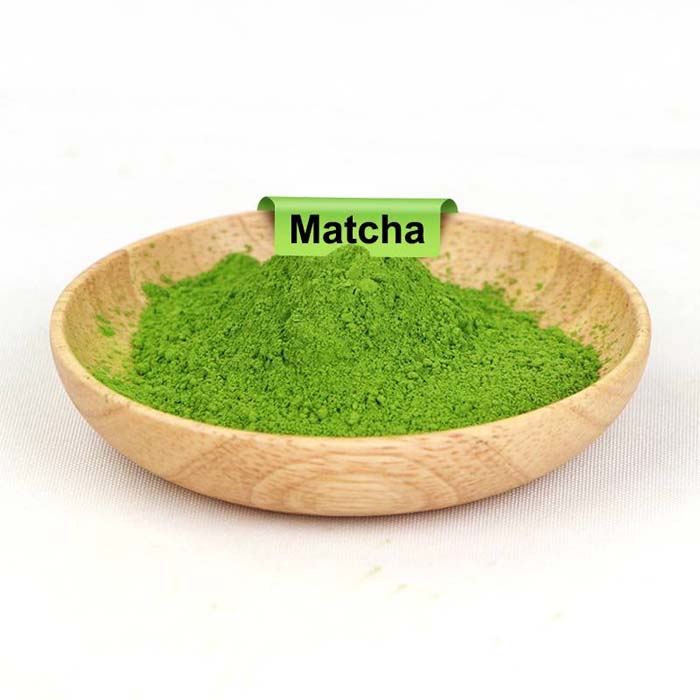
Matcha green tea has emerged as a powerhouse ingredient in this transition. Rich in L-Theanine and catechins, it offers a unique physiological profile: alert calmness without the jitters. However, for product developers, integrating Matcha into high-protein matrices is technically demanding. From the hydrophobicity of the powder to the masking of grassy notes, this guide provides a comprehensive roadmap for R&D teams.
1. Protein Powders: Solubility and Flavor Architecture
In dry blends, the challenges are primarily physical (dispersion) and sensory (flavor).
1.1 The "Instantization" Challenge
Matcha is hydrophobic. When added to water or milk, the fine particles tend to float on the surface, creating a "green dust" ring around the glass. This is unacceptable for a premium consumer experience.
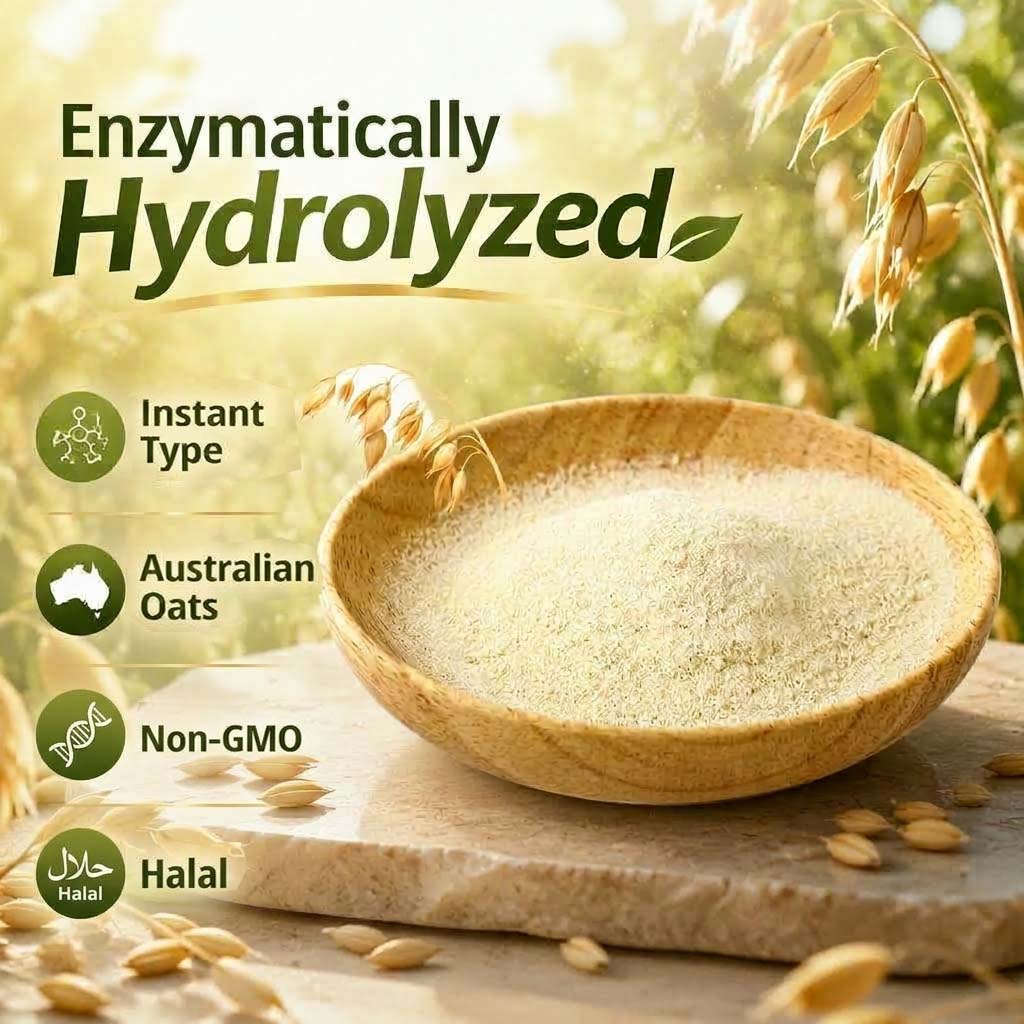
Result: The larger, porous agglomerates sink rapidly and disperse easily, preventing clumping and ensuring a smooth mouthfeel.
1.2 Flavor Masking and Pairing
High-quality Whey Protein Isolate (WPI) has delicate dairy notes, while Pea Protein has earthy, beany notes. Matcha, with its inherent bitterness (catechins), interacts differently with each.
- For Dairy Blends (Whey/Casein): Use Vanilla or White Chocolate bases. The creaminess of these flavors bridges the gap between the dairy protein and the grassy tea notes.
- For Plant Blends (Pea/Rice): Use Citrus (Yuzu/Lemon) or Spices (Ginger/Turmeric). These strong top notes cut through the "beany" aftertaste of pea protein and complement the Matcha's vegetal profile.
- Sweetener Systems: Avoid high-intensity sweeteners with a bitter aftertaste (like Stevia Reb A). Opt for Monk Fruit or Allulose, which have cleaner profiles that do not clash with the tea.
2. Energy Bars: Texture, Moisture, and Shelf-Life
Unlike powders, bars are a complex matrix of fats, proteins, and carbohydrates. The primary technical risk here is Moisture Migration.
2.1 Managing Water Activity (Aw)
Matcha powder is hygroscopic—it attracts water. In an energy bar, moisture naturally migrates from the binder (syrup/honey) to the dry ingredients (protein/oats). If the Matcha absorbs too much moisture, it can cause the bar to harden into a "brick" or, conversely, become sticky and lose its shape.
| Component | Function | Formulation Strategy |
|---|---|---|
| The Binder | Structural Integrity | Use Tapioca Syrup or Soluble Corn Fiber. These have lower water activity than Honey or Brown Rice Syrup, reducing the driving force for moisture migration. |
| The Fat | Texture & Lubrication | Almond Butter or Cocoa Butter. Fat coats the protein and tea particles, creating a hydrophobic barrier that slows down moisture absorption. |
| The Matcha | Active Ingredient | Use Culinary Grade. The delicate flavor notes of Ceremonial grade are lost during the extrusion or baking process, making it an unnecessary cost. |
2.2 The Maillard Reaction & Color Retention
If your bar is baked or extruded at high temperatures, the Maillard Reaction (browning) will occur between the amino acids in the protein and reducing sugars. This turns the vibrant green Matcha into a dull olive-brown.
Fix: To maintain the green color, consider using encapsulated Matcha flavors or adding a small amount of Ascorbic Acid (Vitamin C) to the dry mix, which can help protect the chlorophyll from oxidation during heating.
3. Functional Synergy: The "Pre-Workout" Claim
For B2B marketing, the formulation must support specific health claims. Matcha is not just a flavor; it is a functional delivery system.
3.1 The Caffeine + L-Theanine Matrix
Standard pre-workouts rely on high doses of anhydrous caffeine (200mg+), which can cause heart palpitations and energy crashes. Matcha offers a unique advantage:
- Sustained Release: The caffeine in Matcha is bound to larger plant molecules, leading to a slower absorption rate (4-6 hours) compared to coffee (1-2 hours).
- Alpha Waves: L-Theanine promotes relaxation without drowsiness. When combined with caffeine, it improves cognitive performance and focus—ideal for "Mind-Muscle Connection" marketing.
4. Processing Guidelines: Step-by-Step
Whether you are manufacturing bars or powders, the order of ingredient addition is critical.
Dry Blending (The Premix)
Always blend the Matcha with a carrier powder (like Maltodextrin or a portion of the Protein Powder) first. This "dilutes" the potent tea powder and prevents it from clumping when it hits the wet ingredients.
High-Shear Mixing
For protein shakes, use a high-shear mixer (e.g., Silverson) to break down agglomerates. For bars, ensure the fat is evenly distributed to coat the tea particles.
Low-Temperature Processing
If possible, keep processing temperatures below 60°C (140°F) to preserve the delicate catechins (EGCG) and the vibrant green color.
5. Technical FAQ
Does Matcha affect the shelf-life of protein bars?
Actually, it can improve it. The catechins (EGCG) in Matcha are potent antioxidants. They can help retard lipid oxidation in bars containing nuts or seeds, potentially extending shelf life by preventing rancidity. However, you must manage moisture to prevent texture hardening.
Can I use Matcha in Vegan/Plant-Based protein powders?
Absolutely. Matcha pairs exceptionally well with Pea Protein and Rice Protein. The earthy notes of Matcha actually complement the "beany" notes of pea protein better than they do with delicate Whey protein, making flavor masking easier. We recommend using a "Yuzu" or "Ginger" flavor note to bridge the two profiles.
What is the ideal particle size for protein powders?
For a smooth shake, aim for a particle size (D90) of < 50 microns. If the particles are too large, they will feel gritty against the tongue, especially in low-viscosity liquids like water or almond milk. If you cannot source fine powder, consider using a xanthan gum blend to increase viscosity and suspend the larger particles.
How do I prevent the "Green Tongue" effect?
While natural, consumers often dislike the staining effect of chlorophyll. Using a lecithin-coated matcha can reduce this, as the fat coating prevents the chlorophyll from sticking directly to the tongue's papillae. Alternatively, adding a small amount of citrus fiber can help bind the pigment.


