



















Across search engines and social platforms, reported search interest in queries like “how to make matcha at home” and “easy matcha latte recipe” has surged by over 1300% in recent seasons. What started as an artisan café beverage has evolved into a daily morning ritual for millions of households.
For consumers, mastering matcha at home unlocks vibrant, fresh tea flavor without paying $7 every morning at a coffee shop. For beverage brands, coffee roasters, and café owners, this consumer shift is not a threat to foot traffic—it is an unprecedented commercial opportunity to capture retail pantry share with at-home kits, specialty tins, and premium powders.
1. Why the 1300% Search Spike Matters: The Economics of At-Home Matcha
The explosive rise in at-home matcha preparation is driven by a convergence of lifestyle trends, viral content, and household economics.
The Consumer Driver
- Cost efficiency: A 30g tin of premium matcha yields 15 servings at roughly $1.00 per cup versus $6.50+ at specialty cafés.
- Customization: Freedom to select oat milk, almond milk, natural sweeteners, or collagen boosters.
- The Morning Ritual: The tactile experience of whisking provides a mindful, calming start to the day.
- Balanced Profile: Natural amino acids like L-theanine provide a smooth, savory sweetness that complements natural caffeine.
The Business Opportunity
- Retail pantry expansion: Cafés can sell 30g–100g branded tins directly to regular customers.
- Starter kit bundling: High-margin bundles combining powder, bamboo whisks, and scoops.
- Subscription models: Monthly recurring revenue from household powder replenishment.
- Customer education: Teaching customers how to brew builds long-term brand authority.
When consumers learn how to make matcha properly at home, their appreciation for quality raw ingredients increases. They graduate from cheap, dusty powders to vibrant, high-grade specialty matcha.
2. The Fundamental Science: Suspension vs. Solution
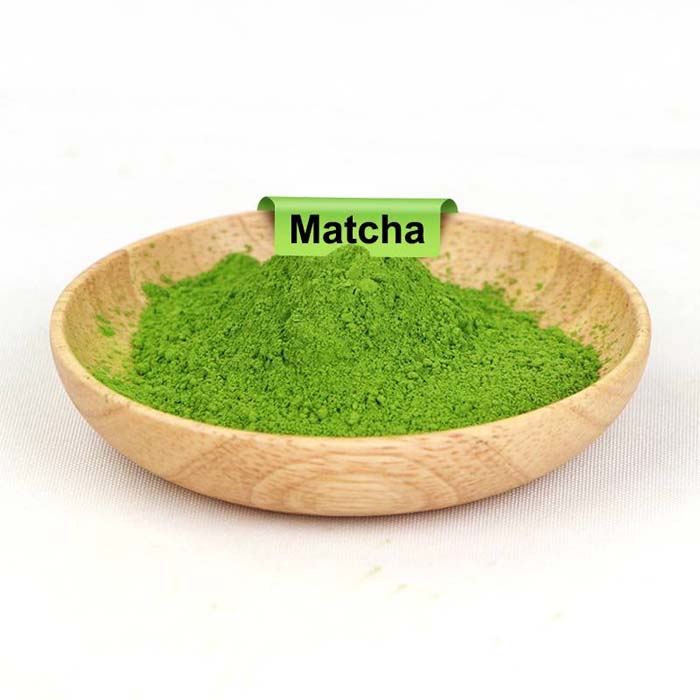
The single most important concept for beginners to understand is that matcha does not dissolve in water. Unlike instant coffee or sugar, matcha is 100% whole tencha tea leaf stone-milled into microscopic particles (typically 5 to 15 microns).
Because it is a suspension, your preparation technique determines whether the particles stay suspended in a silky microfoam or clump together into bitter sediment at the bottom of the glass.
3. Golden Ratio & Parameters for Beginners
Whether crafting a traditional hot bowl (usucha) or a layered iced matcha latte, maintaining standard ratios guarantees repeatable flavor and texture.
| Drink Style | Matcha Powder | Water Volume & Temp | Milk / Liquid Base | Best Served |
|---|---|---|---|---|
| Traditional Usucha (Thin Tea) | 1.5g – 2.0g (1 tsp) | 60ml – 70ml at 75°C (167°F) | None (Straight whisked tea) | Hot in a wide ceramic chawan bowl. |
| Café-Style Hot Matcha Latte | 2.0g – 2.5g | 40ml – 50ml at 75°C (167°F) | 150ml – 180ml steamed whole/oat milk | Hot mug with silky microfoam top. |
| Layered Iced Matcha Latte | 2.5g – 3.0g | 40ml – 50ml at 75°C (167°F) | 180ml cold milk + ice cubes | Tall clear glass over ice with distinct green layer. |
| Sparkling Matcha Cooler | 2.0g | 30ml warm water concentrate | 180ml sparkling mineral water + yuzu/lemon | Highball glass over clear ice. |
4. Step-by-Step: The Perfect At-Home Method
Follow this 4-step workflow to prepare a smooth, vibrant matcha latte without clumps or excessive bitterness.
Sift the powder
Place a small fine-mesh sieve over your bowl and sift 2g of matcha to break electrostatic clumps.
Add 75°C water
Pour 50ml of 70°C–80°C hot water around the edges of the sifted powder—never use 100°C boiling water.
Whisk in 'W' motion
Using a bamboo whisk or electric frother, aerate rapidly for 20–30 seconds until a fine microfoam forms.
Combine with milk
Pour the concentrated green foam over cold milk and ice, or gently fold into warm textured milk.
When making an iced latte, pour the milk and ice into your glass first, then slowly pour the freshly whisked matcha concentrate directly over an ice cube to achieve the signature dual-layer aesthetic.
5. Tool Comparison: Bamboo Whisk vs. Electric Frother vs. Shaker
Beginners do not need to invest hundreds of dollars in traditional teaware to get started. Here is how common home tools compare in performance and convenience.
| Tool | Foam Quality | Ease of Cleaning | Best For | Retail Kit Viability |
|---|---|---|---|---|
| Bamboo Whisk (Chasen) | Exceptional silky microfoam; perfectly separates particles. | Rinse with warm water only; air dry on ceramic stand. | Purists, daily mindfulness rituals, hot usucha. | High value in premium gift and starter sets. |
| Handheld Electric Frother | Very good froth; fast and convenient in 15 seconds. | Instant rinse under running tap. | Busy mornings, fast iced lattes, office desks. | Ideal entry-level add-on for retail brands. |
| Protein Shaker / Blender Bottle | Coarser foam; risk of powder sticking to bottle walls. | Dishwasher safe. | Gym bags, travel, on-the-go cold matcha. | Great lifestyle cross-promotion item. |
| Standard Kitchen Spoon | Poor; causes heavy clumping and uneven suspension. | Very easy. | Not recommended for beverage preparation. | Avoid recommending to customers. |
6. Troubleshooting: The 5 Most Common Beginner Mistakes
When a home brew turns out pale, watery, or harshly bitter, it almost always stems from one of these five preventable errors.
The Fix: Let kettle water rest for 3–5 minutes after boiling, or mix 4 parts boiling water with 1 part cold water to reach ~75°C.
The Fix: Never scoop dry powder straight into water. Sifting takes 5 seconds and completely eliminates floating green pellets.
The Fix: Whisking in circles creates a whirlpool that pushes clumps to the side. Use a rapid back-and-forth “W” or “M” wrist motion from the wrist, not the elbow.
| Symptom | Root Cause | Corrective Action |
|---|---|---|
| Harsh, astringent, bitter taste | Water was boiling (100°C) or powder is low-grade yellow culinary tea. | Reduce water to 75°C; switch to a vibrant green Barista/Premium grade. |
| Dry clumps floating on top or sticking to bottom | Powder was not sifted or water was added too fast. | Sift first; whisk immediately upon adding warm liquid. |
| Pale yellowish-olive color in milk | Old oxidized matcha or high-tannin autumn harvest leaf. | Store in airtight tin in the fridge; source first/second harvest tencha. |
| Watery latte with weak tea flavor | Too much water used to dissolve the shot (e.g., >100ml). | Keep the water shot concentrated at 40ml–50ml so milk does not drown the tea. |
| Matcha settles to the bottom after 2 minutes | Incomplete aeration or poor grind fineness. | Whisk until thick foam covers the entire surface; consume within 10–15 minutes. |
7. What This Trend Means for B2B Cafés and Brands
Savvy beverage businesses are capitalizing on the at-home matcha boom by turning café visitors into retail subscribers. Consumers who discover matcha in a café want to recreate that experience on weekday mornings.
| Commercial Product Format | Target Consumer | Packaging Strategy | Key Margin Driver |
|---|---|---|---|
| 30g / 50g Retail Tins | Daily at-home latte drinkers seeking freshness. | Airtight aluminum or tin canisters with pull-ring freshness seals. | High price per gram; strong repeat purchase cycle. |
| At-Home Starter Bundles | Beginners inspired by social media tutorials. | Branded box with 30g tin + bamboo chasen + scoop. | High perceived gift and onboarding value. |
| Single-Serve Sachet Packs (2g x 15) | Commuters, office workers, travelers. | Nitrogen-flushed multi-layer foil stick packs. | Maximum freshness and convenience with zero measuring error. |
| Ready-to-Mix Sweetened Blends | Consumers wanting café taste in 10 seconds. | Stand-up barrier pouches with resealable zippers. | Broad mainstream appeal and lower barrier to entry. |
Matcha degrades rapidly when exposed to oxygen, humidity, and UV light. Never package retail consumer matcha in transparent bags or loose paper boxes. Always specify multi-layer foil barrier pouches or opaque sealed tins.
8. Sourcing the Right Grade for At-Home Retail Lines
When curating a retail SKU for home users, selecting the right raw material profile is critical. A powder that is too astringent will alienate beginners, while an ultra-expensive specialty ceremonial grade may price your retail tin out of the market.
- Color profile: Vibrant, vivid jade-green (indicates shade-grown, chlorophyll-rich first or second harvest tencha).
- Particle size: Superfine mesh under 15 microns for effortless dispersion with basic whisks or frothers.
- Flavor balance: Pronounced tea presence that cuts through dairy or oat milk without requiring excessive sugar.
- Aroma: Fresh vegetal, creamy, and nutty aroma with zero stale or smoky notes.
- Stability & Compliance: Standardized heavy metal testing, pesticide residue screening, and consistent lot COAs.
Conclusion: Turning a Viral Trend Into a Long-Term Business Channel
The 1300% surge in at-home matcha interest signals a permanent shift in consumer beverage habits. Making matcha at home is no longer niche—it is a staple morning routine.
- Master the essentials: Sifting, 75°C water, and rapid aeration turn basic powder into café-quality drinks.
- Educate your audience: Clear preparation guides convert curious beginners into loyal brand advocates.
- Package for freshness: Small 30g–100g airtight formats protect vibrant color and delicate flavor.
- Source with purpose: Partner with reliable B2B suppliers who provide consistent, vibrant, and food-safe raw materials.
Whether you are teaching your customers how to whisk their first bowl or building a private-label retail line, understanding the at-home ritual is your fastest pathway to sustainable growth.
At-Home Matcha Preparation FAQ
Why has search interest in making matcha at home increased so dramatically?
The surge in at-home matcha preparation is driven by viral social media tutorials, rising café drink prices, and consumer interest in daily wellness rituals. Consumers want to replicate specialty café-quality matcha lattes at home for a fraction of the cost.
What is the ideal water temperature for preparing matcha at home?
The ideal water temperature is 70°C to 80°C (158°F to 175°F). Boiling water (100°C) scorches delicate tea compounds, destroying sweet amino acids and releasing excessive bitterness and astringency.
Do you need a traditional bamboo whisk (chasen) to make matcha at home?
While a traditional bamboo whisk produces the finest microfoam and smooth suspension, beginners can also use a handheld electric milk frother or a tight-sealing shaker bottle as convenient entry points.
Why does homemade matcha often turn out clumpy or bitter?
Clumping happens because fine matcha powder naturally attracts electrostatic charges and must be sifted before adding water. Excessive bitterness is typically caused by boiling water, low-grade culinary powder, or improper powder-to-water ratios.
What does the at-home matcha trend mean for small cafés and beverage businesses?
Rather than reducing café visits, this trend creates lucrative retail opportunities. Businesses can package premium matcha in 30g to 100g consumer tins, offer at-home starter kits, and sell branded drinkware to capture at-home consumption.
What matcha specifications should brands source for retail at-home consumer packs?
Brands should source a vibrant green, fine-mesh (sub-15 micron), balanced Barista or Premium grade matcha with mild bitterness, high natural sweetness, good dispersion, airtight barrier packaging, and consistent lot-to-lot COAs.
Launching an At-Home Matcha Product or Retail Line?
Whether you need bulk barista-grade matcha powder, custom retail tin packaging, single-serve sachet manufacturing, or starter kit sourcing, AMULYN provides verified ingredients and supply chain solutions tailored to your business.
Submit an Inquiry


