
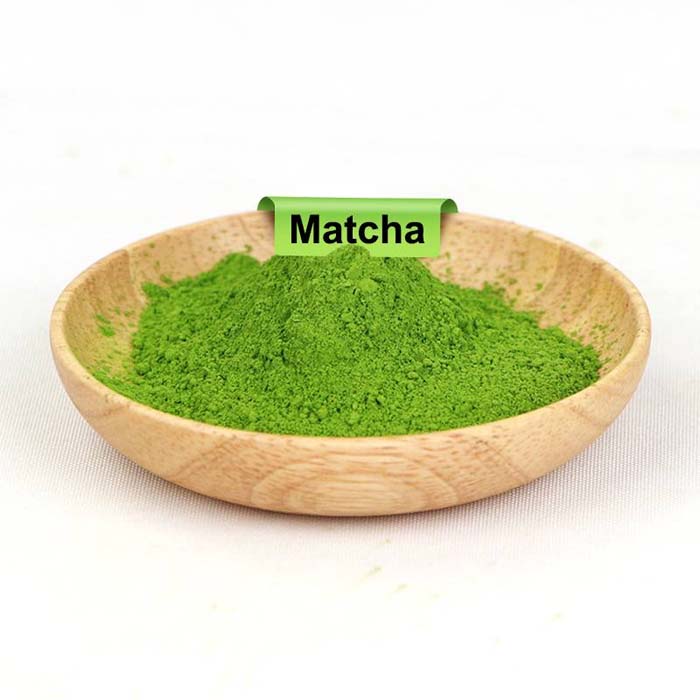




















For decades, the standard morning ritual has been synonymous with a freshly brewed cup of coffee. But in recent seasons, a massive consumer shift has taken root across kitchen counters and specialty cafés: morning commuters, remote professionals, and wellness enthusiasts are swapping their first espresso for vibrant green matcha.
Is this transition merely aesthetic, or is it grounded in real physiological differences? For daily drinkers, choosing the right morning beverage impacts alertness, gut health, and afternoon productivity. For specialty coffee shop owners and beverage brands, understanding why customers switch unlocks the secret to building a high-margin, dual-anchor morning menu that captures both coffee loyalists and tea seekers.
1. The Head-to-Head Morning Comparison Matrix
Compare the physiological, sensory, and operational parameters of a standard morning coffee versus a handcrafted matcha beverage.
| Evaluation Parameter | Standard Morning Coffee (Drip / Espresso) | Handcrafted Matcha (Ceremonial / Barista) |
|---|---|---|
| Caffeine Yield (Per Serving) | 95 mg – 150 mg (Fast-acting free caffeine) | 60 mg – 70 mg (Buffered by L-theanine & catechins) |
| Energy Onset & Duration | Rapid 30-min spike; sharp crash at 90–120 mins | Gentle 15-min ramp; steady 4–6 hour sustained plateau |
| Stomach Acidity & Digestion | Acidic (pH ~4.8–5.0); triggers gastric acid secretion | Mild (pH ~5.8–6.4); soothing polyphenols protect gut lining |
| Neurochemical State | Beta brain waves (High alertness, potential jitters) | Alpha brain waves 8–12Hz (Calm focus, relaxed alertness) |
| Preparation & Cleanup Time | ~2–3 mins (Grind, tamp, pull shot, knock box cleaning) | ~60–90 secs (Sift 2g, whisk with 75°C water, warm water rinse) |
| Afternoon Re-Dosing Need | High (Craving second cup to counteract 2:00 PM fatigue) | Low (Smooth metabolic taper without post-caffeine slump) |
2. Physiological Deep-Dive: Acidity, Jitters & the 6-Hour Plateau
Understanding the metabolic pathways of both beverages explains why so many professionals report higher workday productivity after switching to matcha.
1. The Acid Factor & Empty-Stomach Comfort
- Coffee’s Acid Load: Black coffee sits at an acidic pH of 4.8 to 5.0. On an empty morning stomach, it stimulates rapid gastrin secretion and hydrochloric acid release, frequently causing heartburn, sour stomach, or acid reflux.
- Matcha’s Mild Profile: Matcha measures close to neutral (pH 5.8 to 6.4). Furthermore, its rich concentration of chlorophyll and EGCG tea catechins provides a natural alkaline-forming buffer that is gentle on sensitive digestive tracts.
2. L-Theanine & Cortisol Synergy
- Coffee’s Cortisol Spike: Waking up already triggers a natural surge in morning cortisol (the Cortisol Awakening Response). An immediate high dose of free caffeine from coffee can amplify cortisol, inducing physiological stress and nervous tremors.
- Matcha’s Alpha Wave Calm: Shade-grown matcha delivers 20mg to 40mg of L-theanine per serving. L-theanine crosses the blood-brain barrier, stimulating 8–12 Hz alpha brain waves that promote a state of relaxed concentration without drowsiness.
3. Morning Preparation Workflows: Speed & Kitchen Cleanliness
How do the two rituals compare when you have only 10 minutes before leaving for your morning commute or logging into work?
Weigh whole beans, grind, distribute powder, tamp, pull 25–30s shot, steam milk, purge steam wand, wipe portafilter. Generates coffee grounds that require immediate disposal.
Sift 2.0g matcha into chawan, add 60ml 75°C water, whisk rapidly in a 'W' motion for 20s, pour over warm or iced milk. Cleanup is a 5-second warm water rinse of bowl and whisk.
Add 2.0g powder and water directly into a glass, froth with a handheld electric wand for 10s, top with milk. Ideal for fast, zero-fuss morning desk preparation.
Because whole-leaf matcha creates zero solid waste or wet grounds to discard, the active cleanup time for morning matcha is significantly lower than that of manual coffee brewing equipment.
4. The B2B Café Opportunity: Building the Dual-Anchor Breakfast Menu
Specialty coffee shop owners often worry that promoting matcha will cannibalize existing high-margin espresso sales. In reality, industry operational data reveals the exact opposite: matcha expands your morning addressable market.
| Strategic Benefit | Commercial Reality | Operational Recommendation |
|---|---|---|
| Customer Retention | Captures non-coffee drinkers, pregnant guests, and consumers with acid reflux who would otherwise leave without buying. | Feature matcha prominently on morning beverage boards alongside signature espresso drinks. |
| High Gross Margins | Matcha lattes typically achieve 70% to 80% gross profit margins, pricing at or above specialty espresso lattes. | Source bulk barista-grade powder to keep portion food costs under $0.50–$0.75 per drink. |
| Plant-Milk Upsells | Over 70% of matcha consumers order oat, almond, or coconut milk, unlocking high-margin $0.75–$1.00 dairy-alternative add-ons. | Train baristas to recommend specific plant-milk pairings (e.g., Oat Matcha Latte) as standard menu offerings. |
| Afternoon Revenue Extension | Coffee sales drop sharply after 1:00 PM; low-caffeine Hōjicha and smooth matcha maintain steady afternoon drink volume. | Offer an afternoon tea promotion pairing iced matcha lattes with craft pastries. |
5. Strategic Decision Framework: Which Fits Your Morning?
Use this decision matrix to determine whether coffee, matcha, or a hybrid routine best matches your physiological and workday requirements.
Never judge morning matcha based on cheap, dull brown culinary powder mixed with boiling water. Low-grade powder produces harsh bitterness that ruins the morning experience. Always use fresh, vibrant green Barista or Ceremonial grade powder whisked at 75°C.
6. 4-Step Transition Plan: Swapping Coffee for Matcha
Follow this phased transition blueprint to switch from high-stimulant coffee to smooth, sustained matcha energy without caffeine withdrawal headaches.
Half-and-half week
Keep your early morning espresso, but replace your second 11:00 AM coffee with a creamy iced matcha latte.
Full morning swap
Switch your 7:00 AM drink to 2g of barista matcha whisked with warm oat milk; observe the absence of jitters.
Dial water temp
Ensure water temperature stays strictly between 70°C and 80°C to maximize sweet L-theanine extraction.
Establish routine
Enjoy a 90-second mindful morning whisking ritual that sets a calm, focused tone for your entire workday.
Conclusion: Redefining the Modern Morning Ritual
The debate between coffee and matcha is not about declaring one superior to the other—it is about aligning your morning beverage with your physical biology and cognitive demands.
- Coffee delivers high-impact sprint energy: Ideal for rapid awakening, but carries acidity and crash risks.
- Matcha provides calm, sustained endurance: Powered by L-theanine and gentle near-neutral pH.
- Commercial synergy: Cafés and brands that embrace both capture broader consumer demographics and maximize morning beverage profitability.
Whether you are curating your personal morning kitchen workflow or upgrading a high-volume café breakfast program, sourcing certified high-grade matcha ensures every morning starts with clean, uninterrupted focus.
Matcha vs. Coffee Morning Routine FAQ
How does the morning energy boost from matcha differ from coffee?
Coffee delivers an intense, rapid spike in free caffeine within 30 minutes that often leads to jitters and an afternoon energy crash. Matcha combines roughly 60mg to 70mg of caffeine with natural L-theanine, promoting relaxing alpha brain waves and delivering a calm, steady 4 to 6 hour plateau of sustained focus.
Is matcha gentler on an empty stomach than morning coffee?
Yes. Coffee is notably acidic with a pH of roughly 4.8 to 5.0, which can trigger rapid gastric acid production and reflux when consumed before breakfast. Matcha has a milder, near-neutral pH of approximately 5.8 to 6.4 and contains soothing polyphenols that are significantly gentler on the stomach lining.
How does morning preparation time compare between home matcha and coffee?
A standard home espresso workflow typically takes 2 to 3 minutes including grinding, tamping, pulling the shot, and portafilter cleaning. Preparing a fresh bowl of whisked matcha or an iced matcha latte takes roughly 60 to 90 seconds, and cleanup requires only a quick warm water rinse of the bamboo whisk.
Can you combine coffee and matcha in the same morning lifestyle?
Yes. Many consumers adopt a hybrid routine: an espresso or drip coffee for an immediate early-morning awakening, followed by a ceremonial or barista-grade matcha latte at mid-morning to sustain afternoon cognitive productivity without over-caffeination.
Why should specialty coffee shops build a dual-anchor morning menu featuring matcha?
Matcha drinks offer high gross profit margins (typically 70% to 80%) and capture customers who love café culture but cannot tolerate coffee acidity or caffeine jitters, preventing lost morning ticket sales and boosting average order values.
What grade of bulk matcha powder should cafés source for morning latte service?
Cafés should source a first or early second-harvest Barista Grade matcha powder with vibrant jade-green color, sub-15 micron milling for smooth milk dispersion, high natural L-theanine sweetness, and verified lot-to-lot COAs.
- Japan Matcha Association — Amino Acid & Chemical Profile
- U.S. FDA — Dietary Caffeine & Food Guidance
- AMULYN — Bulk Matcha Ingredient Portfolio
- AMULYN — Does Matcha Have Caffeine? Science & Comparison
- AMULYN — Matcha Bowl vs. Regular Bowl: The Physics of Whisking
- AMULYN — Matcha vs. Hōjicha vs. Ube Flavor Trends
- AMULYN — How to Make Matcha at Home: Beginner Guide
Upgrading Your Morning Beverage Menu or Retail Line?
From vibrant shade-grown barista matcha and custom 30g retail tins to wholesale food-service ingredient programs, AMULYN supplies roasters, cafés, and brands with dependable quality, verified COAs, and competitive wholesale pricing.
Submit an Inquiry


