


































The Organic Foundation of Flavor Excellence
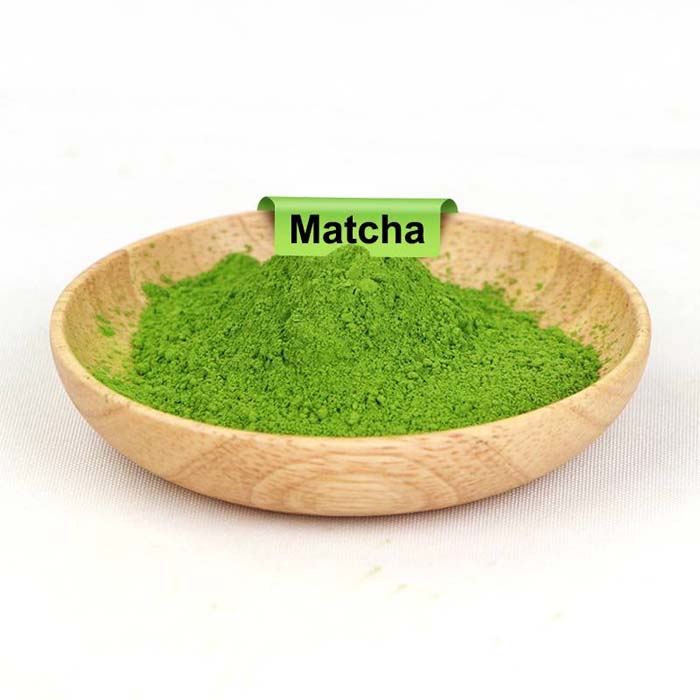
The relationship between organic certification and flavor stability in matcha is profound and scientifically grounded. Unlike conventional farming methods that may introduce chemical residues and environmental stressors, organic cultivation creates a consistent growing environment that promotes stable flavor compound development in tea plants.
Our certified organic matcha undergoes rigorous testing and verification processes that ensure not only compliance with organic standards but also preservation of the delicate flavor compounds that define premium matcha quality. This systematic approach results in a more predictable and stable flavor experience compared to conventionally grown alternatives.
Organic Standards as Flavor Guardians
How Certification Ensures Consistent Taste
The organic certification process encompasses comprehensive standards that directly impact flavor stability. These include soil management practices, water quality requirements, and processing protocols that preserve the natural flavor compounds developed during cultivation.
| Aspect | Organic Standards | Conventional Approach |
|---|---|---|
| Soil Health | Natural composting, crop rotation | Synthetic fertilizers |
| Pest Management | Natural predators, organic solutions | Synthetic pesticides |
| Water Sources | Tested for purity, no chemical runoff | Potential contamination |
| Processing | Minimal intervention, natural methods | Chemical processing aids |
These organic standards create an environment where tea plants develop their natural flavor compounds without interference from synthetic substances. The result is a more stable and consistent flavor profile that reflects the true character of the tea variety and terroir.
The Science Behind Flavor Stability
Organic farming practices promote healthier soil ecosystems that contribute to more consistent nutrient uptake by tea plants. This consistency in nutrition translates to predictable levels of amino acids, particularly L-theanine, which contributes to matcha's characteristic umami flavor. Additionally, the absence of synthetic chemicals allows for natural pest and disease resistance mechanisms to develop, resulting in healthier leaves with better flavor compound concentration.
Key Insight: Studies have shown that organically grown tea plants often develop higher concentrations of beneficial compounds due to the stress response triggered by natural growing conditions. This biological response contributes to both flavor complexity and stability.
Environmental Factors and Consistency
Organic certification requires monitoring and maintaining specific environmental conditions around tea plantations. This includes buffer zones to prevent contamination, biodiversity requirements that support ecosystem balance, and detailed record-keeping of all inputs and practices. These measures create a controlled environment that minimizes variables affecting flavor development.
Processing Excellence Under Organic Standards
From Leaf to Powder - Maintaining Flavor Integrity
The organic certification extends beyond cultivation to include processing standards that preserve flavor compounds. Our certified matcha undergoes stone grinding in facilities that meet organic processing requirements, ensuring no cross-contamination with non-organic materials and maintaining the integrity of the delicate flavor compounds developed during organic cultivation.
Temperature control, humidity management, and timing of processing steps are all carefully monitored under organic standards to optimize flavor preservation. This attention to detail during processing contributes significantly to the stable flavor profile that certified organic matcha consistently delivers.
Long-term Flavor Stability Benefits
Certified organic matcha maintains its flavor integrity over longer storage periods compared to conventionally grown alternatives. The absence of chemical residues means fewer potential reactions that could degrade flavor compounds over time. Additionally, the organic certification process includes specific storage and handling requirements that further contribute to maintaining flavor stability throughout the product lifecycle.
Consumer Experience and Quality Assurance
When consumers choose our certified organic matcha, they can expect consistent flavor experiences with each purchase. The organic certification provides a guarantee that the matcha has been produced under conditions designed to maintain flavor stability from farm to cup. This reliability builds consumer trust and ensures that the premium investment in organic matcha delivers consistent returns in flavor quality.
The stable flavor profile of certified organic matcha also makes it ideal for commercial applications where consistency is paramount. Chefs, beverage creators, and food manufacturers can rely on the predictable flavor characteristics of our certified organic matcha to create consistent end products that meet customer expectations every time.
Conclusion
Organic certification is far more than a compliance requirement—it's the foundation for achieving stable, consistent flavor profiles in premium matcha. The combination of natural cultivation practices, environmental stewardship, and rigorous processing standards creates an environment where tea plants can develop their best flavors naturally and consistently.
Our commitment to organic certification ensures that every batch of matcha delivers the stable, pure flavors that discerning consumers expect. By choosing certified organic matcha, you're not just selecting a product that meets organic standards—you're choosing a flavor experience that is guaranteed to remain consistent, pure, and exceptional in every cup.


