





















In the world of specialty coffee, a "Blue Mountain" blend that contains only 10% Blue Mountain beans would be considered fraudulent. Yet, in the matcha industry, this practice is rampant. Suppliers frequently mix high-quality First Flush (Ichibancha) tea with lower-grade Second Flush (Nibancha), third harvests, or even unshaded green tea powder, and label the final product as "Premium Ceremonial Grade."
For B2B buyers, this creates a significant risk. You may be paying $150/kg for a product that costs the supplier $40/kg to produce. Beyond the financial loss, serving inconsistent or bitter matcha damages your brand’s reputation with discerning customers who can taste the difference between pure umami and blended astringency.
This guide provides a forensic look at how blending works, why it happens, and most importantly, a 10-Point Red Flag Checklist to help you audit your current suppliers and negotiate better contracts.
1. The Economics of Blending: Why Suppliers Do It
To understand the fraud, you must understand the supply chain. True "Ceremonial Grade" matcha comes exclusively from the first harvest of young, shade-grown tea leaves. It is labor-intensive, low-yield, and expensive.
However, the global demand for matcha has outpaced the supply of premium Tencha. To meet volume requirements without raising prices, suppliers engage in Strategic Blending:
- The Color Fix: Adding a small amount of vibrant First Flush powder to a large batch of yellowish Second Flush powder to achieve a "green enough" appearance.
- The Umami Mask: Using flavor enhancers or sweeteners in pre-mixed latte powders to hide the bitterness of older leaves.
- The Origin Obfuscation: Mixing Japanese tea with cheaper Chinese green tea powder, which lacks the specific shading process but looks similar when dry.
Blending itself is not illegal. In fact, many reputable houses blend different cultivars (e.g., Okumidori and Samidori) to create a consistent flavor profile. The fraud lies in misrepresentation: selling a blend as 100% First Flush Ceremonial Grade.
2. The Procurement Red Flag Checklist
Use this checklist during your next supplier evaluation or quality control session. If a supplier triggers more than two of these flags, proceed with extreme caution.
| Red Flag Indicator | What It Means | Risk Level |
|---|---|---|
|
1. Price Below Market Average If it’s significantly cheaper than competitors, it’s likely blended with lower-grade tea or non-Japanese origin. |
Premium Ichibancha has a high floor price due to labor and shading costs. A "too good to be true" price is the biggest indicator of dilution. | HIGH |
|
2. Vague Origin Stories Supplier says "Product of Japan" but cannot specify the prefecture (Uji, Nishio, Yame) or farm. |
Lack of traceability often means the tea is sourced from multiple bulk aggregators, increasing the likelihood of inconsistent blending. | HIGH |
|
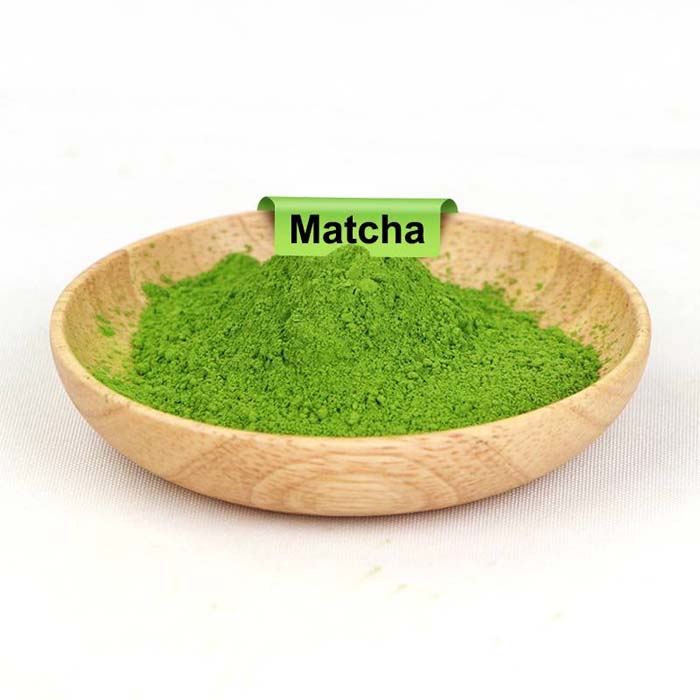
3. Yellowish or Dull Green Color The powder lacks the vibrant electric emerald hue of fresh chlorophyll-rich tea. |
Indicates older leaves (Second Flush) or improper storage. High-quality ceremonial matcha should be neon bright. | MEDIUM |
|
4. Bitter Aftertaste A sharp, astringent bite that lingers on the tongue after drinking. |
True ceremonial matcha is sweet and umami-forward. Bitterness indicates high catechin levels from older leaves or sun-exposed tea. | HIGH |
|
5. Poor Solubility / Clumping The powder forms hard clumps that are difficult to whisk away. |
Suggests improper stone-grinding or higher moisture content. It may also indicate the presence of fillers or coarser leaf particles. | MEDIUM |
|
6. No Harvest Date Provided Supplier only provides a "Best By" date, not the harvest date. |
Matcha degrades rapidly. Without a harvest date, you might be buying old stock that has been blended to mask staleness. | HIGH |
|
7. Refusal to Provide Samples Supplier insists on bulk purchase without prior testing. |
A confident supplier knows their product is consistent. Refusal suggests they fear you will detect the blend in a side-by-side comparison. | HIGH |
|
8. Inconsistent Batch Colors One shipment is bright green, the next is duller. |
Indicates unstable sourcing. They are likely buying whatever bulk powder is available on the spot market rather than from a dedicated farm. | MEDIUM |
|
9. Lack of JAS Organic Certification Claims to be "Natural" but lacks official JAS or USDA Organic seals. |
While not all premium tea is organic, the lack of certification makes it harder to verify that no synthetic pesticides were used, which is common in lower-grade mass production. | MEDIUM |
|
10. Generic Packaging Bulk bags with no lot numbers or traceability codes. |
Makes it impossible to track issues back to the source. Professional suppliers label every batch for quality control. | MEDIUM |
3. How to Conduct a Blind Taste Test
Don’t rely on the supplier’s word. Conduct a simple internal cupping session. Prepare three samples: your current supply, a known premium benchmark, and a known culinary grade.
- Color: Vibrant Neon Green
- Aroma: Sweet, marine, fresh grass
- Taste: Strong Umami, creamy texture, zero bitterness
- Finish: Lingering sweetness
- Color: Dull Olive or Yellow-Green
- Aroma: Hay-like, roasted, or faint
- Taste: Astringent, bitter, thin body
- Finish: Dry mouthfeel, quick fade
The Whisk Test: Whisk each sample with water only (no milk/sugar). Pure ceremonial matcha will form a thick, stable foam with fine bubbles. Blended or lower-grade matcha will have larger, unstable bubbles that dissipate quickly, revealing a watery liquid underneath.
4. Protecting Your Business: Contractual Safeguards
Once you’ve identified the red flags, use your purchasing power to enforce quality. Include these clauses in your supply agreements:
A. Specification of Harvest Window
Require that "Ceremonial Grade" products consist of at least 90% First Flush (Ichibancha) harvested in the current year. Define "First Flush" clearly as leaves harvested between late April and early May.
B. Right to Audit & Third-Party Testing
Include a clause that allows you to send random samples to a third-party lab for analysis of L-Theanine and Caffeine content. High L-Theanine (>2.5%) is a chemical marker of high-quality shaded tea. If the test fails, the supplier covers the cost and replaces the batch.
C. Traceability Requirements
Mandate that every bulk shipment includes a Lot Number that can be traced back to the specific farm cooperative and harvest date. This prevents suppliers from swapping in older stock.
Frequently Asked Questions
Is "Blended" matcha always bad?
No. Master blenders often mix different cultivars (like Asahi and Samidori) to create a complex flavor profile. The issue is deceptive blending—mixing high and low grades to sell the low grade at a high price. Always ask if the blend is for flavor consistency or cost reduction.
Can I detect blending by looking at the powder under a microscope?
Yes, to an extent. Pure stone-ground matcha has irregular, flaky particle shapes. Machine-ground or blended powders often have more uniform, spherical particles or visible fragments of stems and veins. However, this requires specialized equipment and expertise.
What is the acceptable price range for true Ceremonial Matcha?
As of 2026, wholesale prices for authentic, single-origin Japanese Ceremonial Matcha typically range from $100 to $200 per kilogram. Anything below $80/kg is highly likely to be a blend or Second Flush. Retail prices will naturally be higher.
How does storage affect the detection of blending?
Poor storage (heat/light) oxidizes matcha, turning it brown and bitter. Suppliers may blend fresh green powder with oxidized brown powder to "average out" the color. This is why checking the harvest date and storage conditions is crucial.


