




















If you walk into a specialty tea shop in Kyoto or speak with a wholesale broker in Shizuoka, you will rarely hear the terms "Ceremonial Grade" or "Culinary Grade." These are marketing inventions created for Western consumers. Instead, industry insiders use a nuanced alphanumeric system: A1, A2, A3, B1, B2...
For café owners and procurement managers, understanding this unofficial hierarchy is crucial. It allows you to bypass marketing fluff and source tea based on objective sensory metrics. Using an A1 tea for a blended frappe is financial suicide; using an A5 tea for a traditional usucha service is brand suicide. This guide decodes the A1-A5 spectrum, helping you make data-driven purchasing decisions.
1. The Color Spectrum: A Visual Indicator of Quality
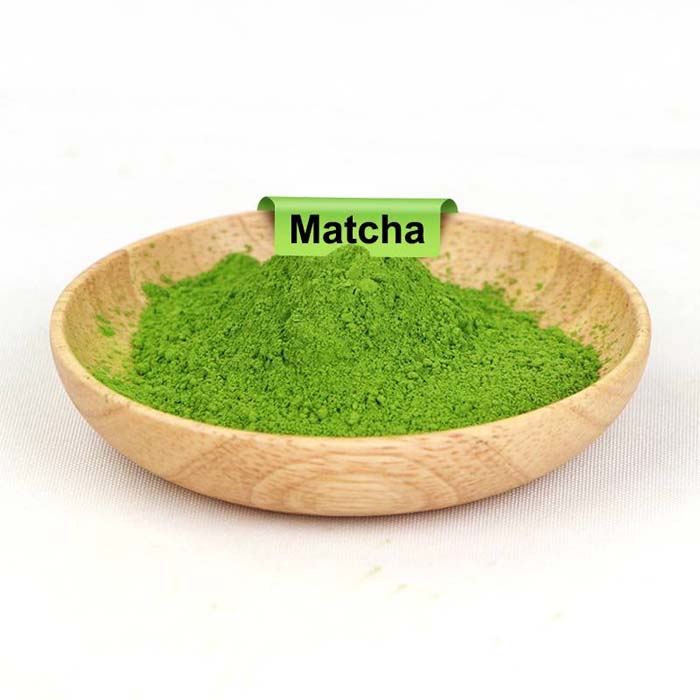
Before you even taste the tea, the color tells you its grade. The vibrant green color comes from chlorophyll, which increases when tea plants are shaded. Higher grades are shaded longer and harvested earlier, resulting in higher chlorophyll content.
- A1 (Neon Emerald): Electric, bright, almost glowing green. Indicates high L-Theanine and low catechins.
- A3 (Fresh Grass): A standard, pleasant green. Not dull, but lacks the "electric" vibrancy of A1.
- A5 (Olive/Yellow): Duller, yellowish-green. Indicates more sunlight exposure, leading to higher bitterness and lower umami.
2. Decoding the Grades: A1, A3, and A5
While definitions vary slightly between brokers, the following standards are widely accepted in the Japanese domestic market.
3. Head-to-Head: Chemical & Sensory Analysis
| Metric | A1 (Premium) | A3 (Standard) | A5 (Utility) |
|---|---|---|---|
| L-Theanine (Umami) | Very High (>30mg/g) | Moderate | Low |
| Catechins (Bitterness) | Very Low | Moderate | High |
| Particle Size | Ultra-fine (3-5 microns) | Fine (5-10 microns) | Coarser (>10 microns) |
| Foam Stability | Thick, creamy, long-lasting | Good, but dissipates faster | Poor, large bubbles |
| Price Point (Wholesale) | $$$ ($150-$300/kg) | $$ ($80-$150/kg) | $ ($30-$80/kg) |
4. Strategic Menu Application: Maximizing ROI
The biggest mistake cafés make is using a single grade for all applications. To maximize profit margins without sacrificing quality, adopt a Tiered Sourcing Strategy.
The "Pure" Tier: Use A1
When a customer orders a traditional matcha tea (hot or cold), they are tasting the leaf directly. Any bitterness here is perceived as a defect. A1 grade ensures a sweet, complex experience that justifies a premium price point ($6-$8 per cup). The high L-Theanine content also provides the "calm energy" marketing angle.
The "Signature" Tier: Use A3
For lattes, the fat and sugar in milk mask the subtle umami of A1, but the bitterness of A5 can still punch through. A3 is the "Goldilocks" grade: it has enough body to stand up to milk, enough sweetness to balance well, but costs 40% less than A1. This is your volume driver.
The "Utility" Tier: Use A5
In baking (cookies, cakes) or fruit smoothies, the delicate flavors of A1 and A3 are completely obliterated by heat and other ingredients. Using A1 here is throwing money away. A5 provides the necessary green color and antioxidant benefits at the lowest possible cost. Its robust flavor holds up well against chocolate and banana.
Be wary of suppliers who claim their A5 grade is "Ceremonial." While technically drinkable, it will not meet the sensory expectations of a purist. Always request samples and perform a blind taste test before signing bulk contracts.
5. How to Verify Grade: Questions to Ask Suppliers
Since "A1" is not a legally protected term, you must verify quality through questioning. Here are three critical questions to ask your broker:
-
"What is the harvest date and specific flush?"
A true A1 should be from the first flush (April/May). If they say "Summer harvest," it’s likely A3 or lower. -
"What is the shading duration?"
Look for 20+ days for A1. Less than 15 days usually results in lower L-Theanine levels (A3/A5). -
"Can you provide a lab analysis for L-Theanine and Caffeine?"
High-end brokers will have this data. An L-Theanine level above 30mg/g is a strong indicator of A1 quality.
Frequently Asked Questions
Is A2 better than A3?
Yes, typically. The scale usually runs A1 (best), A2, A3, A4, A5. A2 is very close to A1 but might lack the intense "neon" color or have a slightly less complex aroma. It’s often used by high-end cafés that want near-ceremonial quality at a slightly lower cost.
Can I use A1 for baking?
You can, but it’s not recommended. Heat degrades the delicate amino acids that make A1 special. You won’t taste the difference between A1 and A5 in a cookie, but you will pay 3x the price. Save A1 for drinking.
Why does my A3 matcha taste bitter?
A3 has more catechins than A1. If you use water that is too hot (over 80°C/175°F), you will extract excessive bitterness. Try lowering your water temperature or adding a bit more sweetener/milk to balance the profile.
Does the region matter (Uji vs. Nishio)?
Yes. Uji (Kyoto) is famous for traditional, complex flavors. Nishio (Aichi) is known for vibrant color and mass production consistency. Both produce A1-A5 grades, but Uji A1 tends to command a higher prestige price.


