
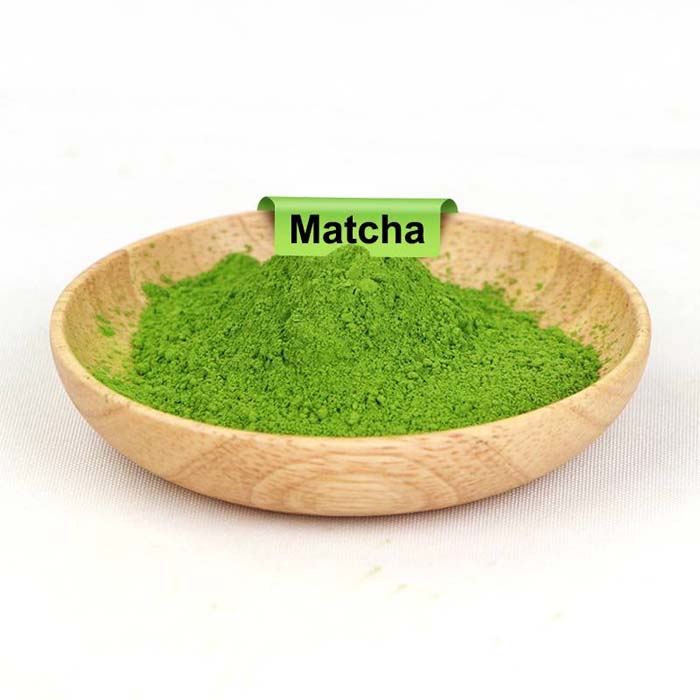


























Matcha is uniquely vulnerable among agricultural commodities. Unlike coffee beans, which benefit from a resting period, or black tea, which is fully oxidized during processing, matcha is a suspended powder of unoxidized green tea leaves. Its value proposition relies entirely on the preservation of chlorophyll (color), L-theanine (umami), and volatile aromatic compounds (fragrance). These components are chemically unstable and highly sensitive to oxygen, heat, and light.
For importers and supply chain managers, the choice between air freight and sea freight is not merely a financial calculation of dollars per kilogram. It is a strategic decision that determines the sensory profile of the final product. While air freight offers speed, it comes at a premium that can erode margins. Sea freight offers economies of scale but introduces prolonged exposure to potential thermal fluctuations. This analysis dissects the physiological impact of each logistics method on matcha quality and evaluates the true total cost of ownership (TCO).
1. The Chemistry of Degradation: Why Time and Temperature Matter
To understand the logistics dilemma, one must first understand the degradation mechanisms of matcha. Three primary chemical reactions occur during transit:
Chlorophyll Photodegradation
Chlorophyll gives matcha its vibrant neon green color. When exposed to light and heat, chlorophyll breaks down into pheophytin, which has an olive-brown hue. This reaction is accelerated by temperatures above 25°C (77°F). A shift from bright green to dull yellow is the most visible indicator of quality loss, often perceived by consumers as "stale" or "old."
L-Theanine Oxidation
L-Theanine is the amino acid responsible for matcha's savory umami taste and calming effects. Over time, especially in the presence of oxygen and moisture, L-Theanine degrades into simpler compounds, reducing the sweetness and complexity of the tea. This leads to a flatter, more one-dimensional flavor profile.
Lipid Oxidation
Matcha contains natural oils. When these oils oxidize, they produce rancid off-flavors often described as "cardboard-like" or "fishy." This process is significantly slower than chlorophyll degradation but is irreversible and particularly detrimental to high-grade ceremonial matcha.
The rate of these chemical reactions doubles for every 10°C increase in temperature (Q10 coefficient). Therefore, a 10-day journey in a hot shipping container can cause more damage than a 30-day journey in a refrigerated hold.
2. Comparative Analysis: Air vs. Sea Logistics
The following table outlines the operational differences between the two primary modes of transport for matcha imported from Japan to North America or Europe.
| Metric | Air Freight | Sea Freight (Dry) | Sea Freight (Reefer) |
|---|---|---|---|
| Transit Time | 3 - 7 Days | 30 - 45 Days | 30 - 45 Days |
| Temperature Stability | High (Cargo hold ~15-20°C) | Low (Subject to ambient swings) | High (Controlled 5-10°C) |
| Humidity Control | Low Humidity (Risk of drying) | Variable (Risk of condensation) | Controlled |
| Cost per KG | High ($4.00 - $8.00+) | Very Low ($0.50 - $1.00) | Medium ($1.50 - $2.50) |
| Carbon Footprint | Very High | Low | Low-Medium |
| Quality Retention | Excellent (>95%) | Moderate (70-85%) | Good (85-90%) |
3. Quality Impact: Visualizing the Loss
The following chart illustrates the estimated retention of key quality markers (Color and Umami) after transit, assuming standard packaging (nitrogen-flushed foil bags) but different environmental conditions.
As demonstrated, air freight preserves the delicate sensory attributes of matcha far superiorly. However, the question remains: does this quality difference justify the cost differential?
4. Financial Implications: Beyond the Freight Rate
A simplistic view compares only the freight invoice. A strategic view considers the Total Landed Cost (TLC) and Return on Inventory (ROI).
The Cost of Capital
Sea freight ties up capital for 45-60 days (including production, port handling, and customs). For a company with $1 million in annual inventory, this delay represents significant opportunity cost. Air freight, with its 7-day cycle, allows for faster inventory turnover and quicker response to market trends.
The Cost of Quality Failure
If a sea shipment arrives with oxidized matcha, the financial impact is twofold: the loss of the product value and the potential damage to brand reputation. For premium brands selling "Ceremonial Grade," even a slight yellowing can lead to customer churn. The cost of acquiring a new customer often exceeds the savings from using sea freight.
Volume Discounts vs. Flexibility
Sea freight requires large minimum order quantities (MOQs), typically full containers (20ft or 40ft). This forces importers to predict demand months in advance, increasing the risk of overstocking. Air freight allows for smaller, more frequent shipments, enabling a Just-In-Time (JIT) inventory model that reduces warehousing costs and waste.
5. Strategic Framework: The Hybrid Model
Rather than choosing one method exclusively, sophisticated supply chains employ a hybrid strategy based on product grade and demand volatility.
Strategy A: The Premium Tier
Product: Ceremonial Grade (A1/A2)
Logistics: 100% Air Freight
Rationale: The high margin of ceremonial grade absorbs the freight cost. The primary value driver is freshness and color. Any degradation directly impacts the brand's core promise.
Strategy B: The Volume Tier
Product: Culinary/Latte Grade (A3/A5)
Logistics: Sea Freight (Reefer preferred)
Rationale: Margins are thinner, and the tea is mixed with milk or baked. Minor color degradation is less noticeable. Reefer containers mitigate the worst thermal risks.
Strategy C: The Buffer Stock
Product: Best-Selling SKUs
Logistics: Sea Freight (Base) + Air (Top-up)
Rationale: Maintain 3 months of stock via sea freight for stability. Use air freight for unexpected demand spikes or to bridge gaps between sea shipments.
Strategy D: Seasonal Adjustment
Product: All Grades
Logistics: Dynamic Mode Selection
Rationale: During Japanese summer (June-August), switch to Air Freight or mandatory Reefer for all grades due to extreme container temperatures. In winter, standard dry sea freight is safer.
6. The Role of Packaging in Logistics
Logistics strategy cannot be separated from packaging technology. The right packaging can make sea freight viable for higher grades, while poor packaging can ruin matcha even on a plane.
- Nitrogen Flushing: Essential for all grades. Removes oxygen from the bag before sealing, slowing oxidation. Must be verified with residual oxygen analyzers (<1% O2).
- Multi-Layer Foil: Provides a barrier against light and moisture. PET/Aluminum/PE structures are standard. Avoid transparent windows for long-distance sea freight.
- Thermal Insulation: For sea freight, placing foil bags inside insulated boxes or using thermal blankets within the container can buffer against temperature spikes during port handling.
- Data Loggers: Placing USB temperature/humidity loggers in shipments provides empirical data on conditions during transit. This is crucial for insurance claims and supplier accountability.
Conclusion
The choice between air and sea freight for matcha is not binary. It is a multidimensional decision involving chemistry, finance, and risk management. Air freight is the gold standard for quality preservation, ensuring that the consumer experiences the tea as the farmer intended. However, its high cost restricts its use to premium segments or emergency replenishment.
Sea freight, particularly when utilizing refrigerated containers, offers a viable compromise for volume grades, provided that the supply chain is monitored for thermal excursions. The most successful importers do not rely on a single method but instead deploy a dynamic, hybrid logistics model that aligns the mode of transport with the specific grade of tea, the season of harvest, and the volatility of market demand. By understanding the science of degradation and the economics of inventory, businesses can optimize both their margins and their product quality.


