






0086-199 9282 1268 info@amulyn.com
> Blog > Industry > Ceremonial vs. Barista vs. Culinary Grade: Which Matcha Belongs on Your Small Café Menu?

Ceremonial vs. Barista vs. Culinary Grade: Which Matcha Belongs on Your Small Café Menu?

Time : 2026.08.21 Page View : 7 Author : AMULYN

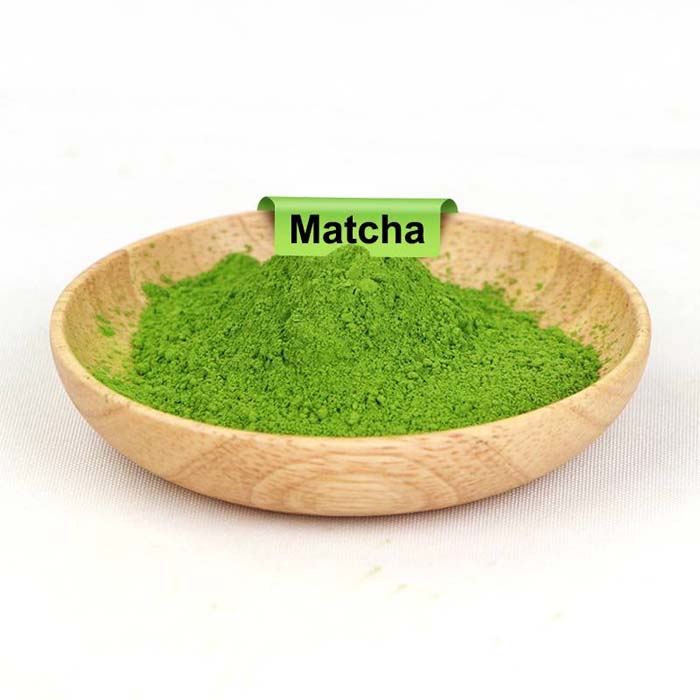
Small café owners are often asked to choose between three labels: Ceremonial, Barista and Culinary Matcha. The names sound like a clear hierarchy, but they usually describe different commercial positions and intended applications rather than one universally enforced international grading system.

That distinction matters. A powder that performs beautifully as a straight tea may be unnecessarily expensive for a sweetened latte. A Culinary-positioned powder may work well in a cake or filling but create too much bitterness in a simple drink. A Barista-positioned powder may be the most practical choice for a milk-based menu, but only if it passes the actual recipe and service test.

The short answer: Ceremonial usually points toward a premium direct-drinking experience, Barista usually points toward milk-based and café beverage performance, and Culinary usually points toward baking, desserts and recipes with stronger supporting flavors. For a small café, the best choice is the label that matches the menu application, customer expectation, consistency requirement and cost per usable serving.

1. What These Three Labels Usually Mean—and What They Do Not Prove

The Japan Matcha Association describes matcha as powdered tencha made by steaming fresh tea leaves, drying them without rubbing and grinding them into powder. That production background helps define matcha itself. It does not automatically make Ceremonial, Barista or Culinary a single global grading code.

In supplier conversations, the labels can be useful shorthand. They become risky when the café treats them as complete specifications without asking what each supplier means by the term.

What the labels may communicate

  • Ceremonial: A premium drinking position, often associated with a smoother and more layered direct-tea experience.
  • Barista: A café beverage position, often associated with color, flavor strength, milk compatibility and repeatable service.
  • Culinary: A food application position, often associated with baking, dessert, fillings, sauces or recipes with other strong flavors.
  • All three: Commercial descriptors that require supplier-specific clarification.

What the labels do not prove alone

  • Origin, cultivar, harvest timing or whether the powder is single-origin.
  • A universal color value, particle-size range, chemistry profile or contaminant result.
  • Performance in the café's water, milk base, syrup, ice or food matrix.
  • Batch consistency, packaging quality, storage suitability or long-term supply continuity.
Procurement principle

Ask the supplier to define the label in writing, then test the powder in the finished application. The grade name starts the conversation; the product specification and sample result finish it.

2. Ceremonial vs. Barista vs. Culinary: The Practical Comparison

The table below is a working commercial comparison, not a universal industry standard. Actual performance can overlap between categories, so the supplier's specification and your own sample test remain decisive.

Decision Area Ceremonial Position Barista Position Culinary Position
Primary use Straight tea or simple premium preparation. Latte, iced drink, smoothie, refresher or café beverage. Bakery, dessert, sauce, filling or compound recipe.
Flavor expectation Smooth, layered, sweet or umami-led drinking profile. Clear tea character that remains visible after milk and sweetener. More robust flavor that can work with sugar, fat, flour, chocolate or fruit.
Color question How does it look in a simple tea preparation? How does it look after dilution in the customer's cup? Does the color remain suitable after mixing, baking or processing?
Operational focus Preparation quality and direct tasting. Speed, dispersion, recipe repeatability and staff consistency. Mixing, heat exposure, dosage tolerance and matrix compatibility.
Cost logic Customer pays for a direct tea experience. Cost must work at the approved latte dosage and menu price. Cost must work across the finished recipe and production yield.
Most important test Side-by-side tasting with water. Side-by-side testing in the actual café beverage. Testing in the actual baked or dessert product.

3. When Ceremonial-Positioned Matcha Belongs on the Menu

Ceremonial-positioned matcha makes the most sense when the tea itself is the product rather than a supporting ingredient. The simpler the preparation, the more customers can perceive aroma, mouthfeel, sweetness, bitterness and aftertaste.

01 Straight Tea

The customer drinks the matcha with minimal milk, sugar or flavor masking. Sensory balance becomes the main value.

02 Premium Tasting

The café wants a guided tea experience, a tasting flight or a menu item where origin and preparation are central.

03 Simple Signature

The drink contains few ingredients, so the powder's aroma, texture and finish remain visible to the customer.

Check whether the premium benefit is visible

If the café serves a simple, tea-forward drink, a premium drinking profile may justify its menu position. If the product is a heavily sweetened latte with syrups, cream and toppings, the café should confirm that customers can actually perceive the difference before accepting the higher cost.

Do not use the label as a price explanation

A menu can describe a premium matcha, but the customer experience must support the claim. A premium term cannot compensate for weak preparation, inconsistent color or an aftertaste that customers dislike.

4. Why Barista-Positioned Matcha Is Often the Starting Point for Lattes

A matcha latte is not simply matcha plus milk. Milk, plant-based alternatives, sweetener, ice, water quality and preparation method change how the powder is perceived. A beverage-focused specification therefore needs to be judged in the complete drink.

Barista Evaluation What to Look For Why It Matters in Service
Color in milk Clear, attractive and repeatable color after the approved dilution. The customer sees the finished drink, not the dry powder.
Dispersion Low clumping, manageable whisking or mixing and limited sediment. Reduces training burden, remakes and variation between staff.
Flavor strength Tea character remains present without forcing excessive dosage. Protects recipe economics and keeps the drink recognizable.
Bitterness control Balanced bitterness and astringency after milk and sweetener. A harsh finish can reduce repeat purchase or lead to excessive sweetener.
Service repeatability Different baristas can produce a similar cup using the same method. Consistency is part of the café's brand experience.
Lot continuity New shipments can be compared with an approved retained sample. Prevents a signature drink from changing without operational review.
Barista-grade buying rule

Do not approve a Barista-positioned powder because the name sounds made for cafés. Approve it when the powder performs in the café's actual milk base, dosage, preparation time and service workflow.

5. When Culinary-Positioned Matcha Belongs on a Café Menu

Culinary-positioned matcha is not automatically “bad matcha.” It is usually evaluated against a different job: contributing tea flavor and color inside a recipe with sugar, fat, flour, chocolate, fruit or other strong ingredients.

Culinary Application What the Powder Must Do What to Test
Cookies and cakes Distribute through dough or batter and retain an intentional tea color and flavor after baking. Heat exposure, bitterness, color shift, mixing and dosage tolerance.
Cheesecake and cream Blend into a fat- and dairy-based matrix without excessive clumping or harsh aftertaste. Dispersion, flavor release, color after chilling and texture.
Chocolate and confectionery Work with cocoa, sugar and fat while preserving a recognizable matcha identity. Fat compatibility, sweetness balance, particle perception and storage.
Sauces and toppings Provide a repeatable color and flavor in a controlled wet or semi-wet system. Suspension, separation, reheating and service stability.
Seasonal desserts Offer a cost-efficient way to create a limited menu item without using a straight-drinking specification. Finished-product performance and whether the customer can perceive the intended value.

A Culinary-positioned powder may be appropriate for a café's dessert line even when a Barista-positioned powder is used for beverages. The two products should not be compared only by color in the bag; compare them in the matrix where they will actually be used.

6. The Metrics That Matter More Than the Grade Label

Small cafés do not need to buy a laboratory-grade testing program for every product. They do need to turn broad grade names into practical approval criteria.

ColorPowder appearance and finished-drink or dessert appearance.
FlavorAroma, umami, bitterness, astringency and aftertaste.
HandlingDispersion, clumping, settling and staff repeatability.
BusinessDosage, waste, pack size, cost and supply continuity.
Approval Question Evidence to Collect Why It Matters
Does the color fit the menu promise? Same dosage in water, milk and the final food matrix. Customers judge the finished product, not the label.
Does the flavor fit the recipe? Side-by-side tasting at the actual serving dosage. Prevents overpaying for a profile customers cannot perceive.
Can staff prepare it consistently? Service test by more than one barista. Reduces operational variation and remakes.
Can the supplier repeat the lot? Retained sample, lot information and change-notification process. Protects the signature menu item over time.
Does the cost work? Cost per usable serving, including dosage and measured waste. Connects quality choice to sustainable menu economics.
Are documents adequate? Specification, COA where available, storage and relevant safety documents. Supports supplier approval and responsible purchasing.

7. Can a Small Café Use More Than One Matcha Grade?

Yes, if the menu has enough volume and operational discipline to manage separate specifications. Using one powder for every product may simplify purchasing, but it can also force the café to overpay for desserts or compromise the quality of a premium straight-tea item.

One powder for the whole menu

  • Simpler inventory and staff training.
  • One approved supplier relationship and one retained sample.
  • Useful when the menu is small and the powder performs acceptably across applications.
  • Risk: the powder may be overqualified for some uses or underperform in others.

Two or more application specifications

  • Better alignment between straight tea, latte and dessert requirements.
  • Potentially better cost control through application-based sourcing.
  • Useful when beverage and dessert volumes are both meaningful.
  • Risk: more inventory, labels, training, storage and lot controls.
Small-café decision rule

Use more than one specification only when the performance or cost benefit is visible enough to justify the extra inventory and training. Otherwise, choose one versatile beverage-focused powder and validate it across the limited menu.

8. A Practical Grade-Selection Process

The easiest way to avoid label-driven purchasing is to follow the same decision sequence for every supplier sample.

Define the menu role

Choose straight tea, latte, creative beverage, bakery, dessert or more than one approved application.

Request relevant samples

Ask for Ceremonial, Barista or Culinary-positioned samples only as starting points for the intended use.

Test the final recipe

Use the actual water, milk, dosage, process, service timing or food matrix.

Approve the full supply case

Review performance, documents, lot control, pack format, cost per usable serving and lead time.

Supplier questions to include in the inquiry

  • What does the grade term mean in your current product specification?
  • Which application is the product designed for, and what dosage do you recommend?
  • How does it perform in milk, plant-based beverages or dessert matrices?
  • What are the origin, processing and packaging details you can document?
  • How do you manage lot-to-lot color and flavor consistency?
  • What specification sheet, COA, microbiological and contaminant documents are available for the destination market?
  • What storage conditions, pack sizes, MOQ and repeat-order lead time should the café plan for?
  • How will changes to raw material, processing, packaging or specification be communicated?

Conclusion: Choose the Matcha That Fits the Cup

There is no universal winner between Ceremonial, Barista and Culinary Matcha. Each label can point toward a different commercial job, but none of the labels replaces a clear specification and a finished-product test.

  1. Choose Ceremonial-positioned matcha when the menu is centered on straight drinking or a simple premium tea experience.
  2. Choose Barista-positioned matcha when the café's core product is milk-based, iced or service-intensive beverages.
  3. Choose Culinary-positioned matcha when the main use is baking, dessert, chocolate, sauce or another compound recipe.
  4. Use more than one specification only when the performance and cost benefit justifies the extra inventory and controls.
  5. Approve by evidence: color, flavor, dispersion, dosage, batch consistency, documents, usable cost and customer response.

The right matcha for a small café is not the product with the most impressive title. It is the powder that makes the intended menu item taste and look right, can be prepared consistently during service and can be purchased again without changing the customer experience.

Matcha Grade Selection FAQ for Small Cafés

What is the difference between Ceremonial, Barista and Culinary Matcha?

These are commonly used commercial descriptors rather than a single universally enforced international grading system. Ceremonial usually signals a premium straight-drinking position, Barista a milk-based or café beverage position, and Culinary a baking, dessert or compound-recipe position.

Which matcha is best for a small café latte menu?

A Barista-positioned matcha is often the logical starting point, but compare color in milk, flavor balance, dispersion, dosage, staff repeatability, batch consistency and cost per usable serving in the actual recipe.

Should a café use Ceremonial Matcha for every drink?

Not necessarily. It may be valuable for a straight tea or simple signature item, while its extra cost may not create a visible benefit in a heavily sweetened latte or complex drink.

Is Culinary Matcha suitable for lattes?

Some Culinary-positioned powders can work in lattes, but others may be too bitter, dull or difficult to disperse. Test the powder in the finished café recipe before approval.

Can a small café use more than one matcha grade?

Yes, if the menu has enough volume and operational discipline to manage separate specifications, samples, storage and lot controls.

What should a café ask a matcha supplier before choosing a grade?

Ask what the grade term means in the supplier's specification, which application it is designed for, how it performs in milk or food matrices, what documents and lot information are available, how it is packed and stored, and whether repeat lots can match the approved sample.

Need Help Selecting Matcha for Your Café Menu?

Share your menu format, milk base, recipe dosage, target sensory profile, expected weekly usage, destination market and preferred pack size. AMULYN can use the brief to discuss application-appropriate matcha options, samples and repeat supply.

Submit an Inquiry Email the Project Brief

1208, Building B, Huixin 1BC, No. 1 Zhang Bayi Road, High-tech Zone, Xi'an, Shaanxi, China

0086-199 9282 1268

info@amulyn.com

Linkedin Youtube Facebook Tiwtter TIKTOK

Copyright @ 2024 AMULYN Corp All rights reserved.

Technical Support | Site Map
Message Form

Company *

Name *

E-Mail *

Area Code *

Tel *

Classifly *

Country *

Detailed Description *