




















“Ceremonial grade” is one of the most persuasive phrases in the matcha market. It sounds traditional, premium and precise. For a small café owner, however, the phrase often creates more questions than it answers.
Does it tell you where the tea came from? Does it confirm how the powder was processed? Does it guarantee the color will hold in milk? Does it tell you whether the flavor is suitable for your recipe, whether the lot will remain consistent or whether the cost makes sense for your weekly sales?
1. Why “Ceremonial Grade” Sounds More Precise Than It Is
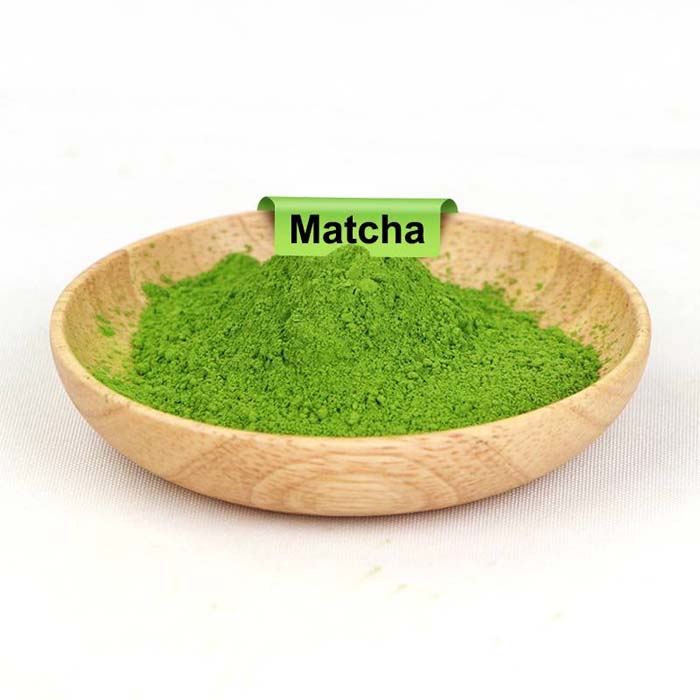
Matcha itself has a defined production tradition. The Japan Matcha Association describes matcha as powdered tencha, made by steaming fresh tea leaves, drying them without rubbing and grinding them into powder. That describes the tea and its processing tradition. It does not automatically create one global commercial grading system for every product sold under labels such as ceremonial, premium, classic or culinary.
In international commerce, “ceremonial grade” is often used to communicate an intended drinking experience: bright appearance, smooth mouthfeel, balanced taste and a premium tea ritual. Different suppliers may use the term with different internal criteria. That is why the label should not replace a specification sheet, sample test or batch discussion.
What the label may suggest
- A product positioned for drinking with water or a simple tea preparation.
- A preference for smoother flavor, fresh aroma and lower perceived harshness.
- A premium menu or retail story connected to Japanese tea culture.
- A higher price position compared with powders marketed for cooking or industrial use.
What the label does not prove by itself
- Origin, cultivar, harvest timing or whether the powder is a single-origin product.
- A specific particle-size distribution, color value or chemical composition.
- Performance in milk, plant-based beverages, ice, syrups or a café's water system.
- Batch-to-batch consistency, contaminant status, shelf-life handling or total landed cost.
Do not ask whether a powder is “really ceremonial” as if the word alone can settle the decision. Ask what the supplier means by the term and which measurable or testable properties support the claim.
2. Start With the Café Drink, Not the Grade Name
The right matcha depends on how customers will consume it. A powder used in a straight tea has a different job from a powder used in a sweetened latte, a fruit refresher or a seasonal dessert drink.
Priority: Aroma, smoothness, umami, sweetness, aftertaste and the quality of the simple preparation.
Ask: Does the powder remain balanced when there is little milk, sugar or flavoring to hide defects?
Priority: Color against milk, dispersion, flavor strength, bitterness control and repeatable barista handling.
Ask: Does the powder create the intended customer experience at the actual recipe dosage?
Priority: Compatibility with fruit, syrups, ice, sparkling water, cream toppings or other flavor systems.
Ask: Does the tea identity remain clear when the drink contains several other ingredients?
| Drink Situation | What to Evaluate | Why It Matters |
|---|---|---|
| Usucha-style or straight tea | Aroma, mouthfeel, sweetness, umami, bitterness and aftertaste. | The customer experiences the powder with limited masking from milk or sugar. |
| Milk-based latte | Color visibility, dispersion, bitterness, body and milk compatibility. | A beautiful dry powder can become weak or muddy after dilution. |
| Plant-based latte | Interaction with oat, soy, coconut or other bases; sweetness and texture. | Different bases can change bitterness, mouthfeel and perceived flavor strength. |
| Fruit or sparkling drink | Acidity, aroma, suspension, separation and flavor balance. | Fruit, carbonation and ice can expose stability problems that do not appear in a hot tasting. |
3. What Small Café Owners Should Actually Evaluate
A café does not need a laboratory for every decision. It does need a repeatable evaluation process that separates sensory preference from supplier documentation and commercial feasibility.
1. Color in the finished recipe
Color is often the first reason customers notice a matcha drink, but dry-powder color is not enough. Compare the samples at the same dosage in the café's actual water and milk system. Record whether the drink looks bright, dull, grey, yellow-green or uneven after the normal preparation period.
2. Flavor balance, not maximum intensity
A stronger tea flavor is not automatically a better café flavor. A matcha latte needs enough character to remain recognizable after milk and sweetener, but excessive bitterness or astringency can force the café to add more sugar or use a larger dosage. Evaluate the complete drink, including the aftertaste customers experience after the first few sips.
3. Dispersion and barista consistency
Ask how the supplier recommends preparing the powder and test whether different staff members can reproduce the same result. If the powder needs a complicated process, special water temperature or unusually long whisking, that operational requirement should be included in the cost and training decision.
4. Batch consistency
Request a retained reference sample and compare repeat lots against it. A small café builds its reputation through a signature drink; customers notice when color, aroma or bitterness changes even if the menu name stays the same.
4. Premium Drinking Matcha vs. Beverage-Focused Matcha
Small café owners often face a false choice: buy the most premium powder available or buy a lower-grade ingredient. A better choice is to compare two performance profiles against the intended drink.
| Decision Area | Premium Drinking Position | Beverage-Focused Position | Question for the Café |
|---|---|---|---|
| Primary use | Straight tea, premium tasting or simple preparation. | Latte, iced drink, smoothie, refresher or menu system with other ingredients. | What does the customer actually order? |
| Sensory target | Subtle aroma, smoothness, sweetness and layered tea character. | Clear tea identity after milk, sugar, ice or flavor additions. | Which profile survives the final recipe best? |
| Color target | Appearance judged in a simple tea preparation. | Visible and consistent color after dilution and service handling. | What color does the customer see in the cup? |
| Cost logic | Customer pays for a direct tea experience. | Cost must work against recipe dosage, menu price and repeat volume. | Are you paying for a benefit the customer can perceive? |
| Approval test | Side-by-side tasting with water. | Side-by-side tasting in the actual café recipe and service workflow. | Has the sample passed the right test? |
Using the most expensive drinking powder in every latte may add cost without adding a noticeable benefit. Conversely, a powder selected only for low price may create weak color, harsh flavor or inconsistent service. The correct decision is the best match between application performance and customer value.
5. The Supplier Questions That Matter More Than “Is It Ceremonial?”
A useful supplier conversation turns a broad marketing term into a specific product brief. Ask for explanations you can compare across suppliers.
- What does “ceremonial grade” mean in your current specification and intended application?
- Is the powder designed for straight drinking, milk beverages, food applications or more than one format?
- What are the origin, raw material, cultivation and processing details you can document?
- How should the sample be prepared for evaluation, and what dosage do you recommend for a latte?
- What color, aroma, bitterness and dispersion behavior should the buyer expect in the finished recipe?
- How do you control lot-to-lot consistency, and can you provide a retained reference sample?
- What are the pack sizes, storage conditions, lot information and reorder lead time?
- Which specification sheet, COA, microbiological and contaminant documents are available for the destination market?
- What changes require buyer notification, including raw material, processing, packaging or specification changes?
Instead of asking for “the best ceremonial matcha,” write: “We need a matcha for a milk-based café latte. Please recommend a sample with a clear green color after dilution, balanced bitterness, reliable dispersion, repeatable flavor and documentation suitable for our destination market.”
6. Run a Small Café Matcha Sample Test
The most valuable test is simple, controlled and repeatable. Use the same water, milk base, dosage, whisking method, cup size and service timing for every sample.
Prepare the brief
Define the drink, target flavor, color expectation, dosage, milk base, menu price position and weekly usage.
Compare samples
Test at least two relevant powders using the same preparation method and record sensory differences.
Test service reality
Ask more than one barista to prepare the drink and observe speed, clumping, settling and repeatability.
Approve with evidence
Combine sensory results, documents, pack format, cost per serving and supplier continuity before ordering.
| Test Item | Record | Decision Signal |
|---|---|---|
| Dry powder | Color, aroma, texture, caking and packaging condition. | Useful for initial screening, not final approval. |
| Water preparation | Aroma, bitterness, sweetness, umami, astringency and aftertaste. | Shows direct drinking profile. |
| Final latte | Color, mouthfeel, flavor strength, dispersion and settling. | Primary test for a milk-based café menu. |
| Service test | Preparation time, staff consistency, waste and customer description. | Shows operational and commercial fit. |
| Supplier file | Specification, lot information, COA and storage guidance. | Supports repeat procurement and risk control. |
7. How to Connect Quality With Cost
Small cafés should compare cost per usable serving, not only cost per kilogram. A powder with a lower quoted price may require a higher dosage, create more waste or produce a weaker drink that customers do not reorder.
Use the following internal comparison:
- Cost per serving = landed ingredient cost ÷ usable grams × grams used per serving.
- Usable cost = purchase cost + freight + handling + measured waste and rejected preparation.
- Menu fit = sensory performance + operational consistency + customer response + supply reliability.
These are management tools rather than universal industry formulas. Replace the variables with your actual supplier quote, recipe and sales data.
8. What “Good Matcha” Looks Like for Different Café Owners
There is no single answer because cafés have different customers, menus, equipment, service speeds and price positions. The right specification should reflect the business model.
| Café Situation | Most Important Requirement | What to Prioritize |
|---|---|---|
| New matcha menu | Low-risk testing and easy service. | 1kg or trial pack, balanced flavor, simple preparation and supplier sample support. |
| Specialty tea café | Direct tea experience. | Aroma, smoothness, sweetness, origin story and documented product identity. |
| High-volume latte café | Repeatable beverage performance. | Color in milk, dispersion, dosage efficiency, batch consistency and replenishment. |
| Seasonal concept café | Flexibility. | Smaller pack, reliable lead time, clear storage and ability to change the menu. |
| Café with desserts | Cross-application utility. | A powder that performs in drinks and selected bakery or dessert recipes after testing. |
Conclusion: Buy the Performance Your Café Can Prove
“Ceremonial grade” is not useless, but it is incomplete. It can help communicate a premium drinking intention, yet it cannot answer every question a small café owner must answer before committing to a supplier.
- Define the drink: Straight tea, latte, plant-based drink, fruit refresher or another application.
- Test the finished recipe: Evaluate color, flavor, dispersion, mouthfeel and service repeatability.
- Ask for evidence: Review specifications, lot information, COA and storage guidance where relevant.
- Compare usable economics: Consider dosage, waste, landed cost, customer response and supply continuity.
- Protect consistency: Keep a retained sample and define what happens when the supplier changes a lot or process.
The best matcha for a small café is not necessarily the product with the most impressive label. It is the powder that creates the right drink, works in the real workflow, fits the customer promise and can be purchased consistently at a sustainable cost.
Ceremonial Grade Matcha FAQ for Small Cafés
Is ceremonial grade matcha an official international standard?
Ceremonial grade is widely used as a commercial and marketing descriptor, but it is not a complete, universally enforced international specification covering origin, processing, chemistry, particle size, contaminants and finished-drink performance.
What should a small café look for instead of ceremonial grade?
Evaluate the intended drink's color, aroma, bitterness, umami, astringency, dispersion, milk compatibility, recipe dosage, batch consistency, documentation, pack format and landed cost.
Is ceremonial grade always better for matcha lattes?
Not necessarily. A premium straight-drinking profile may be unnecessary for a milk-based drink, while a beverage-focused powder may provide better color, flavor balance, dispersion and cost performance.
How can a café compare matcha samples?
Compare samples side by side in the same water, milk base, dosage and preparation method. Record color, aroma, sweetness, umami, bitterness, astringency, mouthfeel, aftertaste, visible particles and settling.
What documents should a small café request from a matcha supplier?
Ask for a current specification sheet, lot information, COA where available, relevant microbiological and contaminant documents, origin and processing information, storage guidance, pack details and change-notification expectations.
Should small cafés buy ceremonial grade matcha for premium positioning?
A café can use the term if it accurately reflects its supplier and market communication, but the menu position should be supported by a real sensory experience and reliable supply.
Looking for Matcha for Your Café Menu?
Share your drink format, recipe dosage, milk base, target flavor, expected weekly usage, destination market and preferred pack size. AMULYN can use the brief to discuss suitable matcha options, sample evaluation and repeat supply.
Submit an Inquiry Email the Project Brief


