
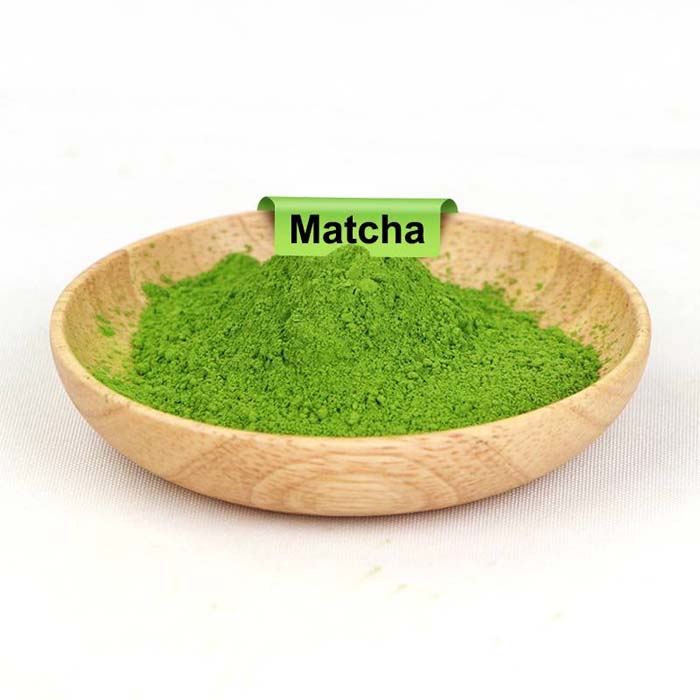





















For a small café, the difference between ordering 1kg and 5kg of matcha is not simply a wholesale price comparison. It is an inventory decision that affects cash flow, freshness, storage, menu risk and the speed at which you can change suppliers.
A 5kg bag may look attractive because the unit price can be lower. But if the café sells matcha slowly, the extra stock may remain open for too long. A 1kg order may cost more per kilogram while reducing the risk of holding an ingredient that has not yet proved its demand.
1. MOQ Is a Business Decision, Not Just a Supplier Rule
Minimum order quantity is often presented as a factory or supplier condition. For a small café, it should also be treated as a decision about how much uncertainty the business is willing to carry.
What a larger order may improve
- Potentially lower ingredient cost per kilogram.
- Fewer purchase orders, shipments and urgent replenishment requests.
- More consistent access to the same lot or approved product specification.
- More room to support a growing menu or additional café location.
What a larger order may increase
- Cash tied up in inventory before the stock is converted into sales.
- Exposure to slow demand, menu changes or a failed product launch.
- Storage, moisture, light, oxygen and contamination risks after opening.
- Losses if the café changes supplier, recipe, grade or brand positioning.
The correct MOQ is the largest quantity you can consume, store and finance without compromising product quality or flexibility. Bigger is not automatically more professional.
2. Compare 1kg and 5kg Before Looking at Unit Price
The two quantities serve different stages of a café's development. The table below is a strategic comparison, not a universal supplier rule. Actual pack sizes, prices, shelf-life information and shipping terms must be confirmed with the supplier.
| Decision Factor | 1kg MOQ | 5kg MOQ | Best Fit |
|---|---|---|---|
| Cash commitment | Lower initial cash outlay and easier testing. | Higher upfront inventory commitment. | 1kg for launch; 5kg after demand is proven. |
| Inventory coverage | Shorter coverage and faster feedback. | Longer coverage and fewer reorders. | Depends on actual weekly usage. |
| Demand risk | Lower risk if matcha sales are uncertain. | Higher risk if the menu is seasonal or experimental. | 1kg for a new or changing menu. |
| Unit economics | May carry a higher cost per kilogram. | May improve unit economics if fully used. | 5kg only when usable yield is high. |
| Freshness management | Easier to consume within a shorter period. | Requires disciplined sealing, storage and FIFO handling. | 1kg for low-volume cafés; 5kg for stable volume. |
| Supplier flexibility | Easier to change grade or supplier after testing. | More stock remains if the product is not a fit. | 1kg during supplier qualification. |
| Operational continuity | More frequent reorder planning. | Fewer reorder events and lower short-term stockout risk. | 5kg when lead time is long and demand is predictable. |
3. Calculate Your Real Matcha Consumption First
The most useful MOQ calculation starts with the recipe, not the supplier's pack size. Record the actual matcha used per serving and the number of matcha servings sold during a normal week.
Weekly usage = weekly matcha servings × grams per serving + controlled waste allowance. For example, if a café sells 40 matcha drinks per week and uses 2g per drink, the base consumption is 80g per week before any allowance for testing, spillage or preparation loss. A 1kg order would then cover approximately 12.5 weeks of base usage, while a 5kg order would cover approximately 62.5 weeks. These are illustrative calculations only; replace the assumptions with your own sales and recipe data.
That calculation can change quickly if the café sells matcha desserts, seasonal drinks, retail pouches or drinks with different dosage levels. Keep beverage usage separate from product-development usage so a small launch does not accidentally turn into a large inventory commitment.
Track three consumption numbers
- Average weekly usage: Useful for normal replenishment planning.
- Peak weekly usage: Useful for weekends, holidays and promotional periods.
- Minimum weekly usage: Useful for identifying the risk of holding too much stock.
4. When 1kg Is the Smarter Choice
1kg is often the more rational first order for a small café, especially when the café is still learning what customers will actually reorder. It buys information without forcing the business to carry a large stock position.
You are adding matcha for the first time and do not yet know whether demand will be daily, seasonal or limited to a small customer segment.
You need to compare color, bitterness, aroma, dispersion and milk compatibility before approving one product for repeat orders.
The café has a small back bar, high humidity, frequent stock movement or no dedicated system for protecting opened powder.
1kg is especially useful when
- The café is testing a new matcha latte, dessert drink or seasonal menu.
- The owner is not yet sure whether the preferred grade fits the customer price point.
- The business expects to adjust sweetness, dosage, milk base or recipe after launch.
- The supplier has not yet demonstrated consistent performance across more than one lot.
- The café wants to protect cash flow while it learns its real weekly consumption.
A higher price per kilogram can be cheaper in practice if it prevents obsolete stock, quality loss, recipe changes or a failed launch. Compare the cost of usable matcha, not only the quoted unit price.
5. When 5kg Can Make Sense for a Small Café
5kg is not only for large chains. A small café can use it successfully when the product has become a predictable part of the operation and the inventory will move at a controlled rate.
The café has several weeks of sales records showing that matcha usage is consistent rather than driven by a short promotion.
The powder can be kept sealed, dry, cool, protected from light and handled with a clear first-in-first-out procedure.
Supplier lead time, freight or stockout risk makes a larger planned order more practical than frequent small replenishment.
5kg is more defensible when
- Matcha drinks represent a repeatable portion of weekly sales.
- The same powder is used across drinks, desserts or retail formats.
- The café has already approved the product through a sample and commercial trial.
- The business can calculate how long the order will remain in stock and that period fits the supplier's quality guidance.
- The saving in freight, order handling or unit cost is greater than the risk of holding additional stock.
Do not buy 5kg because the supplier says it is the “better deal.” Buy 5kg when your own sales records show that the café can use it, protect it and finance it without reducing flexibility.
6. Inventory Coverage Matters More Than Pack Size
MOQ should be translated into inventory coverage. A pack that lasts too long can create a quality problem; a pack that lasts too briefly can create a stockout problem.
| Inventory Question | Why It Matters | What the Café Should Record |
|---|---|---|
| How many grams are used per drink? | Small recipe changes can materially change weekly consumption. | Approved recipe and actual barista dosage. |
| How many matcha servings are sold weekly? | Sales volume determines how quickly the MOQ converts into revenue. | Average, peak and minimum weekly servings. |
| How much is lost during preparation? | Spillage, clumping, testing and over-dosing reduce usable yield. | Measured waste allowance rather than a guess. |
| How is opened powder protected? | Moisture, light, air and contamination can reduce quality. | Pack format, resealing process, storage location and FIFO date. |
| How long is supplier replenishment? | Long lead time may justify a safety stock, but not unlimited stock. | Typical lead time, reorder point and emergency option. |
| Can the same batch support other products? | Using matcha across drinks and desserts can improve turnover. | Approved applications and dosage by SKU. |
NetSuite's general MOQ guidance notes that shelf life should be considered when setting order quantities for food and other perishable or quality-sensitive items. For matcha, this principle means that the purchasing decision should connect MOQ, consumption rate, storage and the supplier's current product guidance.
7. Ask About Pack Architecture, Not Only the Outer Carton
“5kg” can describe very different handling realities. The supplier may provide one large master bag, several inner packs or a format intended for repacking. For a small café, the internal pack structure may matter more than the total net weight.
| Pack Question | Why You Should Ask | Small-Café Preference |
|---|---|---|
| Is the MOQ one opened bag or multiple sealed inner packs? | Multiple inner packs can reduce the time that the full order is exposed after opening. | Prefer a format that matches your actual weekly consumption. |
| What is the recommended storage condition? | Storage affects color, aroma, flow and contamination risk. | Confirm the café can meet the instruction before ordering. |
| What is the lot and expiry information? | It supports FIFO planning and supplier accountability. | Record lot, production date or best-before information on receipt. |
| Can the supplier offer smaller inner packs at the same total MOQ? | Packaging design can reduce repeated exposure of the powder. | Ask for inner-pack alternatives, not only a smaller total order. |
| What happens if the next lot changes? | Color and flavor variation can affect a signature drink. | Request change notification and retain an approved reference sample. |
A 5kg order split into sealed inner packs may be easier to manage than a 2kg order in one repeatedly opened bag. Ask how the ingredient is packed before assuming that a lower net weight automatically means lower quality risk.
8. A Simple 1kg-to-5kg Purchasing Path
Small cafés do not need to decide their final MOQ before they have operating data. A staged process can protect both cash flow and supply continuity.
Start with 1kg
Use the first order to confirm taste, color, recipe dosage, barista handling and initial customer response.
Measure actual usage
Track weekly grams used, servings sold, waste, stockouts, storage behavior and reorder timing.
Run a repeat order
Confirm that the product remains consistent and that the café can reorder without changing the recipe.
Move to 5kg if justified
Increase the MOQ only when the coverage period, cash position and quality-control process support it.
| Stage | Primary Question | Evidence to Collect |
|---|---|---|
| Sample and 1kg trial | Does the matcha work in the actual menu? | Recipe, taste, color, preparation time and customer feedback. |
| First reorder | Can the café use and store the product consistently? | Weekly usage, waste, opening date, storage and repeat quality. |
| 5kg decision | Will the larger quantity be used within the approved quality window? | Sales records, cash plan, pack architecture and supplier lead time. |
9. What to Ask the Matcha Supplier Before Placing the Order
A professional MOQ conversation should not stop at “What is your lowest price?” Ask questions that reveal the real cost and risk of the order.
- What are the available total quantities and inner-pack configurations?
- What are the current storage conditions and quality-window recommendations after opening?
- Can the supplier provide a sample from the same or comparable specification before the commercial order?
- What documentation is available, including specification sheet, COA, microbiology and contaminant information where relevant?
- How consistent are color, aroma, bitterness and dispersion across lots?
- What is the normal lead time for a repeat order?
- Can the café combine matcha with another approved product in one shipment?
- Is there a reorder threshold or staged delivery option that reduces inventory pressure?
- How will the supplier notify the buyer about changes in raw material, processing, packaging or specification?
Conclusion: Choose the MOQ Your Café Can Use Well
For most small cafés, 1kg is the safer starting point when matcha demand is new or uncertain. It allows the team to validate the product, recipe and customer response before committing more cash and storage space.
5kg can become the right choice when the café has stable weekly usage, an approved supplier, suitable storage, predictable replenishment needs and a clear plan to use the powder within the supplier's quality guidance. The larger order should be earned by evidence, not chosen by habit.
- Choose 1kg for testing, supplier comparison, seasonal launches and uncertain demand.
- Consider 5kg for stable matcha sales, repeat recipes and controlled inventory management.
- Compare usable yield instead of unit price alone.
- Ask about inner packaging because the way the MOQ is packed affects quality risk.
- Review the decision regularly as sales, menu mix, storage and supplier lead time change.
The right question is not “Which MOQ is cheapest?” It is: “Which quantity can our café sell, store, finance and reorder without compromising the matcha experience?”
Matcha MOQ for Small Cafés FAQ
Is 1kg or 5kg of matcha better for a small café?
Neither is universally better. 1kg is usually easier to justify for a new menu, uncertain demand or limited storage. 5kg may be practical when weekly consumption is stable, opened powder is protected and the lower replenishment frequency offsets the additional cash tied up in inventory.
How do I calculate whether 1kg of matcha is enough?
Estimate weekly usage from servings per week multiplied by grams per serving, then add a controlled allowance for waste and testing. Divide the order quantity by weekly usage to estimate coverage. Use your actual recipe and sales data.
When does buying 5kg of matcha make sense?
When the café has predictable demand, sufficient cash flow, suitable storage, a reliable recipe and a consumption rate that will use the powder within the supplier's approved quality window.
Does a larger matcha MOQ always mean a lower cost per drink?
No. A lower unit price can be offset by slow turnover, waste, quality loss after opening, storage needs, cash tied up in stock or a menu that does not create enough demand.
How should a small café store bulk matcha?
Follow the supplier's current storage instructions and protect the powder from moisture, heat, light, oxygen and contamination. Use clean, sealed food-grade packaging and apply first-in-first-out handling.
What should I ask a matcha supplier before choosing a MOQ?
Ask about pack sizes, inner packaging, shelf-life information, storage conditions, lot consistency, sample availability, lead time, reorder options, documentation, shipping cost and staged-order possibilities.
Need Matcha for Your Café Menu?
Share your estimated weekly usage, recipe dosage, preferred pack size, destination market and storage requirements. AMULYN can use the brief to discuss relevant matcha options, samples and a practical replenishment path.
Submit an Inquiry Email the Project Brief


