
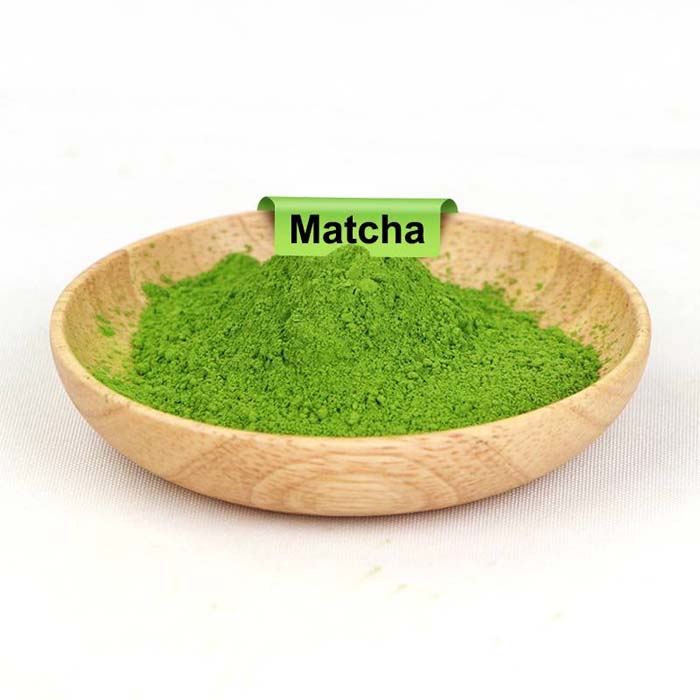


















“Matcha powder” sounds like one ingredient category. In procurement, it is several different technical problems.
A matcha powder used in an RTD beverage must disperse into a liquid system, remain visually acceptable during storage and survive the beverage process. A matcha used in bakery must deliver the right color and flavor after mixing, baking and cooling. A matcha used in a dietary supplement must be supported by stronger identity, contaminant, traceability and regulatory documentation because the ingredient enters a product with a different compliance pathway.
1. Why One Matcha Specification Cannot Cover Every Product
Matcha is made from powdered tea material, but the commercial requirements change as soon as the powder enters a different food matrix. A vivid color that looks excellent in a dry powder may fade in an acidic beverage. A strong flavor that survives a cake may be too bitter for a ready-to-drink latte. A powder that works in a food application may still require additional documentation before it is used in a supplement.
What stays common
- Identity: The buyer should know what tea material is being supplied and how it was processed.
- Safety: The supplier should provide current batch and product documentation appropriate to the destination market.
- Consistency: Color, aroma, flavor and physical behavior should remain within an agreed reference range.
- Traceability: Lot information, packaging and storage conditions should support a controlled supply chain.
What changes by application
- RTD beverages: Dispersion, suspension, sedimentation, processing and shelf-life behavior.
- Bakery: Heat exposure, color retention, flavor strength and interaction with fat, sugar and flour.
- Supplements: Identity, composition, contaminants, batch release, claims support and regulatory files.
- Commercial economics: The acceptable ingredient cost depends on dosage, yield, rejection risk and finished-product positioning.
“Premium” is a positioning word. “Disperses in a low-pH beverage after processing,” “retains a target green tone after baking,” or “is supported by a supplement-ready documentation package” are procurement requirements.
2. The Three Applications at a Glance
Use the following matrix as a first supplier conversation. It is not a universal specification sheet; each project still needs sample testing in the actual formula and process.
Primary job: Deliver a stable, recognizable matcha experience in a liquid product.
Procurement priority: Dispersion, suspension, color retention, flavor stability, process compatibility and shelf-life validation.
Main failure mode: Sedimentation, ring formation, dull color or flavor drift during storage.
Primary job: Provide the intended green color and tea flavor after mixing, baking and cooling.
Procurement priority: Heat exposure, color and aroma retention, dosage tolerance, flavor balance and lot consistency.
Main failure mode: Brown or grey color, weak tea character, harsh bitterness or uneven distribution.
Primary job: Supply a traceable, controlled botanical ingredient that fits the finished supplement formula and regulatory pathway.
Procurement priority: Identity, contaminants, composition, batch release, stability, documentation and claim discipline.
Main failure mode: Incomplete documentation, inconsistent marker data, contamination risk or unsupported product claims.
3. Matcha for RTD Beverages: Specify the Liquid System, Not Just the Powder
RTD buyers often begin by asking for a bright green matcha with good solubility. That is not enough. A beverage is a complete system: water quality, pH, minerals, sweeteners, dairy or plant-based ingredients, homogenization, heat treatment, packaging, light exposure and storage all influence the final result.
What matters most in an RTD matcha brief
| Specification Area | What to Ask For | Why It Matters |
|---|---|---|
| Dispersion | Wet-out behavior, clump tendency, mixing method and recommended pre-dispersion process. | Powder that performs well in a whisked café drink may need a different handling step in factory-scale liquid production. |
| Suspension | Particle-size information where available, sedimentation observations and compatibility with the beverage base. | Visible settling or a concentrated layer can damage consumer perception and increase rework. |
| Color | Target color after dilution and after the planned processing and storage conditions. | Green color can change when the powder meets heat, oxygen, light, minerals or an acidic matrix. |
| Flavor | Umami, bitterness, astringency, grassy notes and flavor strength at the intended dosage. | The target is not the strongest tea; it is a balanced flavor that survives the whole beverage system. |
| Process compatibility | Heating or pasteurization conditions, homogenization, filling method and packaging format. | Processing may change aroma, color and physical stability. Validate the ingredient in the real process. |
| Storage | Light, oxygen, temperature, time and post-opening expectations. | A sample that looks excellent on day one is not enough for an RTD launch. |
| Documentation | Specification sheet, COA, microbiology, contaminants, allergen and origin information as required. | Documents support supplier approval, import review, quality release and customer inquiries. |
Do not approve an RTD matcha from a dry-powder color check or a single hot-water tasting. Test the powder in the final beverage base, using the intended process and a defined storage observation plan. If the product is acidic, dairy-based, plant-based, carbonated or fortified, those conditions should be part of the evaluation.
Recommended RTD sample protocol
- Prepare the powder using the planned factory mixing method, not only a hand whisk.
- Evaluate freshly made color, aroma, taste, mouthfeel and visible particles.
- Run the product through the intended thermal or non-thermal process.
- Compare samples under the planned storage conditions and record sedimentation, color and flavor changes.
- Approve a retained reference sample and define the acceptable lot-to-lot comparison method.
4. Matcha for Bakery: Buy for Performance After Heat Exposure
Bakery buyers are not purchasing a beverage color. They are purchasing an ingredient that must distribute through a dough, batter, filling or coating, then remain recognizable after baking, cooling and storage.
Bakery procurement priorities
| Specification Area | What to Compare | Typical Development Question |
|---|---|---|
| Color retention | Color before baking, after baking and after storage in the finished product. | Does the final product still look intentionally matcha-based, or does it shift toward olive, brown or grey? |
| Flavor survival | Tea intensity, roasted or grassy notes, bitterness and aftertaste after heat exposure. | Is the flavor still noticeable at the planned dosage without becoming harsh? |
| Matrix interaction | Behavior with flour, fat, sugar, cocoa, dairy, eggs, fruit and alkaline ingredients. | Does the base amplify, soften or distort the matcha profile? |
| Distribution | Clumping, sifting, mixing time and visible speckling in the dough or batter. | Can the production team achieve even color and flavor across the batch? |
| Dosage tolerance | Lowest effective use level and sensory threshold before bitterness becomes dominant. | Can the formula achieve its target with a practical ingredient load? |
| Batch consistency | Color, aroma, flavor and physical handling across multiple lots. | Will the same SKU look and taste consistent across production runs? |
Always compare matcha samples in the finished bakery matrix. A powder that is bright and pleasant in a tasting cup may not be the best choice for a cookie, cake, filling or chocolate coating. The relevant question is what remains after the product has been mixed, heated, cooled and stored.
Match the powder to the product position
- Premium tea-forward bakery: Prioritize a clean aroma, balanced bitterness and a flavor that can remain identifiable without excessive dosage.
- High-volume commercial bakery: Prioritize repeatability, color-to-cost efficiency, handling, supply continuity and finished-product performance.
- Chocolate and confectionery: Evaluate how cocoa, fat and sugar mask or reshape matcha flavor, and whether the final color supports the product concept.
- Frozen and chilled desserts: Test color and flavor after freezing or cold storage rather than relying only on the fresh mix.
5. Matcha for Dietary Supplements: The Documentation Package Becomes Part of the Specification
When matcha is used in a dietary supplement, procurement is no longer only a sensory decision. The ingredient must fit the finished product’s identity, composition, quality system, labeling and market requirements.
In the United States, the FDA explains that dietary supplement manufacturers and distributors are responsible for evaluating the safety and labeling of their products before marketing, and that adulterated or misbranded products may be subject to enforcement. The exact requirements vary by jurisdiction, product format and claim strategy, so buyers should align the specification with the destination market before commercial approval.
| Specification Area | What to Request | Procurement Reason |
|---|---|---|
| Identity | Botanical identity, plant part, processing description and a suitable identity-testing approach. | Confirms that the supplied material matches the declared ingredient and approved raw-material profile. |
| Composition | Current specification for relevant quality markers or nutritional components where applicable. | Supports formula control and prevents a generic powder from being treated as a standardized extract. |
| Contaminants | Microbiology, heavy metals, pesticide residues and other tests required by the buyer and destination market. | Contaminant control is a release and supplier-qualification issue, not a marketing afterthought. |
| Traceability | Lot number, origin information, manufacturing records and change-notification expectations. | Supports investigation, recall readiness and controlled replenishment. |
| Allergen and GMO status | Statements or declarations required for the product and market. | Helps the finished-product team prepare accurate labels and customer documentation. |
| Stability | Packaging, storage, moisture and light sensitivity information; finished-product stability plan. | The ingredient and the final supplement may have different stability risks. |
| Claims support | Evidence and wording review for any nutrition, structure/function or wellness communication. | Ingredient familiarity does not automatically substantiate a finished-product claim. |
Do not use “high in antioxidants,” “detox,” “supports weight loss” or similar language simply because matcha is associated with wellness. Claims must be reviewed for the destination market, product category and available evidence. The supplier’s ingredient documents support qualification; they do not replace the finished brand’s regulatory review.
Supplement buyers should separate three decisions
- Is the ingredient authentic and safe for the intended use? Review identity, contaminants, traceability and release documentation.
- Does it perform in the formula? Check flow, blending, color, taste, capsule or sachet handling and stability.
- Can the product communicate its intended benefit legally? Review claims, dosage, labeling and destination-market rules.
6. The Same Terms Mean Different Things in Different Applications
Procurement discussions become inefficient when teams use broad terms without defining the test behind them. “Solubility,” “color,” “purity” and “quality” should be translated into application-specific questions.
| Common Term | RTD Interpretation | Bakery Interpretation | Supplement Interpretation |
|---|---|---|---|
| Solubility | Disperses through the beverage with acceptable visible particles and sedimentation. | Mixes evenly into the dough, batter, filling or coating. | Blends consistently into the dry formula or intended delivery format. |
| Color | Remains visually acceptable after processing and storage in the beverage. | Retains the intended identity after heat exposure and cooling. | Remains consistent with the product’s appearance and label expectation. |
| Flavor strength | Readable at the serving dosage without excessive bitterness or astringency. | Survives baking and remains balanced with sugar, fat and other flavors. | Fits the serving format without creating unacceptable taste or odor. |
| Purity | Suitable for the beverage specification and free from relevant contaminants. | Suitable for food production and consistent in handling. | Supported by identity, contaminant, traceability and quality-system documents. |
| Stability | Color, flavor and physical appearance remain acceptable during shelf life. | Color and flavor remain acceptable during finished-product storage. | Ingredient and finished-product quality remain within the approved specification. |
7. What to Include in Your Matcha Supplier Inquiry
A clear product brief helps a supplier recommend the right starting sample and avoids a long exchange based on the word “premium.” Include the following information before requesting a quotation.
- Finished product name and a short description of the customer experience.
- Ingredient format: powder, instant format, blend or another requested form.
- Expected use level or a reasonable dosage range for the first trial.
- Process conditions that may affect color, aroma, dispersion or stability.
- Required documents, including COA, specification sheet, microbiology, contaminants, allergen and origin statements where relevant.
- Packaging, storage, shipping and replenishment expectations.
- Destination country and any customer or regulatory requirements already identified.
Procurement, R&D, quality and regulatory teams should review the same sample against different questions. Procurement checks commercial continuity, R&D checks performance, quality checks release criteria and regulatory checks documents and claims. A matcha approval is stronger when all four views are recorded.
8. A Practical Application-Based Approval Process
The approval process should mirror the risk of the finished product. A small café beverage trial may need a fast sensory screen, while a supplement launch usually needs a deeper qualification file and a controlled release process.
Define the finished product
State the application, target consumer occasion, process, serving or dosage format and destination market.
Translate into specs
Convert “premium green matcha” into color, flavor, handling, documentation and stability requirements.
Test the real matrix
Evaluate the powder in the actual beverage, bakery, dry blend or supplement prototype rather than in water alone.
Approve and monitor
Retain a reference sample, confirm lot documents, define change notification and monitor commercial batches.
Conclusion: The Best Matcha Is the One That Performs in Your Product
There is no universal “best matcha” for RTD beverages, bakery and dietary supplements. Each application rewards a different procurement mindset.
- For RTD beverages: Buy for dispersion, suspension, color retention, process compatibility and shelf-life performance.
- For bakery: Buy for color and flavor after heat exposure, matrix compatibility, dosage tolerance and repeatability.
- For dietary supplements: Buy for identity, contaminants, traceability, batch release, documentation and responsible claims review.
Application-based sourcing does not mean choosing a cheaper ingredient by default. It means paying for the performance that the finished product actually needs—and refusing to pay for a label that does not solve the formulation problem.
Before asking for a bulk matcha quote, define the product, process and market. The clearer the brief, the more useful the sample, specification and commercial discussion will be.
Matcha Application Procurement FAQ
Can the same matcha powder be used for RTD beverages, bakery and supplements?
A single matcha powder may work in more than one application, but the same specification should not be assumed to work everywhere. RTD beverages often prioritize dispersion and shelf stability, bakery prioritizes color and flavor after heat exposure, and supplements require stronger attention to identity, contaminants, batch consistency and documentation.
What matcha specifications matter most for RTD beverages?
Evaluate dispersion, suspension, sedimentation, color retention, flavor stability, interaction with the beverage base, processing conditions, packaging and shelf-life performance in the actual beverage system.
What matcha is suitable for bakery products?
Bakery matcha should provide the desired color and flavor after mixing, baking and storage. Evaluate heat exposure, fat and sugar interactions, flavor retention, color change, dosage tolerance and batch consistency.
What should supplement companies request when sourcing matcha?
Request a current specification sheet, batch-specific COA, identity and composition information, microbiological and contaminant testing, allergen and GMO statements where relevant, traceability information, packaging details and documents aligned with the destination market.
Is ceremonial grade matcha suitable for every application?
No. Ceremonial grade is a market term rather than a complete application specification. Select matcha by finished-product performance instead of relying on the grade name alone.
What information should be included in a bulk matcha inquiry?
Include the finished application, process conditions, sensory target, color expectation, preparation or dosage method, trial and annual volume, destination market, packaging, documentation needs and launch timeline.
Need Matcha for a Specific Product Application?
Share your finished product, process conditions, target sensory profile, expected volume, destination market and documentation requirements. AMULYN can use the brief to discuss a relevant matcha sample and application-based sourcing path.
Submit an Inquiry Email the Project Brief


