
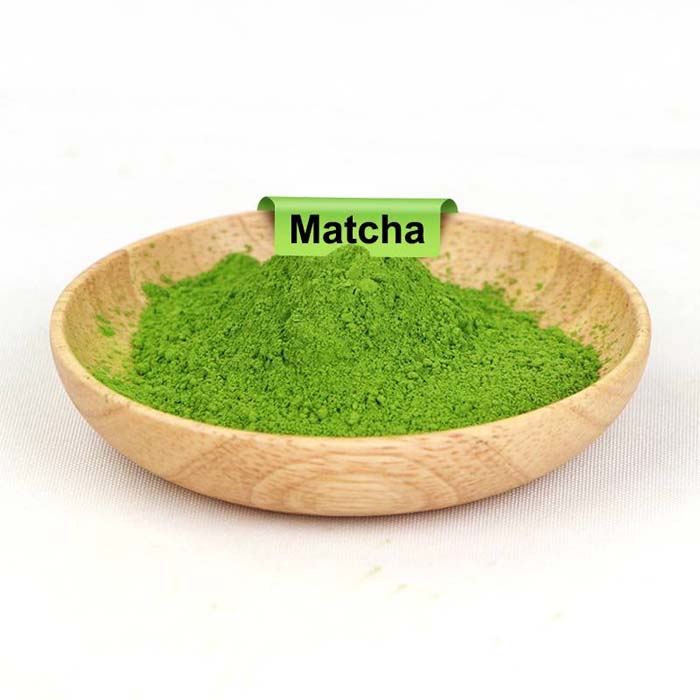






















Matcha created a new language for tea on global menus: recognizable origin, strong visual identity, premium positioning and a format that can move from beverage to dessert. Hojicha is now being discussed as the next ingredient with similar expansion potential—but it is not simply “brown matcha.”
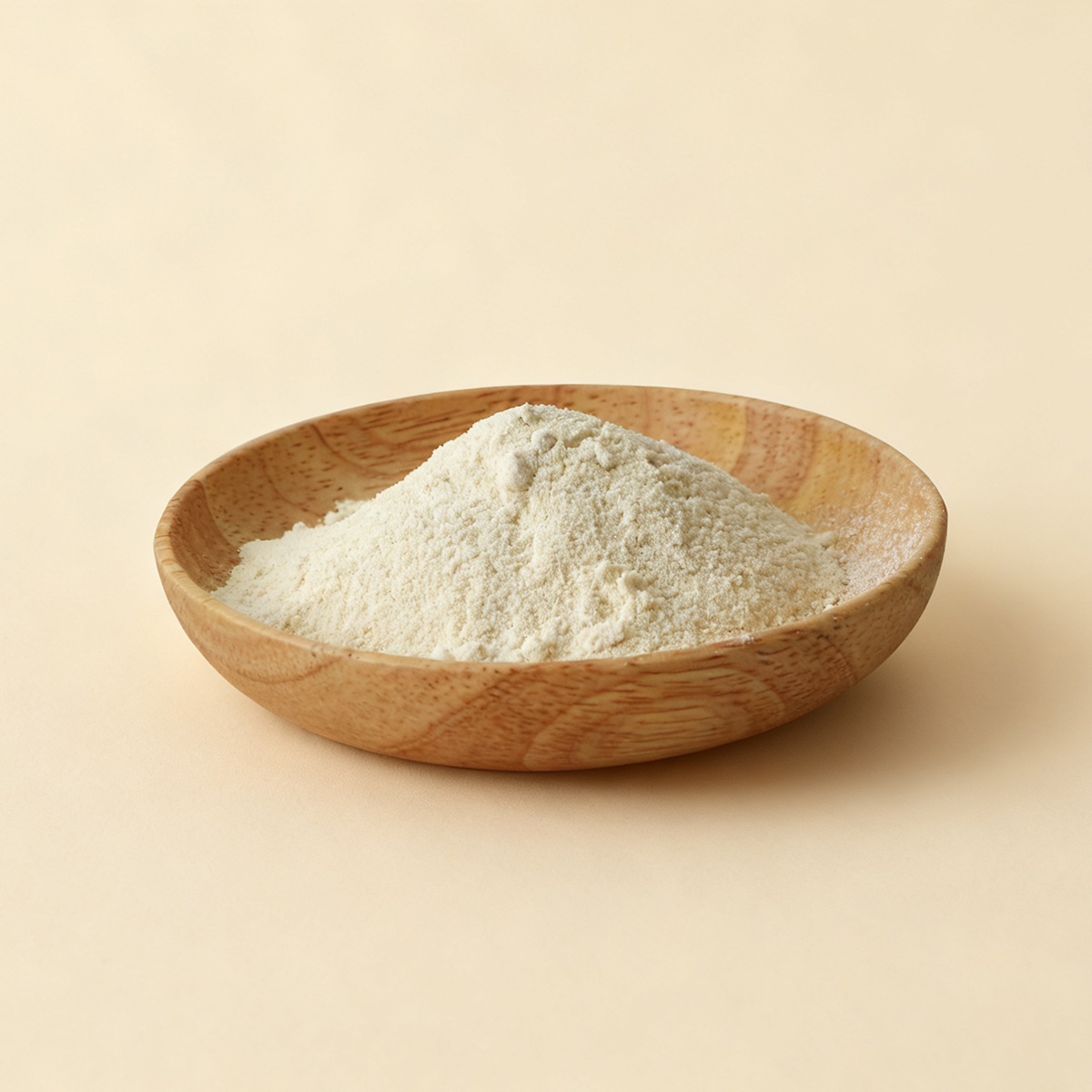
Hojicha is roasted green tea. The roasting process produces a warm brown color and a toasted profile that can range from cereal-like and nutty to caramel-like, cocoa-like or coffee-adjacent. That sensory difference is precisely why it matters to B2B buyers. Hojicha can extend a tea menu into a different daypart and flavor territory without asking customers to order another version of the same green drink.
1. What Is Driving the “Next Matcha” Positioning?
The phrase is a market signal, not a guarantee that hojicha will reproduce matcha’s trajectory. It reflects several practical advantages that are relevant to cafés, beverage chains, dessert brands, foodservice distributors and private-label manufacturers.
Why operators are paying attention
- Distinctive flavor: Roasted, warm and rounded notes create a clear alternative to grassy or vegetal tea profiles.
- Different visual language: The amber-to-brown tone helps a menu avoid repeating the same bright-green presentation.
- Powder-based versatility: Powder can be developed for lattes, frappés, soft serve, bakery, chocolate and dessert systems.
- Daypart potential: The roasted profile can sit closer to coffee, cocoa or grain-based flavors and may fit afternoon or evening occasions.
What B2B buyers should not assume
- It is not a direct matcha substitute: The color, aroma and customer expectation are different.
- “Hojicha powder” is not one specification: Roast intensity, raw material, milling and blend design can change performance.
- Lower caffeine is not caffeine-free: A buyer should request current analytical data before making a claim.
- Trend visibility is not demand validation: The product still needs local menu testing, pricing work and repeat-purchase evidence.
2. Hojicha vs. Matcha: Build Complementary Roles, Not a Replacement Story
The strongest menu strategy gives each ingredient a job. Matcha can own fresh green color, vegetal umami and a more energetic visual identity. Hojicha can own roasted aroma, warmth and a flavor bridge for guests who usually choose coffee, cocoa or caramel.
| Decision Factor | Matcha | Hojicha | Menu Implication |
|---|---|---|---|
| Core sensory direction | Vegetal, umami, fresh, sometimes grassy | Roasted, nutty, toasty, caramel-like or cocoa-like | Use different flavor architecture instead of duplicating drinks. |
| Visual identity | Vivid green to olive green | Amber, tan to reddish brown | Hojicha adds visual variety to a green-tea-led menu. |
| Typical format | Powder | Loose leaf or powder | Choose powder when the concept depends on concentrated shots, blending or dry premixes. |
| Milk pairing | Milk softens bitterness and carries umami | Milk amplifies a roasted, dessert-like profile | Hojicha can support latte, cream-top and dessert beverage concepts. |
| Caffeine communication | Often associated with a stronger tea lift | Often positioned as a lower-caffeine option, but product data varies | Use “lower caffeine” only when supported by the actual specification and local rules. |
| Best commercial role | Hero tea platform | Complementary roasted tea platform | Cross-sell both rather than forcing one ingredient to cover every occasion. |
3. Which Menu Applications Make the Best Starting Point?
A B2B hojicha project should begin with the final product, not with a broad search for “premium hojicha.” The right powder for a hot latte may not be the right powder for a baked filling or a frozen dessert. The following matrix is a development starting point; final specifications must be confirmed with samples and current supplier documentation.
Why start here: The preparation is easy for baristas to understand and the roasted profile is legible to customers.
Evaluate: Aroma after dilution, dispersion, milk compatibility, foam behavior, bitterness, sedimentation and color consistency in hot and iced formats.
Menu ideas: Hojicha latte, iced hojicha latte, hojicha cream-top drink, hojicha mocha and a matcha-hojicha “green and tan” pairing.
Why it is attractive: A roasted tea profile can create a differentiated bottled or canned beverage without relying on bright green color.
Evaluate: Heat-process tolerance, suspension, flavor hold, sedimentation, interaction with sweeteners and dairy or plant-based systems.
Commercial question: Does the product need a clear tea infusion, a smooth milk tea base or a more indulgent dessert beverage?
Why it works: Toasted notes naturally connect with vanilla, sesame, chocolate, caramel, red bean, nut and cereal flavors.
Evaluate: Flavor survival after baking or freezing, color in the finished matrix, dosage tolerance, aftertaste and batch-to-batch aroma.
Menu ideas: Hojicha soft serve, ice cream ripple, cheesecake, cookie, sponge cake, chocolate filling and dessert sauce.
Why it matters: A powder or sachet format gives brands a route to extend a café trend into at-home preparation.
Evaluate: Preparation instructions, pack stability, moisture protection, caking, serving size, claim substantiation and destination-market labeling.
Positioning options: Roasted Japanese tea, café-style hojicha latte, dessert ingredient or a convenient afternoon tea format.
4. Specify Hojicha by Performance, Not by the Word “Premium”
“Premium hojicha” communicates an intention, but it does not tell an R&D team how the ingredient will behave in a formula. A better inquiry converts the menu concept into measurable or testable requirements.
Core questions for the supplier brief
- Is the project for a latte, RTD beverage, frozen dessert, bakery, chocolate, supplement blend or retail pack?
- Should the roast be delicate and aromatic, balanced and nutty, or deep and coffee-adjacent?
- Will the powder be whisked into water, blended with milk, dispersed in a syrup or mixed into a dry premix?
- What color should remain visible after dilution, sweetening, dairy or plant-based milk addition?
- What are the trial quantity, estimated annual volume, packaging format and destination-market requirements?
- Which claims are being considered, and what evidence will be required before those claims appear on the menu or pack?
Ask for a “hojicha sample set” rather than a single sample when the roast profile is still open. Comparing light, medium and deep roast directions in the same latte or dessert base often produces a faster commercial decision than debating grade names.
5. How to Build a Hojicha Menu Ladder Without Creating Operational Complexity
Menu diversification fails when every new ingredient requires a new syrup, a new topping, a new preparation method and a new training module. Hojicha should be introduced as a platform: one approved powder, several controlled applications and a clear visual hierarchy.
Anchor one signature drink
Start with a hot or iced hojicha latte that makes the roast profile easy to understand and gives the team a repeatable preparation.
Extend one texture
Reuse the same base in a cream-top, cold foam, frappé or soft-serve format instead of launching unrelated recipes.
Add one dessert pairing
Choose a product that naturally supports roasted notes, such as chocolate, vanilla, sesame, caramel or nut flavors.
Measure before expanding
Review repeat orders, preparation time, waste, customer questions and margin before adding RTD, retail or seasonal variations.
| Menu Tier | Purpose | Example | Operational Focus |
|---|---|---|---|
| Entry | Make the flavor easy to understand | Classic hojicha latte | Simple dosage and clear menu description |
| Signature | Create a memorable premium item | Hojicha cream-top or hojicha mocha | Controlled topping and visual consistency |
| Pairing | Increase cross-category trial | Hojicha soft serve or chocolate dessert | Flavor stability in the finished matrix |
| Seasonal | Test limited demand with lower commitment | Hojicha-spiced or autumn dessert beverage | Small-batch planning and end-date discipline |
6. The Main Sourcing Risks: Flavor Drift, Claims and Supply Continuity
Hojicha may look easy to source because the flavor description is familiar. In practice, roasting introduces a significant consistency question: small changes in raw material, roast curve, particle size, packaging and storage can change the aroma that customers recognize.
A brown powder can look correct and still fail in the finished product because the aroma is weak, the roast is too smoky, the powder settles quickly or the flavor disappears after heat treatment. Keep a retained reference sample and compare future lots in the same standardized preparation.
Control the sensory reference
Define the approved sample in practical language: “medium roast, toasted grain and hazelnut notes, low harsh bitterness, clean finish, disperses into milk without visible grit.” Add any available analytical and physical specifications, but keep the sensory description because it is the bridge between procurement, R&D, quality and the menu team.
Separate lower-caffeine positioning from health claims
Hojicha is often described as lower in caffeine than matcha, but the actual level depends on raw material, harvest, blend, serving size and processing. If a brand wants to communicate caffeine content or a wellness benefit, it should verify the finished product and review the destination market’s labeling and advertising rules.
Protect continuity before launch
Before placing a commercial order, confirm the approved raw material, batch documentation, packaging barrier, storage conditions, lead time, replenishment plan and change-notification process. A menu launch should not depend on a sample that cannot be reproduced at scale.
7. A Practical 30-Day Hojicha Pilot for B2B Teams
The purpose of a pilot is not to prove that hojicha is “the next matcha.” It is to learn whether a specific product concept works for a specific customer base at an acceptable cost and operational load.
| Stage | Development Work | Decision Gate |
|---|---|---|
| Week 1: Define | Choose the target daypart, customer occasion, format, roast direction, serving size and menu role. | One clear product brief is approved. |
| Week 2: Compare | Test two or more samples in the actual preparation system, including hot, iced, dairy and plant-based variants where relevant. | One sensory direction performs best in the finished formula. |
| Week 3: Operate | Run a staff preparation test and record dosage, preparation time, waste, equipment needs and customer-facing description. | The recipe is repeatable without creating avoidable complexity. |
| Week 4: Validate | Use a limited menu, distributor trial or controlled customer test. Track repeat orders, feedback, questions and contribution margin. | Scale, revise the brief, or stop before a large purchase. |
Do not judge a hojicha program by first-week novelty alone. A stronger signal is whether the product earns a repeatable role: customers understand it, staff can prepare it, the powder remains consistent and the margin supports continued listing.
Conclusion: Treat Hojicha as a Second Tea Platform
Hojicha is attracting “next matcha” attention because it offers more than a new ingredient name. It gives menu developers a roasted flavor system, a new color family, a bridge to coffee and dessert occasions, and a powder format that can travel across categories.
For B2B buyers, the strategic move is not to copy the matcha playbook line by line. It is to identify what matcha taught the market—story, visibility, versatility and premium menu architecture—then apply those lessons to a product with a different sensory promise.
- Position it as complementary: Let matcha own fresh green tea occasions and hojicha own roasted, warm and coffee-adjacent occasions.
- Source by application: Specify roast profile, format, dispersion, stability, documentation and finished-product performance.
- Launch as a platform: Start with one signature drink, extend into one texture and one dessert pairing, then measure before expanding.
- Control the claim: Use trend language carefully, verify caffeine and other product claims, and avoid promising a market outcome that has not been tested.
The most useful question is not “Will hojicha become the next matcha?” It is: “Which customer occasion can hojicha serve better than another matcha variation, and can we source it consistently enough to build a repeatable menu?”
Hojicha B2B Sourcing FAQ
Why is hojicha being called the next matcha?
Hojicha is being positioned as the next matcha because it combines a Japanese tea story, a roasted and smooth flavor, a distinctive brown visual identity and powder formats that can work across lattes, desserts and other applications. The phrase describes market positioning, not a guaranteed sales result.
What is the difference between hojicha powder and matcha powder?
Matcha is associated with vivid green color and vegetal umami. Hojicha is roasted green tea with warm brown color and toasted, nutty or caramel-like notes. Hojicha may be sold as loose leaf or powder, while matcha is generally used as a powder.
Which products can use hojicha powder?
Potential applications include hot and iced lattes, RTD beverages, soft serve, ice cream, bakery, confectionery, chocolate, smoothies and dessert sauces. Test the actual powder in the finished formulation before approval.
Does hojicha always contain less caffeine than matcha?
Hojicha is commonly positioned as a lower-caffeine tea, but the actual amount varies with raw material, blend, serving size and processing. Request current analytical data before using a specific caffeine statement.
Should a café replace matcha with hojicha?
No single replacement rule applies. Hojicha is usually more effective as a complementary menu platform because it serves a different sensory expectation and can reach different dayparts or flavor preferences.
What should be included in a bulk hojicha inquiry?
Include the application, powder or loose-leaf format, target roast profile, preparation method, dosage range, trial and annual volume, destination market, packaging, documentation and launch timeline.
Planning a Hojicha Menu or Ingredient Project?
Share your target application, roast direction, expected volume, packaging requirement and destination market. AMULYN can use the brief to discuss relevant hojicha powder options, sample evaluation and project requirements.
Submit an Inquiry Email the Project Brief


