
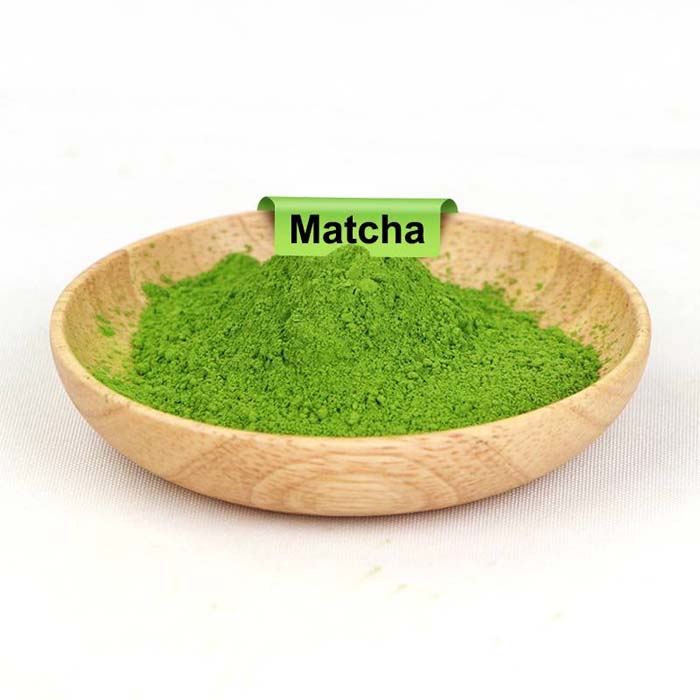


















Launching a private label matcha brand can look simple from the outside: choose a powder, print a pouch and place the first order. The first production run is where hidden assumptions become real costs.
The formula may taste different at production scale. The powder may flow differently after transport. The pouch may look attractive but allow too much light or moisture exposure. The label may describe the product in a way that needs market-specific review. A supplier sample may be excellent while the production lot, filling process or finished pack creates a different customer experience.
1. Start With a Product Brief, Not a Factory Quotation
A supplier cannot recommend the right matcha or pack format from the words “premium private label matcha” alone. Before requesting a quotation, define what the product is supposed to do and where it will be sold.
Define the product
- Pure Matcha, flavored Matcha, latte premix or another blend format.
- Primary use: straight drinking, latte, retail sachet, bakery, dessert or foodservice.
- Target flavor, color, aroma, bitterness, sweetness and preparation method.
- Preferred pack size, serving format, opening method and storage environment.
Define the business
- Target customer, sales channel and destination market.
- Expected first-run volume and realistic reorder path.
- Customer price position and acceptable finished-product cost.
- Launch date, sample approval deadline and tolerance for product changes.
If the product brief cannot explain the intended use, customer and preparation method, the first production order is still a market experiment. Reduce the commitment and increase the testing before scaling.
2. Test the Matcha Sample in the Final Use Case
A dry-powder evaluation is useful for initial screening, but it is not enough for private label approval. Test the sample in the same drink, recipe or preparation method the customer will use.
Record aroma, color, sweetness, umami, bitterness, astringency, mouthfeel and aftertaste in the finished product.
Check mixing, whisking, dosing, flow, clumping, settling and staff or consumer preparation repeatability.
Confirm that the final color, taste, pack experience and preparation story match the brand promise.
| Sample Test | What to Record | Approval Question |
|---|---|---|
| Dry powder | Color, aroma, texture, caking, pack condition and lot information. | Does the sample arrive in a condition suitable for controlled development? |
| Standard preparation | Dosage, water, temperature, mixing method, color, aroma and flavor. | Can the product be prepared as described on the future label? |
| Final serving | Appearance, mouthfeel, bitterness, aftertaste, settling and service time. | Would the intended customer consider this a repeatable product? |
| Second preparation | Variation after opening, storage and repeated handling. | Does the product remain manageable after the first use? |
3. Qualify the Supplier, Not Only the Powder
Private label quality depends on the supplier's ability to reproduce the approved product, pack it correctly and communicate changes. A good sample is only one part of supplier qualification.
| Supplier Area | What to Ask | Evidence to Keep |
|---|---|---|
| Raw material | Origin, processing description, application position and lot traceability. | Specification sheet, lot information and approved sample. |
| Quality system | How are incoming materials, blending, filling and release controlled? | Relevant quality documents and agreed release criteria. |
| Consistency | How are color, flavor, blend uniformity and pack weight managed between lots? | Retained sample process and change-notification agreement. |
| Documentation | Which COA, microbiological, contaminant, allergen and ingredient documents are available? | Current documents matched to the intended market and product. |
| Production | What are the minimum order, lead time, filling capability and production schedule? | Written quotation, production plan and reorder assumptions. |
| Change control | How will raw material, formula, packaging or process changes be communicated? | Written change-notification process and buyer approval point. |
A COA can support incoming-material review, but it does not replace the brand's own sample approval, packaging check, finished-product review or market-specific label and regulatory assessment.
4. Test the Formula and Batch-Scale Behavior
The formula that works in a small sample may behave differently when the powder, sweetener, flavor or carrier is blended in a larger vessel. Small businesses should ask the supplier to explain how the formula is mixed and how uniformity is checked.
Test the formula in three ways
- Top, middle and bottom sampling: Check whether portions from different points in the blend behave similarly where the supplier's process allows this review.
- Different operators: Ask more than one person to prepare or portion the product using the intended instructions.
- Repeated opening: Observe flow, clumping and handling after the pack has been opened and used in normal service.
These are development controls, not a substitute for the supplier's validated quality system. The goal is to identify practical risks before the brand pays for printed packaging and a larger finished batch.
5. Test the Packaging Before Printing a Large Quantity
Packaging is part of the product. It protects matcha from the distribution environment and also carries the brand promise. A pouch that looks excellent in a design file may be difficult to fill, open, reseal or store.
Review seal integrity, moisture and light protection, pack material, closure and the supplier's storage guidance.
Test opening, scooping, resealing, serving instructions, mess, portability and whether the pack fits the intended use.
Test shipping protection, carton fit, scuffing, crushing, label adhesion and pack appearance after handling.
| Packaging Test | What to Check | Why It Matters |
|---|---|---|
| Seal and closure | Opening force, resealing, leaks, weak seals and powder trapped in the closure. | Protects quality and reduces customer frustration. |
| Barrier and storage | Supplier guidance for moisture, light, heat and air exposure. | Matcha quality depends on how the pack performs after filling. |
| Fill and weight | Filling method, headspace, pack weight and visible presentation. | Supports accurate commercial packing and customer expectation. |
| Shipping simulation | Carton movement, compression, abrasion, label adhesion and presentation after transport. | The customer receives the shipped product, not the factory sample. |
| Opening date tracking | Space for lot, best-before or storage information where required. | Supports internal stock control and customer guidance. |
6. Review the Label and Product Documents Early
Label review should begin before the artwork is finalized. Requirements differ by destination market and product category, so the brand should work with a qualified regulatory or labeling professional where needed.
- Product identity and accurate product name.
- Complete ingredient declaration in the required format.
- Allergen statements and dietary information where relevant.
- Net quantity, lot or batch identification and date information as applicable.
- Storage and preparation instructions that match the tested product.
- Origin, manufacturer, packer or responsible business information as required by the market.
- Nutrition, flavor, organic, sustainability or other claims with appropriate review and support.
- Barcode, customer-service contact and traceability information where needed.
This article provides a pre-production checklist, not legal advice. A label that works in one market may not be sufficient in another. Confirm the final artwork and claims against the destination market before printing.
7. Build a Stability and Storage Plan Before the First Run
A private label brand should know what “acceptable” means during storage before the first finished batch is released. The plan does not need to promise a universal shelf life; it needs to connect the supplier's guidance, packaging and intended distribution conditions.
| Stability Area | What to Observe | Decision Point |
|---|---|---|
| Color | Change in powder and prepared product appearance. | Does the product remain within the approved visual reference? |
| Aroma and flavor | Loss of aroma, bitterness, stale notes or flavor drift. | Does the product still match the approved sensory profile? |
| Flow and texture | Caking, clumping, poor flow or difficult scooping. | Can the customer or operator still use the product as intended? |
| Pack condition | Seal, swelling, damage, label adhesion and closure performance. | Does the pack protect the product and maintain brand presentation? |
| Storage route | Warehouse, transport, retail shelf, café back bar or home storage conditions. | Are the written storage instructions realistic for the distribution path? |
Use the supplier's current storage and quality guidance as the starting point. Define a retained sample, observation schedule, acceptable range and escalation process. If the product category or market requires formal stability or shelf-life evidence, arrange the appropriate professional testing rather than relying only on a visual check.
8. Run a Controlled Pilot Before the Commercial First Run
A pilot is not only a smaller version of production. It is an opportunity to test the handoff between R&D, the manufacturer, the packaging line, the warehouse, the sales channel and the customer.
Freeze the brief
Approve the formula, sensory target, pack, label draft, preparation instruction and release criteria.
Test the line
Observe blending, filling, sealing, coding, weight control, line clearance and sample retention.
Inspect the finished pack
Check appearance, label, seal, lot information, storage instruction and shipping readiness.
Release with evidence
Compare against the approved sample and documents before the product enters saleable inventory.
| Pilot Check | Owner | Record Before Release |
|---|---|---|
| Formula and raw material | R&D and quality | Approved specification, lot and sample comparison. |
| Blending and filling | Manufacturer and quality | Process notes, fill checks and retained samples. |
| Packaging and label | Brand owner and packaging team | Approved artwork, pack inspection and coding check. |
| Warehouse and shipping | Operations and logistics | Storage location, carton plan and transport instructions. |
| Commercial launch | Brand and sales team | Product page, preparation guidance, customer service script and launch feedback plan. |
It is cheaper to correct a sample, label proof, seal or filling instruction before production than to correct a finished inventory problem after the product has entered the market.
9. Test the Commercial Case Before You Scale
A technically acceptable matcha can still be a weak first product if the business cannot sell it, replenish it or explain it clearly to customers.
- Test the product description with the intended customer before finalizing the launch message.
- Confirm that the pack size matches realistic use and inventory turnover.
- Calculate landed cost, packaging, fulfillment, samples, rejects and customer support—not only the powder quote.
- Prepare a reorder plan and a response if the first product performs better or worse than expected.
- Define what customer feedback will trigger a formula, pack or instruction change.
Conclusion: Approve the Whole Product, Not Just the Powder
The first private label matcha run is where a product idea becomes a supply-chain commitment. Small businesses reduce risk when they test the complete system before approving a larger production run.
- Test the brief: Product role, customer, market, preparation, pack and commercial objective.
- Test the matcha: Sensory profile, physical behavior, recipe performance and lot consistency.
- Test the supplier: Documents, quality controls, repeatability, communication and production capability.
- Test the pack and label: Protection, usability, transport, ingredient information and market review.
- Test the pilot: Blending, filling, coding, finished-product inspection and release process.
- Test the commercial case: Demand, margin, replenishment and customer support.
The goal is not to eliminate every uncertainty before launch. It is to make the important uncertainties visible while they are still affordable to fix.
Private Label Matcha First-Run FAQ
What should a small business test before the first private label matcha run?
Test the product brief, matcha sample, formula, sensory profile, physical handling, packaging, label and ingredient information, supplier documents, storage and stability plan, pilot-batch process, quality release criteria and commercial assumptions before approving the first run.
How many matcha samples should a private label brand compare?
There is no universal number. Compare enough relevant samples to understand flavor, color, application performance, documentation, supply continuity and cost. Test them in the final intended use rather than judging only dry powder.
What should be tested in private label matcha packaging?
Test pack fit, seal integrity, moisture and light protection, opening and resealing behavior, powder flow, label adhesion, shipping durability, storage handling and whether the pack protects the product through distribution.
Does a supplier COA replace a small business's own product testing?
No. A supplier COA supports incoming-material review, but the brand still needs its own product specification, sample approval, packaging review, finished-product checks and market-specific label or regulatory review.
Should a private label matcha brand start with a large production order?
A smaller controlled pilot is usually a better way to validate the formula, packaging, production process and customer response before committing to a larger run. The appropriate quantity depends on the supplier, product format, market and business plan.
What is the most common mistake before a first private label matcha run?
The most common mistake is approving the powder and artwork separately without testing the complete product as it will be manufactured, packed, stored, shipped, prepared and sold. First-run approval should connect product performance, packaging, documents and commercial use.
Planning Your First Private Label Matcha Run?
Share your product format, target market, desired sensory profile, pack size, expected first-run volume, documentation needs and launch timeline. AMULYN can use the brief to discuss matcha options, sample evaluation, private label packaging and pre-production requirements.
Submit an Inquiry Email the Project Brief


