


















Introduction to Adaptogenic Matcha Formulations
The convergence of traditional matcha consumption with modern adaptogenic science presents unprecedented opportunities for creating functional beverages that deliver both immediate energy and long-term stress relief. Adaptogenic matcha formulations leverage the L-theanine and caffeine synergy of matcha while incorporating targeted herbs known for their stress-mitigating properties. This innovative approach addresses the growing consumer demand for beverages that provide sustained focus without the jitters associated with conventional caffeine sources.
These formulations represent a paradigm shift in functional beverage development, moving beyond simple caffeine delivery to sophisticated blends that support cognitive function, immune health, and emotional balance.
Understanding Adaptogens in Beverage Context
Scientific Foundation and Mechanism of Action
Adaptogens are natural substances that help the body adapt to stress and maintain homeostasis. In the context of matcha-based beverages, these compounds work synergistically with matcha's existing bioactive compounds to create enhanced stress-resilience effects. The adaptogenic response involves modulation of the hypothalamic-pituitary-adrenal (HPA) axis, which regulates cortisol production and stress responses.
Key Insight: The effectiveness of adaptogenic matcha formulations depends on precise dosing, standardized extracts, and optimal timing of ingredient interactions. This requires careful consideration of bioavailability enhancement strategies.
Core Adaptogenic Ingredients Analysis
Each adaptogenic ingredient contributes unique mechanisms of action that complement matcha's effects:
| Ingredient | Primary Compounds | Stress-Relief Mechanism | Matcha Synergy |
|---|---|---|---|
| Ashwagandha | Withanolides, alkaloids | Reduces cortisol, supports GABA pathways | Complements L-theanine calming effects |
| Reishi Mushroom | Triterpenes, beta-glucans | Modulates immune response, promotes relaxation | Enhances anti-inflammatory properties |
| Lion's Mane | Ergothioneine, hericenones | Supports neurogenesis, cognitive function | Amplifies focus-enhancing effects |
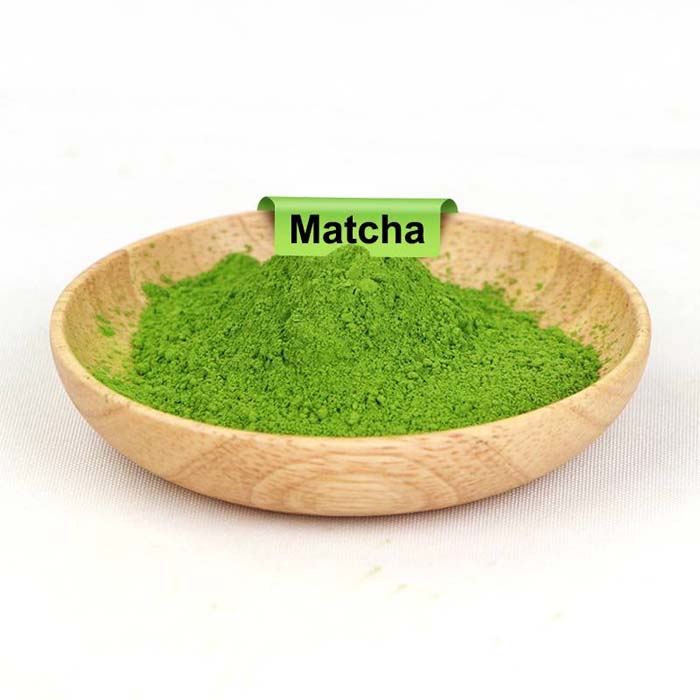
| Matcha | L-theanine, EGCG, caffeine | Provides focused energy, antioxidant support | Bioavailable base for adaptogen delivery |
| Combined Effect | Synergistic compounds | Comprehensive stress adaptation | Optimized cognitive performance |
Formulation Strategies and Techniques
Creating effective adaptogenic matcha beverages requires careful attention to ingredient ratios, solubility, and stability factors:
Target Consumer Segments
Successful marketing of adaptogenic matcha beverages requires understanding distinct consumer motivations and preferences:
Seek focused energy without anxiety, prefer clean-label ingredients
Prioritize preventive health, explore functional foods regularly
Experience anxiety with regular caffeine, seek gentler alternatives
Want enhanced focus and mental clarity for demanding tasks
Production Considerations and Challenges
Manufacturing adaptogenic matcha beverages presents unique technical challenges that require specialized expertise:
Market Performance Metrics
Financial projections and market indicators for adaptogenic matcha beverages:
Frequently Asked Questions
Adaptogens don't neutralize caffeine but rather modulate the body's stress response to caffeine intake. Ashwagandha helps regulate cortisol release that can occur with caffeine consumption, while reishi supports a more balanced nervous system response. The result is sustained energy without the typical crash associated with caffeine-only beverages. Lion's mane enhances cognitive clarity, allowing for better focus during the energized state.
For ashwagandha, clinical studies typically use 250-600mg of standardized extract (with 5-12% withanolides). Reishi mushroom is effective at 100-300mg of concentrated powder (15-20% polysaccharides). Lion's mane shows benefits at 500-1000mg of extract (30% polysaccharides). These doses should be adjusted based on individual tolerance and desired effects. Always consult healthcare providers before starting adaptogenic regimens.
Initial effects like improved sleep quality and reduced stress perception may appear within 1-2 weeks of consistent use. More significant benefits such as enhanced cognitive function and stress resilience typically manifest after 4-6 weeks of regular consumption. Individual responses vary based on baseline stress levels, overall health, and consistency of intake. The cumulative nature of adaptogenic benefits means longer-term consumption yields greater results.
Ashwagandha may interact with immunosuppressants, diabetes medications, and blood pressure drugs. Reishi can affect blood clotting and interact with anticoagulants. Lion's mane may influence blood sugar levels. All adaptogens can potentially impact liver enzyme activity, affecting medication metabolism. Consult healthcare providers before combining adaptogenic beverages with prescription medications, especially for individuals with chronic conditions.
Store in cool, dry places away from direct sunlight to preserve active compounds. Maintain temperatures below 75°F (24°C) and protect from moisture exposure. Powdered forms have longer shelf life (12-18 months) compared to liquid formulations (6-12 months). Proper packaging with oxygen barriers and UV protection extends potency. Refrigeration after opening is recommended for liquid products to maintain freshness and efficacy.
Adaptogenic beverages are generally not recommended for children under 12 years old due to developing endocrine systems. For adolescents, consultation with pediatric healthcare providers is essential before introducing adaptogens. Matcha's caffeine content (approximately 70mg per serving) also limits appropriateness for younger consumers. Alternative formulations without adaptogens but with matcha's benefits may be more suitable for younger demographics.
Future Innovation Opportunities
The adaptogenic matcha category continues to evolve with emerging research and consumer demands:
Personalized formulations based on genetic markers for stress response are becoming increasingly viable. Microencapsulation technologies promise enhanced bioavailability of active compounds. Seasonal formulations that align with circadian rhythms and environmental stressors represent an emerging frontier. Additionally, probiotic-enhanced versions could provide gut-brain axis benefits, further expanding the therapeutic potential of these beverages.
As consumer awareness grows regarding the connection between stress management and overall health, adaptogenic matcha beverages are positioned to capture significant market share in the functional beverage sector. Success will depend on maintaining scientific rigor in formulation while delivering accessible, enjoyable products that seamlessly integrate into daily wellness routines.


