



















Introduction: The Rise of the Dirty Matcha Phenomenon
The dirty matcha trend has taken the beverage world by storm, combining the earthy, umami-rich flavors of premium matcha powder with the bold intensity of espresso shots. This hybrid drink, which emerged in upscale cafés around late 2025, represents a fascinating collision between traditional Japanese tea culture and modern Western coffee consumption.
As dirty matcha gains popularity among millennials and Gen Z consumers seeking novel caffeine experiences, industry experts are divided on whether this innovation represents a brilliant evolution in beverage culture or a concerning trend that could have negative health implications.
Understanding the Dirty Matcha Composition
Traditional Preparation Methods
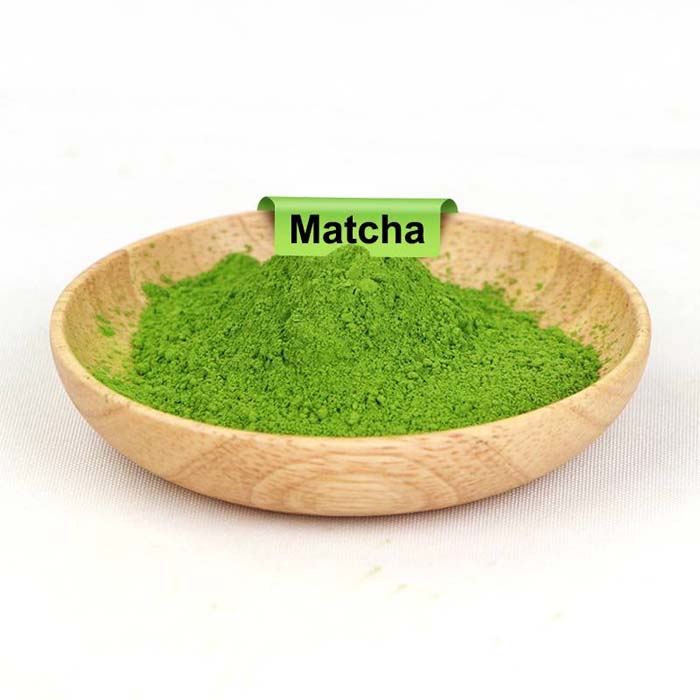
A standard dirty matcha typically consists of ceremonial-grade matcha powder whisked with hot water, combined with one or two shots of espresso. The preparation requires careful attention to temperature and timing to preserve the delicate flavors of the matcha while allowing the espresso to integrate without overwhelming the tea's natural characteristics.
Variations and Customizations
Many café chains have introduced variations of the dirty matcha, including options with alternative milk alternatives like oat milk, almond milk, or coconut milk. Some establishments offer sweetened versions with natural sweeteners such as honey or maple syrup, while others maintain a purist approach with only the core ingredients.
Pros of Dirty Matcha
- Combines antioxidants from matcha with caffeine from espresso
- Unique flavor profile appealing to adventurous consumers
- Potential metabolic benefits from both ingredients
- Appeals to both coffee and tea drinkers
- Instagram-worthy appearance drives social media engagement
Cons of Dirty Matcha
- Excessive caffeine content may cause jitters
- Could mask authentic matcha taste experience
- Higher cost compared to individual beverages
- Potential digestive discomfort for some consumers
- May contribute to caffeine dependency
Health Implications and Nutritional Profile
Caffeine Content Analysis
A typical dirty matcha contains approximately 120-180mg of caffeine, combining the 70mg from a double espresso shot with the 35mg from a standard serving of matcha powder. This total exceeds the caffeine content of most single beverages, raising questions about safe consumption levels for different demographic groups.
Antioxidant Benefits
Despite the addition of espresso, dirty matcha retains the beneficial EGCG compounds found in traditional matcha preparations. However, some nutritionists argue that the high caffeine load from espresso may counteract some of the calming effects traditionally associated with L-theanine in matcha.
Market Reception and Consumer Response
The dirty matcha has generated polarized reactions across different consumer segments. Young professionals appreciate the dual energy boost for productivity, while traditional tea enthusiasts often express concern about the cultural appropriation of matcha traditions.
On the other hand, many tea purists argue that combining matcha with espresso destroys the meditative qualities that make traditional matcha preparation meaningful. This cultural tension reflects broader debates about innovation versus tradition in food and beverage spaces.
Industry Perspectives and Future Outlook
Expert Opinions
Nutritionists remain cautious about the dirty matcha trend, recommending limited consumption due to the high caffeine content. However, beverage industry analysts note that the innovation demonstrates the potential for cross-cultural fusion in specialty drinks.
Commercial Viability
Despite mixed reactions, café chains report strong sales figures for dirty matcha offerings, suggesting commercial viability. The drink has become a signature item for many establishments looking to differentiate themselves in competitive markets.
Looking ahead, the dirty matcha trend may evolve into a more refined category of functional beverages, with companies developing lower-caffeine alternatives that maintain the flavor profile while reducing potential negative health impacts.
Frequently Asked Questions
A dirty matcha is a beverage that combines matcha powder with espresso shots, creating a hybrid drink that merges the earthy, umami flavors of traditional matcha with the bold intensity of coffee. The name references the "dirty" variation of coffee drinks, where espresso is added to another base beverage. This innovative drink represents a fusion of Japanese tea culture and Western coffee traditions.
Consumption of dirty matcha should be approached with caution due to its high caffeine content (120-180mg per serving). Health experts recommend limiting intake to 1-2 servings per day maximum. Individuals sensitive to caffeine, pregnant women, and those with certain medical conditions should consult healthcare providers before regular consumption. While the antioxidant properties of matcha remain beneficial, the combined caffeine load requires mindful consumption.
Dirty matcha retains the beneficial antioxidants and L-theanine from traditional matcha preparations, but significantly increases caffeine content. While regular matcha provides 35mg of caffeine per serving, dirty matcha contains 120-180mg due to the espresso addition. The nutritional benefits of matcha's EGCG compounds remain intact, but the higher caffeine may interfere with the calming effects of L-theanine that make traditional matcha meditation-friendly.
Yes, you can create dirty matcha at home using ceremonial-grade matcha powder and an espresso machine or strong brewed coffee. Start with 1-2 teaspoons of matcha whisked with 2 oz of hot water (not boiling), then add a single or double espresso shot. You can customize with your preferred milk alternative and sweetener. However, achieving the perfect balance of flavors may require practice, and the quality of your matcha powder significantly affects the final taste.
Industry analysts predict that the dirty matcha trend will evolve rather than disappear. Future iterations may include decaf espresso options, reduced caffeine formulations, or alternative stimulant sources. The success of this innovation suggests continued experimentation in the functional beverage space, potentially leading to other culturally-inspired fusion drinks. The trend highlights consumer appetite for novel caffeine delivery methods that combine wellness benefits with performance enhancement.


