
























In the fast-moving consumer goods (FMCG) sector, speed is usually the ultimate virtue. Brands are accustomed to rapid iteration, short lead times, and responsive supply chains. However, the booming global matcha market operates on a completely different clock—one dictated not by logistics software, but by the biological reality of the tea plant.
For B2B buyers, brand owners, and procurement directors, understanding this timeline is no longer optional; it is critical for survival. The core ingredient of matcha, Tencha (shade-grown green tea leaves), requires a minimum of five years of growth before it can produce the complex amino acid profile and vibrant color that define premium quality. This 5-year lead time is creating a structural supply gap that traditional procurement methods cannot solve.
This article explores the agronomic reasons behind this delay, the economic risks of ignoring it, and the new strategic frameworks leading brands are using to secure their supply chains in an increasingly constrained market.
1. The Agronomic Reality: Why Five Years?
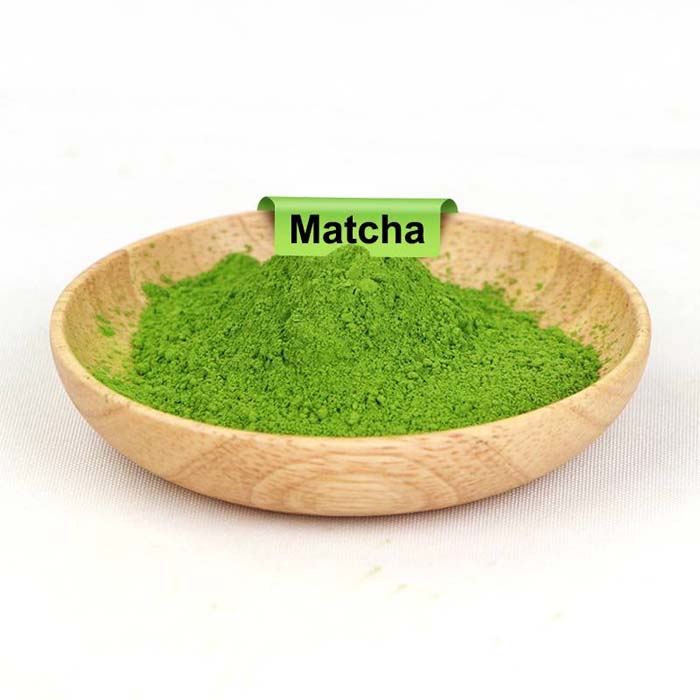
To understand the supply constraint, one must first understand the plant. Matcha is not simply ground-up green tea. It is the powdered form of Tencha, a specific type of tea leaf that has been shaded for 20-30 days before harvest to boost chlorophyll and L-Theanine production. But the shading process is only the final chapter of a long story.
The Maturity Curve of Camellia Sinensis
The sapling focuses entirely on root development. No harvest is possible. The plant is vulnerable to weather fluctuations and requires intensive care.
The bush grows taller and wider. Farmers prune the plant to create the flat "table" shape required for efficient shading and harvesting. Leaves harvested now are thin, lacking depth of flavor.
The plant can now support a full harvest. However, the root system is not yet deep enough to access the complex mineral profiles of the subsoil. The resulting Tencha is often used for lower-grade culinary matcha.
The root system is fully established. The plant efficiently converts nitrogen into L-Theanine (umami). The leaves are thick, dark green, and rich in nutrients. This is the gold standard for premium matcha.
The key takeaway for buyers is inelasticity. If your brand suddenly goes viral and demand doubles overnight, your supplier cannot simply "make more" premium Tencha. They would have needed to plant those bushes five years ago. This biological lag creates a rigid ceiling on supply that no amount of money can instantly bypass.
2. The Death of "Just-in-Time" Procurement
For decades, global supply chains have relied on Just-in-Time (JIT) inventory models to minimize holding costs. In industries like electronics or fast fashion, this works because production can be scaled up relatively quickly. In the matcha industry, JIT is a recipe for volatility and risk.
The Bullwhip Effect in Tea
When consumer demand for matcha lattes spikes, retailers order more from brands, who order more from distributors, who order more from processors. By the time this signal reaches the farmer, it is amplified. However, the farmer looks at their 5-year-old bushes and knows they cannot increase yield. This mismatch leads to:
- Price Spikes: Spot prices for premium Tencha can fluctuate wildly between harvest seasons (May and October).
- Quality Dilution: Desperate buyers may accept younger-leaf blends or non-shade-grown powders, damaging their brand's reputation for authenticity.
- Supply Gaps: Brands may face stockouts that last for months, losing shelf space to competitors.
Relying on spot market purchases for your core SKUs is dangerous. A single bad weather event (like a late frost in Uji or a typhoon in Kyushu) can wipe out 30-40% of a season's crop. Without forward-contracted inventory, your brand is exposed to total supply failure.
3. New Procurement Models for a Constrained Market
Leading brands are shifting from transactional relationships to strategic partnerships. Here are the three most effective models emerging in 2026.
A. Long-Term Offtake Agreements
An offtake agreement is a contract where the buyer agrees to purchase a certain volume of product from a supplier in the future, often at a pre-negotiated price. For matcha, this means signing contracts for Years 3, 4, and 5 of a planting cycle.
Benefits:
- Price Stability: You lock in prices before market spikes occur.
- Priority Access: In a shortage, contracted buyers get served first.
- Farmer Security: Farmers gain the financial confidence to invest in better organic practices and shading infrastructure.
B. Vertical Integration & Direct Sourcing
Larger players are bypassing traders entirely by investing directly in Japanese tea farms. This doesn't necessarily mean buying land (which is legally complex in Japan), but rather forming exclusive joint ventures. By controlling the agricultural stage, brands can ensure that the specific cultivars (like Okumidori or Samidori) are planted to meet their future flavor profiles.
C. The "Portfolio" Approach to Grading
Smart procurement involves diversifying the grade of matcha used across different products. Instead of using expensive 5-year-old Ceremonial Grade for every SKU, brands are developing a tiered product line:
- Flagship Pure Matcha: Uses 100% 5+ year old Tencha. High margin, high prestige.
- Matcha Blends/Lattes: Uses a blend of 3-4 year old Tencha or Culinary Grade. Lower cost, high volume.
- Functional Foods: Uses broken leaves or stem powder (Kukicha) for fiber-rich snacks. Zero waste, low cost.
This approach allows brands to utilize the entire harvest efficiently, reducing waste and lowering the average cost of goods sold (COGS).
4. Navigating Quality Risks in a Tight Market
When supply is tight, the temptation to cut corners increases. Buyers must be vigilant about quality verification. The 5-year lead time means that if you receive a bad batch, you can't just "re-order" next week. You might be stuck with inferior product for a whole season.
Key Quality Metrics to Contract
Your supply contract should specify more than just "Grade A." It should include measurable scientific metrics:
| Metric | Why It Matters | Target for Premium |
|---|---|---|
| L-Theanine Content | Responsible for umami and calm energy. Increases with plant age and shading. | > 2.5% |
| Chlorophyll Level | Indicates proper shading and vibrant green color. | High Absorbance |
| Particle Size | Determines mouthfeel. Stone-ground is finer (5-10 microns) than machine-ground. | < 15 microns |
| Heavy Metals | Tea plants accumulate soil contaminants. Critical for safety. | Below EU/FDA Limits |
5. The Future: Climate Change and Innovation
The 5-year cycle is becoming even more precarious due to climate change. Unpredictable weather patterns are affecting the delicate shading process. Hotter springs can cause the leaves to grow too fast, diluting the amino acids before harvest. This volatility makes the strategic procurement models discussed above even more critical.
We are also seeing innovation in controlled environment agriculture (CEA) for tea, though it is currently too expensive for bulk Tencha production. In the near term, the best strategy remains building deep, transparent relationships with farmers who are adapting their practices to a changing climate.
Frequently Asked Questions
Can I buy "fresh" matcha all year round?
No. Matcha has two main harvest seasons: Spring (May) and Autumn (October). Spring harvest (Ichibancha) is the highest quality. To offer fresh product year-round, brands must buy large volumes in May and store them in freeze-dried, oxygen-free environments. This requires significant capital and storage infrastructure.
What is the difference between Tencha and Matcha?
Tencha is the raw material: steamed, dried, and de-stemmed tea leaves. Matcha is the final product: Tencha that has been stone-ground into a fine powder. Most B2B contracts are for Tencha, which is then ground by specialized mills closer to the point of sale to preserve freshness and aroma. Grinding too early leads to oxidation and loss of flavor.
Is Chinese matcha a viable alternative?
Chinese green tea powder is significantly cheaper and has shorter lead times. However, it is rarely grown using the traditional Oishita shading method for 20+ days. As a result, it lacks the high L-Theanine content and umami flavor of Japanese Tencha. It is suitable for low-cost baking ingredients but not for premium beverage brands focused on authentic taste and health benefits.
How do I verify the age of the tea plants?
This is difficult to verify scientifically in the final powder. Trust is built through transparency. Ask for farm visits, photos of the fields, and detailed records from the cooperative. Reputable suppliers will be open about the cultivar and age of the bushes. Third-party certifications like JAS Organic also add a layer of accountability.
What should I include in a Force Majeure clause for matcha?
Given the agricultural risks, your contract should clearly define what happens in case of crop failure due to weather. Does the supplier owe you a refund? Do they owe you replacement product from the next harvest? Or do they provide a blended alternative? Clarifying this upfront prevents legal battles when nature intervenes.


