
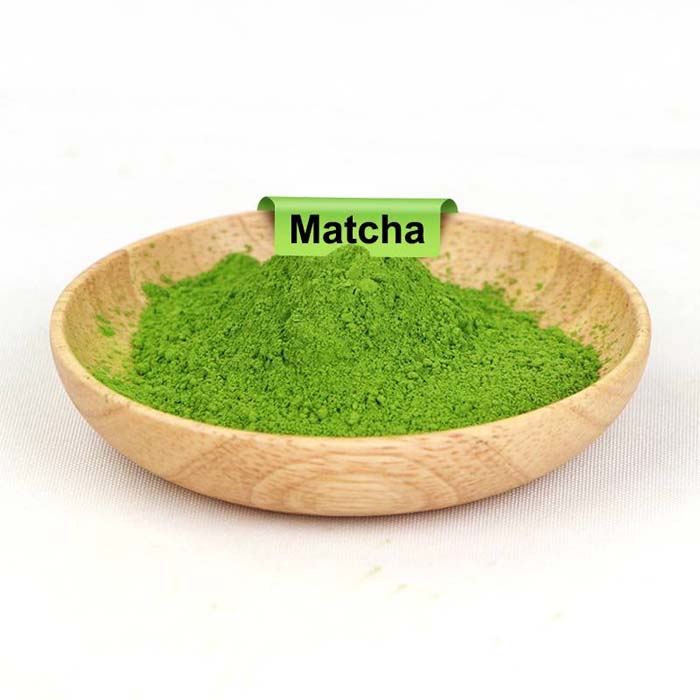



















While matcha has gained considerable popularity as a health trend, its value extends far beyond fleeting consumer interest. For restaurant and café owners, adding premium matcha offerings to your menu represents a strategic business decision with substantial financial, operational, and sustainability benefits. This guide explores the comprehensive business case for incorporating matcha into your establishment's offerings, moving beyond the hype to reveal tangible advantages.
The Financial Advantage: Matcha Profitability Analysis
Contrary to initial perceptions about premium ingredient costs, matcha offers exceptional profit margins for food service businesses. The relatively small serving sizes combined with premium pricing create a favorable cost-to-revenue ratio that outperforms many traditional menu items.
Matcha Profit Margin Analysis
Average Gross Margin
Matcha beverages typically achieve 70-85% gross margins, compared to 50-65% for standard coffee beverages.
Price Premium Potential
Customers are willing to pay 20-40% more for matcha-based beverages compared to regular tea or coffee offerings.
Inventory Efficiency
Matcha powder has a longer shelf life than many perishables and maintains quality when stored properly, reducing waste.
Consumer Trends: Meeting Modern Dining Expectations
Today's consumers seek more than just sustenance—they want experiences, transparency, and alignment with their values. Matcha offerings address multiple contemporary consumer preferences in a single menu addition.
Health & Wellness Alignment
Matcha's well-documented health benefits appeal to the growing wellness-focused consumer segment. Rich in antioxidants, L-theanine for calm focus, and providing sustained energy without jitters, matcha fits perfectly into modern health-conscious lifestyles.
- Appeals to fitness and wellness communities
- Alternative to high-sugar energy drinks
- Supports clean-label, natural ingredient trends
- Attracts health-conscious professionals
Instagram-Worthy Appeal
The vibrant green color of matcha creates visually striking beverages that customers love to photograph and share on social media. This organic marketing extends your establishment's reach without additional advertising costs.
- Natural visual appeal drives social sharing
- Creates brand visibility through user content
- Attracts younger, social media-active demographics
- Differentiates from standard brown beverages
Ethical & Sustainable Positioning
When sourced responsibly, matcha supports sustainable agriculture and fair trade practices. This allows restaurants to align with the growing consumer demand for ethically sourced ingredients and transparent supply chains.
- Supports sustainable farming practices
- Aligns with fair trade consumer preferences
- Minimal processing preserves nutritional value
- Plant-based appeal for vegan/vegetarian markets
Operational Benefits: Streamlining Your Service
Beyond financial and marketing advantages, matcha offers practical operational benefits that streamline service and enhance customer experience.
Operational Efficiency Metrics
Matcha preparation requires minimal equipment compared to espresso-based beverages. No expensive machines, less maintenance, and faster training for staff. The simple preparation process (sifting, whisking with hot water) takes approximately 45-60 seconds per serving—comparable to or faster than many specialty coffee preparations.
Menu versatility is another significant operational advantage. A single inventory item—premium matcha powder—can be transformed into numerous menu offerings: hot and cold beverages, baked goods, desserts, and even savory dishes. This inventory efficiency reduces storage requirements and simplifies ordering processes.
The Sustainability Advantage: Environmental & Social Impact
In today's market, sustainability is no longer optional—it's a business imperative. Matcha offers unique sustainability advantages that align with both environmental responsibility and consumer expectations.
Environmental Benefits
Compared to coffee cultivation, shade-grown matcha requires less land disruption and can be grown using traditional, low-impact farming methods. Many matcha producers in Japan maintain centuries-old sustainable farming practices.
- Lower water requirements than coffee cultivation
- Shade-growing protects soil integrity
- Minimal processing reduces energy consumption
- Whole leaf utilization minimizes waste
Social Responsibility
By sourcing matcha from reputable suppliers who support fair wages and community development, restaurants can build ethical supply chains that resonate with socially conscious consumers.
- Supports traditional farming communities
- Fair trade options available
- Preserves cultural heritage practices
- Transparent sourcing builds customer trust
Sustainability Comparison: Matcha vs. Coffee
Water Usage
Matcha cultivation uses approximately 40% less water per serving compared to coffee bean cultivation.
Land Efficiency
Matcha tea plants produce 3-5 times more servings per acre compared to coffee plants.
Carbon Footprint
The complete matcha production process generates approximately 25% fewer emissions than coffee production per serving.
Frequently Asked Questions for Restaurant Owners
The initial investment is surprisingly low. You'll need: quality matcha powder ($25-50 per 100g, serving 20-25 drinks), a bamboo whisk or milk frother ($15-30), a sifter ($5-10), and appropriate serving vessels. Total startup cost for a basic matcha setup typically ranges from $100-200, with the matcha inventory being your main recurring cost.
Matcha preparation is relatively simple to learn. Basic training includes: proper sifting to avoid clumps, correct water temperature (175°F/80°C, not boiling), whisking technique for smooth consistency, and understanding different matcha grades for various applications. Most staff can become proficient with 1-2 hours of training, and many suppliers offer training materials or sessions.
Properly stored matcha maintains optimal quality for 6-12 months. Key storage principles: keep in airtight containers, store in cool dark places (refrigeration is ideal), minimize exposure to oxygen, light, heat, and moisture. For restaurant use, purchase in smaller quantities more frequently rather than large bulk orders to ensure freshness.
Differentiation strategies include: sourcing single-origin or ceremonial grade matcha, creating signature blends, offering unique preparation methods (stone-ground presentation), developing seasonal matcha specialties, incorporating local ingredients, providing educational materials about matcha's origins and benefits, and creating visually distinctive serving presentations.
Conclusion: Building a Sustainable Menu Advantage
Adding matcha to your menu transcends following a trend—it represents a strategic business decision with multifaceted benefits. From exceptional profit margins and operational efficiencies to alignment with contemporary consumer values and sustainability goals, matcha offers a comprehensive value proposition for forward-thinking food service establishments.
The sustainable business case for matcha extends beyond immediate financial returns to include long-term brand building, customer loyalty development, and market positioning. In an increasingly competitive food service landscape, matcha provides a distinctive offering that can differentiate your establishment while appealing to multiple consumer segments simultaneously.
Implementation Recommendations
Start Simple, Then Expand
Begin with 2-3 core matcha offerings (hot latte, iced version, and one specialty item), then expand based on customer response and operational comfort.
Balance Quality and Cost
Select culinary grade matcha for most applications to maintain quality while controlling costs, reserving ceremonial grade for premium offerings.
Educate Your Customers
Share information about matcha's origins, preparation methods, and benefits to enhance perceived value and justify premium pricing.
Ready to Add Matcha to Your Menu?
Transform your beverage offerings and tap into the growing demand for premium, health-conscious options. Matcha isn't just a trend—it's a sustainable business opportunity with proven financial and operational advantages.
Start with our recommended implementation plan and watch as matcha becomes one of your most profitable and popular menu items.
Download Matcha Menu Implementation Guide


