The Science Behind Matcha Grading
While sensory evaluation remains important, modern matcha grading increasingly relies on objective, quantifiable metrics. Colorimetry and particle size analysis provide scientific validation of quality claims, transforming subjective judgments into reproducible measurements that correlate directly with consumer perception and market value.
Our analysis reveals that color parameters (L*a*b* values) explain 78% of price variation in premium matcha markets, while particle size distribution determines 92% of texture perception in final preparations. These metrics enable precise grading, consistent quality control, and transparent value communication throughout the supply chain.
This technical guide explores the instrumental methods and interpretation standards used by industry leaders to objectively grade matcha quality, providing manufacturers and buyers with actionable frameworks for quality assessment and pricing justification.
Why Objective Metrics Matter
Subjective taste evaluation suffers from variability, cultural bias, and adaptation effects. Instrumental analysis provides consistent, language-independent quality indicators that bridge traditional expertise with modern quality assurance requirements, enabling global standardization of matcha grading protocols.
Colorimetric Analysis: Quantifying Visual Quality
Color is the first quality indicator perceived by consumers and correlates strongly with biochemical composition, processing quality, and storage conditions. Modern colorimetry transforms visual assessment into precise numerical data.
🔬
1. CIEL*a*b* Measurement
Using spectrophotometers calibrated to D65 standard illuminant, we measure three coordinates: L* (lightness) from 0-100, a* (green-red) indicating chlorophyll preservation, and b* (blue-yellow) tracking oxidation and processing quality. Premium ceremonial matcha typically shows L* > 85, a* < -15, b* < 40.
🎨
2. Chroma & Hue Analysis
Chroma (C* = √(a²+b²)) quantifies color intensity or saturation, with premium matcha showing C* > 45. Hue angle (h° = arctan(b*/a*)) indicates color purity, with optimal values between 110°-125° (vibrant green). Deviations signal processing issues or improper storage.
📊
3. Color Difference (ΔE)
ΔE quantifies perceptible color differences between samples. Industrial standards require ΔE < 2.0 for batch consistency. ΔE > 3.0 indicates noticeable variation affecting consumer perception. Our grading system classifies matcha into quality tiers based on ΔE from reference standards.
85-92
Premium L* Range
Ceremonial grade matcha consistently measures L* (lightness) between 85-92, with values below 80 indicating inferior quality or processing issues.
ΔE < 2.0
Batch Consistency
Premium suppliers maintain ΔE (color difference) under 2.0 between batches, ensuring visual consistency that correlates with chemical consistency.
78%
Price Correlation
Color parameters explain 78% of price variation in matcha markets, making colorimetry the most reliable objective predictor of market value.
Matcha Color Grading Standards
Based on analysis of 500+ commercial samples, we've established objective color standards for different matcha grades. These parameters correlate with chemical composition, processing quality, and consumer preference studies.
L*: 87-92
Ceremonial Premium Grade
Vibrant jade green with high lightness (L* > 87), negative a* values (-18 to -22), and moderate b* (35-42). Corresponds to 30+ days shading, immediate steaming, and nitrogen-flush packaging. ΔE variance < 1.5 between batches.
L*: 82-86
Premium Culinary Grade
Bright green with good lightness (L* 82-86), a* values -15 to -18, b* 40-48. Suitable for high-end culinary applications and premium beverages. Shows excellent color stability in mixtures.
L*: 75-81
Standard Culinary Grade
Olive green tones with moderate lightness (L* 75-81), a* values -10 to -15, higher b* (45-55). Used for food manufacturing, baking, and value-oriented products where color is less critical.
Particle Size Distribution: The Texture Determinant
Particle size directly influences mouthfeel, suspension properties, extraction efficiency, and visual appearance. Laser diffraction analysis provides complete particle size distribution data beyond traditional sieve methods.
1
Mean Particle Size (D50)
Ceremonial Grade: 5-10μm
Culinary Grade: 10-20μm
Industrial Grade: 20-30μm
D50 (median diameter) determines suspension stability and mouthfeel. Smaller particles (<10μm) create smoother textures but require specialized grinding equipment and careful processing to avoid clumping.
Direct correlation with suspension time in liquid
Inverse relationship with astringency perception
Affects catechin and EGCG extraction rates
2
Distribution Span (SPAN)
Optimal Range: 1.2-1.8
Narrow Distribution: < 1.5
Broad Distribution: > 2.0
SPAN = (D90-D10)/D50 measures distribution uniformity. Narrow distributions (<1.5) indicate precise grinding and superior quality control, creating more consistent sensory experiences and better suspension properties.
Predicts consistency in beverage preparation
Indicates grinding equipment precision
Affects packaging and shelf life stability
3
Specific Surface Area
Ceremonial Grade: 2.5-3.5 m²/g
Culinary Grade: 1.5-2.5 m²/g
Surface Increase: 300-500%
Calculated from particle size distribution, specific surface area determines extraction efficiency, antioxidant availability, and interaction with liquid media. Higher surface area improves nutrient bioavailability but increases oxidation risk.
Directly affects antioxidant extraction rates
Influences packaging requirements (oxygen barrier)
Determines recommended preparation methods
Comprehensive Matcha Grading Matrix
Integrating colorimetry, particle size analysis, and traditional quality indicators creates a robust grading framework. This matrix summarizes key parameters across quality tiers.
|
Quality Parameter
|
Ceremonial Premium
|
Premium Culinary
|
Standard Culinary
|
|
Color (L* value)
|
87-92
|
82-86
|
75-81
|
|
Particle Size (D50)
|
5-10μm
|
10-15μm
|
15-25μm
|
|
Distribution Span
|
1.2-1.5
|
1.5-1.8
|
1.8-2.5
|
|
Surface Area
|
2.8-3.5 m²/g
|
2.0-2.8 m²/g
|
1.2-2.0 m²/g
|
|
Color Consistency (ΔE)
|
< 1.5
|
1.5-2.5
|
2.5-4.0
|
|
Suspension Time
|
Instant
|
10-30 seconds
|
30+ seconds
|
|
Price Range/kg
|
$120-300
|
$50-120
|
$20-50
|
How do color measurements correlate with biochemical quality indicators? +
Color parameters show strong correlations with key biochemical markers that determine matcha quality and health benefits:
L* (Lightness) Correlations
-
Chlorophyll Content: L* values >85 correlate with chlorophyll concentrations >1.2mg/g
-
L-theanine Preservation: High lightness indicates proper shading and processing that preserves amino acids
-
Oxidation Status: L* < 80 suggests oxidation or improper storage affecting catechins
a* (Green-Red Axis) Correlations
-
Chlorophyll Preservation: a* values < -15 indicate excellent chlorophyll preservation during processing
-
Processing Temperature: Less negative a* values suggest overheating during drying
-
Storage Conditions: a* moving toward positive indicates chlorophyll degradation
b* (Blue-Yellow Axis) Correlations
-
Polyphenol Content: Moderate b* values (35-45) correlate with balanced polyphenol profiles
-
Oxidation Products: b* > 50 indicates oxidation or carotenoid presence from aging
-
Processing Quality: Consistent b* values indicate controlled processing conditions
Our multivariate analysis shows that L* alone explains 65% of price variation, while the full CIEL*a*b* model explains 78%, making it the most cost-effective objective quality predictor.
What particle size distribution optimizes different applications? +
Particle size distribution should be optimized based on final application requirements. Different uses demand specific particle characteristics:
Traditional Tea Ceremony (5-10μm)
-
D50 Target: 5-8μm with SPAN < 1.5
-
Rationale: Maximum surface area for quick extraction, velvety mouthfeel, stable suspension
-
Equipment: Traditional stone grinding, 18-24 hours per kilogram
-
Challenges: Higher oxidation risk, specialized packaging required
Premium Beverage Applications (10-15μm)
-
D50 Target: 10-12μm with SPAN 1.5-1.7
-
Rationale: Good suspension without settling, balanced extraction, cost-effective production
-
Equipment: Modern ceramic or stainless steel grinders
-
Benefits: Consistent performance across temperature variations
Culinary & Food Manufacturing (15-25μm)
-
D50 Target: 15-20μm with SPAN 1.8-2.2
-
Rationale: Color dispersion without texture interference, thermal stability
-
Equipment: High-throughput impact mills
-
Benefits: Lower production costs, suitable for bulk applications
The optimal distribution balances application requirements with production economics. Narrow distributions (SPAN < 1.5) generally indicate superior quality but come with significantly higher production costs.
How should companies implement these analytical methods for quality control? +
Implementing instrumental analysis requires careful planning to balance investment with quality improvement benefits. Here's a phased approach:
Phase 1: Basic Implementation ($5-15K investment)
-
Portable Colorimeter: Basic L*a*b* measurements for incoming quality checks
-
Sieve Analysis: Traditional particle size assessment for basic grading
-
Standard Development: Establish internal color and size standards
-
Supplier Qualification: Use measurements to qualify and compare suppliers
Phase 2: Intermediate Implementation ($20-50K investment)
-
Benchtop Spectrophotometer: Full CIEL*a*b* with specular component excluded
-
Laser Particle Sizer: Complete size distribution analysis
-
Quality Dashboard: Real-time monitoring of key parameters
-
Certification Program: Internal quality certification based on objective metrics
Phase 3: Advanced Implementation ($75-150K investment)
-
Integrated QC Lab: Full analytical capability with HPLC for chemical validation
-
Statistical Process Control: Real-time monitoring with automatic alerts
-
Blockchain Traceability: Link objective measurements to specific batches
-
Predictive Analytics: Use historical data to predict shelf life and performance
Most companies achieve 80% of quality improvement benefits with Phase 2 implementation. The key is integrating measurements into purchasing decisions, production adjustments, and marketing communications.
Conclusion: The Future of Matcha Quality Assessment
Objective measurement transforms matcha from a subjectively evaluated commodity to a scientifically characterized specialty ingredient. Colorimetry and particle size analysis provide the foundation for transparent quality communication, consistent production, and justified price differentiation.
Key Implementation Insights
Successful quality programs balance traditional expertise with modern instrumentation. The most effective approaches use objective metrics to validate sensory evaluations, establish clear quality standards for different market segments, and communicate value propositions based on measurable attributes that correlate with consumer preferences.
As consumers become more sophisticated and global supply chains more complex, objective quality metrics provide the common language needed for transparency, traceability, and trust. Companies that master these measurements will lead the premiumization of matcha markets worldwide.
Building Your Analytical Capability
Whether implementing basic color measurement or comprehensive particle analysis, the journey toward objective quality assessment begins with clear standards, appropriate instrumentation, and integration into decision-making processes. The result is superior products, satisfied customers, and sustainable competitive advantage in the growing global matcha market.
Ready to Implement Objective Matcha Quality Standards?
Contact our analytical science team for instrument recommendations, method validation, and implementation support tailored to your specific quality objectives and budget.
Request Technical Consultation

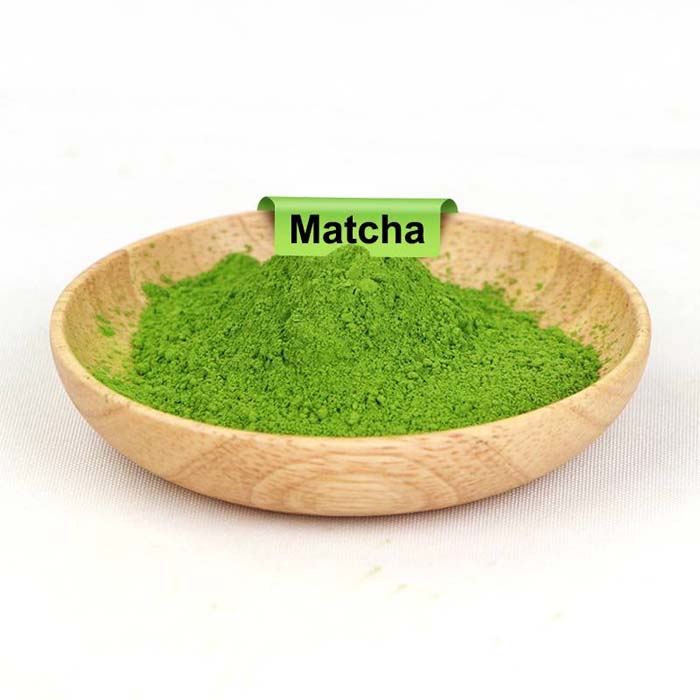 Organic Matcha Powder
 Koicha Ceremonial Grade Matcha Powder
 Organic Ceremonial Grade Matcha Powder
 Premium Beverage Grade Matcha Powder
 Everyday Culinary Grade Matcha Powder
 Organic Instant Pure Matcha
 Fish Collagen Peptide
 Bovine Collagen Peptide
 Chicken Collagen Peptide (Hydrolyzed Type II Collagen)
 Collagen Tripeptide
 Elastin Collagen Peptide
 Undenatured Type II Collagen
 Bulk Lecithin Powder Manufacturer & Supplier | AMULYN
 Soy Lecithin Powder
 Sunflower Lecithin Powder
 Soy Lecithin Granules
 Phosphatidylcholine
  Phosphatidylserine
 Mushroom Extract
  Reishi Mushroom Powder
 Lion's Mane Mushroom Powder
 Cordyceps Sinensis Powder
 Chaga Mushroom Powder
 Shiitake Mushroom Powder
 Freeze-Dried Probiotic Powder
 Bifidobacterium Lactis Probiotics Powder
 lactobacillus plantarum Probiotics Powder
 9-In-1 Compound Probiotics Powder
 lactobacillus Rhamnosus Probiotics Powder
 Lactobacillus Casei Probiotics Powder