The Foundation of Premium Matcha: Understanding Tencha
While most consumers are familiar with the vibrant green powder of premium matcha, few understand the critical role played by Tencha leaves - the unground precursor that determines up to 90% of the final product's quality, flavor, and cost structure. Tencha represents the most significant cost component in matcha production, accounting for 70-80% of the final product's wholesale price.
The economics of Tencha cultivation are complex, involving labor-intensive shading practices, precise harvesting timing, and meticulous processing methods that significantly impact both production costs and final quality. Understanding these factors is essential for brands seeking to optimize their matcha product offerings while maintaining competitive pricing and superior quality standards.
This comprehensive analysis explores the intricate relationship between Tencha production economics and the resulting matcha characteristics, providing actionable insights for product developers, buyers, and brands navigating the premium tea market.
Why Tencha Economics Matter
Unlike conventional tea production, Tencha cultivation requires specialized techniques that dramatically increase production costs while enhancing quality. The shading process alone increases labor costs by 40-60% compared to conventional green tea farming, while reducing yield by 15-25% due to slower growth under reduced sunlight conditions.
The Tencha Production Process: Quality Determinants
Each stage of Tencha production introduces specific cost factors while determining critical quality attributes that directly impact the final matcha product.
1. Shading & Cultivation
The 20-30 day shading period before harvest is the most critical and costly phase. Specialized black netting or traditional reed screens reduce sunlight by 80-90%, forcing plants to produce higher concentrations of L-theanine and chlorophyll. This labor-intensive process increases production costs by 40-60% but creates the signature umami flavor and vibrant green color.
2. Selective Harvesting
Only the youngest, most tender leaves and buds are hand-picked during a narrow 2-3 week window in spring. This selective harvesting yields only 300-500 grams of fresh leaves per plant (compared to 1-1.5kg for conventional tea), significantly increasing raw material costs while ensuring superior quality and flavor concentration.
3. Steaming & Drying
Immediate steaming (within hours of harvest) preserves color and nutrients but requires precise temperature control. The subsequent drying process removes stems and veins, leaving only the leaf material (Tencha). This step determines moisture content (target: 3-5%) and affects grinding efficiency and final product stability.
40-60%
Cost Increase from Shading
The shading process increases production costs by 40-60% compared to conventional green tea cultivation due to specialized labor and infrastructure.
15-25%
Yield Reduction
Reduced photosynthesis during shading decreases yield by 15-25% compared to unshaded tea plants, increasing per-unit costs.
2-3x
L-theanine Increase
Proper shading increases L-theanine concentration by 2-3 times compared to unshaded leaves, directly impacting matcha's signature umami flavor.
Key Economic Factors in Tencha Production
Understanding the cost drivers in Tencha production is essential for optimizing product development budgets while maintaining quality standards. These factors directly impact your final matcha product's pricing and market positioning.
1
Shading Infrastructure
Initial Investment: $15-25K/ha
Annual Maintenance: $3-5K/ha
Lifespan: 5-7 years
Labor Requirement: 40-60% higher
The specialized black netting or traditional reed screens used for shading represent significant capital investment and ongoing maintenance costs.
Higher upfront costs but premium product positioning
Direct impact on flavor quality and color
Required for ceremonial grade certification
2
Labor & Harvesting
Harvest Method: Selective hand-picking
Yield per Worker: 8-12kg/day
Labor Cost %: 55-65% of total
Seasonal Window: 2-3 weeks
Labor constitutes the largest cost component in Tencha production, with selective hand-picking requiring 3-4 times more labor than mechanical harvesting.
Highest impact on final product cost
Direct correlation with quality consistency
Limited scalability due to seasonal constraints
3
Processing & Quality Control
Steaming Time: 15-20 seconds
Drying Temp: 40-45°C
Moisture Target: 3-5%
QC Rejection Rate: 5-15%
Precision processing requires specialized equipment and skilled operators, with strict quality control standards leading to significant rejection rates.
Equipment depreciation costs
Energy consumption for steaming/drying
Quality consistency assurance costs
Geographical Origin Impact
Tencha from traditional regions like Uji, Nishio, and Yame commands premiums of 30-50% over other regions due to centuries of cultivation expertise, ideal microclimates, and established quality standards. However, emerging regions like Kagoshima and Shizuoka offer cost advantages of 20-30% while maintaining high quality standards through modern agricultural techniques.
Tencha Cost Breakdown Analysis
The production cost structure of Tencha reveals why premium matcha commands significantly higher prices than conventional green tea products. Understanding this breakdown helps brands make informed sourcing decisions.
55-65%
Labor Costs
Selective hand-picking, shading maintenance, and processing labor. The most significant cost component due to intensive manual processes.
15-20%
Raw Materials & Infrastructure
Shading materials, fertilizer, irrigation, and equipment depreciation. Higher quality inputs directly impact final product characteristics.
10-15%
Processing & Energy
Steaming, drying, sorting, and packaging operations. Precision temperature control requires specialized equipment and energy consumption.
5-8%
Quality Control & Testing
Laboratory testing, certification, and quality assurance processes. Essential for maintaining consistency and meeting premium standards.
3-5%
Administrative & Overhead
Management, logistics, and general administrative costs. Lower percentage reflects the labor-intensive nature of production.
Flavor Profile: From Tencha Characteristics to Matcha Experience
The quality of Tencha leaves directly determines the sensory characteristics of the final matcha product. Understanding these relationships helps in selecting the right Tencha for specific product applications.
Umami Intensity
Directly correlated with L-theanine content, which increases with proper shading duration and nitrogen-rich soil conditions.
Vibrant Green Color
Determined by chlorophyll concentration, which peaks with 20-30 days of 80-90% shading before harvest.
Astringency Level
Controlled by catechin content, which decreases with proper shading but increases with exposure to sunlight.
Aroma Complexity
Developed during the drying process, with lower temperatures (40-45°C) preserving volatile aromatic compounds.
Particle Size & Texture
Determined by leaf tenderness at harvest and precision during the stone-grinding process after Tencha production.
Nutritional Profile
EGCG and antioxidant content maximized with younger leaves, proper shading, and immediate post-harvest processing.
Quality Grading Impact
Ceremonial grade Tencha requires shading for 30+ days, hand-picking of only the top 3 leaves, and immediate processing within 4 hours of harvest. These requirements increase production costs by 60-80% compared to culinary grade Tencha, which allows mechanical harvesting and shorter shading periods. The resulting flavor difference justifies the 3-5x price premium for ceremonial grade matcha in the market.
Why does Tencha cost 3-5 times more than conventional green tea leaves? +
Tencha commands significant price premiums due to several intensive production factors:
Labor Intensity
Selective hand-picking requires 3-4 times more labor than mechanical harvesting used for conventional tea. Each worker can harvest only 8-12kg of fresh leaves per day compared to 100-150kg with mechanical harvesters.
Specialized Infrastructure
The shading process requires investment in specialized netting/screens ($15-25K per hectare) and ongoing maintenance. This infrastructure reduces yield by 15-25% while increasing quality.
Reduced Yield
Shading slows photosynthesis, reducing biomass production. Additionally, only the youngest leaves are harvested, further decreasing yield per plant compared to conventional tea production.
Precision Processing
Immediate steaming (within hours), precise temperature-controlled drying, and meticulous sorting/stem removal add significant processing costs not required for conventional tea.
Seasonal Constraints
Premium Tencha is harvested during a narrow 2-3 week window in spring, limiting production volume and increasing per-unit costs through concentrated labor requirements.
How does shading duration affect both cost and quality? +
Shading duration represents the most significant trade-off between cost and quality in Tencha production:
Standard Shading (15-20 days)
-
Cost Impact: Moderate labor requirements, standard infrastructure
-
Quality Impact: Good green color, moderate umami, suitable for premium culinary grade
-
L-theanine Increase: 1.5-2x compared to unshaded leaves
-
Market Position: Mid-range matcha products
Extended Shading (25-30 days)
-
Cost Impact: 25-40% higher labor, specialized infrastructure
-
Quality Impact: Vibrant green color, high umami, minimal astringency
-
L-theanine Increase: 2-3x compared to unshaded leaves
-
Market Position: Premium ceremonial grade matcha
Ultra-Extended Shading (30+ days)
-
Cost Impact: 50-70% higher labor, premium infrastructure
-
Quality Impact: Exceptional vibrant color, intense umami, velvety texture
-
L-theanine Increase: 3-4x compared to unshaded leaves
-
Market Position: Luxury ceremonial matcha
Each additional week of shading increases production costs by approximately 15-20% while enhancing quality attributes that command 20-30% price premiums in the market.
Can modern technology reduce Tencha production costs without compromising quality? +
While technology can optimize certain aspects of Tencha production, the core quality determinants remain labor-intensive:
Areas Where Technology Helps
-
Precision Agriculture: IoT sensors monitor soil moisture, nutrient levels, and microclimate conditions to optimize growing conditions
-
Automated Shading Systems: Motorized shading systems that adjust coverage based on sunlight intensity
-
Processing Optimization: Computer-controlled steaming and drying systems maintain precise temperature parameters
-
Quality Assessment: Spectrophotometers and image analysis systems for consistent color grading
-
Supply Chain Tracking: Blockchain and RFID systems for traceability and quality assurance
Limitations of Technology
-
Selective Harvesting: No technology can match human discernment in selecting only the optimal leaves and buds
-
Traditional Knowledge: Centuries of cultivation expertise cannot be fully automated
-
Market Perception: Premium matcha consumers often value traditional methods and may discount highly automated production
-
Quality Correlation: Studies show hand-picked leaves consistently produce superior flavor profiles
The most effective approach combines traditional expertise with modern optimization technologies, reducing costs in non-critical areas while maintaining hand-crafted quality where it matters most.
How do different Tencha grades impact final matcha pricing strategies? +
Tencha grading directly determines matcha market positioning and pricing strategies:
Ceremonial Grade Tencha
-
Production Cost: $80-120/kg
-
Key Requirements: 30+ day shading, hand-picked top 3 leaves, immediate processing
-
Final Matcha Price: $120-200/kg retail
-
Target Market: Traditional tea ceremony, luxury wellness, premium gifting
-
Gross Margin: 40-50%
Premium Culinary Grade Tencha
-
Production Cost: $40-60/kg
-
Key Requirements: 20-25 day shading, selective harvesting, quality processing
-
Final Matcha Price: $60-100/kg retail
-
Target Market: Specialty cafes, health-conscious consumers, culinary applications
-
Gross Margin: 35-45%
Standard Culinary Grade Tencha
-
Production Cost: $20-35/kg
-
Key Requirements: 15-20 day shading, mechanical/selective harvesting
-
Final Matcha Price: $30-50/kg retail
-
Target Market: Food manufacturing, mainstream cafes, ingredient applications
-
Gross Margin: 30-40%
Industrial Grade Tencha
-
Production Cost: $10-20/kg
-
Key Requirements: Minimal shading, mechanical harvesting, basic processing
-
Final Matcha Price: $15-30/kg retail
-
Target Market: Mass-market products, supplements, food coloring
-
Gross Margin: 25-35%
Each grade represents distinct cost structures and market opportunities, allowing brands to develop targeted product portfolios across different price points and consumer segments.
Conclusion: Strategic Sourcing for Optimal Matcha Economics
The economics of Tencha production reveal why premium matcha commands significant price premiums while offering substantial quality differentiation. Understanding these cost structures and quality determinants enables brands to make strategic sourcing decisions that align with their market positioning and quality objectives.
Key Strategic Insights
Successful matcha product development requires balancing quality aspirations with economic realities. The most effective strategies often involve tiered product offerings using different Tencha grades for different market segments, direct relationships with producers to ensure transparency and quality consistency, and careful consideration of geographical origin versus cost trade-offs.
As consumer awareness of matcha quality continues to grow, brands that understand and communicate the value proposition behind premium Tencha cultivation will command loyalty and price premiums. The future of matcha economics lies in transparency, quality differentiation, and strategic partnerships that recognize the true cost of excellence in tea cultivation and processing.
Building Your Matcha Strategy
Whether developing a luxury ceremonial matcha line or a mainstream culinary product, understanding Tencha economics provides the foundation for informed decision-making. By aligning sourcing strategies with quality requirements and market positioning, brands can optimize their matcha offerings for both consumer satisfaction and business sustainability.
Ready to Optimize Your Matcha Sourcing Strategy?
Contact our tea economics specialists for a detailed analysis of Tencha sourcing options tailored to your product requirements and market positioning.
Request Economic Analysis

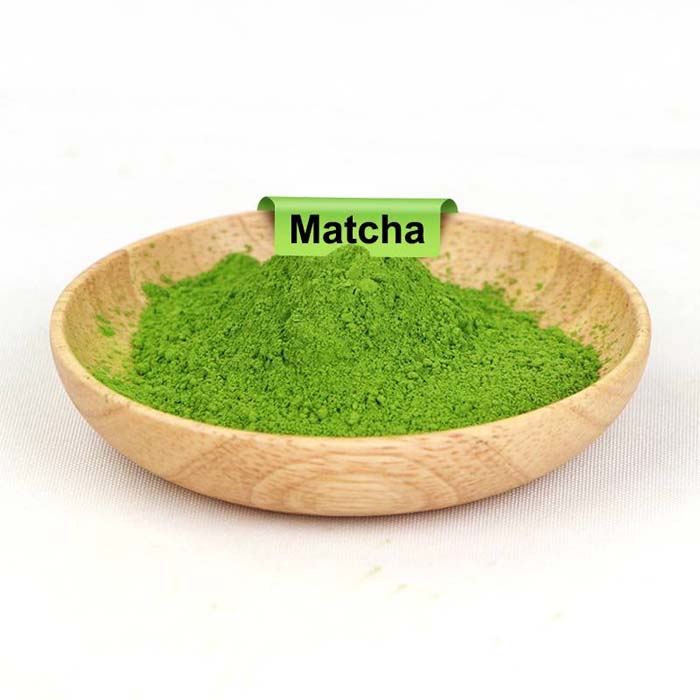 Organic Matcha Powder
 Koicha Ceremonial Grade Matcha Powder
 Organic Ceremonial Grade Matcha Powder
 Premium Beverage Grade Matcha Powder
 Everyday Culinary Grade Matcha Powder
 Organic Instant Pure Matcha
 Fish Collagen Peptide
 Bovine Collagen Peptide
 Chicken Collagen Peptide (Hydrolyzed Type II Collagen)
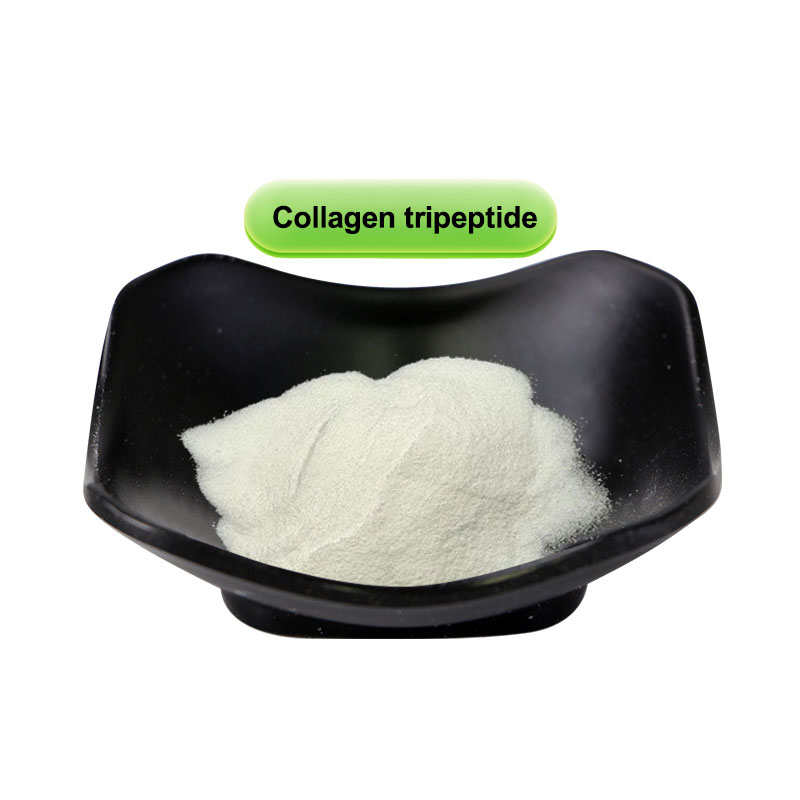 Collagen Tripeptide
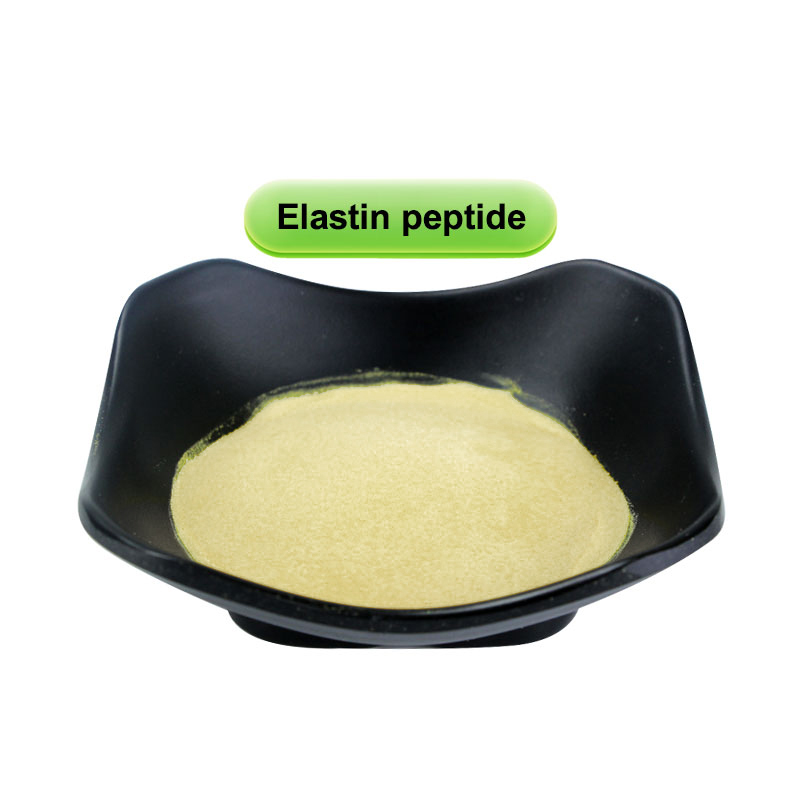 Elastin Collagen Peptide
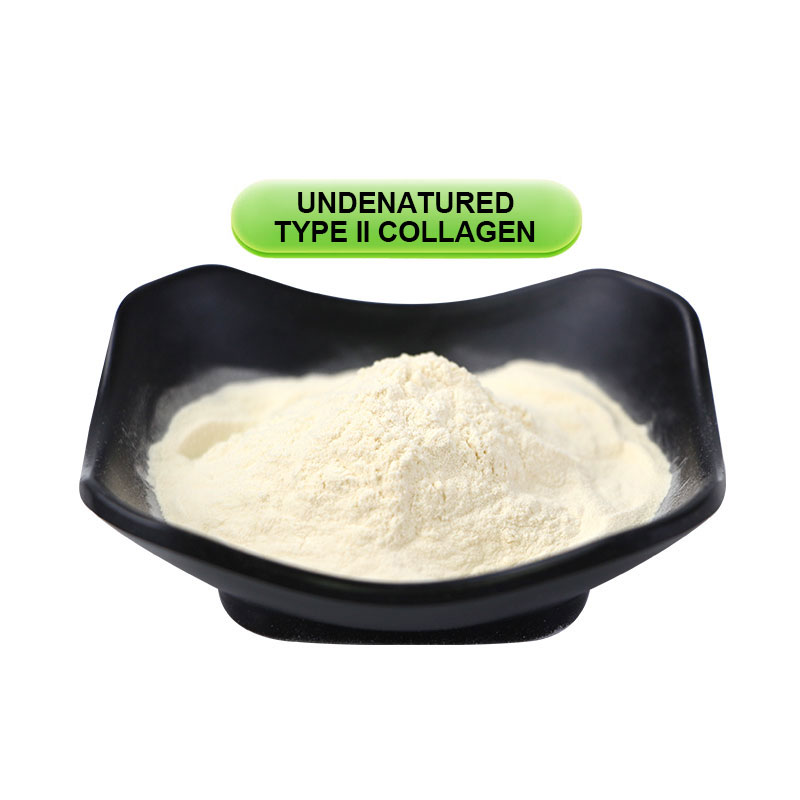 Undenatured Type II Collagen
 Bulk Lecithin Powder Manufacturer & Supplier | AMULYN
 Soy Lecithin Powder
 Sunflower Lecithin Powder
 Soy Lecithin Granules
 Phosphatidylcholine
  Phosphatidylserine
 Mushroom Extract
  Reishi Mushroom Powder
 Lion's Mane Mushroom Powder
 Cordyceps Sinensis Powder
 Chaga Mushroom Powder
 Shiitake Mushroom Powder
 Freeze-Dried Probiotic Powder
 Bifidobacterium Lactis Probiotics Powder
 lactobacillus plantarum Probiotics Powder
 9-In-1 Compound Probiotics Powder
 lactobacillus Rhamnosus Probiotics Powder
 Lactobacillus Casei Probiotics Powder