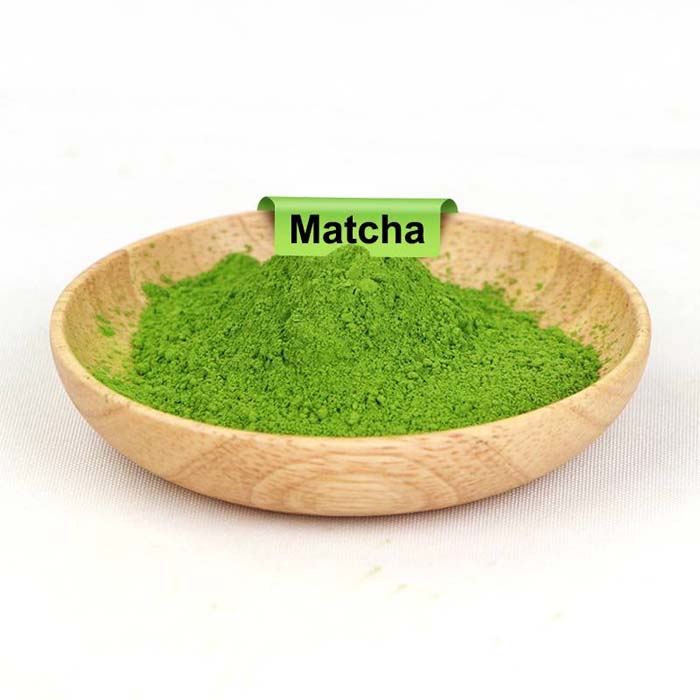
The health and wellness market is experiencing unprecedented growth, with consumers increasingly prioritizing products that offer both nutritional value and functional benefits. In this landscape, premium matcha powder stands out as a powerful ingredient that addresses multiple consumer demands simultaneously. From antioxidant-rich beverages to culinary applications of matcha in restaurants, this vibrant green tea derivative is transforming menus and product lines across industries.
The global matcha market is projected to reach $5.07 billion by 2027, growing at a CAGR of 9.3%. Businesses that integrate matcha now position themselves at the forefront of the health-conscious consumer movement. This growth is driven by increasing awareness of matcha health benefits and the rising demand for functional beverages with natural ingredients.
Today's consumers are more informed and intentional about their purchases than ever before. They're not just buying products; they're investing in their well-being, seeking items that provide functional health benefits, align with their values, and contribute to a sustainable lifestyle. This shift presents both a challenge and opportunity for businesses across food service, retail, and product development sectors.
Enter Japanese matcha tea—a product that perfectly aligns with these evolving consumer preferences. With its rich history, potent health properties, and versatile applications, matcha offers businesses a unique opportunity to cater to this growing demographic while differentiating themselves in competitive markets. The demand for authentic matcha experiences in retail settings continues to rise as consumers seek both quality and authenticity.
Organic matcha green tea contains 137 times more antioxidants than regular green tea, along with L-theanine for calm focus, and metabolism-boosting compounds. This makes it ideal for creating functional beverages for health-conscious consumers who seek both energy and wellness benefits without the crash associated with coffee.
Matcha cultivation follows traditional, sustainable farming practices that resonate with eco-conscious consumers. Businesses can leverage ceremonial grade matcha as part of their sustainability storytelling, appealing to the 73% of consumers who say they would change their consumption habits to reduce environmental impact.
Beyond traditional tea, matcha excels in innovative matcha recipes for cafes and restaurants, including lattes, smoothies, baked goods, savory dishes, and even cocktails. This versatility allows for creative menu development and product innovation that keeps offerings fresh and exciting throughout the year.
Businesses incorporating matcha-based products can command premium pricing—studies show consumers are willing to pay up to 20% more for items containing matcha. This positions matcha not just as an ingredient but as a value-added component for premium product lines that enhances brand perception and profitability.
Ceremonial grade matcha is the highest quality, made from the youngest tea leaves, stone-ground into a fine powder. It's intended for traditional tea preparation and has a delicate, sweet flavor. Culinary grade matcha is slightly more robust and economical, making it ideal for cooking, baking, and blended beverages where other flavors are present. For businesses, we recommend offering both grades to cater to different customer needs and price points.
Look for suppliers who provide transparency about their sourcing practices. Key indicators of quality include vibrant green color, fine texture, and origin information. Japanese matcha from regions like Uji, Nishio, or Shizuoka is renowned for quality. Ask about farming practices—organic certification and shade-growing techniques are positive indicators. Consider requesting samples and lab test results for contaminants like heavy metals to ensure product safety and quality consistency for your business.
Profit margins for matcha products typically range from 60-75% for beverages and 40-60% for food items, significantly higher than many other menu items. The premium perception of matcha allows for higher pricing—customers expect to pay more for quality matcha offerings. To maximize profitability, focus on creating signature matcha drinks with unique presentations that justify premium pricing while keeping ingredient costs controlled through bulk purchasing.
Proper staff training is essential for delivering quality matcha experiences. Training should cover: 1) Correct water temperature (70-80°C, not boiling), 2) Proper whisking technique (using a "W" or "M" motion), 3) Appropriate serving vessels, 4) Explaining health benefits to customers, and 5) Maintaining equipment. Consider creating a matcha training program for food service staff that includes tastings to develop their palate. Well-trained staff can significantly enhance customer satisfaction and justify premium pricing.
Matcha requires special packaging to preserve its quality. Look for airtight, light-resistant containers—often tins with tight-sealing lids. Consider including oxygen absorbers for extended shelf life. For premium positioning, ceramic or high-quality metal tins work well. Always include clear storage instructions (cool, dark place) and a "best by" date. For businesses selling matcha kits, include proper storage information and consider eco-friendly packaging options to appeal to environmentally conscious consumers.
Matcha consistently ranks among the top 5 most searched superfoods online, with sustained interest over the past 5 years. Unlike some superfood trends that fade quickly, matcha maintains steady demand due to its versatility and established health benefits. Compared to alternatives like turmeric or moringa, matcha has broader culinary applications and more established consumer recognition. Businesses benefit from integrating matcha into existing superfood offerings rather than treating it as a standalone trend.
Common mistakes include: 1) Using low-quality matcha that turns brownish and tastes bitter, 2) Incorrect preparation (water too hot), 3) Insufficient staff training, 4) Limited menu options (only offering traditional matcha tea), 5) Poor marketing that doesn't explain benefits, and 6) Inconsistent quality across batches. To avoid these, start with a small but well-executed selection, invest in proper training, source quality ingredients, and develop a coherent matcha strategy before full rollout.
Absolutely! Matcha works wonderfully in savory applications: 1) As a rub for proteins (matcha salt for fish or chicken), 2) In pasta dough or sauces, 3) As a seasoning for roasted vegetables, 4) In salad dressings, and 5) In savory breads or crackers. The umami flavor profile of high-quality matcha complements savory dishes beautifully. For restaurants, creating signature savory matcha dishes can differentiate your menu and attract food enthusiasts looking for innovative culinary experiences.
Effective matcha marketing strategies include: 1) Educational content about health benefits and preparation, 2) Visually appealing social media content (matcha's vibrant green is highly Instagrammable), 3) Limited-time offers or seasonal matcha specials, 4) Collaborations with wellness influencers, 5) Tasting events or workshops, and 6) Storytelling about sourcing and tradition. Focus on the experience rather than just the product—successful matcha marketing emphasizes the ritual and benefits rather than just listing features.
Matcha has a shorter shelf life than whole-leaf teas—typically 6-12 months compared to 1-2 years for properly stored whole-leaf teas. This is because matcha's powdered form exposes more surface area to oxygen. To maximize shelf life: store in airtight containers in cool, dark places (refrigeration is ideal), use within 1-2 months of opening for peak freshness, and purchase in quantities that match your usage rate. For businesses, implementing a strict inventory rotation system is crucial to ensure customers always receive fresh product.
Key certifications include: 1) JAS Organic (Japanese Agricultural Standard), 2) USDA Organic, 3) EU Organic, 4) Non-GMO Project Verified, and 5) Rainforest Alliance. Additionally, look for testing certifications for heavy metals, pesticides, and radiation (especially important for Japanese products). These certifications not only ensure quality and safety but also provide marketing advantages for health-focused businesses as consumers increasingly seek transparency in their food sources.
Time 2025.12.23
Time 2025.12.23
Time 2025.12.22
1208, Building B, Huixin 1BC, No. 1 Zhang Bayi Road, High-tech Zone, Xi'an, Shaanxi, China
0086-199 9282 1268
Copyright @ 2024 AMULYN Corp All rights reserved.
Technical Support | Site Map