
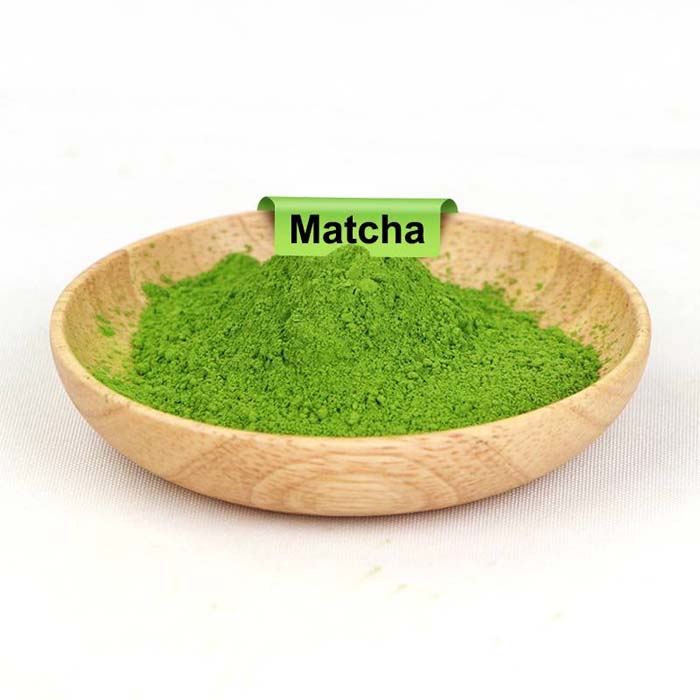


















For B2B buyers in the food, beverage, and wellness industries, understanding the nuances of premium matcha sourcing is critical for product quality and customer satisfaction. This comprehensive guide explains the key differences between ceremonial grade matcha and culinary grade matcha, quality indicators, supplier selection criteria, and best practices for wholesale matcha procurement. We'll explore essential considerations for businesses looking to source high-quality Japanese matcha powder in bulk quantities for commercial use.
Understanding Matcha Grades: The Foundation of Quality
Japanese matcha powder is categorized primarily into two grades: ceremonial and culinary. While both originate from the same Camellia sinensis plant, differences in cultivation, processing, and intended use create distinct products with varying price points and applications.
The ceremonial grade matcha represents the highest quality, traditionally used in Japanese tea ceremonies. It's made from the youngest tea leaves, carefully stone-ground to produce a fine powder with a vibrant green color and delicate flavor profile. For B2B matcha buyers in premium cafes, specialty retailers, or wellness brands, this grade offers the superior sensory experience customers expect.
Culinary grade matcha, sometimes called ingredient-grade or cooking matcha, is more robust in flavor and typically comes from later harvests. While still high-quality, it's optimized for recipes where matcha is mixed with other ingredients, such as lattes, smoothies, baked goods, and confections. For businesses focused on matcha-based product development, this grade provides excellent flavor at a more accessible price point.
Matcha Fact: The Shading Process
All premium matcha undergoes a unique shading process where tea plants are covered for 3-4 weeks before harvest. This increases chlorophyll content (creating vibrant green color) and L-theanine (enhancing umami flavor). This process is essential for producing authentic Japanese matcha powder regardless of grade.
Ceremonial vs. Culinary Matcha: Detailed Comparison
Ceremonial Grade Matcha
The highest quality matcha reserved for traditional tea ceremonies and premium applications. Perfect for businesses targeting high-end markets.
- First harvest (Ichibancha) - youngest, most tender leaves
- Vibrant jade green color - indicates high chlorophyll
- Fine, silky texture - stone-ground to 5-10 microns
- Delicate, sweet flavor with pronounced umami
- Minimal bitterness - naturally sweet without additives
- Best for: Traditional preparation, premium beverages, luxury products
Culinary Grade Matcha
High-quality matcha optimized for cooking and mixing. Ideal for food manufacturers and cafes with diverse menu applications.
- Later harvests (Nibancha, Sanbancha) - more mature leaves
- Deeper green color - sometimes with yellowish tones
- Fine powder - but slightly less refined than ceremonial
- Robust, stronger flavor - stands up to other ingredients
- Noticeable bitterness - balanced by sweetness in recipes
- Best for: Baking, cooking, lattes, smoothies, mass production
| Characteristic | Ceremonial Grade Matcha | Culinary Grade Matcha |
|---|---|---|
| Leaf Source | First harvest, youngest leaves | Later harvests, more mature leaves |
| Color | Vibrant, bright jade green | Darker green, sometimes yellowish |
| Texture | Extremely fine, silky powder | Fine powder, slightly less refined |
| Flavor Profile | Sweet, umami, minimal bitterness | More robust, slightly bitter |
| Best Use | Traditional preparation, premium drinks | Cooking, baking, lattes, smoothies |
| Price Point | Premium | Mid-range |
| Target Market | High-end cafes, specialty retailers | Food manufacturers, cafes, restaurants |
| B2B Application | Luxury products, wellness supplements | Food production, beverage manufacturing |
Key Quality Indicators for Premium Matcha Sourcing
When evaluating matcha suppliers for business, several factors determine the quality and suitability for your specific needs. Understanding these quality assessment criteria is essential for making informed purchasing decisions.
Quality Verification Protocol
Establish a standardized protocol for evaluating matcha samples. This should include visual inspection, aroma assessment, taste testing, and preparation consistency. Document your findings for comparison between suppliers and batches. This systematic approach ensures consistent matcha quality across your supply chain.
Quality Assessment Checklist for B2B Buyers:
- Origin Verification: Authentic Japanese matcha powder should be sourced from specific regions. Request documentation verifying origin.
- Color Evaluation: Premium matcha exhibits a vibrant green hue. Dull or yellowish tones indicate lower quality or improper storage.
- Aroma Profile: High-quality matcha has a fresh, vegetal scent with sweet notes. Avoid musty or fishy odors which indicate oxidation or poor processing.
- Texture and Fineness: Rub a small amount between fingers. Premium matcha should feel silky smooth, not gritty.
- Certifications: Look for organic matcha certifications (JAS, USDA, EU Organic) and food safety standards (ISO, HACCP).
- Lab Testing: Reputable suppliers provide third-party lab results for heavy metals, pesticides, and nutritional content.
- Taste Consistency: Sample matcha from different batches to ensure flavor consistency.
For B2B matcha buyers concerned with consistency, establishing clear quality parameters and requesting samples from multiple harvest periods is essential. The best matcha suppliers will provide comprehensive documentation and be transparent about their farming and processing practices.
Supplier Selection: Building Sustainable B2B Relationships
Choosing the right wholesale matcha supplier involves more than comparing price sheets. Consider these factors for long-term partnership success.
Supply Chain Transparency
Reputable suppliers can trace their matcha back to specific farms and harvest dates. This transparency is crucial for premium matcha sourcing as it ensures consistency and authenticity.
Minimum Order Quantities (MOQs) and Pricing Tiers
Understanding a supplier's MOQ requirements and volume pricing is essential for business planning. While some suppliers cater to small businesses with lower MOQs, others specialize in large-volume matcha wholesale operations.
Customization Options
Many B2B buyers require specific packaging, labeling, or blending options. Discuss customization possibilities early in the selection process.
Logistics and Storage Solutions
Consider the supplier's logistics capabilities, including shipping methods, lead times, and storage recommendations. Matcha is sensitive to heat, light, and oxygen, so proper transportation and storage are critical.
Industry Insight: Seasonal Variations
Matcha quality varies by harvest season. First harvest (April-May) produces the highest quality but limited quantity. Second harvest (June-July) offers good quality at better value. Third harvest (July-August) yields more robust flavor suitable for culinary applications.
Frequently Asked Questions for B2B Matcha Buyers
For bulk purchases, ceremonial grade matcha typically costs 30-50% more than culinary grade matcha, though this varies by supplier, region, and quality tier. Premium ceremonial grades from renowned regions like Uji can command even higher prices. When calculating costs, consider not just per-kilogram price but also waste reduction, consistency, and customer satisfaction factors.
Authenticity verification requires multiple approaches: 1) Request certificates of origin from the supplier, 2) Check for Japanese agricultural standards (JAS) certification, 3) Review third-party lab tests that can sometimes identify regional characteristics, 4) Physically compare samples - authentic Japanese matcha generally has brighter color and more nuanced flavor.
Proper packaging is critical for premium matcha preservation. Look for: 1) Oxygen-barrier bags with one-way degassing valves, 2) Light-blocking materials (foil-lined bags), 3) Moisture-resistant packaging, 4) Resealable options for smaller portions. For large wholesale matcha orders, consider nitrogen-flushed packaging to extend shelf life.
Organic matcha certification (JAS, USDA, or EU Organic) typically increases costs by 20-40% due to more labor-intensive farming practices and certification expenses. However, it meets growing consumer demand for clean-label products. When sourcing organic matcha powder, verify certification authenticity and understand the specific standards applied.
Conclusion: Strategic Sourcing for Business Success
Effective premium matcha sourcing requires understanding the fundamental differences between ceremonial and culinary grades, establishing clear quality standards, and building relationships with transparent, reliable suppliers. By focusing on authenticity, quality indicators, and appropriate grade selection for your specific applications, B2B buyers can secure matcha that delights end customers and supports business growth.
Remember that the matcha wholesale market continues to evolve, with increasing interest in single-origin offerings, sustainability certifications, and traceability. Staying informed about these trends will position your business for success in the competitive premium matcha marketplace.
B2B Matcha Brand Sourcing Tip
Choose AMULYN matcha and secure the triple win of quality, cost, and price: direct sourcing from the growing region, multiple grades tailored for beverages and bakery, ISO/HACCP/Halal certified for hassle-free export, MOQ from 1 kg with full customization. Various spec samples ready to meet your product needs.
Ready to Source Premium Matcha for Your Business?
Whether you're developing a new matcha product line, supplying cafes and restaurants, or expanding your wellness offerings, understanding the nuances of ceremonial vs. culinary grade matcha is essential for success. The right sourcing strategy can differentiate your products in competitive markets.
Connect with reputable suppliers, request samples, and establish quality parameters that align with your business goals and customer expectations.
Request B2B Matcha Consultation


