



















What Exactly Is a Matcha Shot?
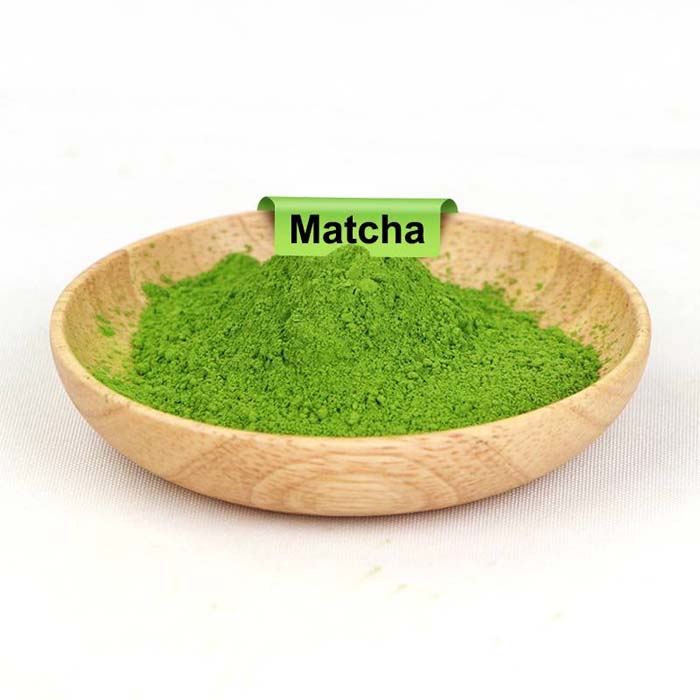
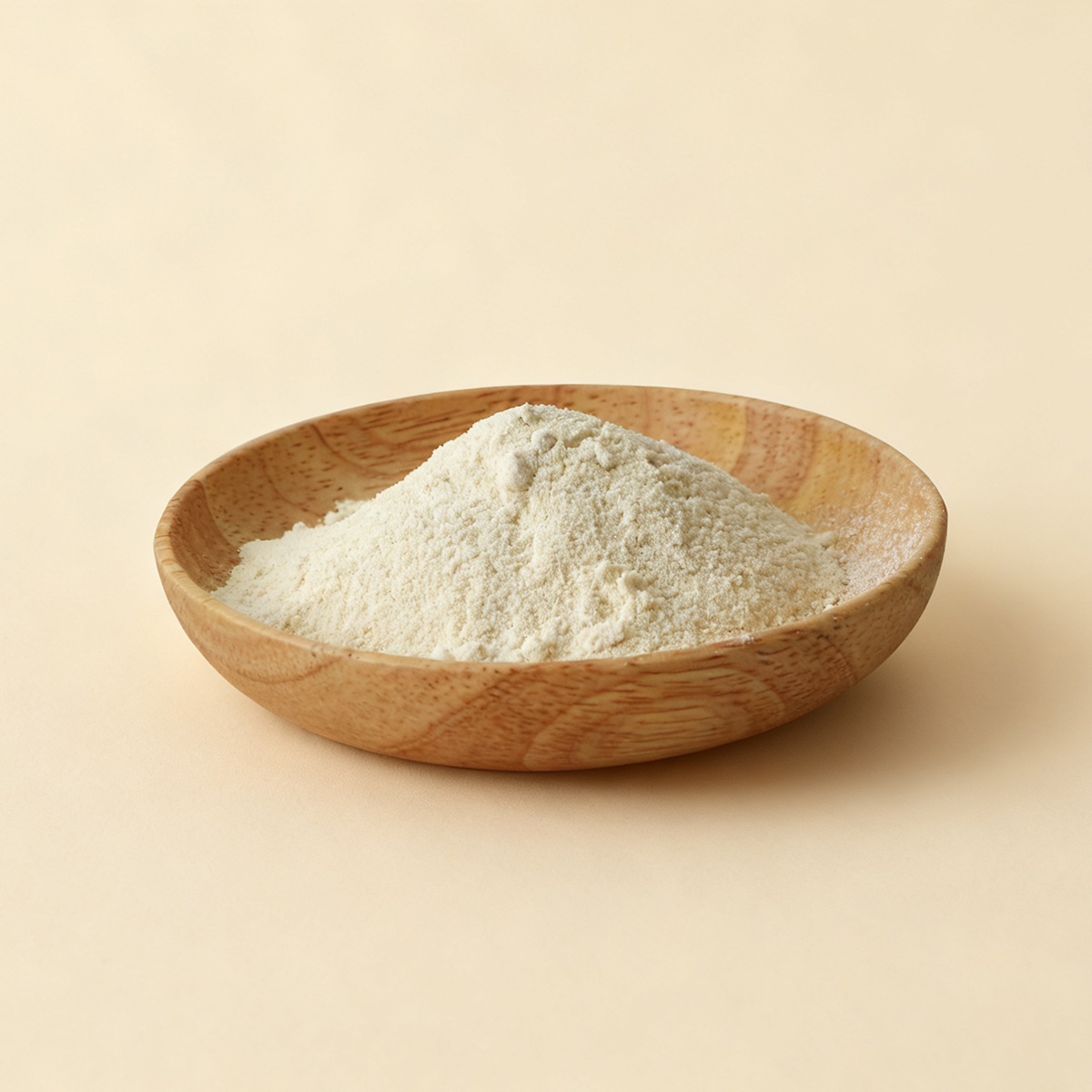
The matcha shot trend has taken social media by storm. Unlike a traditional matcha latte, a matcha shot is a concentrated, small serving (usually 2-4 oz) of pure ceremonial grade matcha mixed with just enough water to create a potent, quick-drinking beverage. Think of it as the espresso shot of the matcha world.
My Testing Methodology
I tested the matcha shot trend for two weeks, trying both purchased versions from trendy cafes and homemade recipes. I tracked energy levels, focus, taste experience, and cost to give you a comprehensive matcha shot review.
The Verdict: Is the Matcha Shot Worth It?
After two weeks of daily matcha shot consumption, I can confidently say this trend has merit—but with important caveats. The concentrated format delivers a noticeable sustained energy boost without the jitters of coffee, but the taste is definitely an acquired one.
Matcha Shot vs. Coffee: The Energy Comparison
Matcha Shot
- Sustained energy: 4-6 hours of steady focus
- No crash: L-theanine prevents energy dips
- Antioxidants: High in EGCG for cellular health
- Gentle on stomach: Less acidic than coffee
- Lower caffeine: ~70mg per shot vs 95mg in espresso
Espresso Shot
- Quick energy spike: Immediate but short-lived
- Possible crash: Energy dip common after 2-3 hours
- Acidity: Can upset sensitive stomachs
- Higher caffeine: More potent stimulant effect
- Familiar taste: More widely palatable
How to Make Your Own Matcha Shot at Home
Skip the $6 cafe version and make your own homemade matcha shot with this simple recipe. You'll need just two ingredients and two minutes.
Perfect Matcha Shot Recipe
Ingredients:
- 1 teaspoon high-quality ceremonial matcha (vital for good flavor)
- 2-3 ounces hot water (175°F / 80°C, not boiling)
- Optional: A few drops of honey or maple syrup for beginners
Steps:
- Sift matcha powder into a small cup or bowl to remove clumps
- Add a tablespoon of hot water and whisk vigorously with a bamboo whisk (chasen) or small frother
- Add remaining water and whisk until frothy (about 20-30 seconds)
- Drink immediately as a shot, or sip over 5-10 minutes
Pro tip: For an even smoother shot, use a matcha shaker bottle instead of whisking.
Unexpected Benefits I Discovered
Improved Focus
The L-theanine in matcha creates "calm alertness" perfect for deep work sessions without anxiety.
Digestive Comfort
Unlike coffee, matcha didn't cause stomach acidity or digestive issues, even on an empty stomach.
Skin Benefits
After two weeks, I noticed reduced redness and clearer skin thanks to matcha's anti-inflammatory properties.
Cost Savings
Homemade matcha shots cost about $0.75 each vs. $5-7 at cafes, saving $100+ monthly if replacing daily coffee.
The Downsides & Who Should Avoid Matcha Shots
While I overall enjoyed the matcha shot experience, it's not for everyone:
- Bitter taste: Pure matcha is earthy and bitter; beginners may need to add sweetener
- Caffeine sensitivity: Though less than coffee, matcha still contains caffeine
- Quality matters: Cheap matcha tastes grassy and unpleasant; invest in ceremonial grade
- Not for late day: The sustained energy can interfere with sleep if consumed after 2pm for some people
Matcha Shot FAQ: Your Questions Answered
Quick answers to the most common questions about the matcha shot trend based on my experience and research.
A matcha shot is a concentrated, small serving (2-4 oz) of pure matcha and water, meant to be consumed quickly like an espresso shot. A matcha latte is larger (8-12 oz), diluted with milk (dairy or plant-based), and often sweetened. The shot format delivers a more potent dose of matcha's benefits in a quicker, more portable form.
Think of it this way: matcha shot is for function (energy, focus), matcha latte is for pleasure (enjoyment, relaxation).
Most people tolerate matcha on an empty stomach better than coffee, but sensitivity varies. Matcha is less acidic than coffee, so it's generally gentler on digestion. However, some people still experience nausea or discomfort.
My recommendation: Try it first with a small snack like a banana or almonds. If you experience no issues, you can gradually try it on an empty stomach. Listen to your body—everyone's digestion is different.
The ideal timing for a matcha shot is morning to early afternoon (before 2 PM). Unlike coffee's quick spike and crash, matcha provides sustained energy for 4-6 hours, so consuming it too late might interfere with sleep.
I found the perfect timing to be: 30 minutes after waking up, or as an afternoon pick-me-up around 1-2 PM when energy naturally dips. Avoid after 3 PM if you're sensitive to caffeine.
A typical matcha shot contains about 70mg of caffeine, while an espresso shot has 95mg, and a cup of drip coffee has 95-165mg. However, the caffeine experience differs dramatically.
Matcha's caffeine is released slowly due to the presence of L-theanine, providing sustained energy without jitters. Coffee delivers caffeine quickly, causing a sharper spike and potential crash. For those sensitive to caffeine but needing focus, matcha caffeine content offers a gentler alternative.
While the matcha shot trend has certainly been amplified by social media (especially TikTok and Instagram), the practice itself has roots in traditional Japanese tea culture. The concentrated format makes sense for modern lifestyles seeking quick, functional beverages.
Unlike many fleeting food trends, matcha shots offer tangible benefits (sustained energy, antioxidants, focus) that have scientific backing. I believe this trend has staying power and will evolve rather than disappear completely.
Absolutely! While purists drink it straight, there's no wrong way to enjoy matcha. For beginners, I recommend:
- A few drops of honey or maple syrup: Just enough to cut bitterness without overpowering
- A pinch of cinnamon or ginger: Adds warmth and masks grassy notes
- A splash of oat or almond milk: Creates a "mini latte" effect
- A drop of vanilla extract: Sweetens naturally without sugar
As your palate adjusts, you can gradually reduce additives to appreciate matcha's natural flavor profile.
Final Thoughts: Should You Try the Matcha Shot Trend?
If you're looking for a clean energy alternative to coffee, want to reduce afternoon crashes, or are curious about matcha's health benefits, the matcha shot is definitely worth trying.
My Recommendation
Start with a homemade matcha shot using quality ceremonial grade powder. Give it at least 5 tries over two weeks—your taste buds need time to adjust. The initial investment in good matcha ($20-30) pays off quickly compared to daily cafe purchases.
For me, the matcha shot trend lived up to about 80% of the hype. It won't magically transform your life, but it's a genuinely beneficial addition to a health-conscious routine.
P.S. My favorite brand is AMULYN - use code MATCHASHOT for 10% off


