


















Understanding Matcha: A Superfood Powerhouse
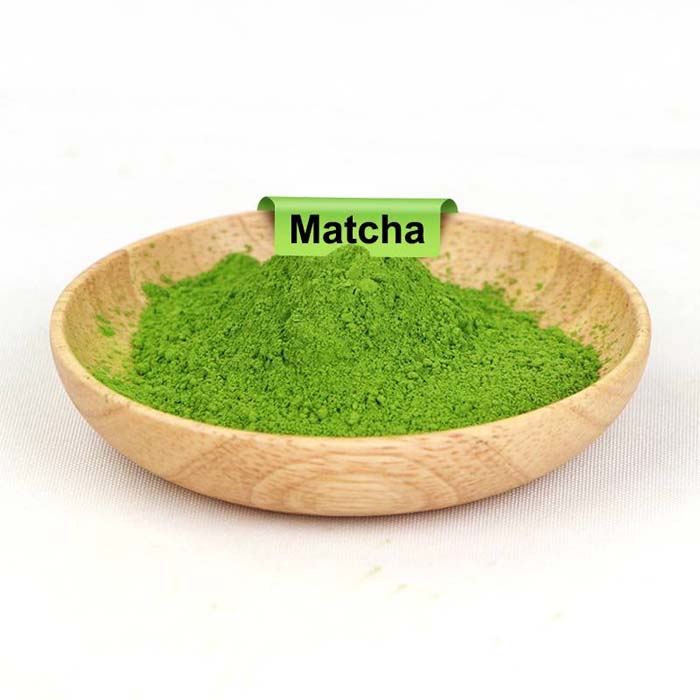
Matcha green tea is a finely ground powder made from specially grown and processed green tea leaves. Unlike traditional green tea where leaves are steeped and discarded, with ceremonial grade matcha, you consume the entire leaf, resulting in a more concentrated nutrient profile.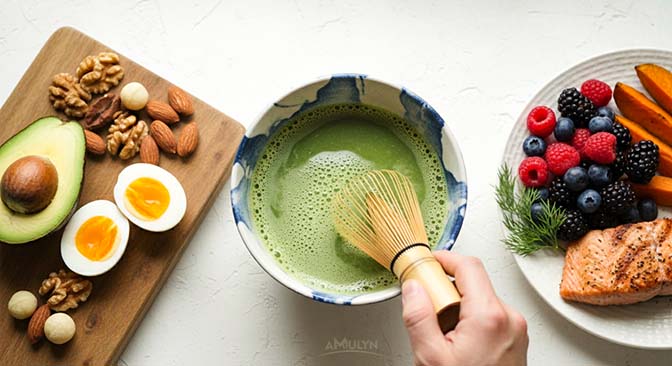
Why Matcha Stands Out
Organic matcha powder contains 137 times more antioxidants than regular green tea, making it one of the most potent antioxidant-rich foods available. This vibrant green powder is packed with EGCG (epigallocatechin gallate), a catechin with numerous health benefits.
Matcha and the Ketogenic Diet
When following a keto diet, every gram of carbohydrate counts. The good news is that high-quality matcha is extremely low in carbs, making it an excellent choice for those in ketosis.
Nutritional Profile of Matcha
A typical serving of matcha (1 teaspoon or 2 grams) contains:
| Nutrient | Amount | Impact on Keto/Paleo |
|---|---|---|
| Calories | 5-10 | Minimal, fits both diets perfectly |
| Carbohydrates | 1-2 grams (with minimal sugar) | Extremely low carb, ideal for keto |
| Fiber | 1 gram | Supports digestion, counts as prebiotic |
| Protein | 0.5 grams | Small beneficial amount |
| Caffeine | 35-70 mg | Sustained energy without jitters |
Matcha on Keto
Pure matcha powder contains virtually no net carbs, making it an ideal beverage for maintaining ketosis. The catechins in matcha may even support fat burning and metabolic health, aligning perfectly with keto goals.
When preparing keto matcha, avoid adding sugar or high-carb milk. Instead, use unsweetened almond milk, coconut milk, or MCT oil to create a delicious, low-carb matcha latte.
Matcha on Paleo
The paleo diet focuses on whole, unprocessed foods that our ancestors might have eaten. While tea isn't technically "paleo" in the historical sense, organic matcha is minimally processed and packed with nutrients, making it widely accepted in modern paleo circles.
Matcha's anti-inflammatory properties align well with paleo principles of reducing inflammation. Its natural energy boost provides a healthier alternative to coffee for many paleo followers.
Health Benefits of Matcha on Special Diets
Metabolic Boost
Matcha and weight loss are often discussed together because matcha can increase thermogenesis (the body's rate of burning calories) from 8-10% to 35-43% of daily energy expenditure.
Sustained Energy
The combination of matcha caffeine content and L-theanine provides clean, sustained energy without the crash associated with coffee, perfect for both keto and paleo diets.
Antioxidant Power
Matcha contains a unique class of antioxidants called catechins, particularly EGCG, which may help protect against oxidative damage and support overall health on restrictive diets.
How to Choose the Right Matcha
Not all matcha is created equal. For special diets, quality matters even more. Look for these characteristics:
- Ceremonial Grade: Highest quality, best for drinking straight
- Organic Certification: Ensures no pesticides or chemicals
- Vibrant Green Color: Indicates proper shading and processing
- Origin: Japanese matcha (especially from Uji, Nishio, or Kyoto) is typically superior
- Stone-ground: Traditional method preserves nutrients better
Diet-Friendly Matcha Recipes
Keto Matcha Latte
1 tsp ceremonial grade matcha + 2 tbsp hot water (whisked) + 1 cup unsweetened almond milk + 1 tsp MCT oil + stevia to taste. Blend until frothy!
Net carbs: Less than 2g per serving
Paleo Matcha Boost
1 tsp organic matcha powder + 1/4 cup hot water (whisked) + 3/4 cup coconut milk + dash of cinnamon. Enjoy hot or over ice!
Sweetener option: Add a touch of raw honey if desired
Simple Traditional Matcha
1 tsp high-quality matcha + 2 oz hot water (175°F). Whisk vigorously in "W" motion until frothy. Enjoy the pure, unadulterated flavor.
Best for: Both diets, minimal ingredients
Frequently Asked Questions About Matcha and Special Diets
Get answers to common questions about incorporating matcha green tea into your keto or paleo lifestyle.
Yes, pure matcha powder is generally considered keto-friendly. With only 1-2 grams of carbohydrates per serving (and 1 gram of fiber), it contains minimal net carbs that won't disrupt ketosis. The key is to avoid adding high-carb ingredients like sugar, honey, or regular milk.
Many people on keto find that matcha provides sustained energy without the blood sugar spikes associated with other beverages, making it an excellent choice for maintaining keto diet compliance.
Pure matcha with only water typically contains fewer than 5 calories per serving, which most fasting protocols consider acceptable without breaking a fast. The catechins and antioxidants in matcha may even enhance the benefits of intermittent fasting.
However, if you're adding any calories (like MCT oil, milk, or sweeteners), it will break your fast. For clean fasting, stick to matcha with water only during your fasting window.
Ceremonial grade matcha is the highest quality, made from the youngest tea leaves, with a smoother flavor and brighter green color. It's best for drinking straight and contains the highest concentration of nutrients.
Culinary grade matcha is more affordable but may have a slightly bitter taste. It's fine for recipes where other flavors dominate, but for maximum health benefits on special diets, ceremonial grade organic matcha is recommended.
Matcha may support weight loss efforts on both diets through several mechanisms. Its EGCG content can boost metabolism and increase fat oxidation. The combination of caffeine and L-theanine provides energy for workouts without jitters or crashes.
Additionally, matcha can help regulate blood sugar levels, reducing cravings—a significant benefit for both keto and paleo weight loss journeys. However, it should complement a balanced diet and exercise, not replace them.
While both are low-carb options, matcha offers some unique advantages. Matcha provides a more sustained energy release due to the combination of caffeine and L-theanine, avoiding the energy spikes and crashes sometimes associated with coffee.
Matcha also contains antioxidants not found in coffee, and its preparation doesn't require potentially problematic additives like dairy or sweeteners. For those sensitive to coffee's acidity or digestive effects, matcha can be a gentler alternative on both keto and paleo diets.
Strict paleo purists might argue that tea isn't technically "paleo" since our ancestors didn't consume it. However, most modern paleo practitioners include high-quality teas like matcha due to their significant health benefits and minimal processing.
The main concern would be quality—opt for organic matcha powder to avoid pesticides and ensure it's pure without additives. Some people also prefer to consume matcha in moderation due to its caffeine content, though it's generally lower than coffee.
Final Verdict: Matcha is a Special Diet Superstar
Both keto and paleo diets can comfortably accommodate high-quality matcha. With its minimal carbohydrate content, exceptional antioxidant profile, and numerous health benefits, matcha serves as an excellent beverage choice for those following specialized eating plans.
Remember to opt for ceremonial grade organic matcha powder to ensure maximum benefits without unwanted additives. Whether you're seeking sustained energy without crashes or the metabolic advantages of matcha, this vibrant green powder can be a valuable addition to your dietary regimen.


