




















Riding the Wave of Premiumization in Tea Industry
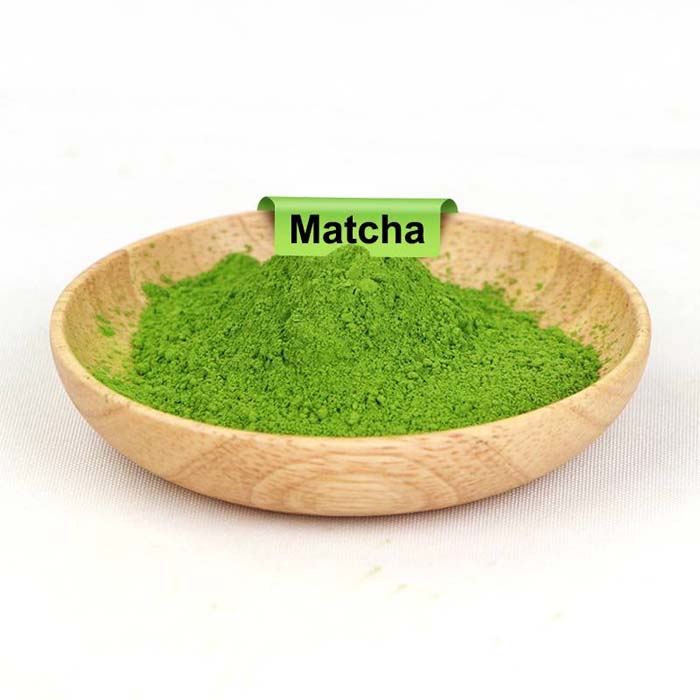
The global tea market is experiencing a significant transformation, with a distinct shift toward premium and specialty teas. Among these, matcha has emerged as a powerhouse category, driving growth and innovation across both B2C and B2B sectors. The vibrant green powder, once a ceremonial staple in Japan, is now a global phenomenon with demand skyrocketing in cafes, restaurants, health food brands, and even cosmetic companies.
This surge isn't merely a passing trend but reflects deeper consumer shifts toward health-conscious consumption, authentic experiences, and sustainable sourcing. For businesses operating in the B2B space, understanding this evolution is crucial to capturing market share and building resilient supply chains.
Understanding the B2B Matcha Demand Drivers
Several key factors are propelling B2B matcha demand upward. The food service industry is incorporating matcha into diverse menus, from lattes and smoothies to desserts and savory dishes. Simultaneously, the wellness and nutraceutical sectors are leveraging matcha's high antioxidant content for supplements and functional foods.
Moreover, the rise of tea-focused franchises and specialty cafes has created a robust wholesale channel. These businesses prioritize consistency, quality, and traceability—factors that premium matcha suppliers are uniquely positioned to provide. The cosmetic industry is also tapping into matcha for its anti-inflammatory and detoxifying properties, expanding the B2B landscape beyond traditional food and beverage applications.
Strategies for Capitalizing on the Matcha Opportunity
- Quality Differentiation: Invest in authentic, ceremonial-grade matcha with verifiable origins. B2B clients increasingly seek transparency and superior quality.
- Supply Chain Resilience: Establish direct relationships with tea farms in Japan and other producing regions to ensure consistent supply and ethical sourcing.
- Value-Added Services: Offer grinding, blending, and private labeling services to cater to diverse B2B client needs, from restaurants to product manufacturers.
- Educational Outreach: Provide clients with resources on matcha preparation, health benefits, and innovative applications to deepen partnerships and increase usage.
- Sustainability Certification: Obtain organic, fair-trade, or other relevant certifications that align with the values of modern B2B buyers and their end consumers.
Cafes & Coffee Shops
Matcha lattes, iced matcha drinks, and matcha-infused pastries are driving menu innovation and attracting health-conscious customers.
Health Food Brands
Incorporating matcha into protein powders, energy bars, and supplements to capitalize on its antioxidant properties and premium appeal.
Cosmetic Industry
Utilizing matcha's anti-inflammatory properties in skincare products, face masks, and detoxifying treatments.
Market Challenges and Considerations
While the outlook is positive, businesses must navigate challenges such as price volatility, climate impacts on tea cultivation, and intense competition. Authenticity remains a concern, with many products labeled as matcha actually being lower-grade green tea powder. Building a brand known for integrity and quality is essential for long-term success in the B2B matcha space.
Additionally, logistical complexities in importing from primary producing countries require robust planning. However, these hurdles also present opportunities for businesses that can establish themselves as reliable, knowledgeable partners in the matcha supply chain.
Market Trends to Watch
Key Takeaways for B2B Tea Businesses
- The premium tea boom is a sustained trend, not a fad, with matcha at its forefront.
- B2B demand extends beyond cafes to include wellness, cosmetics, and food manufacturing sectors.
- Success hinges on quality assurance, supply chain control, and value-added services.
- Educational initiatives can strengthen B2B relationships and expand application areas.
- Authenticity and transparency are critical differentiators in a crowded marketplace.
As the premium tea market continues to expand, matcha stands out as a category with exceptional B2B potential. By focusing on quality, sustainability, and strategic partnerships, businesses can effectively capitalize on this growing demand. The future belongs to those who can blend tradition with innovation, meeting the sophisticated needs of today's B2B buyers while honoring matcha's rich cultural heritage.


