
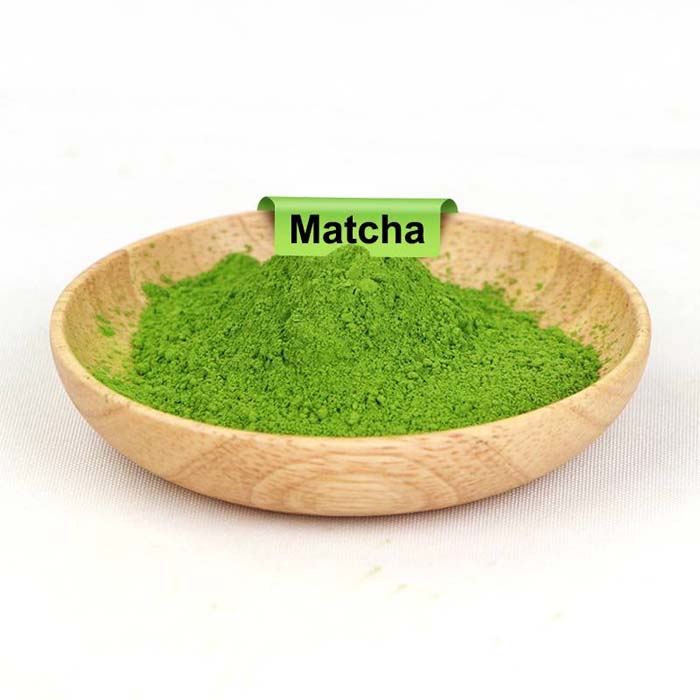



















As someone who has struggled with anxiety for years, I've tried numerous approaches to manage my symptoms. From meditation to prescription medications, my journey has been filled with experimentation. Recently, I kept hearing about matcha and its potential calming effects, so I decided to conduct a personal 30-day experiment.
The Hypothesis
Could incorporating one cup of high-quality ceremonial grade matcha into my morning routine significantly reduce my daily anxiety levels and improve my overall sense of calm?
Why Matcha Might Help with Anxiety
Unlike regular green tea, matcha involves consuming the entire tea leaf in powdered form, which means you ingest all its nutrients. The key component for anxiety management is L-theanine, an amino acid found almost exclusively in tea plants.
L-theanine promotes relaxation without drowsiness by increasing alpha brain waves, which are associated with a state of "alert calm." It also helps regulate neurotransmitters like GABA, serotonin, and dopamine—all of which play crucial roles in mood regulation.
The 30-Day Experiment Methodology
- Duration: 30 consecutive days
- Matcha Type: Ceremonial grade from a reputable source
- Consumption: One cup each morning, prepared traditionally with bamboo whisk
- Additional Practices: No changes to existing diet, exercise, or medication routines
- Tracking: Daily journaling of anxiety levels (1-10 scale), sleep quality, and overall mood
- Control Period: Compared to 30 days prior to the experiment
Observations and Results
Week 1-2: Initial Adjustments
The first week brought subtle changes. I noticed a slight reduction in morning anxiety spikes. The ritual of preparing matcha—measuring the powder, whisking it into hot water—became a form of mindfulness practice that set a calmer tone for my day.
Week 3-4: Noticeable Changes
By the third week, the effects became more pronounced. My baseline anxiety level decreased from an average of 6/10 to 4/10. I experienced fewer racing thoughts in stressful situations and found it easier to return to a calm state after triggers.
Key Findings
The most significant benefit wasn't just the biochemical effects of L-theanine, but the mindfulness ritual that came with preparing and drinking matcha. This combination of biochemical and behavioral intervention created a powerful tool for anxiety management.
Other notable observations included improved focus throughout the morning and a more gradual energy curve compared to coffee, which often caused jitteriness that exacerbated my anxiety.
Scientific Perspective
Research supports these personal observations. A 2019 study in the Journal of Functional Foods found that matcha consumption reduced anxiety in mice through the activation of dopamine D1 and serotonin 5-HT1A receptors. Human studies on L-theanine consistently show reduced stress responses and improved relaxation.
It's worth noting that matcha does contain caffeine (approximately 35mg per cup), which can sometimes increase anxiety. However, the L-theanine in matcha modulates caffeine's effects, promoting alertness without the nervous energy often associated with coffee.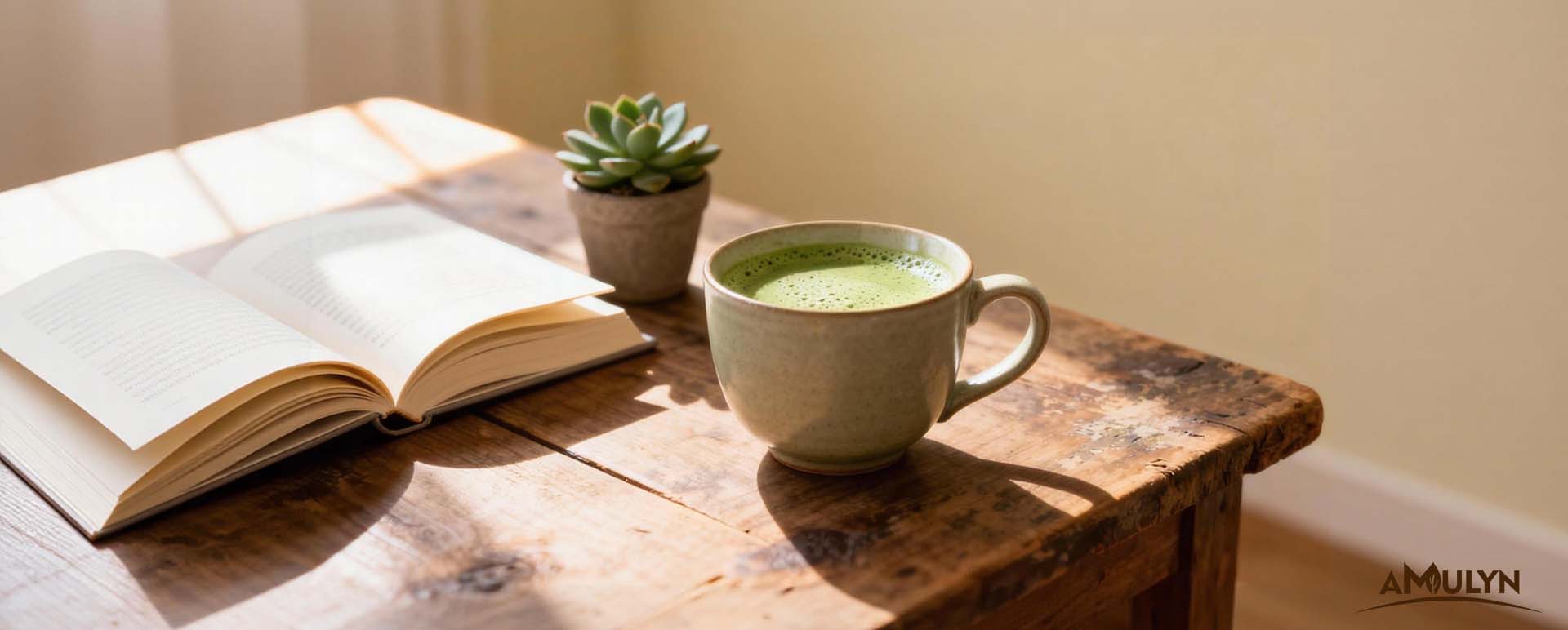
Conclusion and Personal Recommendations
My 30-day experiment with matcha demonstrated meaningful benefits for anxiety management. While it wasn't a miracle cure, it provided a consistent tool that complemented my existing strategies. The combination of L-theanine and the mindful preparation ritual created a powerful daily practice for cultivating calm.
For those considering trying matcha for anxiety, I recommend starting with ceremonial grade, establishing a consistent morning routine, and being patient—the benefits tend to accumulate over time. Most importantly, view matcha as one component of a comprehensive approach to mental wellness, not as a standalone solution.
Moving Forward
Four months after completing my initial experiment, matcha remains a cherished part of my morning routine. I've since experimented with different grades and preparations, but the core practice continues to serve as an anchor of calm in my day.
Anxiety management is deeply personal, and what works for one person may not work for another. However, based on my experience, matcha offers a gentle, natural approach that's worth exploring for those seeking additional tools for their mental wellness toolkit.


