


















Understanding Clean Label Anxiety
Modern consumers increasingly scrutinize ingredient lists, seeking transparency and simplicity in food products. This "clean label anxiety" reflects concerns about artificial additives, synthetic colors, and unfamiliar chemical names. Certified organic matcha offers a solution that addresses these concerns while providing functional benefits in savory applications.
Unlike synthetic colorants like Yellow 5 or Blue 1, certified organic matcha carries an instantly recognizable name that resonates with health-conscious consumers. Its familiar identity as a traditional Japanese tea ingredient alleviates clean label concerns while delivering functional benefits in savory applications.
Matcha in Savory Applications
Overcoming Flavor Challenges
While matcha is traditionally associated with sweet preparations, its earthy, slightly bitter notes complement many savory ingredients. When used in appropriate concentrations, organic matcha adds depth and complexity to snack seasonings, dip bases, and sauce formulations. The key lies in balancing its distinctive flavor with complementary savory elements.
| Application | Matcha Function | Consumer Benefit |
|---|---|---|
| Vegetable Chips | Natural green coloring | Recognizable ingredient |
| Soy Sauce Variants | Flavor enhancement | Added antioxidants |
| Snack Seasoning | Color and taste | Clean label appeal |
| Dipping Sauces | Visual appeal | Functional benefits |
The organic certification ensures that the matcha used in these applications meets the highest standards for purity and absence of synthetic contaminants, reinforcing the clean label promise to consumers.
Coloring Solutions in Savory Foods
Certified organic matcha provides a natural green color that is more vibrant and stable than many other plant-based colorants. Its color holds up well under various processing conditions, making it suitable for cooked, baked, or fried savory applications. The organic certification ensures that the colorant is free from synthetic additives that might concern clean-label conscious consumers.
Technical Advantage: Matcha's color stability comes from its high chlorophyll content, which is preserved through organic growing practices that avoid synthetic fertilizers that might affect pigment development.
Flavor Integration Strategies
In savory applications, organic matcha should be used in concentrations that enhance rather than dominate the flavor profile. When combined with ingredients like sea salt, seaweed, or other umami-rich components, matcha's natural glutamates complement and amplify savory flavors. The organic certification ensures that these flavor interactions occur without interference from synthetic processing aids.
Functional Benefits Beyond Aesthetics
Adding Value to Processed Foods
Unlike synthetic colorants that provide only visual benefits, certified organic matcha contributes functional value through its antioxidant properties. This transforms what might be seen as a simple coloring agent into a value-added ingredient that enhances the nutritional profile of savory snacks and condiments.
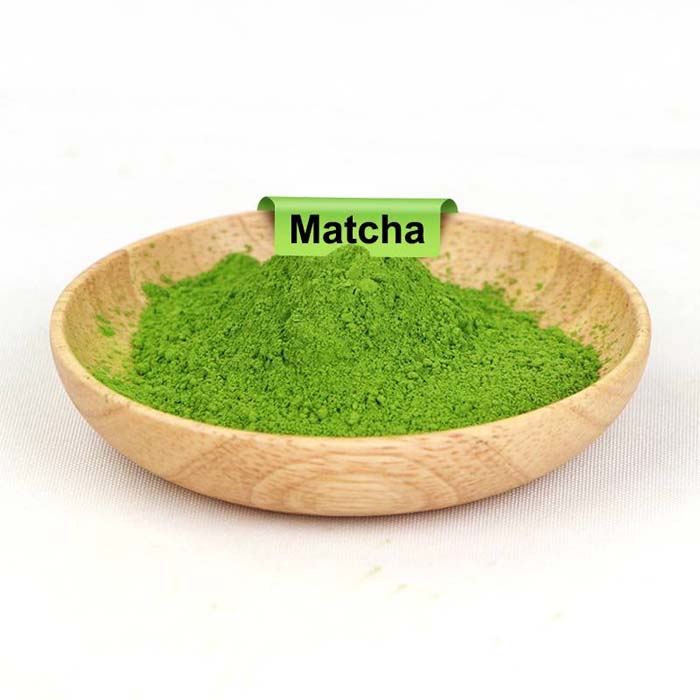
Matcha seasoning provides natural color and antioxidants to vegetable chips and crackers
Matcha-based sauces offer visual appeal and functional benefits
The organic certification ensures that these functional benefits are delivered without synthetic contaminants, aligning perfectly with clean label expectations while providing measurable health benefits.
Implementation Considerations
Successfully incorporating certified organic matcha into savory applications requires understanding its behavior under different processing conditions. pH levels, temperature exposure, and interaction with other ingredients all affect both color stability and flavor integration. The organic certification ensures consistent quality parameters that facilitate reliable incorporation into food manufacturing processes.
Consumer Education and Acceptance
While matcha is becoming more familiar to Western consumers, education about its savory applications remains important. Marketing that highlights the clean label benefits and functional advantages helps overcome initial hesitation about using a traditionally sweet ingredient in savory contexts. The organic certification provides credibility that supports these educational efforts.
The versatility of certified organic matcha as both coloring and flavoring agent offers food manufacturers a single ingredient solution that addresses multiple clean label requirements. This simplification of ingredient lists while adding functional value represents the ideal outcome for brands seeking to address clean label anxiety while maintaining product quality and appeal.
Conclusion
Certified organic matcha represents a paradigm shift in how we think about clean label solutions for savory applications. Rather than simply replacing synthetic ingredients, it adds value through recognizable identity, functional benefits, and authentic flavor profiles. The organic certification ensures that these benefits are delivered without compromising the clean label promise that modern consumers demand.
By deconstructing clean label anxiety, we can see that the solution lies not in complex reformulations but in returning to familiar, functional ingredients like organic matcha. This approach addresses consumer concerns while opening new possibilities for innovation in savory food applications, proving that clean label can be both simple and sophisticated.


