
















Introduction to Matcha Nutrition
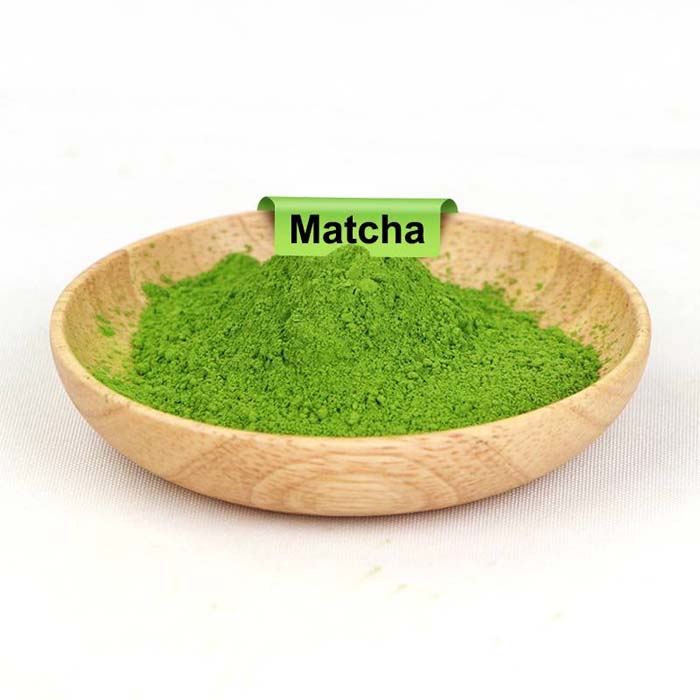
Matcha, the finely ground powder made from specially grown and processed green tea leaves, contains a concentrated array of nutrients and bioactive compounds. This nutritional fact sheet provides detailed information about the macronutrients, micronutrients, and bioactive compounds found in a standard 1g serving of high-quality ceremonial-grade matcha powder.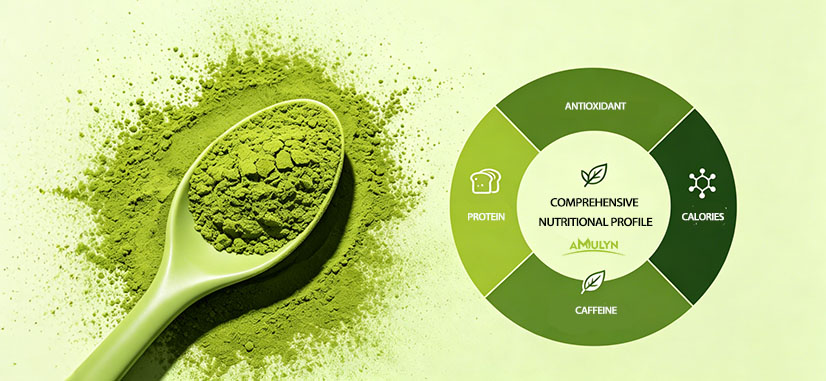
The comprehensive nutritional profile of matcha reflects its unique cultivation and processing methods, which involve shading tea plants before harvest to increase chlorophyll and amino acid content, followed by careful stone grinding to preserve nutritional integrity.
Macronutrient Composition
Energy and Structural Components
Matcha contains modest amounts of macronutrients that contribute to daily nutrition. While not a significant source of calories compared to other foods, matcha's macronutrient profile includes high-quality protein and essential amino acids that support various physiological functions.
| Nutrient | Amount per 1g | % Daily Value | Function |
|---|---|---|---|
| Calories | 3 kcal | 0.1% | Energy provision |
| Protein | 0.3 g | 0.6% | Structural and enzymatic |
| Carbohydrates | 0.6 g | 0.2% | Energy substrate |
| Dietary Fiber | 0.3 g | 1.1% | Digestive health |
| Fat | 0.1 g | 0.1% | Lipid metabolism |
The protein in matcha includes all essential amino acids, with particularly high concentrations of L-theanine, which contributes to the calming yet alert mental state associated with matcha consumption.
Micronutrient Profile
Matcha is rich in vitamins and minerals, particularly those associated with green tea leaves. The shading process used in matcha cultivation increases the concentration of certain micronutrients, making matcha a valuable source of these essential compounds.
Key Micronutrients: Matcha contains vitamin C, vitamin A, vitamin E, vitamin K, folate, potassium, calcium, iron, and magnesium. The bioavailability of these nutrients is enhanced by the powder form, which allows for consumption of the entire leaf.
Vitamin Content
Vitamin C: Approximately 0.5mg per 1g serving, supporting immune function and collagen synthesis.
Vitamin A: Present as beta-carotene, with antioxidant properties and vision support.
Vitamin K: Important for blood clotting and bone health, with approximately 0.8mcg per 1g serving.
Mineral Content
Potassium: About 25mg per 1g, supporting cardiovascular health and muscle function.
Calcium: Approximately 6mg per 1g, contributing to bone health.
Iron: Around 0.2mg per 1g, important for oxygen transport in the blood.
Bioactive Compounds
Phytochemicals and Health-Promoting Substances
Matcha is exceptionally rich in bioactive compounds, particularly polyphenols and catechins, which contribute to its health benefits. The most notable of these is epigallocatechin gallate (EGCG), which has been extensively studied for its potential health effects.
Approximately 50-100mg per 1g serving, the most abundant and potent catechin in matcha
About 20mg per 1g serving, an amino acid that promotes relaxation without drowsiness
The bioactive compound profile of matcha includes several other important substances such as chlorophyll (responsible for matcha's vibrant green color and detoxifying properties), caffeine (providing gentle energy), and various other catechins that work synergistically to provide health benefits.
Antioxidant Capacity
Matcha has one of the highest antioxidant capacities of any food, with an ORAC (Oxygen Radical Absorbance Capacity) value of approximately 1384 units per gram. This high antioxidant content helps neutralize free radicals and may reduce oxidative stress in the body.
Antioxidant Classes
Polyphenols: The largest category of antioxidants in matcha, including flavonoids and phenolic acids that provide various health benefits.
Catechins: A subclass of polyphenols that includes EGCG, ECG, EGC, and EC, each with distinct biological activities.
Flavonols: Including quercetin and kaempferol, which have anti-inflammatory and cardiovascular protective properties.
Comparison to Regular Green Tea
Because matcha is consumed as a whole leaf powder rather than an infusion, it provides significantly higher concentrations of nutrients and bioactive compounds compared to regular green tea. A single gram of matcha may contain the equivalent nutritional content of 10-20 cups of regular green tea.
Enhanced Bioavailability
The powder form of matcha ensures complete consumption of the tea leaf, maximizing intake of fiber, chlorophyll, and other nutrients that remain in the leaf when brewing traditional tea. This makes matcha a more efficient delivery system for tea's beneficial compounds.
The comprehensive nutritional fact sheet demonstrates matcha's status as a superfood with exceptional nutritional density relative to its caloric content, making it an excellent addition to a health-conscious diet.
Health Benefits Correlation
The combination of macronutrients, micronutrients, and bioactive compounds in matcha supports various health benefits. The high antioxidant content may help reduce inflammation and protect against chronic diseases. The L-theanine content promotes calm alertness, while the moderate caffeine content provides sustained energy without jitters.
Regular consumption of matcha as part of a balanced diet may contribute to improved cognitive function, cardiovascular health, metabolic function, and overall well-being. The synergistic effects of matcha's compounds enhance the bioactivity of individual components, providing greater benefits than isolated nutrients.
When incorporated into a healthy lifestyle, the nutritional profile of matcha supports both immediate wellness benefits and long-term health maintenance goals.


