
































Introduction to Matcha Taxonomy
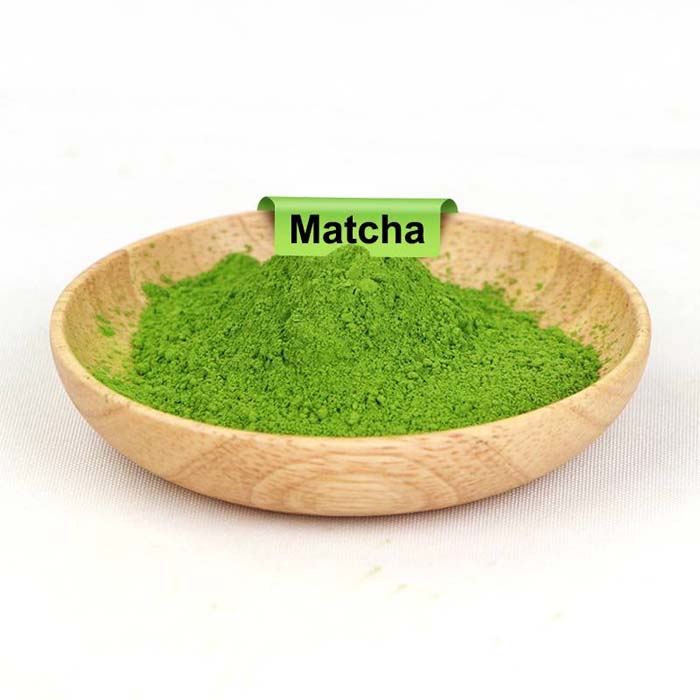
Matcha, the powdered green tea with ancient roots in Japanese culture, encompasses a diverse range of products distinguished by cultivation methods, processing techniques, and intended use. This structured taxonomy organizes matcha according to four primary classification dimensions: grade, region, oxidation level, and application. Understanding this taxonomy enables consumers, producers, and researchers to navigate the complex landscape of matcha varieties effectively.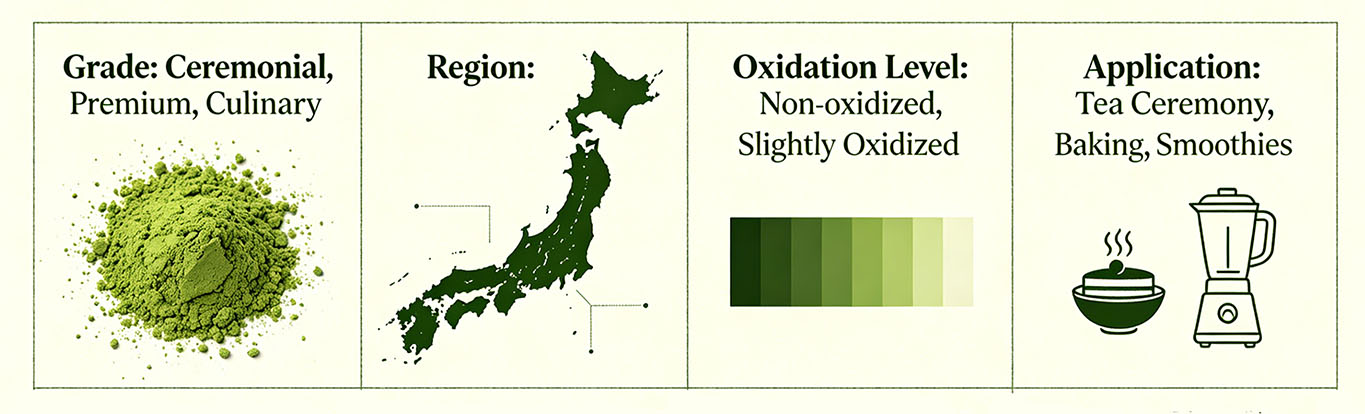
This structured taxonomy provides a systematic framework for describing matcha varieties, enabling precise communication about product characteristics and facilitating informed selection based on specific needs and preferences.
Classification by Grade
Quality Tiers and Characteristics
Matcha grades represent the most widely recognized classification system, differentiating products based on leaf selection, processing methods, and intended use. Higher grades typically feature younger, more tender leaves that are carefully shaded before harvest, resulting in enhanced color, flavor, and nutritional content.
| Grade | Description | Characteristics |
|---|---|---|
| Ceremonial Grade | Premium quality for traditional tea ceremony | Vibrant color, smooth texture, delicate flavor |
| Latte/Culinary Grade | Balanced quality for beverages and cooking | Stronger flavor, good color retention |
| Ingredient Grade | Lower quality for commercial applications | Robust flavor, cost-effective |
| Blended Grade | Mixed qualities for specific applications | Customizable properties |
Grade classifications reflect not only quality differences but also intended applications, with ceremonial grades reserved for traditional preparation methods and lower grades optimized for culinary applications where intense flavor is desired.
Regional Classification
Geographic origin significantly influences matcha characteristics due to variations in climate, soil composition, altitude, and traditional cultivation practices. Regional classifications help identify expected flavor profiles and quality attributes associated with specific growing areas.
Regional Influence: Matcha from Uji, Kyoto is known for its refined, delicate flavor profile, while Nishio matcha often exhibits stronger, more robust characteristics. Regional terroir creates distinct flavor signatures similar to wine appellations.
Primary Growing Regions
Japan's primary matcha-producing regions each contribute unique characteristics to their products. Uji is renowned for its ceremonial-grade matcha with subtle, refined flavors. Shizuoka produces matcha with balanced characteristics suitable for various applications. Kagoshima offers robust flavors with strong umami notes. Internationally, regions like China's Zhejiang province and parts of Taiwan are developing distinctive matcha profiles with their own regional characteristics.
Oxidation Level Classification
Processing Impact on Properties
Although matcha is technically unoxidized (being made from steamed tea leaves), the term "oxidation level" in this context refers to the degree of processing stress and preservation methods that can affect color, flavor, and nutritional content. This classification dimension considers how processing affects the final product's characteristics.
Preserves vibrant color and delicate flavors through careful grinding and storage
Balances efficiency with quality preservation
The oxidation level classification considers factors such as grinding temperature, exposure to light and air, and storage conditions that can affect the final product's oxidative state and resulting properties.
Application-Based Classification
The intended application significantly influences optimal matcha characteristics, creating another important classification dimension. Different applications require specific properties regarding solubility, flavor intensity, color vibrancy, and functional performance.
Application Categories
Traditional Preparation: Requires matcha with excellent whiskability, fine texture, and balanced flavor suitable for whisking with hot water in traditional ceremonies.
Beverage Applications: Includes lattes, smoothies, and other drinks requiring good solubility and flavor compatibility with milk and other ingredients.
Culinary Uses: Encompasses baking, confectionery, and savory applications requiring stable color and robust flavor that withstands cooking processes.
Functional Ingredients: Includes dietary supplements and health products requiring standardized nutrient content and consistent functional properties.
Interdisciplinary Classification
Effective matcha classification often requires considering multiple taxonomy dimensions simultaneously. For example, a ceremonial-grade matcha from Uji would be classified as high-grade, regional origin, minimal processing stress, and traditional application. This multi-dimensional approach provides comprehensive product characterization.
Practical Implementation
Industry stakeholders increasingly adopt this structured taxonomy to improve communication, standardize quality assessments, and guide product development. Standardized terminology enables clearer marketing messages and helps consumers make informed purchasing decisions based on their specific needs and preferences.
Research institutions utilize this taxonomy to organize studies comparing different matcha varieties, contributing to scientific understanding of how classification variables affect product properties and performance across applications.
Future Developments in Matcha Taxonomy
As matcha production expands globally and new processing technologies emerge, this taxonomy will likely evolve to accommodate additional classification dimensions. Potential additions might include organic certification levels, specific cultivar identification, and standardized functional property measurements.
The structured taxonomy serves as a foundational framework that can adapt to accommodate new developments in matcha production and consumption patterns while maintaining clarity and utility for all stakeholders in the matcha ecosystem.
Continued refinement of this classification system will support the sustainable growth of the matcha industry by promoting quality standards, encouraging innovation, and ensuring that consumers can make informed choices based on transparent, standardized information.


