




















Introduction to Matcha Market Dynamics
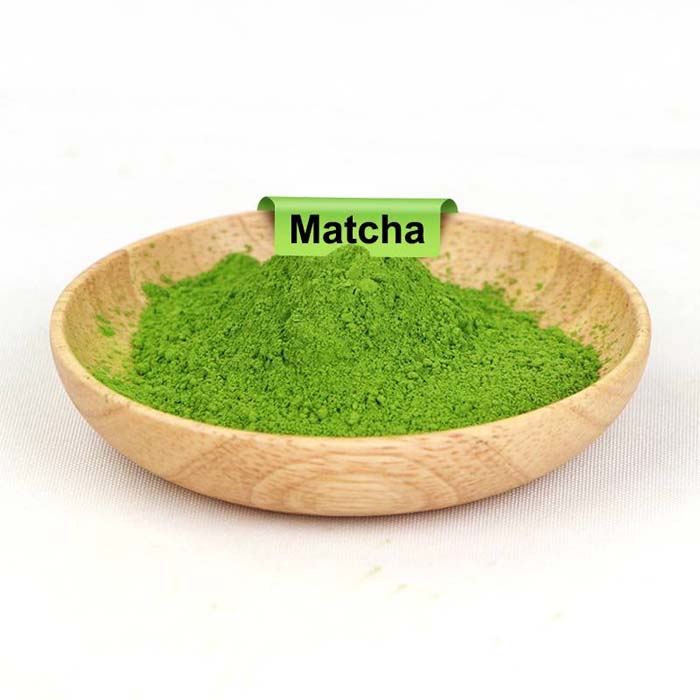
The global matcha market has experienced unprecedented growth over the past decade, with demand increasing across culinary, beverage, and health supplement sectors. As procurement professionals navigate this expanding market, understanding the sourcing matrix becomes critical for optimizing cost structures and ensuring supply chain stability.
The price per kilogram of matcha varies dramatically based on multiple interconnected variables, creating a complex pricing structure that requires strategic analysis for effective sourcing decisions.
Quality Grade Classification and Pricing
Impact on Cost Structure
Matcha quality grades represent the most significant factor influencing price per kilogram. The classification system ranges from premium ceremonial grade to standard culinary and ingredient grades, with prices varying by up to 1000% between categories.
| Grade Category | Typical Price Range (USD/kg) | Key Characteristics | Production Factors |
|---|---|---|---|
| Ceremonial Grade | $120-$300 | Vibrant color, delicate flavor | Youngest leaves, extensive shading |
| Latte/Culinary Grade | $40-$80 | Balanced flavor, good solubility | Mixed leaf ages, moderate shading |
| Ingredient Grade | $15-$40 | Strong flavor, cost-effective | Mature leaves, minimal processing |
| Food Service Grade | $25-$60 | Consistent performance | Standardized processing |
The price differential reflects the intensive labor and specialized cultivation methods required for premium grades, including extended shading periods that increase chlorophyll and amino acid content.
Geographic Origin Impact
Geographic provenance significantly influences matcha pricing, with Japanese origins commanding premium prices due to established reputation, traditional methods, and quality standards. However, international sources are gaining market share with competitive pricing.
Origin Premium: Japanese matcha typically commands 40-80% price premiums over international alternatives, with Uji and Nishio regions carrying the highest premiums within Japan. Chinese and Thai productions offer cost advantages but face quality perception challenges.
Regional Price Variations
Japanese Origins: Uji matcha commands the highest prices ($150-$300/kg for ceremonial grade) due to historical significance and quality reputation. Shizuoka and Kagoshima offer slightly lower premiums while maintaining high quality.
International Sources: Chinese matcha typically ranges from $30-$80/kg depending on quality, while Thai and Vietnamese productions offer competitive pricing in the $20-$50/kg range for culinary grades.
Emerging Markets: South Korean and Sri Lankan producers are entering the market with unique positioning strategies combining quality and competitive pricing.
Production Process Variables
Manufacturing Impact on Cost
The production methodology significantly affects both quality and pricing. Traditional stone-grinding methods, while producing superior quality, are extremely labor-intensive and time-consuming, contributing to higher costs. Modern steel mill processing offers economies of scale but may compromise certain quality attributes.
20+ days of shading increases costs by 15-25% but enhances quality indicators
Hand-picking youngest leaves adds 20-30% to production costs
The production variable impact extends beyond basic manufacturing to include post-harvest handling, storage requirements, and packaging specifications that maintain quality throughout the supply chain.
Certification and Sustainability Factors
Certifications such as organic, fair trade, and sustainability standards add measurable premiums to matcha pricing. These certifications require additional compliance costs, documentation, and verification processes that influence the final cost structure.
Certification Premiums
Organic Certification: Typically adds 20-35% premium to base pricing, reflecting increased production costs and reduced yields in organic farming systems.
Fair Trade Certification: Adds 10-15% premium, supporting ethical labor practices and community development programs.
Sustainability Certifications: Including carbon-neutral and regenerative agriculture certifications, command premiums of 15-25% as consumer awareness grows.
Supply Chain Complexity
The number of intermediaries, transportation costs, storage requirements, and inventory management practices all contribute to the final price per kilogram. Direct sourcing from producers typically offers better pricing but requires larger minimum orders and longer lead times.
Volume-Based Pricing Tiers
Small Orders (1-10kg): Premium pricing due to handling and shipping costs, typically 20-30% above bulk rates.
Medium Orders (10-100kg): Moderate discounts reflecting improved economies of scale.
Bulk Orders (100+kg): Significant discounts of 15-30% compared to small order pricing.
Long-term Contracts: May secure favorable pricing in exchange for volume commitments and payment terms.
Market Demand Fluctuations
Seasonal and Cyclical Patterns
Matcha demand exhibits seasonal patterns, with increased consumption during winter months for warm beverages and holiday gift seasons. Supply constraints, particularly for premium grades, can create significant price volatility during peak demand periods.
Weather patterns, crop diseases, and natural disasters in key production regions can cause sudden price spikes. The 2023 Japanese harvest was affected by unusual weather patterns, causing temporary 25% price increases for ceremonial grades.
Consumer trend shifts, such as the growing popularity of matcha in Western markets, continue to drive long-term demand growth and upward pricing pressure.
Brand Positioning and Marketing Costs
Established brands command significant premiums based on reputation, quality consistency, and marketing investments. These premiums reflect not just product quality but also brand equity and consumer trust.
Brand Premium Analysis
Premium Brands: Command 30-50% premiums over generic equivalents for equivalent quality levels.
Artisan Producers: May charge 20-40% premiums based on craft positioning and limited availability.
Private Label: Offer cost savings of 15-25% compared to branded products with similar quality specifications.
Strategic Sourcing Recommendations
Effective matcha sourcing requires balancing quality requirements with cost objectives while considering supply chain risks and market dynamics. Organizations should develop relationships with multiple suppliers across different quality tiers and geographic origins to optimize flexibility and risk management.
Optimization Strategies
Diversified Sourcing: Engaging suppliers across multiple geographic regions and quality grades to balance cost and supply security.
Forward Contracting: Securing premium grade supplies during off-seasons to manage price volatility.
Quality Specification Optimization: Aligning grade requirements precisely with application needs to avoid over-specification and unnecessary costs.
The sourcing matrix approach enables procurement professionals to systematically evaluate trade-offs between quality, origin, certifications, and cost while maintaining supply chain resilience.
Future Market Considerations
As the matcha market continues to mature, price pressures may emerge from increased competition among international producers. However, growing consumer sophistication and demand for premium products are likely to sustain price premiums for high-quality, certified products.
Climate change impacts on traditional growing regions may affect long-term supply stability and pricing. Investment in sustainable production methods and diversification of sourcing locations will become increasingly important for managing cost and supply risks.
Technology adoption in production and supply chain management may eventually drive efficiency gains, though the artisanal nature of premium matcha production will likely preserve many traditional cost structures.


