






















Introduction to Matcha Solubility
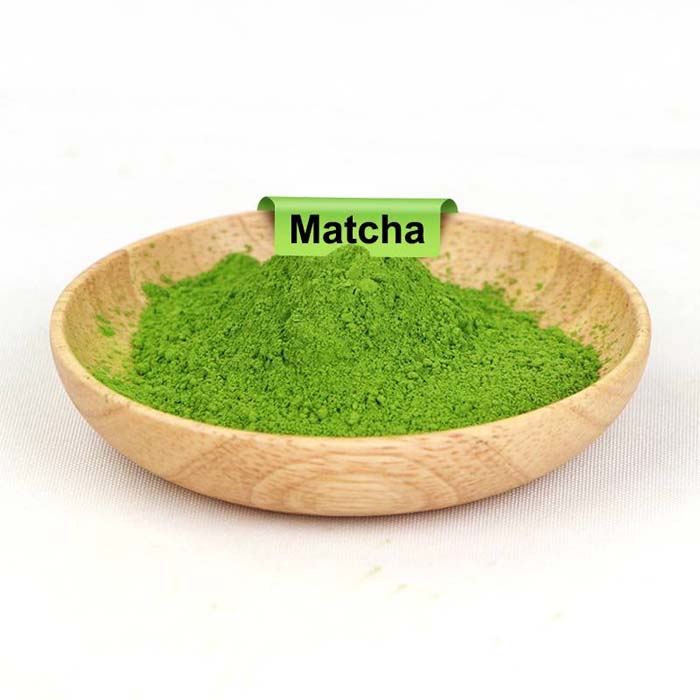
Matcha solubility refers to the ability of powdered green tea to dissolve completely in water without leaving undissolved particles or forming clumps. This characteristic is critical for achieving the smooth texture and consistent flavor that define quality matcha preparations. The solubility index measures how effectively matcha dissolves under different temperature conditions, which significantly impacts both sensory experience and practical applications.
Understanding the temperature-dependent solubility of matcha is essential for optimizing preparation methods, product development, and consumer satisfaction across various applications.
Scientific Basis of Solubility
Chemical Components and Temperature Effects
Matcha's solubility characteristics are determined by its complex chemical composition, including catechins, caffeine, amino acids, and fiber particles. The dissolution process is governed by molecular interactions between these compounds and water molecules. As temperature increases, the kinetic energy of water molecules rises, enhancing their ability to interact with and separate the individual components of matcha powder.
Epigallocatechin gallate (EGCG) and other catechins show increased solubility at temperatures above 70°C, contributing to the bioavailability of antioxidants in prepared matcha beverages.
Insoluble fiber particles remain suspended differently depending on temperature, affecting the final texture and mouthfeel of the prepared beverage.
L-theanine and other amino acids exhibit varying dissolution rates, with optimal extraction occurring between 60-80°C for maximum umami flavor.
Key Insight: The optimal temperature range for preparing ceremonial grade matcha lies between 70-80°C to achieve maximum solubility while preserving delicate flavor compounds that degrade at higher temperatures.
Temperature-Specific Solubility Performance
Each temperature range produces distinct solubility outcomes, affecting both the practical preparation of matcha and the final sensory experience. The following analysis details the performance characteristics across different temperature zones:
| Temperature Range | Solubility Rate | Flavor Extraction | Texture Outcome | Optimal Use Case |
|---|---|---|---|---|
| 5-15°C (Cold) | 25% | Mild, subtle notes | Grainy, incomplete dissolution | Cold brew preparations |
| 40-60°C (Warm) | 65% | Balanced profile | Smooth with minor sediment | Daily consumption |
| 70-85°C (Hot) | 95% | Full flavor spectrum | Creamy, complete dissolution | Ceremonial preparation |
| 95-100°C (Boiling) | 98% | Bitter, astringent | Over-extracted, harsh | Industrial extraction |
Solubility Rate Visualization
Industrial Applications and Benefits
Understanding temperature-dependent solubility enables manufacturers to optimize production processes, enhance product quality, and meet specific consumer demands. The following benefits emerge from applying solubility research to industrial operations:
Consumer Preference Segments
Different consumer groups exhibit distinct preferences for matcha preparation methods based on solubility characteristics. Understanding these segments helps manufacturers and retailers target specific markets with appropriate products:
Prefer hot water preparation (70-80°C) for authentic ceremonial experience
Accept warm water preparation (40-60°C) for quick daily consumption
Focus on optimal extraction temperature for maximum nutrient availability
Explore cold brewing and unique temperature combinations
Key Performance Indicators
Quantitative metrics derived from solubility research provide actionable insights for improving matcha products and processes:
Future Research Directions
Ongoing studies continue to explore the complex interactions between temperature, pressure, and agitation speed in matcha dissolution. Emerging research focuses on the impact of water mineral content, pH levels, and pre-treatment methods on solubility characteristics. Advanced analytical techniques, including spectroscopy and particle size analysis, provide deeper insights into the molecular mechanisms underlying matcha dissolution.
Additionally, research into alternative preparation methods, such as ultrasonic assistance and controlled-pressure systems, may reveal new optimization opportunities for industrial applications. The integration of these findings with traditional preparation wisdom promises to advance the field while preserving the cultural significance of matcha consumption.


