
























Understanding Matcha Grades
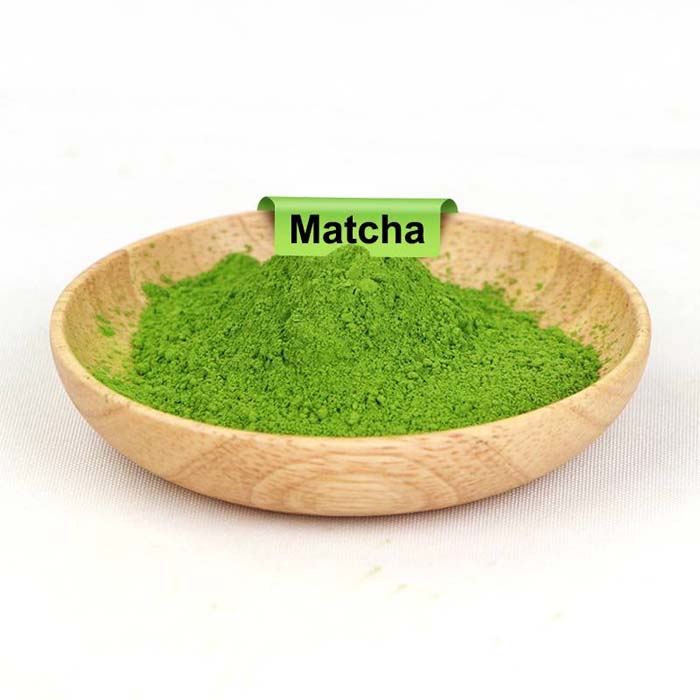
Matcha comes in three primary grades that differ significantly in quality, processing, and intended use. Understanding these distinctions is crucial for procurement decisions that balance quality, cost, and application requirements. Each grade serves specific purposes in foodservice operations and manufacturing environments, requiring careful consideration of factors beyond just price.
Quality Hierarchy: The matcha grading system reflects centuries of Japanese tea culture, where ceremonial-grade matcha represents the pinnacle of quality. Each subsequent grade offers different value propositions for commercial applications, with quality decreasing but practicality increasing for bulk applications.
Ceremonial Grade
Harvested from the youngest tea leaves and stone-ground slowly to preserve delicate flavors and vibrant color. Used in traditional tea ceremonies and premium retail applications.
Price range: $30-60 per ounce
Cafe Grade
Mid-tier quality designed specifically for commercial beverage preparation. Balances quality with cost-effectiveness for daily service.
Price range: $15-25 per ounce
Culinary Grade
Designed for cooking, baking, and food manufacturing applications where matcha flavor is incorporated into other ingredients.
Price range: $8-15 per ounce
Grade Characteristics Comparison
| Characteristic | Ceremonial Grade | Cafe Grade | Culinary Grade |
|---|---|---|---|
| Leaf Age | Youngest leaves only | Second harvest leaves | Mature leaves |
| Grinding Method | Stone-ground (slow) | Stone or fine grinding | Mechanical grinding |
| Particle Size | Finest (8-10 microns) | Medium (10-15 microns) | Larger (15-20 microns) |
| Color | Vibrant jade green | Bright green | Duller green |
| Flavor Profile | Delicate, sweet, umami | Well-balanced | Robust, earthy |
| Price (per oz) | $30-60 | $15-25 | $8-15 |
| Best Application | Pure tea service | Latte & beverages | Baking & cooking |
Processing Differences
The production process varies significantly between grades, affecting both quality and cost. Ceremonial grade undergoes the most meticulous processing, with tea plants shaded for 20-30 days before harvest to increase chlorophyll content and amino acids. The leaves are hand-picked, steamed immediately to prevent oxidation, and stone-ground slowly to preserve the delicate cellular structure.
Cafe grade follows similar processes but with less stringent timing and quality controls. Culinary grade prioritizes efficiency and yield over preservation of delicate compounds, allowing for faster mechanical processing that may slightly degrade some beneficial components but maintains the essential flavor profile needed for cooking applications.
Application-Specific Recommendations
Foodservice Applications
Ceremonial Grade: Best reserved for premium tea service, high-end restaurants, or special occasions where the full sensory experience is paramount. Suitable for traditional whisked tea preparation and luxury menu items.
Cafe Grade: Ideal for daily latte preparation, matcha cappuccinos, and standard beverage service. Provides excellent flavor balance and visual appeal at a reasonable cost for regular commercial use.
Culinary Grade: Perfect for smoothies, blended drinks, and any application where matcha is mixed with other ingredients. The stronger flavor holds up well in complex recipes.
Manufacturing Applications
Confectionery: Culinary grade is typically preferred for chocolates, candies, and baked goods due to its robust flavor and heat stability. The stronger taste ensures matcha flavor isn't overwhelmed by other ingredients.
Beverage Manufacturing: Cafe grade works well for ready-to-drink products, while culinary grade suits powdered mixes. Ceremonial grade may be used for premium bottled beverages targeting luxury markets.
Supplement Industry: Ceremonial or high-quality cafe grade provides optimal nutrient density for health supplements, though cost considerations often favor premium culinary options.
Volume Considerations
Procurement volumes significantly impact grade selection decisions. Large-volume operations typically benefit from using culinary grade for most applications, reserving higher grades for specific premium offerings. Smaller establishments may find cafe grade sufficient for all applications, providing quality consistency across their menu.
Seasonal fluctuations in demand should influence procurement timing. Bulk purchasing during off-seasons can reduce costs, but proper storage is essential to maintain quality, particularly for higher grades which are more sensitive to light, air, and moisture.
Cost Analysis and ROI
Cost Per Serving Calculations
When evaluating costs, consider the actual serving size required for each application. Ceremonial grade uses smaller amounts (typically 1-2g per serving) due to its concentrated flavor, while culinary grade may require larger portions (2-4g) to achieve desired taste intensity. This affects the effective cost per serving differently than the per-ounce price suggests.
For example, a ceremonial grade matcha at $50/oz yields approximately 28 servings at 0.5g each, resulting in a per-serving cost of $1.79. Cafe grade at $20/oz with 0.75g per serving costs $0.67 per serving. Culinary grade at $12/oz with 1g per serving costs $0.42 per serving.
Value Proposition Analysis
The return on investment extends beyond simple cost calculations. Higher grades can justify premium menu pricing and enhance brand positioning. A premium matcha latte made with ceremonial grade can command 30-50% higher prices than one made with culinary grade, potentially offsetting the higher ingredient costs.
Customer satisfaction and repeat business driven by superior product quality contribute to long-term profitability. Conversely, using inappropriate grades can damage brand reputation and result in customer loss that exceeds short-term cost savings.
Budget Allocation Strategy
Develop a tiered procurement strategy that allocates different grades to appropriate applications. Reserve 10-20% of budget for ceremonial grade for premium offerings, allocate 60-70% to cafe grade for primary beverage applications, and use 10-20% for culinary grade in cooking applications.
Consider seasonal adjustments to this allocation based on menu changes and customer demand patterns. Holiday periods or special promotions may temporarily increase demand for premium grades, requiring flexible procurement planning.
Quality Assurance and Sourcing
Supplier Evaluation Criteria
Select suppliers based on consistent quality, reliable delivery, and proper certifications. Look for suppliers who provide batch-specific certificates of analysis showing heavy metal content, pesticide residues, and nutritional profiles. Reputable suppliers often provide samples for testing before large orders.
Geographic origin matters for quality consistency. Japanese matcha from Uji, Nishio, or Shizuoka regions typically offers superior quality, though Korean and Chinese producers have improved significantly. Verify origin claims through documentation and, when possible, direct communication with producers.
Storage and Shelf Life Management
All matcha grades require proper storage to maintain quality: keep refrigerated in airtight containers, away from light and moisture. Ceremonial grade has the shortest optimal window (3-4 months from purchase), while culinary grade maintains acceptable quality for 6-8 months under proper storage.
Implement first-in-first-out inventory rotation to ensure freshness. Larger operations may benefit from vacuum-sealed storage systems to extend shelf life and maintain quality characteristics longer.
Important Certifications to Look For
- JAS (Japanese Agricultural Standard) - Ensures Japanese quality standards
- Organic Certification - Critical for health-conscious markets
- HACCP Compliance - Essential for food manufacturing
- Heavy Metal Testing - Safety assurance for consumer protection
- Traceability Documentation - Important for quality control
Seasonal Procurement Planning
Matcha availability and pricing fluctuate seasonally, with new harvests typically occurring in spring and fall. Plan procurement schedules to take advantage of favorable pricing while ensuring adequate inventory for peak seasons. Summer months often see increased demand for cold matcha beverages, while winter may favor warm drink applications.
Build relationships with multiple suppliers to ensure continuity of supply and competitive pricing. Seasonal contracts or forward purchasing agreements can lock in favorable rates while ensuring quality consistency across different harvests.
Implementation Best Practices
Start with small trial orders to evaluate new suppliers and grades before committing to large purchases. Train staff on proper handling and preparation techniques specific to each grade to maximize quality and minimize waste.
Track usage patterns and customer feedback to optimize grade selection over time. Regular quality assessments and menu adjustments based on performance data will improve profitability and customer satisfaction. Remember that the goal is matching grade quality to application requirements while maintaining cost-effectiveness for your specific business model.


