































Introduction to Matcha Seasonality
Matcha, unlike other teas that are harvested year-round, follows a distinct seasonal pattern that significantly impacts quality, availability, and pricing. Understanding these seasonal cycles is crucial for procurement professionals, retailers, and consumers who want to optimize their purchasing decisions and ensure consistent supply.
The seasonal calendar of matcha reflects the agricultural nature of this premium product, where timing and environmental conditions directly influence the final product characteristics.
Spring Harvest Period (Ichibancha)
The Premier Harvest Season
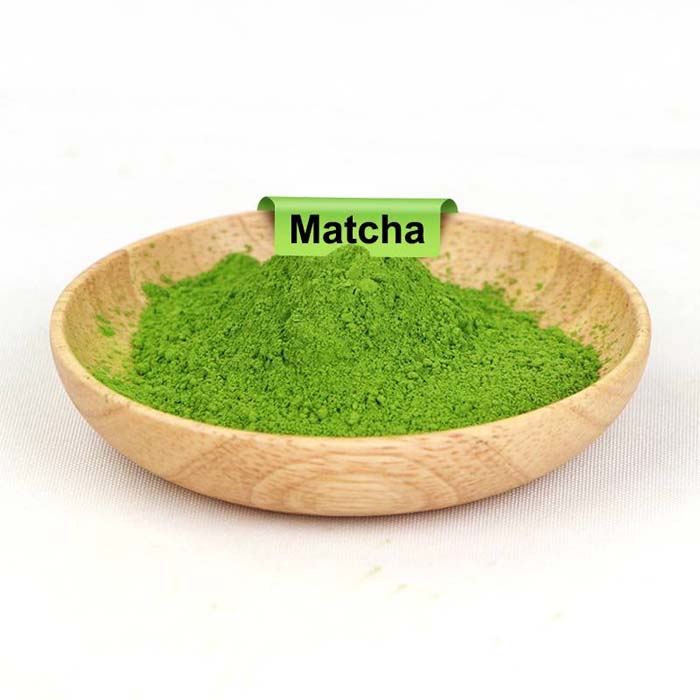
The spring harvest, known as "ichibancha" in Japanese, occurs from late April to early May and represents the pinnacle of matcha quality. During this period, tea plants emerge from winter dormancy with concentrated nutrients, resulting in the finest leaves suitable for premium ceremonial grade matcha.
| Time Period | Harvest Type | Quality Level | Price Premium | Availability |
|---|---|---|---|---|
| April 20 - May 10 | First Flush (Ichibancha) | Exceptional | +40-60% | Limited |
| May 10 - May 31 | Early Spring Second Flush | Very High | +20-30% | Moderate |
| June 1 - June 15 | Late Spring Harvest | High | +10-20% | Good |
Spring harvest matcha commands premium prices due to its superior color, flavor complexity, and nutritional content, making it the preferred choice for ceremonial purposes and premium culinary applications.
Summer Harvest Period (Nibancha)
The summer harvest, or "nibancha," takes place from June through August and represents a significant portion of annual matcha production. While quality is generally lower than spring harvest, summer matcha still maintains good characteristics suitable for latte and culinary applications.
Summer Quality Notes: Summer harvest matcha typically has a more robust flavor profile and darker color due to increased exposure to sunlight and faster growth rates. However, careful processing can still yield quality products for commercial applications.
Regional Variations in Summer Harvest
Japanese Production: Summer harvest begins in early June in southern regions like Kagoshima, moving northward to Shizuoka and Uji by mid-June. Each region maintains specific quality standards despite seasonal differences.
International Production: Chinese and Thai producers follow similar seasonal patterns, with summer harvests occurring from May through September, though processing methods may vary.
Processing Adjustments: Summer harvest leaves often require modified processing techniques to compensate for higher tannin content and maintain desired flavor profiles.
Autumn Harvest Period (Sanbancha)
Value-Oriented Production
The autumn harvest, or "sanbancha," occurs from September through November and focuses primarily on cost-effective production for ingredient-grade matcha. While quality is lower than spring and summer harvests, autumn production ensures consistent supply for industrial applications.
Moderate quality suitable for food service applications
Lower quality for industrial ingredient use
The autumn harvest provides essential supply continuity during the winter months when new production is unavailable, though prices typically decline due to reduced quality characteristics.
Availability Windows by Region
Different production regions have distinct availability windows that affect global supply patterns. These regional calendars create opportunities for continuous supply management when properly coordinated.
Japanese Availability Timeline
Uji Region: First flush ceremonial grade matcha becomes available, representing the highest quality of the year
Shizuoka Region: Secondary ceremonial and premium latte grade production
Kagoshima Region: Large-scale production for commercial applications
National Blend: Combination of remaining stocks and autumn harvest for ingredient grade products
International Availability Patterns
Chinese Production: Available from April through October, with peak quality periods aligning roughly with Japanese harvests but at lower price points.
Thai Production: Year-round availability with primary harvests in March-May and September-November, offering consistent pricing.
Forward Pricing Trends
Matcha pricing follows predictable seasonal patterns that savvy buyers can leverage for cost optimization. Understanding these trends enables strategic purchasing decisions and inventory management.
Price Volatility Patterns
Spring Premium: Prices reach annual peaks during ichibancha period, with ceremonial grades commanding 50-100% premiums over annual averages.
Summer Stabilization: Prices moderate as supply increases, though quality variations create price differentiation between regions.
Autumn Decline: Prices drop to seasonal lows as lower-grade production increases and market focus shifts to inventory management.
Winter Maintenance: Prices remain stable based on inventory levels and forward contracts, with occasional spikes if supply concerns arise.
Inventory Management Strategies
Optimizing Seasonal Purchases
Effective inventory management requires understanding the relationship between seasonal availability and quality degradation over time. Matcha quality gradually diminishes during storage, making timing crucial for maintaining optimal characteristics.
Most matcha retains peak quality for 6-12 months when stored properly in cool, dark conditions with minimal air exposure. This shelf life consideration impacts purchasing decisions and seasonal allocation strategies.
Forward contracting during peak harvest periods can secure quality and potentially favorable pricing, though this strategy requires accurate demand forecasting and adequate storage capabilities.
Climate Impact on Seasonal Patterns
Changing climate conditions increasingly affect traditional harvest timelines and quality expectations. Weather variations can shift optimal harvest periods by weeks, impacting availability and pricing.
Recent Climate Effects
Temperature Changes: Rising temperatures have advanced spring harvest timing by 5-7 days in some regions over the past decade.
Precipitation Patterns: Altered rainfall affects leaf development and may impact amino acid content, influencing quality profiles.
Extreme Weather Events: Typhoons and unseasonable frosts pose increasing risks to production schedules and quality outcomes.
Procurement Strategy Recommendations
Based on seasonal patterns and availability windows, procurement professionals should consider the following strategies:
Quality-Driven Purchasing
For Ceremonial Grades: Secure spring harvest supplies through direct contracts or early purchases, accepting premium pricing for superior quality.
For Commercial Applications: Leverage summer harvest availability for consistent supply at moderate pricing, with quality specifications aligned to application requirements.
For Industrial Use: Utilize autumn harvest and inventory carryover for cost-effective procurement of ingredient-grade materials.
Market Forecasting Considerations
Future seasonal patterns may evolve due to market expansion and climate changes. Procurement strategies should incorporate flexibility to adapt to shifting patterns while maintaining quality and cost objectives.
As global demand continues to grow, traditional seasonal patterns may be supplemented by greenhouse production and controlled environment agriculture, potentially reducing seasonality impacts in the long term.
However, the artisanal nature of premium matcha production suggests that seasonal quality variations will persist, maintaining the importance of understanding and leveraging seasonal calendars for procurement success.


