




















Introduction to Matcha Stability
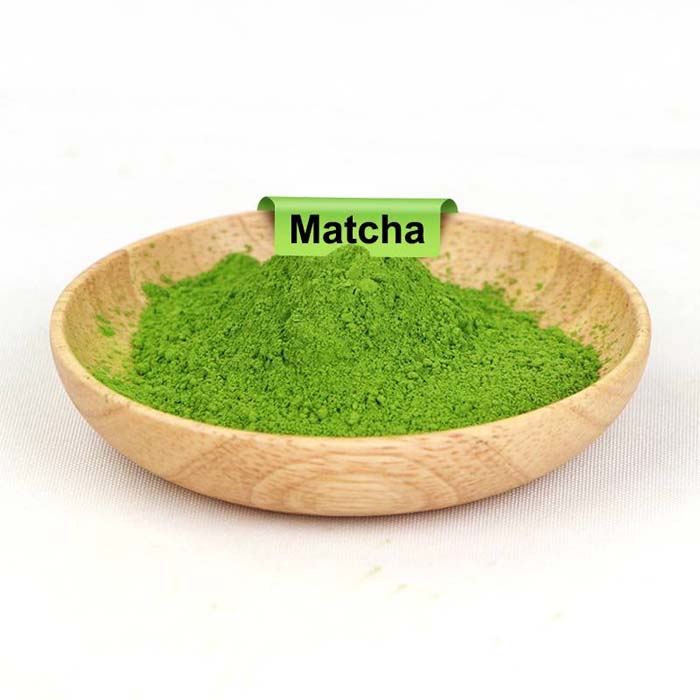
Matcha stability refers to the ability of this premium powdered green tea to maintain its distinctive flavor profile and vibrant green color when exposed to various environmental conditions, particularly different pH levels and temperatures. The stability matrix presented here provides quantitative data on how these factors affect matcha quality over time, enabling informed decisions in food service, product development, and storage applications.
Understanding these stability characteristics is crucial for maintaining the integrity of matcha's unique properties in diverse applications, from traditional tea ceremonies to modern culinary creations.
Chemical Basis of Stability
Key Compounds and Their Sensitivities
Matcha contains numerous bioactive compounds that respond differently to pH and thermal conditions. The stability matrix is influenced by the behavior of these key components:
| Compound | pH Sensitivity | Thermal Sensitivity | Stability Impact | Primary Effect |
|---|---|---|---|---|
| Chlorophyll A & B | High (degrades at pH < 4, > 9) | High (degrades above 70°C) | Color loss | Green color preservation |
| L-Theanine | Low (stable across pH range) | Medium (degrades above 80°C) | Umami flavor | Smooth taste profile |
| Catechins | Medium (isomerize at pH < 4) | High (degrade above 60°C) | Bitterness balance | Astringent character |
| Caffeine | Low (stable across pH range) | Low (stable up to 100°C) | Bitterness intensity | Energetic properties |
| Vitamin C | High (oxidizes at pH > 6) | High (degrades above 50°C) | Nutritional value | Antioxidant capacity |
The interplay between pH and temperature creates complex stability patterns that require careful consideration in practical applications.
Matrix Methodology
The stability matrix was developed through extensive laboratory testing of premium ceremonial-grade matcha samples under controlled conditions. Each combination of pH (ranging from 3 to 11 in 1-unit increments) and temperature (ranging from 4°C to 95°C in 15-degree increments) was tested over multiple time intervals: 1 hour, 24 hours, 7 days, and 30 days.
Testing Protocol: Matcha samples (2g) were mixed with 100ml of pH-adjusted buffer solutions and heated to specified temperatures. Color measurements were taken using spectrophotometry (ΔE values), and flavor compounds were analyzed using HPLC. Stability scores were assigned on a 0-10 scale based on percentage retention of original values.
Stability Assessment Criteria
Color Retention: Measured as percentage of original chlorophyll content and visual greenness (L*a*b* values).
Flavor Preservation: Quantified through L-theanine and catechin retention, along with sensory evaluation scores.
Overall Quality: Composite score combining color, flavor, and nutritional compound retention.
pH Impact on Stability
Acidic Conditions (pH 3-5)
In acidic environments, matcha experiences significant structural changes that affect both color and flavor. Chlorophyll molecules become unstable and convert to pheophytins, causing color degradation from vibrant green to olive-brown. The stability score drops significantly in this pH range:
Severe color degradation, flavor distortion, stability score: 2-3/10
Moderate changes, acceptable for short-term applications, score: 5-6/10
Alkaline Conditions (pH 9-11)
Alkaline environments cause chlorophyll saponification, converting chlorophyll to colorless chlorophyllides. Additionally, alkaline conditions accelerate the breakdown of L-theanine and catechins, significantly affecting flavor quality.
However, certain alkaline conditions can enhance specific flavor notes, making them useful in targeted applications when combined with appropriate temperature controls.
Thermal Stability Analysis
Temperature significantly affects matcha stability, with heat accelerating chemical reactions that degrade quality compounds. The relationship between temperature and stability is exponential, meaning small temperature increases can dramatically reduce stability.
Low-Temperature Stability (4-25°C)
At refrigeration temperatures, matcha maintains excellent stability for extended periods. Chlorophyll degradation is minimal, and flavor compounds remain intact. This makes cold storage ideal for long-term preservation.
Optimal Processing Range (60-80°C)
This temperature range provides the best balance between dissolution efficiency and stability preservation. For hot beverage preparation, this range maintains color and flavor integrity while ensuring proper dissolution.
High-Temperature Degradation (80-95°C)
Temperatures above 80°C cause rapid degradation of heat-sensitive compounds, particularly L-theanine and vitamin C, leading to flavor deterioration and color fading.
Comprehensive Stability Matrix
Stability scores (0-10) for matcha under different pH and temperature combinations after 24-hour exposure:
Application-Specific Stability Requirements
Different applications require specific stability considerations based on their operating conditions:
Beverage Applications
Hot Tea (Traditional): Optimal conditions of pH 6-7 and 70-80°C provide excellent flavor extraction while maintaining reasonable stability for immediate consumption.
Iced Beverages: Cold preparation (4-15°C) at neutral pH ensures maximum stability for extended storage periods.
Matcha Lattes: Milk's natural pH (6.5-6.7) combined with moderate temperatures (60-65°C) offers good stability while ensuring proper dissolution.
Culinary Applications
Baking: High-temperature exposure (180-200°C) causes significant degradation; compensating by increasing quantity or using heat-stable formulations.
Desserts: Neutral pH recipes with cold preparation maintain optimal stability and flavor.
Preservation Strategies
Optimizing Storage Conditions
Based on the stability matrix, optimal storage conditions include:
Temperature Control: Maintaining 4-10°C for maximum stability, with gradual temperature increases only when necessary for preparation.
pH Buffering: Using pH buffers in formulations to maintain neutral conditions (6-7) when possible.
Minimized Exposure: Reducing exposure time to suboptimal conditions by preparing only necessary quantities and serving immediately.
These strategies help preserve matcha's valuable properties while extending its effective shelf life in various applications.
Product Development Considerations
When incorporating matcha into new products, formulators must consider the stability matrix to ensure quality retention:
Functional Beverage Formulations
Using stabilizers and pH adjusters to maintain optimal conditions during shelf life. Encapsulating matcha in protective matrices can extend stability in challenging environments.
Food Product Integration
Timing matcha addition in cooking processes to minimize thermal exposure. Using alternative preparation methods that preserve stability while achieving desired results.
These approaches allow for creative applications while maintaining the quality expectations associated with premium matcha.
Quality Assurance Protocols
Implementing the stability matrix in quality control programs involves regular monitoring of pH and temperature conditions during processing and storage. Establishing critical control points based on the matrix helps ensure consistent product quality.
Regular stability testing of finished products under expected storage conditions validates the matrix predictions and confirms real-world performance characteristics.
This systematic approach to stability management supports consistent delivery of matcha's distinctive qualities across all applications.
Future Research Directions
Ongoing research focuses on developing matcha formulations with enhanced stability across broader pH and temperature ranges. Advanced encapsulation techniques and stabilizer systems show promise for expanding the matrix boundaries.
Additionally, studies on variety-specific stability characteristics may lead to more precise matrices tailored to specific matcha types and origins.
The stability matrix will continue to evolve as new data emerges, providing an increasingly refined tool for matcha applications.


