
















Across specialty coffee chains, ready-to-drink (RTD) beverage aisles, craft bakeries, and frozen dessert menus, three distinct Asian botanical flavors have captured mainstream global attention: Matcha (green), Hōjicha (roasted brown), and Ube (purple).
For product developers, beverage brand founders, and café operators, deciding which trend to invest R&D budget and supply chain bandwidth into is a critical strategic decision. Is Matcha still the reigning champion, or has the latte market reached saturation? Is Hōjicha truly the next big tea wave? And is Ube merely a visual social-media trend or a durable flavor platform?
1. The Big Three: Flavor Profiles, Origins & Market Maturity
Each ingredient originates from distinct botanical sources, processing techniques, and consumer perception frameworks.
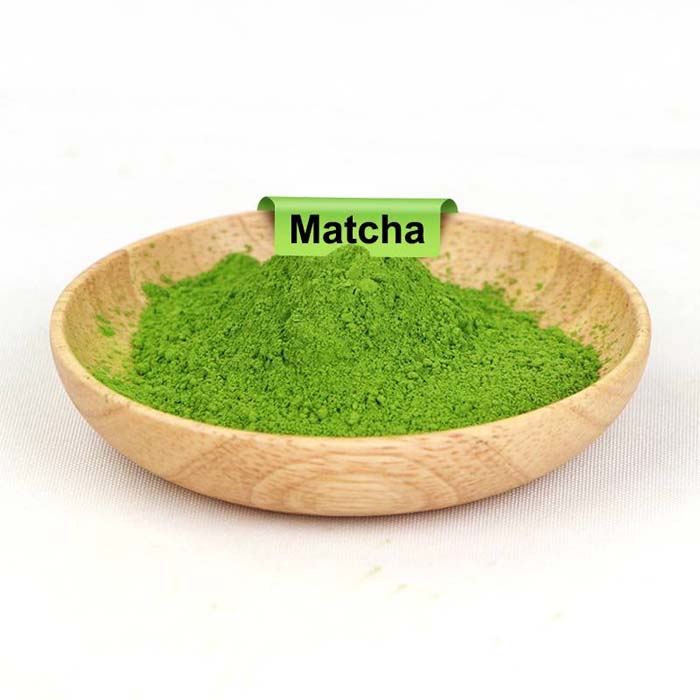
Matcha (抹茶)
- Botanical Origin: Shade-grown Camellia sinensis (Tencha), steamed and stone-ground.
- Flavor Spectrum: Earthy, grassy, vegetal, rich umami, natural bittersweet finish.
- Visual Identity: Electric Jade-Green (#4F8145).
- Market Phase: Mature Global Staple; high awareness, intense retail competition.
Hōjicha (焙茶)
- Botanical Origin: High-heat roasted green tea leaves and stems (Bancha/Sencha/Kukicha).
- Flavor Spectrum: Toasty, nutty, roasted caramel, woody, cocoa-like, zero astringency.
- Visual Identity: Warm Amber / Caramel Brown (#8C5835).
- Market Phase: Fast Growth / Emerging Hero; rapidly adopting coffee crossover fans.
Ube (紫薯 / 菲律宾紫山药)
- Botanical Origin: Dioscorea alata (purple yam tuber indigenous to Southeast Asia/Philippines).
- Flavor Spectrum: Sweet, vanilla-nutty, creamy, mellow, coconut-adjacent profile.
- Visual Identity: Vibrant Royal Violet / Purple (#6D3B7D).
- Market Phase: Viral Rising Star; visual hero in bakery, desserts, and layered drinks.
2. Comprehensive Formulation & Operational Matrix
Evaluate the technical, physical, and sensory differences between Matcha, Hōjicha, and Ube when formulating new commercial products.
| Evaluation Dimension | Matcha (Green Tea) | Hōjicha (Roasted Tea) | Ube (Purple Yam) |
|---|---|---|---|
| Caffeine Content | Moderate to High (~30–35mg / g powder) | Very Low (~5–10mg / g powder) | Naturally 100% Caffeine-Free (0mg) |
| Primary Consumer Occasion | Morning energy, focus, coffee alternative | Afternoon comfort, evening winding down | All-day indulgence, dessert treat, family-friendly |
| Heat & Baking Stability | Sensitive; browning risk above 160°C without buffering | Exceptionally High; roasted notes survive baking | High; natural anthocyanin purple remains rich |
| Milk & Plant-Base Pairing | Oat, whole milk, almond, soy | Oat milk (stellar pairing), condensed milk, dairy | Coconut milk (signature pairing), oat, condensed milk |
| Dispersion & Texture | Fine suspension (5–15 micron); requires whisking | Fine suspension (10–20 micron); easy dispersion | Starchy, slightly thick mouthfeel; dissolves smoothly |
| Social Media Virality | High (Classic aesthetic green swirls) | Moderate to High (Earth-tone coffee aesthetic) | Extreme (Striking contrasting purple layers) |
3. Daypart Economics: Why Single-Flavor Menus Lose Revenue
A major operational limitation of offering only traditional Matcha is the "caffeine cutoff." Many consumers avoid caffeinated matcha lattes after 2:00 PM to protect sleep quality, creating a dead zone for afternoon beverage sales.
Hero: Matcha. Consumers demand clean, focused energy with L-theanine. Matcha lattes and sparkling cold brews dominate morning ticket sizes.
Hero: Hōjicha. Coffee drinkers and tea lovers seek cozy, low-caffeine comfort. Hōjicha oat lattes bridge the gap between coffee and tea seamlessly.
Hero: Ube. Zero-caffeine sweet indulgence. Purple cold foams, soft serve, and desserts capture evening foot traffic and high-margin dessert add-ons.
By pairing Matcha with Hōjicha and Ube, cafés and beverage brands extend active customer purchasing windows from a morning peak into an all-day, multi-occasion revenue driver.
4. Application Deep-Dive: Where Each Flavor Wins
Different product categories favor specific chemical and sensory properties. Use this application guide to allocate your R&D efforts.
| Category | Top Recommended Flavor | Why It Wins | Formulation Tip |
|---|---|---|---|
| RTD Iced Bottled Lattes | Hōjicha & Matcha | Hōjicha delivers a stable roasted flavor that survives retort sterilization without bitter degradation. | Use microground hojicha powder with a food-grade hydrocolloid stabilizer to prevent sediment. |
| Bakery & Pastries | Ube & Hōjicha | Ube provides a natural vibrant purple crumb without synthetic dyes; Hōjicha infuses nutty depth into cookies and cakes. | Ensure authentic Dioscorea alata Ube powder is used to prevent muddy grey tones after baking. |
| Soft Serve & Ice Cream | Ube & Matcha | The contrast of bright purple ube alongside vivid green matcha creates irresistible dual-swirl appeal. | Pair Ube with a subtle coconut or dairy cream base to elevate its natural vanilla undertones. |
| Functional Drink Powders | Matcha | Consumers strongly associate matcha with EGCG polyphenols, antioxidants, and sustained clean energy. | Maintain high-chlorophyll ceremonial or premium barista grade to preserve vibrant green visual quality. |
5. Supply Chain & Quality Sourcing Considerations
When selecting bulk raw material partners for these three botanicals, procurement teams must look past marketing labels and audit technical ingredient specifications.
Many low-cost commercial "ube powders" on the market are actually white potato starch blended with synthetic Red #40 and Blue #1 food dyes. Always demand pure dehydrated purple yam powder with verified botanical origin.
6. The 4-Step Launch Blueprint for Menu & Brand Developers
Implement this phased launch process to pilot, validate, and scale new botanical flavor products efficiently.
Audit menu gaps
Identify whether your brand lacks afternoon low-caffeine options (Hōjicha) or visual dessert appeal (Ube).
Benchtop sampling
Test pure powder samples across hot, iced, oat milk, and baked formats under real production conditions.
Pilot seasonal trio
Introduce a limited-time "Asian Botanical Trio" campaign (Green, Brown, Purple) to gauge real customer demand.
Lock bulk supply
Transition top-performing SKUs into permanent menu placements with volume contracts and standardized specs.
Conclusion: Building a Resilient Botanical Flavor Platform
The global rise of Asian botanical flavors represents a permanent maturation in consumer taste preferences toward less overly-sweetened, more nuanced ingredients.
- Matcha remains foundational: Essential for morning routines, functional wellness, and core tea credibility.
- Hōjicha is the smart expansion: Low caffeine, coffee-adjacent roasted aroma, and stellar bakery stability.
- Ube is the visual differentiator: Zero caffeine, natural vibrant purple aesthetic, and irresistible dessert appeal.
By leveraging all three ingredients strategically, your brand creates a versatile, year-round flavor portfolio that delights customers at every hour of the day.
Matcha vs. Hōjicha vs. Ube FAQ
What are the primary flavor differences between Matcha, Hōjicha, and Ube?
Matcha delivers a vibrant green, vegetal, umami-rich profile with balanced astringency; Hōjicha offers a warm, toasty, roasted caramel and nutty profile with minimal bitterness; and Ube provides a gentle, sweet, vanilla-like and coconut-adjacent flavor with dessert-like richness.
How do caffeine levels compare across Matcha, Hōjicha, and Ube?
Matcha contains moderate to high caffeine (roughly 30mg to 35mg per gram of powder) balanced by L-theanine; Hōjicha contains very low caffeine because high-heat roasting sublimates caffeine content; and Ube is naturally 100% caffeine-free as a root tuber.
Which flavor is best suited for bakery and high-heat confectionery applications?
Hōjicha and Ube excel in high-heat baking because their flavors and colors remain stable during oven exposure. Matcha requires careful temperature control and recipe buffering to prevent chlorophyll browning and flavor fading under extreme heat.
Can a beverage brand or café menu feature all three flavors simultaneously?
Yes. Rather than competing against each other, the three flavors create a complementary matrix across dayparts and visuals: Matcha for morning functional energy, Hōjicha for afternoon low-caffeine comfort, and Ube for all-day caffeine-free visual indulgence.
What is the difference between authentic Ube powder and purple sweet potato powder?
Authentic Ube is derived from Dioscorea alata (purple yam), featuring a distinct nutty, vanilla-like profile and deep violet hue. Purple sweet potato (Ipomoea batatas) is often less aromatic and carries a more earthy, standard sweet potato flavor profile.
What should product developers look for when sourcing bulk powder for these three ingredients?
Formulators should verify sub-15 micron particle size for smooth liquid dispersion, natural unadulterated color, moisture content below 5%, certified microbial and heavy-metal screening, and consistent lot-to-lot COAs.
- Japan Matcha Association — Japanese Tea Standards
- U.S. FDA — Food Labeling and Color Additives
- AMULYN — Botanical & Tea Powder Portfolio
- AMULYN — Why Hōjicha Is Positioned as the Next Matcha
- AMULYN — Innovating Beyond Saturated Matcha Lattes
- AMULYN — Ceremonial vs. Barista vs. Culinary Matcha
- AMULYN — Matcha Kit Essentials & Sourcing Guide
Developing a Botanical Beverage or Bakery Concept?
From premium shade-grown matcha and microground roasted hojicha powder to 100% authentic pure ube powder, AMULYN supplies food and beverage manufacturers with high-purity ingredients, full technical documentation, and scalable wholesale supply.
Submit an Inquiry


