Introduction: The Rise of Better-for-You Products
The global functional foods market is experiencing unprecedented growth, projected to reach $275 billion by 2025, with better-for-you beverages and snacks leading the charge. Within this competitive landscape, matcha green tea has emerged as a standout ingredient, offering a unique combination of health benefits, cultural heritage, and sensory appeal that positions it strongly against alternatives like turmeric, kombucha, and adaptogenic herbs.
Unlike many functional ingredients that require extensive education for consumer adoption, matcha benefits from centuries of traditional use combined with modern scientific validation. This dual heritage allows matcha products to communicate both authenticity and efficacy—a powerful combination in today's health-conscious market where consumers seek both evidence-based benefits and meaningful product stories.
This article examines how matcha is strategically positioned within the competitive functional foods landscape, exploring its advantages across key consumer decision factors including health benefits, taste profile, convenience, and brand narrative.
Market Dynamics: Data-Driven Insights
$275B
Functional Foods Market by 2025
The global functional foods and beverages market is projected to reach $275 billion by 2025, with Asia-Pacific and North America as the leading regions driving growth.
68%
Consumers Seeking Functional Benefits
68% of global consumers actively seek foods and beverages that offer functional health benefits beyond basic nutrition, creating significant opportunities for matcha-based products.
42%
Premium Price Acceptance
42% of consumers are willing to pay a premium for products containing matcha, recognizing its superior quality and health benefits compared to regular green tea.
Matcha's Competitive Advantages in Functional Categories
Nutritional Profile vs. Competing Ingredients
Matcha's nutritional superiority stems from its unique production method where the whole tea leaf is consumed. This results in matcha antioxidants being up to 137 times more concentrated than in regular green tea. Compared to other functional ingredients, matcha offers a balanced combination of caffeine (approximately 35mg per serving) and L-theanine, providing sustained energy without jitters—a key differentiator from coffee-based products and many energy drinks.
While ingredients like turmeric offer anti-inflammatory benefits and kombucha provides probiotics, matcha delivers a broader spectrum of scientifically-validated benefits including cognitive enhancement, metabolism support, cardiovascular health, and antioxidant protection. This versatility allows matcha to compete across multiple functional categories rather than being limited to a single health benefit.
Sensory Appeal and Versatility
Unlike some functional ingredients with challenging flavor profiles, matcha offers a complex yet approachable taste that combines umami, slight sweetness, and vegetal notes. This makes it more versatile for product formulation across beverages, snacks, and meals compared to strongly-flavored alternatives like medicinal mushrooms or bitter adaptogens.
Strategic Positioning in Key Market Segments
Functional Beverages
In the functional beverage category, matcha competes with kombucha, cold brew coffee, and adaptogen-infused drinks. Matcha's advantage lies in its "clean energy" positioning—offering caffeine without crash—and its compatibility with dairy and non-dairy milks for latte formats that command premium pricing.
Better-for-You Snacks
For healthy snacks, matcha adds antioxidant appeal to categories like energy bars, protein balls, and baked goods. Its vibrant green color provides visual differentiation on crowded shelves, while its moderate caffeine content offers a gentle energy boost appropriate for snack occasions.
Meal Replacements & Supplements
In the growing meal replacement market, matcha enhances nutritional profiles with antioxidants and provides mental clarity benefits. Its compatibility with protein powders and superfood blends creates synergistic products that address multiple consumer needs in one solution.
Competitive Matrix: Matcha vs. Key Functional Ingredients
Matcha Green Tea
• Antioxidants: Extremely high (EGCG)
• Caffeine: Moderate with L-theanine balance
• Key Benefit: Sustained energy + cognitive function
• Taste: Umami, vegetal, versatile
Turmeric/Curcumin
• Antioxidants: High (curcumin)
• Caffeine: None
• Key Benefit: Anti-inflammatory
• Taste: Earthy, often requires masking
Kombucha
• Antioxidants: Moderate
• Caffeine: Low (from tea base)
• Key Benefit: Probiotics + digestion
• Taste: Tart, fermented, acquired
Adaptogens
• Antioxidants: Varies by type
• Caffeine: None (except some blends)
• Key Benefit: Stress resilience
• Taste: Often bitter, herbal
Frequently Asked Questions About Matcha's Market Position
How does matcha justify its premium pricing compared to regular green tea? +
Matcha commands premium pricing due to its labor-intensive production (shade-growing, hand-picking, stone-grinding), superior nutritional profile (consuming the whole leaf), and cultural heritage. The price reflects not just the product but the centuries of tradition and craftsmanship behind it. Additionally, the concentration of nutrients means consumers need less product per serving compared to regular tea, offering better value despite higher upfront cost.
What are the biggest challenges for matcha in the functional foods market? +
Key challenges include quality inconsistency in the market (with varying grades being sold as premium), the need for preparation education (many consumers don't know how to properly prepare matcha), and competition from cheaper functional ingredients. Additionally, the vibrant green color that is mark of quality can fade in products with long shelf lives, requiring careful formulation and packaging solutions.
How can brands effectively communicate matcha's benefits to consumers? +
Successful communication combines scientific validation with cultural storytelling. Brands should highlight specific, research-backed benefits (e.g., "137x more antioxidants than regular green tea") while also connecting to matcha's ceremonial heritage. Visual storytelling through color and preparation rituals can enhance perceived value. Transparency about sourcing (region, grade, farming practices) also builds trust in a market where quality varies significantly.
What innovation opportunities exist for matcha in functional foods? +
Innovation opportunities include matcha hybrid products combining it with complementary functional ingredients (like probiotics, collagen, or specific vitamins), convenience-focused formats (single-serve sachets, ready-to-drink bottles), and application in new categories (savory snacks, plant-based dairy alternatives, skincare). There's also potential for grade-specific positioning—using culinary grade for cooking/baking and reserving ceremonial grade for premium beverage offerings.
How does sustainability factor into matcha's competitive positioning? +
Sustainability is increasingly a competitive differentiator for matcha. Traditional shade-growing practices are inherently more sustainable than conventional tea farming, protecting biodiversity. Brands that emphasize organic farming, fair labor practices, and carbon-neutral shipping can command premium positioning. The "farm-to-cup" traceability possible with single-origin matcha also aligns with consumer demand for transparency in food sourcing.
Conclusion: The Future of Matcha in Functional Foods
As the better-for-you market continues to expand, matcha is uniquely positioned to maintain and grow its market share through its combination of proven health benefits, cultural authenticity, and formulation versatility. Unlike trend-driven ingredients that may fade, matcha's centuries-old heritage provides staying power while modern science continues to validate and expand understanding of its benefits.
The most successful matcha product development will focus on meeting consumers at the intersection of health and experience—offering not just functional benefits but also moments of mindfulness and pleasure. As consumers increasingly seek products that support both physical wellness and mental wellbeing, matcha's unique ability to deliver "calm alertness" positions it as an ideal ingredient for our times.
For brands and product developers, the opportunity lies in innovating beyond traditional matcha formats while maintaining the quality and authenticity that justify its premium positioning. By addressing convenience barriers, educating consumers on quality markers, and creating products that deliver on both functional promises and sensory enjoyment, matcha can continue to thrive in the competitive landscape of functional beverages and snacks.
GET AMULYN MATCHA

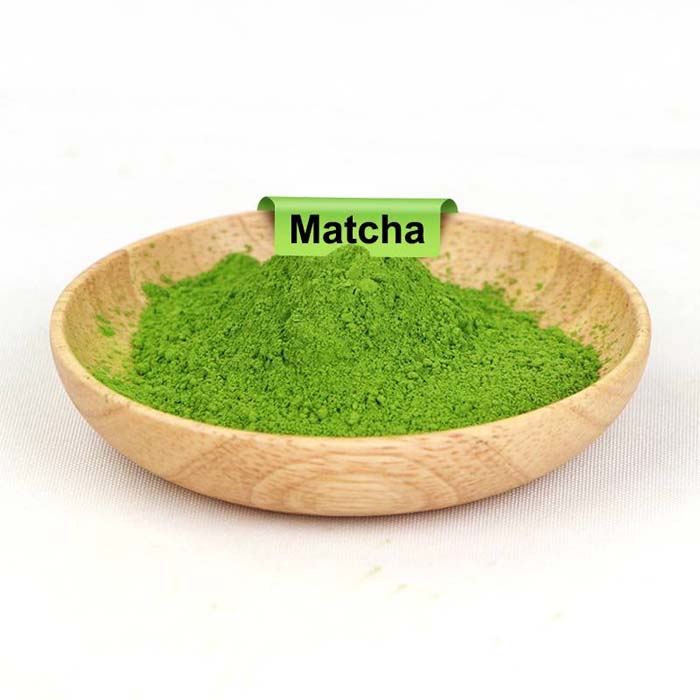 Organic Matcha Powder
 Koicha Ceremonial Grade Matcha Powder
 Organic Ceremonial Grade Matcha Powder
 Premium Beverage Grade Matcha Powder
 Everyday Culinary Grade Matcha Powder
 Organic Instant Pure Matcha
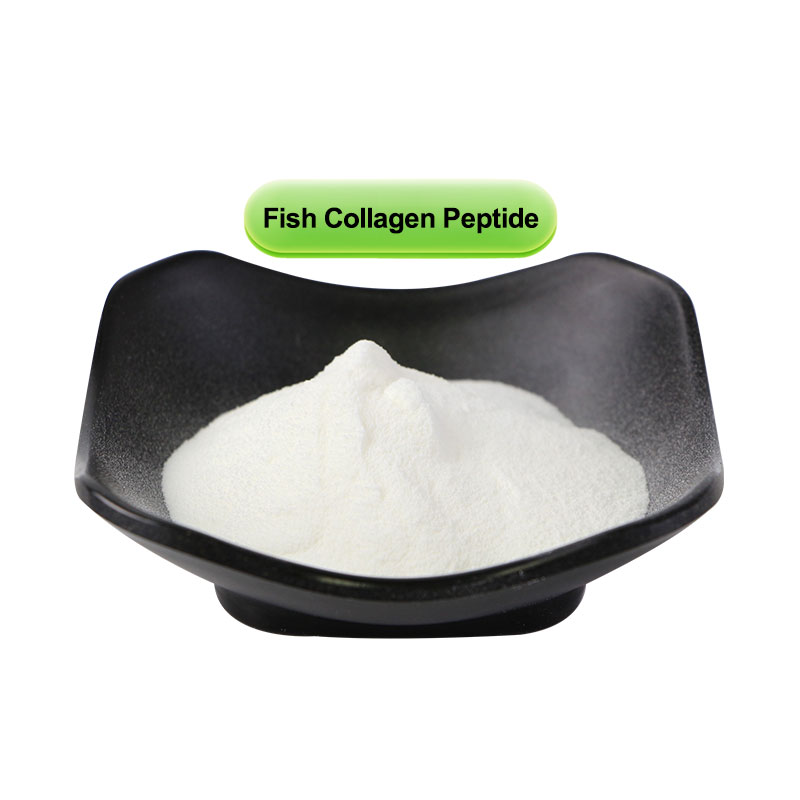 Fish Collagen Peptide
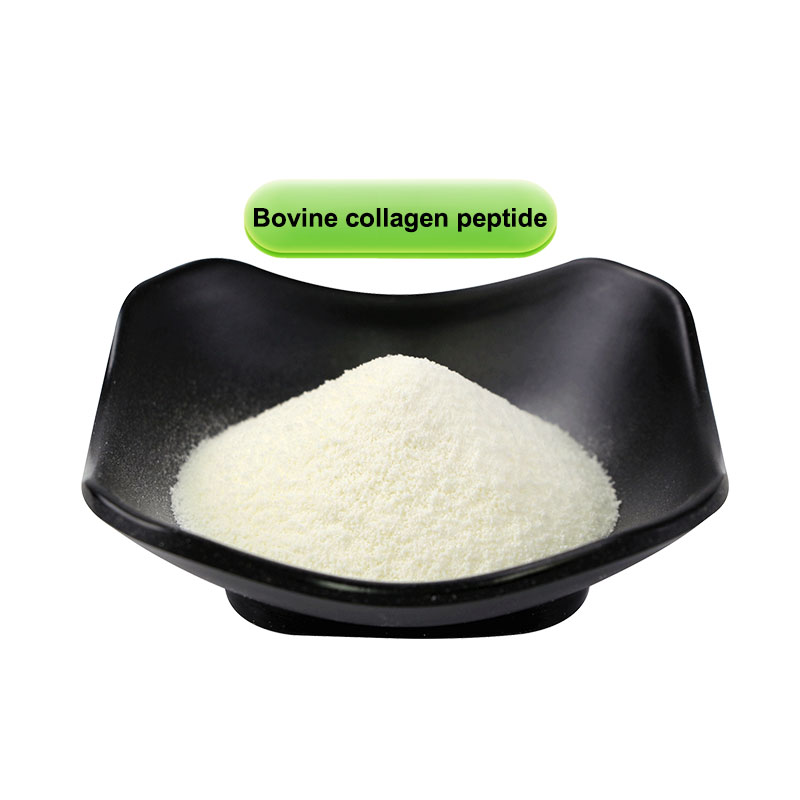 Bovine Collagen Peptide
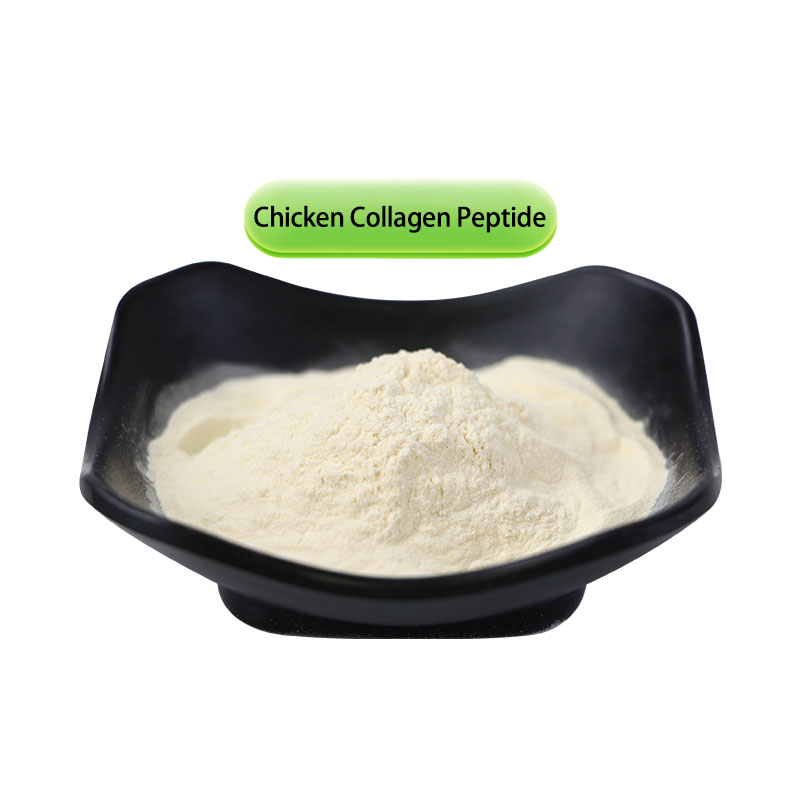 Chicken Collagen Peptide (Hydrolyzed Type II Collagen)
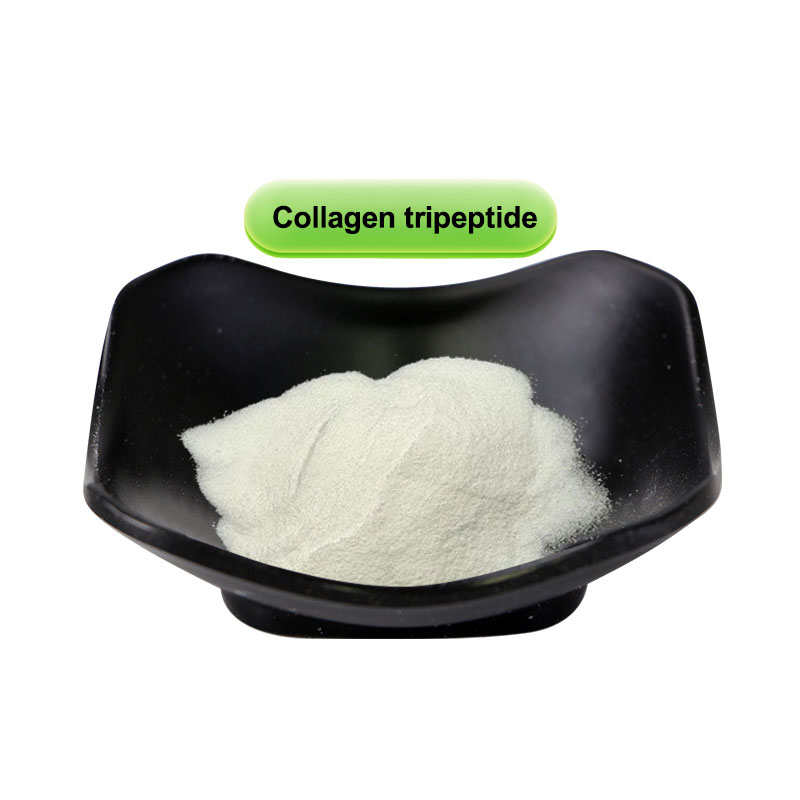 Collagen Tripeptide
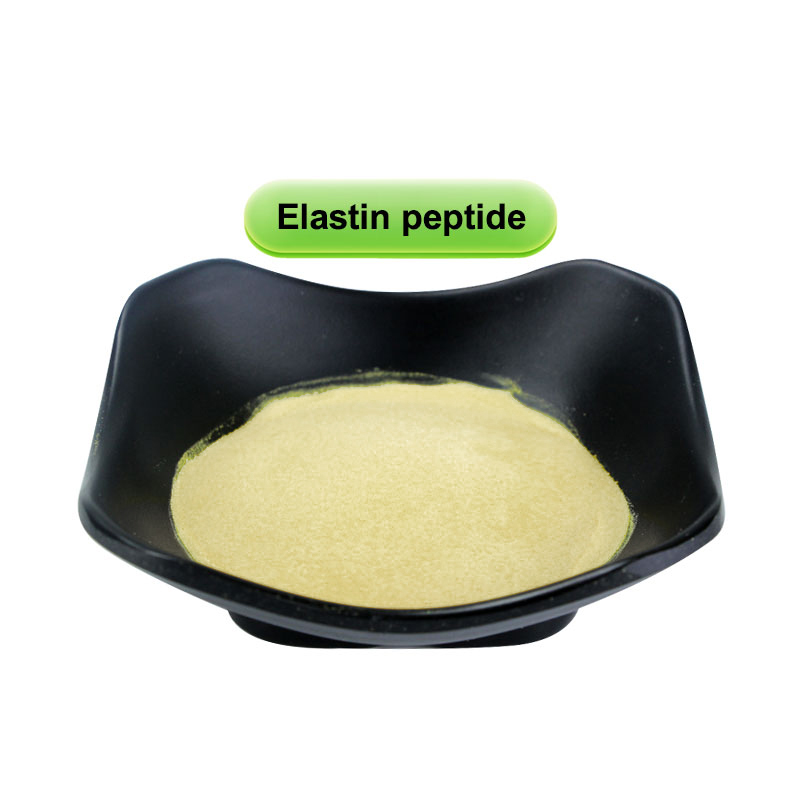 Elastin Collagen Peptide
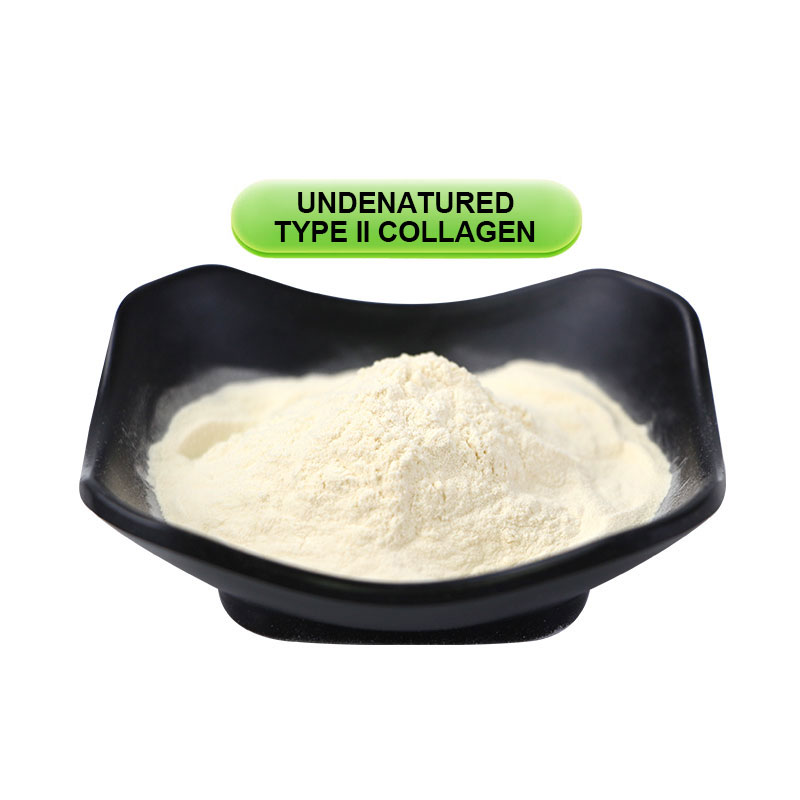 Undenatured Type II Collagen
 Bulk Lecithin Powder Manufacturer & Supplier | AMULYN
 Soy Lecithin Powder
 Sunflower Lecithin Powder
 Soy Lecithin Granules
 Phosphatidylcholine
  Phosphatidylserine
 Mushroom Extract
  Reishi Mushroom Powder
 Lion's Mane Mushroom Powder
 Cordyceps Sinensis Powder
 Chaga Mushroom Powder
 Shiitake Mushroom Powder
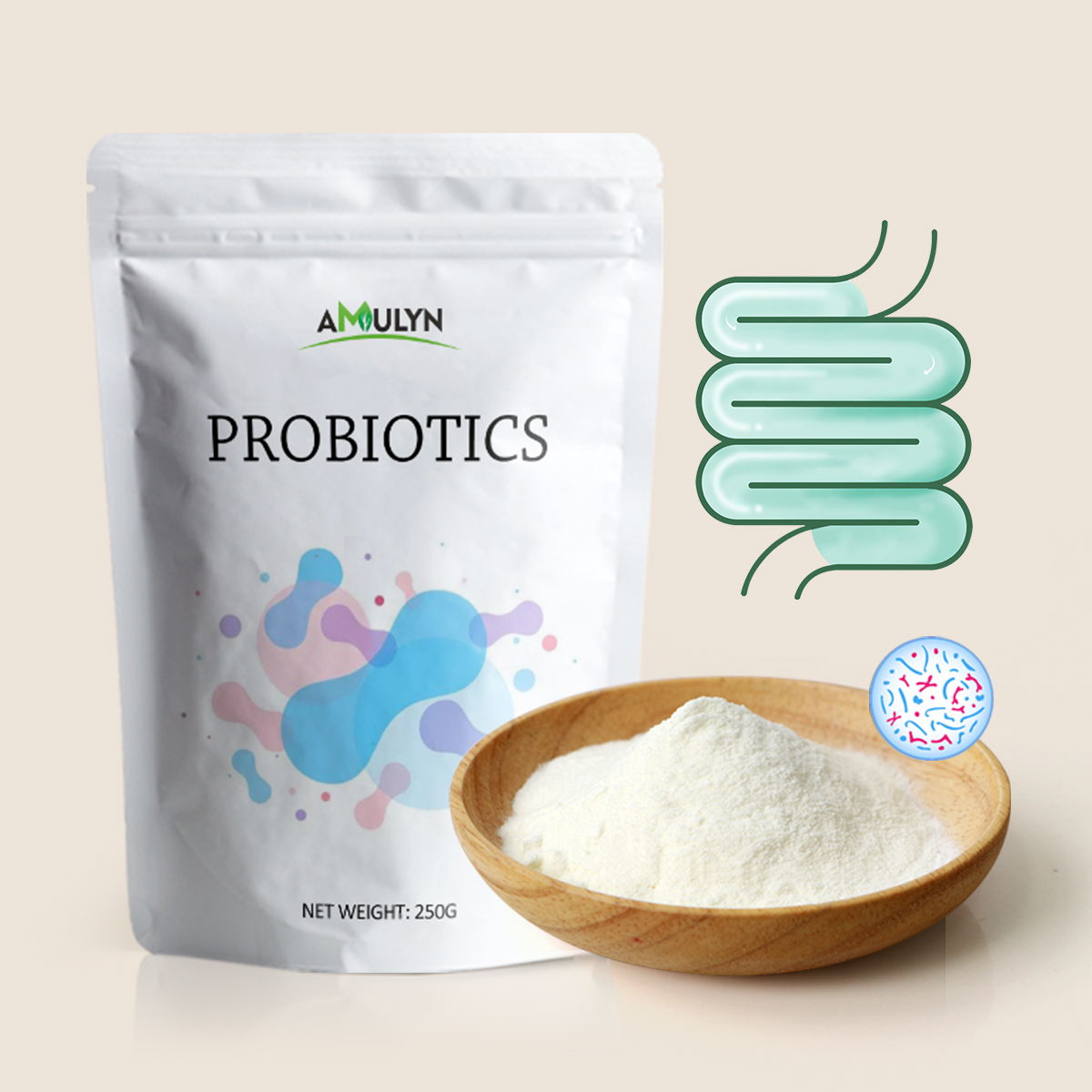 Freeze-Dried Probiotic Powder
 Bifidobacterium Lactis Probiotics Powder
 lactobacillus plantarum Probiotics Powder
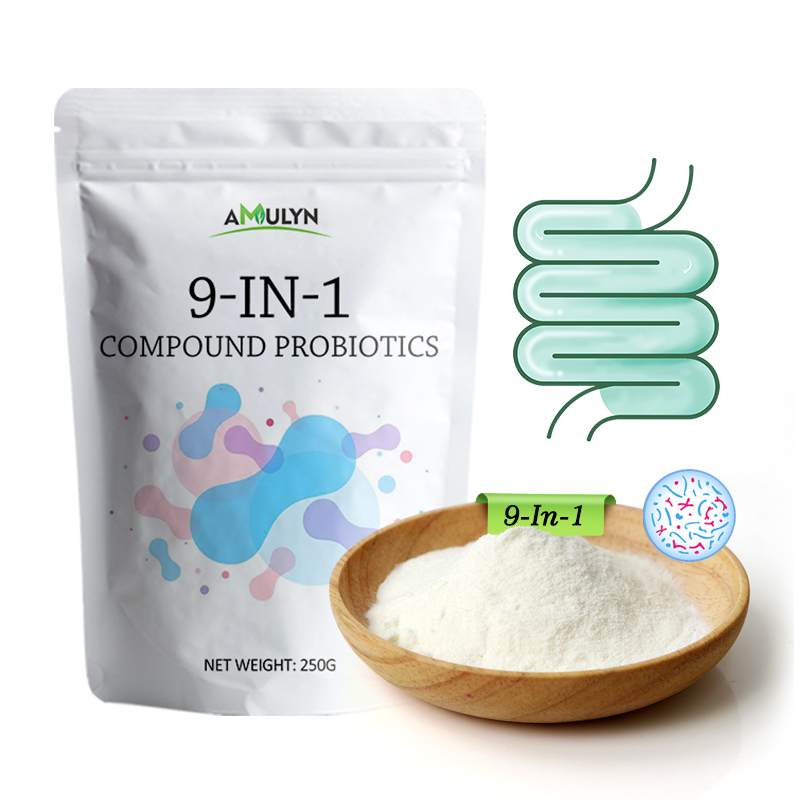 9-In-1 Compound Probiotics Powder
 lactobacillus Rhamnosus Probiotics Powder
 Lactobacillus Casei Probiotics Powder