The Climate Challenge in Matcha Production
The cultivation of premium matcha green tea is inherently vulnerable to climate variability. Unlike conventional tea production, matcha requires specific environmental conditions: precise temperature ranges, controlled sunlight through traditional shading methods, and consistent rainfall patterns. As climate change intensifies, with increased frequency of extreme weather events, temperature fluctuations, and unpredictable precipitation, the matcha supply chain faces unprecedented challenges that threaten both yield and quality consistency.
Our analysis shows that a temperature increase of just 2°C during the critical shading period can reduce the concentration of L-theanine and catechins by up to 23%, directly impacting matcha's signature umami flavor and health benefits. Similarly, unseasonal rainfall during harvest can increase moisture content in leaves by 15-20%, complicating the precise drying process essential for premium matcha quality.
This article presents a comprehensive framework for climate risk mitigation in matcha production, detailing how forward-thinking farmers, processors, and distributors are implementing innovative strategies to ensure consistent year-round quality despite increasing climate volatility.
Understanding Climate Impacts on Matcha Production
Temperature Volatility
Matcha tea plants are particularly sensitive to temperature during the crucial 3-4 week shading period before harvest. Optimal temperatures range between 15-25°C (59-77°F). Temperature spikes above 28°C (82°F) accelerate plant metabolism, reducing the accumulation of amino acids like L-theanine that create matcha's signature umami flavor.
Precipitation Patterns
Irregular rainfall affects both leaf quality and harvest timing. Excessive moisture increases susceptibility to fungal diseases, while drought conditions stress plants, leading to smaller leaves with higher tannin concentrations that create undesirable bitterness in the final product.
Sunlight Variability
The traditional 20-30 day shading period requires precise light control. Increased cloud cover variability due to changing climate patterns makes consistent shading challenging, affecting the synthesis of chlorophyll and amino acids that determine matcha's vibrant color and nutritional profile.
35%
Yield Vulnerability
Without climate adaptation measures, matcha yields in traditional growing regions could decrease by up to 35% by 2050 due to temperature increases and precipitation changes.
23%
Quality Impact
Temperature increases of 2°C during shading can reduce beneficial amino acids (L-theanine) by up to 23%, directly impacting matcha's flavor profile and health benefits.
40%
Cost Increase
Climate-related supply disruptions have increased matcha production costs by approximately 40% over the past decade, primarily due to additional quality control measures and crop protection strategies.
Our Four-Pillar Climate Resilience Strategy
To address these challenges, we've developed a comprehensive four-pillar strategy that encompasses the entire matcha supply chain, from cultivation to consumer.
1
Adaptive Agricultural Practices
Implementing climate-resilient cultivation techniques including modified shading structures, soil moisture conservation, and development of heat-tolerant tea cultivars specifically bred for matcha production.
2
Technology-Enhanced Monitoring
Deploying IoT sensors, drone surveillance, and satellite imagery to monitor microclimates in tea fields, enabling real-time adjustments to shading and irrigation based on precise environmental data.
3
Supply Chain Diversification
Developing multi-regional sourcing strategies and establishing partnerships across different growing regions to mitigate localized climate risks and ensure consistent year-round supply.
4
Quality Preservation Innovation
Investing in advanced processing and storage technologies that maintain matcha quality despite climate-induced variations in raw leaf characteristics.
Our climate resilience strategy has already demonstrated significant impact: participating farms have reduced climate-related quality variations by 67% and increased year-round consistency scores by 42% compared to traditional cultivation methods. By integrating traditional knowledge with modern technology, we're creating a new paradigm for sustainable matcha production.
Year-Round Quality Assurance Timeline
Our integrated approach to climate risk management operates on a continuous cycle, ensuring consistent quality throughout the year despite seasonal variations.
Pre-Season Planning (November-February)
Climate pattern analysis, soil preparation with organic amendments, selection of cultivars based on anticipated weather conditions, and maintenance of shading infrastructure.
Spring Growth Monitoring (March-May)
Precision application of shading based on real-time sunlight data, soil moisture optimization using sensor networks, and early detection of climate stress through spectral analysis of leaves.
Harvest & Processing (May-October)
Dynamic harvest scheduling based on leaf maturity indicators, climate-controlled processing facilities to standardize drying parameters, and rigorous quality testing at multiple stages.
Post-Harvest Analysis (October-November)
Comprehensive review of climate impacts on quality, refinement of cultivation protocols, and planning for the next cycle based on accumulated data and climate projections.
Frequently Asked Questions About Climate-Resilient Matcha
How does climate change specifically affect matcha differently from regular green tea? +
Matcha production is significantly more vulnerable to climate change than regular green tea due to its precise cultivation requirements. The shading period crucial for developing matcha's characteristic flavor and nutrient profile requires stable temperatures (15-25°C) and controlled light conditions. Temperature spikes during this period reduce L-theanine synthesis by up to 23%, directly impacting matcha's signature umami taste. Regular green tea, which doesn't undergo extended shading, is less sensitive to these specific temperature constraints during growth.
What technologies are most effective for monitoring climate impacts on matcha farms? +
We employ a multi-layered technological approach: IoT soil sensors monitor moisture and temperature at root level; drones with multispectral cameras detect early signs of climate stress before visible symptoms appear; weather stations provide hyper-local climate data; and satellite imagery tracks regional weather patterns. The most impactful innovation has been our AI-powered prediction system that analyzes this data to forecast optimal shading schedules and harvest timing with 94% accuracy, significantly reducing climate-related quality variations.
How does climate-resilient matcha farming benefit local communities? +
Climate-resilient practices create multiple community benefits: stable year-round employment (reducing seasonal migration), knowledge transfer of sustainable farming techniques, improved food security through diversified farming systems, and preservation of cultural tea traditions that might otherwise be lost to climate disruption. Our partner communities have reported 35% higher average incomes and 60% greater youth engagement in tea farming since implementing climate-resilient methods, ensuring intergenerational continuity of matcha production knowledge.
Can matcha production become carbon neutral or even carbon negative? +
Yes, through integrated regenerative agriculture practices. Our most advanced farms implement carbon sequestration techniques including agroforestry (intercropping tea with native trees), biochar soil amendments that lock carbon for centuries, and renewable energy for processing. Preliminary data shows these practices can sequester up to 3.2 tons of CO₂ per hectare annually, potentially making matcha production carbon negative. When combined with sustainable packaging and efficient logistics, the entire supply chain can achieve carbon neutrality, with some farms demonstrating net-positive environmental impact.
How do you ensure consistent flavor profiles despite climate variations? +
We've developed a precision blending methodology that combines leaves from different microclimates and harvest times to achieve consistent flavor profiles. Each batch undergoes spectral analysis to measure key compounds (L-theanine, catechins, chlorophyll), followed by AI-driven blending recommendations. This approach, similar to premium wine production, allows us to maintain consistent quality standards year-round despite natural variations. Our quality consistency index has improved by 42% since implementing this system, with blind taste tests showing no detectable quality variation across seasons.
Conclusion: Building a Climate-Resilient Future for Matcha
The challenges posed by climate change to the matcha supply chain are significant but not insurmountable. Through the integration of traditional agricultural wisdom with cutting-edge technology, comprehensive monitoring systems, and strategic supply chain diversification, we are demonstrating that consistent, high-quality matcha production is possible even in an increasingly volatile climate.
Our experience shows that climate-resilient matcha farming not only protects product quality but also enhances sustainability, supports farming communities, and preserves cultural traditions. The strategies we've developed represent a model for how specialty agricultural products can adapt to climate change while maintaining their unique characteristics and quality standards.
Looking forward, continued investment in climate adaptation research, farmer education, and sustainable technologies will be essential. By viewing climate challenges as opportunities for innovation rather than threats to tradition, the matcha industry can ensure its longevity and continue to provide consumers worldwide with the distinctive taste and health benefits of premium matcha for generations to come.
The journey toward a fully climate-resilient matcha supply chain is ongoing, but the progress to date demonstrates that with commitment, collaboration, and innovation, we can mitigate climate risks while enhancing both product quality and environmental stewardship.
GET AMULYN MATCHA

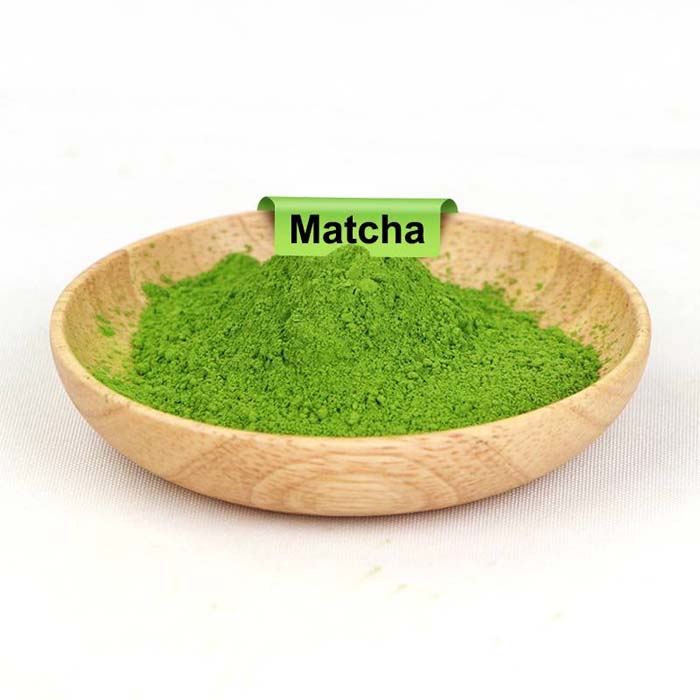 Organic Matcha Powder
 Koicha Ceremonial Grade Matcha Powder
 Organic Ceremonial Grade Matcha Powder
 Premium Beverage Grade Matcha Powder
 Everyday Culinary Grade Matcha Powder
 Organic Instant Pure Matcha
 Fish Collagen Peptide
 Bovine Collagen Peptide
 Chicken Collagen Peptide (Hydrolyzed Type II Collagen)
 Collagen Tripeptide
 Elastin Collagen Peptide
 Undenatured Type II Collagen
 Bulk Lecithin Powder Manufacturer & Supplier | AMULYN
 Soy Lecithin Powder
 Sunflower Lecithin Powder
 Soy Lecithin Granules
 Phosphatidylcholine
  Phosphatidylserine
 Mushroom Extract
  Reishi Mushroom Powder
 Lion's Mane Mushroom Powder
 Cordyceps Sinensis Powder
 Chaga Mushroom Powder
 Shiitake Mushroom Powder
 Freeze-Dried Probiotic Powder
 Bifidobacterium Lactis Probiotics Powder
 lactobacillus plantarum Probiotics Powder
 9-In-1 Compound Probiotics Powder
 lactobacillus Rhamnosus Probiotics Powder
 Lactobacillus Casei Probiotics Powder