The Global Matcha Phenomenon
In recent years, matcha green tea has evolved from a traditional Japanese ceremonial beverage to a global wellness phenomenon. This vibrant green powder, made from finely ground shade-grown tea leaves, has captured the attention of health-conscious consumers, food innovators, and product developers worldwide. The matcha market is projected to reach $5.07 billion by 2027, growing at a CAGR of 8.6% from 2020 to 2027, according to Allied Market Research.
The unique combination of antioxidant properties, caffeine content, and L-theanine amino acid creates what many describe as "calm alertness" – a sustained energy boost without the jitters often associated with coffee. This distinctive profile, combined with growing consumer interest in functional foods, has made matcha an ideal candidate for innovative product development across multiple categories.
This article explores the complex interplay between social trends and health science that drives matcha product development, examining how this ancient beverage has been reimagined for modern consumers seeking both wellness benefits and cultural authenticity.
Matcha by the Numbers: Key Market Data
137x
Antioxidant Power
Matcha contains up to 137 times more antioxidants than regular green tea, particularly epigallocatechin gallate (EGCG), which has been linked to numerous health benefits.
$5.07B
Market Value by 2027
The global matcha market is expected to reach $5.07 billion by 2027, with North America and Europe showing the fastest growth rates.
42%
Functional Food Incorporation
42% of new food and beverage products featuring matcha are positioned as functional or wellness products, highlighting its health-driven appeal.
Health Drivers in Matcha Product Development
Antioxidant Superiority
The exceptional antioxidant content of matcha stems from its unique cultivation process. Tea plants destined for matcha production are shaded for 3-4 weeks before harvest, which dramatically increases chlorophyll production and boosts levels of catechins, particularly epigallocatechin gallate (EGCG). These powerful compounds help combat oxidative stress and inflammation in the body, making matcha an attractive ingredient for health-focused product development.
Sustained Energy Without Jitters
Unlike coffee, which can cause energy spikes and crashes, matcha provides a more balanced energy boost. This is due to the combination of caffeine (approximately 35mg per serving) and L-theanine, an amino acid that promotes relaxation without drowsiness. Product developers are leveraging this unique profile to create alternatives to traditional energy drinks and coffee-based products.
Metabolic and Cognitive Benefits
Research suggests that regular consumption of high-quality matcha may support metabolic health and cognitive function. Studies have shown potential benefits for weight management, blood sugar regulation, and memory enhancement. These scientifically-backed benefits provide strong marketing angles for new matcha-infused products.
Social and Cultural Drivers
Cultural Authenticity & Heritage
Consumers increasingly seek authentic experiences and products with cultural heritage. Matcha's 800-year history in Japanese tea ceremonies provides a compelling narrative that resonates with modern consumers interested in mindfulness and traditional practices.
Sustainability & Ethical Sourcing
The growing demand for sustainably sourced matcha reflects broader consumer concerns about environmental impact and ethical production. Products highlighting traceability, organic certification, and fair trade practices have a competitive advantage.
Culinary Innovation
From matcha lattes and smoothies to desserts, baked goods, and even savory dishes, culinary creativity is driving matcha product development. This versatility allows for cross-category innovation and appeals to adventurous foodies.
Frequently Asked Questions About Matcha
What's the difference between ceremonial grade and culinary grade matcha? +
Ceremonial grade matcha is made from the youngest tea leaves, stone-ground into an ultra-fine powder. It has a vibrant green color, delicate flavor, and is intended for traditional tea preparation. Culinary grade matcha is made from slightly older leaves, has a more robust flavor, and is better suited for cooking, baking, and blending into lattes or smoothies where other ingredients might mask its subtlety.
How does matcha compare to regular green tea in terms of health benefits? +
Because matcha involves consuming the entire ground tea leaf rather than just an infusion, it delivers significantly higher concentrations of antioxidants, vitamins, and minerals. Studies show matcha contains up to 137 times more EGCG (a powerful antioxidant) than regular green tea. The caffeine in matcha is also balanced by L-theanine, providing more sustained energy without the crash associated with coffee or some other teas.
What should I look for when buying high-quality matcha? +
Look for vibrant green color (dull or brownish hues indicate lower quality or oxidation), origin information (Japanese matcha, particularly from Uji, Nishio, or Shizuoka regions, is generally highest quality), and harvest date (matcha is best consumed within 6-12 months of production). The powder should be fine and silky, not coarse. For the best experience, choose ceremonial grade for drinking straight and culinary grade for cooking.
How is the growing demand for matcha affecting sustainable farming practices? +
The matcha boom has both positive and challenging impacts on sustainability. On one hand, it has encouraged more organic matcha farming and fair trade certifications as consumers become more conscious. However, increased demand has also led to concerns about over-farming and quality dilution. Leading producers are responding with regenerative agriculture practices, water conservation measures, and initiatives to protect traditional farming knowledge while meeting global demand.
What are some innovative matcha products currently on the market? +
Beyond traditional tea and matcha powder, innovative products include matcha-infused energy bars, protein powders, skincare products (leveraging its antioxidant properties), alcoholic beverages, ice cream, chocolates, and even matcha pasta. There's also growing interest in "functional matcha" products that combine the tea with adaptogens, probiotics, or other wellness ingredients to target specific health benefits.
Conclusion: The Future of Matcha Product Development
The continued growth of the global matcha market reflects a powerful convergence of health science and social trends. As research continues to validate matcha's health benefits, and as consumers increasingly seek authentic, functional, and sustainable products, we can expect even more innovation in matcha product development.
Future trends may include personalized matcha blends tailored to individual health goals, advances in sustainable farming techniques to meet growing demand while protecting ecosystems, and further culinary experimentation that brings matcha into unexpected food and beverage categories. What remains clear is that matcha's journey from traditional Japanese tea ceremony to global wellness staple is far from complete, and its potential for continued innovation in product development is as vibrant as its distinctive green hue.
For product developers, the key to success lies in balancing authenticity with innovation—honoring matcha's rich cultural heritage while creatively adapting it to meet contemporary consumer needs for health, convenience, and sensory pleasure.
GET AMULYN MATCHA

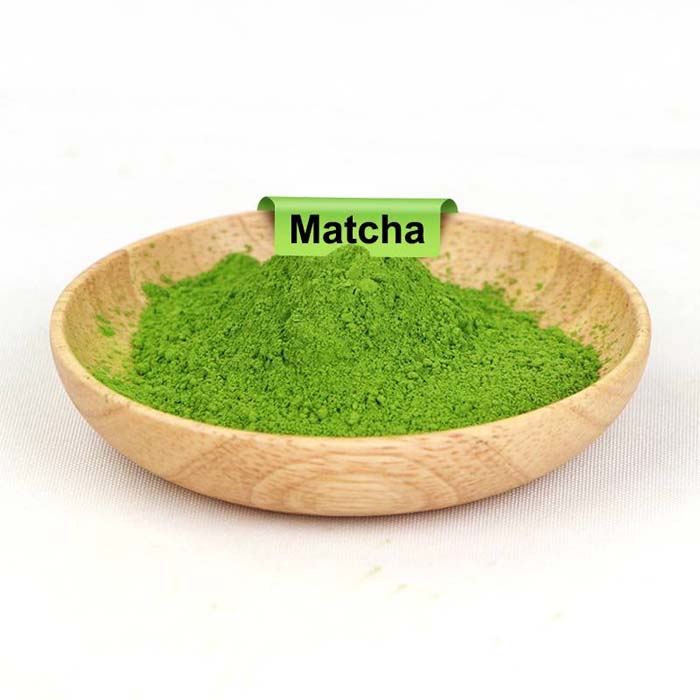 Organic Matcha Powder
 Koicha Ceremonial Grade Matcha Powder
 Organic Ceremonial Grade Matcha Powder
 Premium Beverage Grade Matcha Powder
 Everyday Culinary Grade Matcha Powder
 Organic Instant Pure Matcha
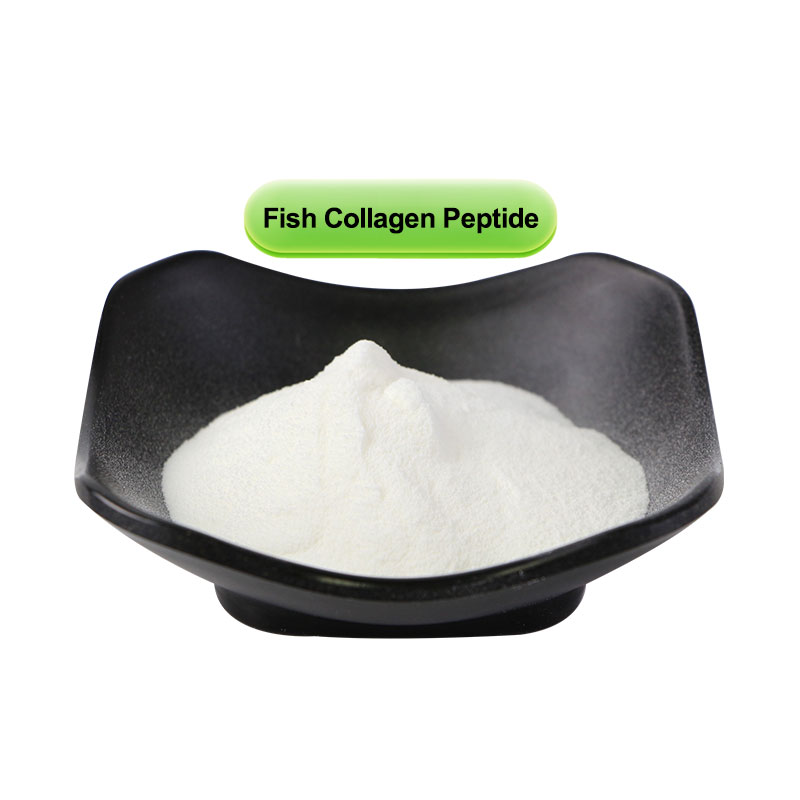 Fish Collagen Peptide
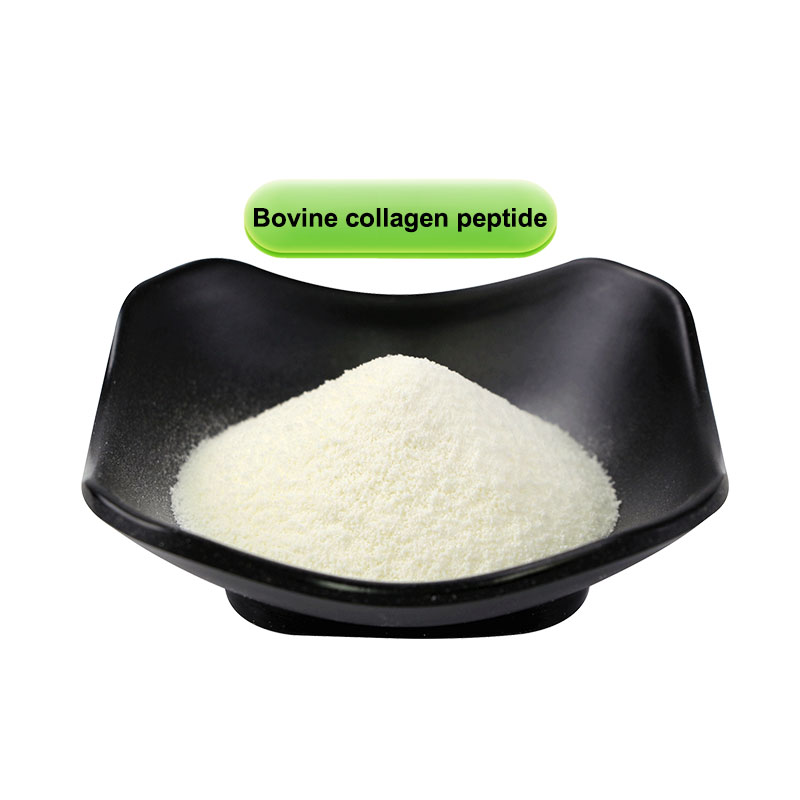 Bovine Collagen Peptide
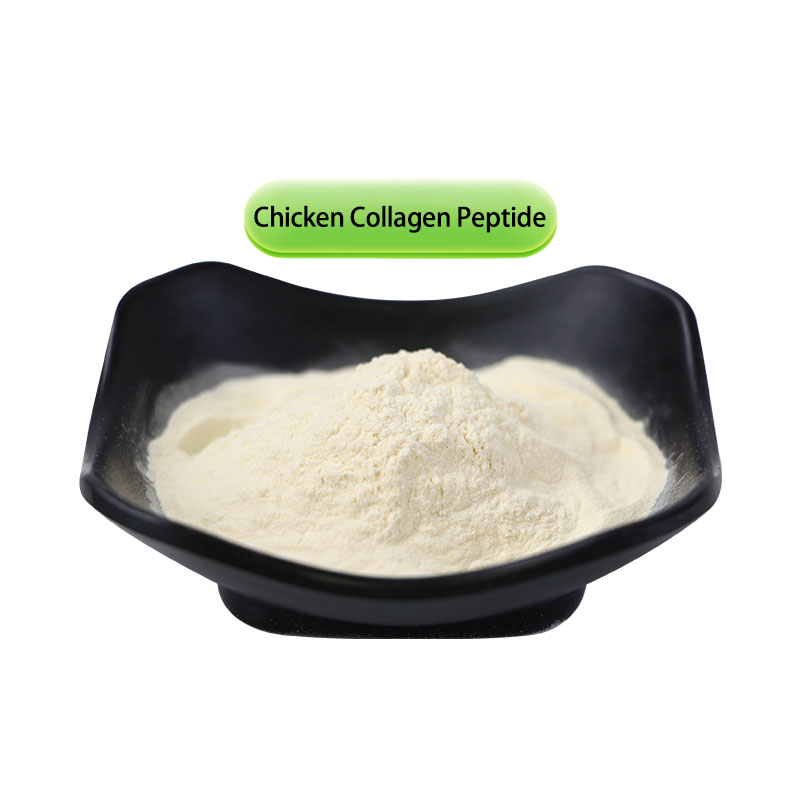 Chicken Collagen Peptide (Hydrolyzed Type II Collagen)
 Collagen Tripeptide
 Elastin Collagen Peptide
 Undenatured Type II Collagen
 Bulk Lecithin Powder Manufacturer & Supplier | AMULYN
 Soy Lecithin Powder
 Sunflower Lecithin Powder
 Soy Lecithin Granules
 Phosphatidylcholine
  Phosphatidylserine
 Mushroom Extract
  Reishi Mushroom Powder
 Lion's Mane Mushroom Powder
 Cordyceps Sinensis Powder
 Chaga Mushroom Powder
 Shiitake Mushroom Powder
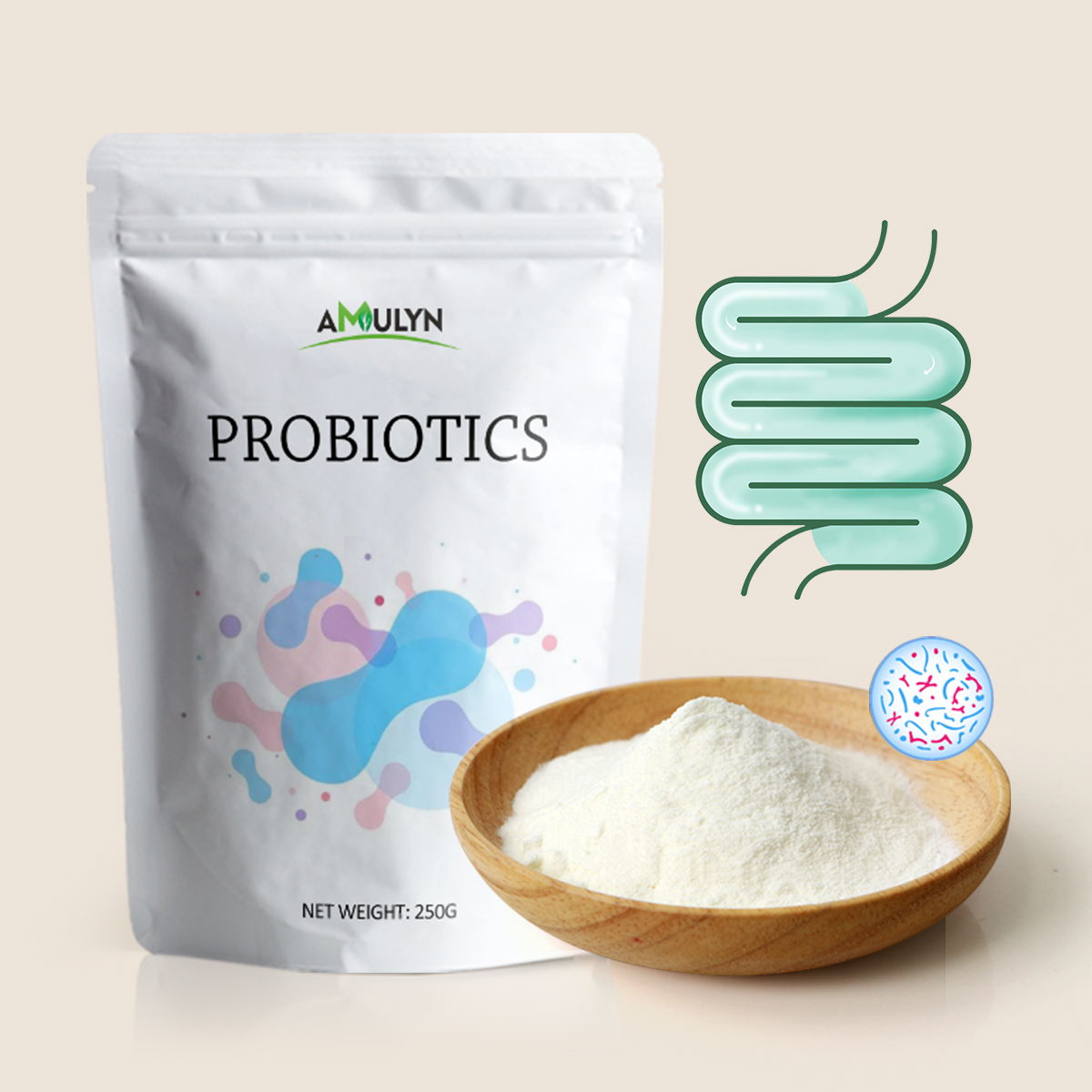 Freeze-Dried Probiotic Powder
 Bifidobacterium Lactis Probiotics Powder
 lactobacillus plantarum Probiotics Powder
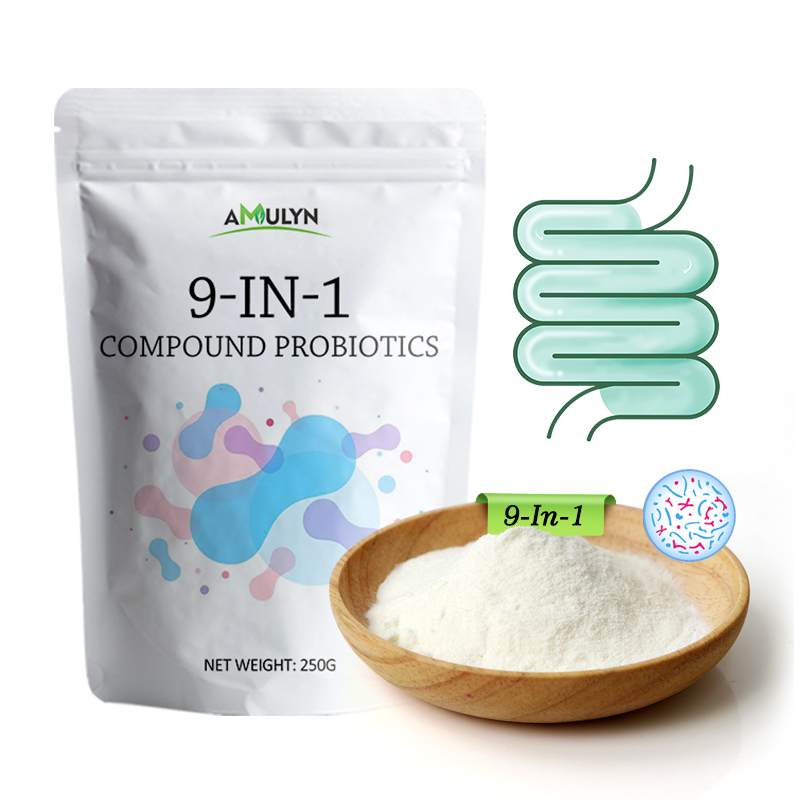 9-In-1 Compound Probiotics Powder
 lactobacillus Rhamnosus Probiotics Powder
 Lactobacillus Casei Probiotics Powder