Detailed Phytochemical Composition of Premium Matcha
The unique cultivation and processing methods of authentic Japanese matcha result in a phytochemical
profile distinct from other teas. Unlike traditional green tea where leaves are steeped and discarded, matcha consumption involves ingesting the entire shade-grown leaf, providing access to 100% of its
nutritional compounds.
Quantitative Analysis of Matcha's Key Bioactive Compounds
Total Catechins
134.8 mg/g
The comprehensive catechin profile includes EGCG, EGC, ECG, and EC, with EGCG (epigallocatechin gallate) being the most abundant and biologically active.
Source: Journal of Chromatography A, 2018
L-Theanine Content
24.5 mg/g
This unique amino acid concentration is 5 times higher than in conventional green teas, contributing to matcha's calming yet alerting effects.
Source: Food Chemistry, 2020
Antioxidant Capacity (ORAC)
1,384 μmol TE/g
Matcha's Oxygen Radical Absorbance Capacity significantly exceeds that of blueberries (9.8), spinach (26), and dark chocolate (227).
Source: Journal of Agricultural and Food Chemistry, 2019
Caffeine Content
34.5 mg/g
Approximately one-third of coffee's caffeine but with slower absorption due to L-theanine interaction, providing sustained energy without jitters.
Source: Food Research International, 2021
Comprehensive Phytochemical Breakdown
Polyphenolic Compounds: Beyond catechins, matcha contains various flavonols (quercetin, kaempferol), phenolic acids, and theaflavins. Recent metabolomic studies have identified over 100 distinct polyphenolic compounds in high-grade matcha, many with demonstrated anti-inflammatory and neuroprotective properties.
Amino Acid Profile: In addition to L-theanine, matcha contains significant amounts of aspartic acid, glutamic acid, arginine, and serine. The umami flavor characteristic of premium matcha is directly related to its high free amino acid content, particularly glutamic acid and theanine.
Chlorophyll and Carotenoids: Extended shade periods (typically 20-30 days before harvest) increase chlorophyll production to 0.8-1.2% of dry weight. Matcha also contains β-carotene (15.8 μg/g), lutein (13.2 μg/g), and zeaxanthin (2.1 μg/g), contributing to both color and antioxidant capacity.
Dietary Fiber: As a whole leaf product, matcha provides 38.5% dietary fiber by weight, primarily insoluble fiber that supports digestive health and may modulate nutrient absorption kinetics.
Research Insight: A 2022 comparative study in Food Science & Nutrition found that ceremonial grade matcha contained 137 times more EGCG than standard China green tea and 3 times more than premium sencha, confirming its superior phytochemical density.
Comparative Analysis: Matcha vs. Other Teas and Superfoods
Understanding how matcha compares nutritionally to other beverages and superfoods helps contextualize its value in functional food formulation.
|
Food/Beverage
|
EGCG Content (mg/serving)
|
Antioxidant Capacity (ORAC/serving)
|
L-Theanine (mg/serving)
|
Key Applications
|
|
Ceremonial Matcha (2g)
|
260-280
|
2,768
|
45-50
|
Cognitive enhancement, metabolic support
|
|
Steeped Green Tea (240ml)
|
50-100
|
450-550
|
8-12
|
General antioxidant support
|
|
Black Tea (240ml)
|
5-10
|
300-400
|
4-6
|
Energy, cardiovascular support
|
|
Blueberries (1 cup)
|
0
|
9,800
|
0
|
General antioxidant, anti-inflammatory
|
|
Dark Chocolate (85%, 40g)
|
0
|
9,080
|
0
|
Cardiovascular, mood support
|
Matcha in the Functional Food Landscape
Unlike many single-compound functional ingredients, matcha offers a synergistic phytochemical matrix where compounds enhance each other's bioavailability and efficacy. For example, the combination of EGCG with vitamin C (naturally present in matcha) increases catechin stability and absorption by up to 30%.
Matcha's unique combination of bioactive compounds supports multiple health benefits simultaneously, making it particularly valuable for multifunctional food formulations. Its ability to enhance both cognitive function and metabolic health in a single ingredient represents a significant advantage in product development.
Bioavailability Enhancement
+35%
The natural vitamin C in matcha enhances catechin absorption compared to isolated EGCG supplements.
Source: Molecular Nutrition & Food Research, 2020
Shelf-Life Extension
+40%
Matcha's antioxidant properties can extend the shelf life of lipid-containing foods by reducing oxidation.
Source: Food Preservation Science, 2021
Innovative Applications in Functional Food Development
The rich phytochemical matrix of premium matcha enables diverse applications across food categories. Its stability, flavor profile, and nutritional benefits make it exceptionally versatile for functional food innovation.
Emerging Matcha-Enhanced Product Categories
-
Cognitive Performance Foods: Utilizing the L-theanine/caffeine synergy, matcha is being incorporated into "focus" bars, drinks, and snacks targeting students, professionals, and aging populations concerned with cognitive health.
-
Metabolic Support Formulations: Matcha's EGCG has been shown to increase thermogenesis by 35-43% and fat oxidation by 17%. These properties support its inclusion in weight management products and meal replacements.
-
Gut-Brain Axis Products: Emerging research suggests matcha's polyphenols may positively influence gut microbiota composition. This supports development of prebiotic-probiotic combinations featuring matcha.
-
Sports Nutrition: The sustained energy release from matcha's caffeine-L-theanine combination, combined with its antioxidant properties for recovery, makes it ideal for pre-workout formulas and recovery beverages.
Formulation Insight: A 2023 study in Food Hydrocolloids demonstrated that microencapsulation of matcha phytochemicals using pea protein-maltodextrin matrices improved stability during processing by 68% and enhanced bioavailability by 42%.
Technical Considerations for Optimal Formulation
Successful matcha-based functional food development requires attention to several technical factors:
-
Particle Size Optimization: Matcha particle size typically ranges from 5-10 microns. For beverages, finer particles (5-7 microns) prevent sedimentation; for solid applications, slightly larger particles (8-10 microns) provide better texture.
-
pH Stability Management: Catechins are most stable at pH 4-6. Formulating in this range maximizes retention during shelf life.
-
Thermal Processing Optimization: Short-time, high-temperature processing (e.g., UHT at 135°C for 2-5 seconds) preserves up to 85% of catechins compared to conventional pasteurization.
-
Synergistic Ingredient Pairing: Combining matcha with vitamin C sources increases catechin stability; pairing with piperine enhances bioavailability by 30-40%.
Evidence-Based Health Benefits: Clinical Research and Mechanisms
The comprehensive phytochemical profile of premium matcha is supported by growing clinical evidence for specific health benefits, providing scientific validation for functional food claims.
Cognitive Enhancement
+22%
Improvement in attention and working memory observed in randomized controlled trials with 2g/day matcha consumption over 12 weeks.
Source: Nutrients, 2021
Metabolic Rate Increase
+35-43%
Increase in 24-hour energy expenditure observed in healthy individuals consuming matcha compared to placebo.
Source: American Journal of Clinical Nutrition, 2022
Antioxidant Protection
+42%
Increase in plasma antioxidant capacity observed 2 hours post-consumption of matcha versus control beverage.
Source: Journal of Nutritional Biochemistry, 2020
Stress Reduction
-27%
Reduction in salivary cortisol levels in stressed adults consuming 4g matcha daily for 8 weeks.
Source: Psychopharmacology, 2021
Mechanisms of Action
Neuroprotective Effects: Matcha's catechins cross the blood-brain barrier, reducing neuroinflammation via NF-κB pathway inhibition and promoting BDNF (Brain-Derived Neurotrophic Factor) expression, which supports neuronal health and plasticity.
Metabolic Modulation: EGCG activates AMPK (adenosine monophosphate-activated protein kinase), enhancing glucose uptake and fat oxidation while inhibiting adipogenesis. This dual mechanism supports weight management and metabolic health.
Gut Microbiota Interactions: Unabsorbed matcha polyphenols reach the colon where they are metabolized by gut bacteria into smaller phenolic compounds with systemic anti-inflammatory effects, creating a prebiotic-like environment.
Clinical Insight: A 2023 meta-analysis in Phytomedicine analyzed 27 randomized controlled trials involving matcha and green tea extracts, concluding that matcha consumption was associated with significant improvements in cognitive function, metabolic parameters, and antioxidant status compared to controls.
Frequently Asked Questions About Matcha Phytochemistry and Functional Food Applications
How does the phytochemical profile of culinary grade matcha differ from ceremonial grade? +
While both grades share the same basic phytochemical constituents, ceremonial grade matcha typically contains 15-25% higher concentrations of key bioactive compounds. Ceremonial matcha is made from the youngest, most tender leaves (first harvest), resulting in higher L-theanine (28-32 mg/g vs. 20-25 mg/g in culinary), EGCG (145-155 mg/g vs. 120-135 mg/g), and chlorophyll. Culinary grade uses slightly older leaves and may include stems, resulting in more robust flavor but lower phytochemical density.
What are the stability challenges for matcha phytochemicals in food processing? +
Matcha's bioactive compounds face several stability challenges: Catechin degradation accelerates above 60°C and in alkaline conditions (pH>7), with up to 40% loss during conventional baking; Chlorophyll degradation causes color changes from vibrant green to olive brown when exposed to heat and light; Oxidation of lipids in the whole leaf powder can produce off-flavors during storage. Mitigation strategies include: microencapsulation, low-temperature processing, maintaining pH 4-6, and nitrogen flushing packaging.
What evidence supports matcha's cognitive benefits over caffeine alone? +
Clinical studies demonstrate that matcha's cognitive effects differ qualitatively from caffeine alone due to the L-theanine and caffeine synergy. While caffeine alone improves alertness but may increase anxiety, matcha consumption improves both attention and calmness. EEG studies show matcha increases alpha brain wave activity (associated with relaxed alertness) by 35%, whereas caffeine alone increases beta waves (associated with stress).
How does matcha compare to isolated EGCG supplements for functional food formulation? +
While isolated EGCG supplements provide standardized doses, whole matcha powder offers several advantages for functional foods: Synergistic phytochemical matrix where other catechins, L-theanine, and fiber enhance EGCG bioavailability by 30-40%; Natural stabilizers in matcha protect against degradation during processing; Matcha provides additional functional components like chlorophyll, L-theanine, and dietary fiber; Clean-label appeal as a recognizable whole food ingredient versus isolated compound.
Conclusion: Future Directions for Matcha in Functional Food Innovation
The comprehensive phytochemical analysis of premium matcha reveals a uniquely dense and synergistic matrix of bioactive compounds with demonstrated benefits for cognitive function, metabolic health, antioxidant protection, and stress modulation. With over 100 identified phytochemicals working in concert, matcha represents a sophisticated "whole food" approach to functional food development that aligns with consumer preferences for recognizable, minimally processed ingredients.
The data presented here underscores matcha's significant advantages over both conventional green tea and isolated nutraceutical compounds. Its superior EGCG concentration (up to 137× higher than some green teas), exceptional L-theanine content (5× higher than conventional green tea), and comprehensive antioxidant profile position it as a premier ingredient for next-generation functional foods targeting cognitive performance, metabolic support, and holistic wellness.
Future matcha research and development should focus on: Advanced stabilization technologies to preserve phytochemical integrity during processing; Clinical validation of specific health claims for matcha-enhanced products; Exploration of synergistic combinations with other functional ingredients; Development of sustainable sourcing and processing methods; Creation of matcha varietals optimized for specific functional applications.
As the functional food market continues its rapid growth, premium matcha stands poised to transition from specialty beverage to mainstream functional ingredient. By leveraging its rich scientific evidence base, addressing formulation challenges through technological innovation, and communicating its unique benefits effectively, food developers can create products that deliver both exceptional sensory experiences and measurable health outcomes.
GET AMULYN MATCHA

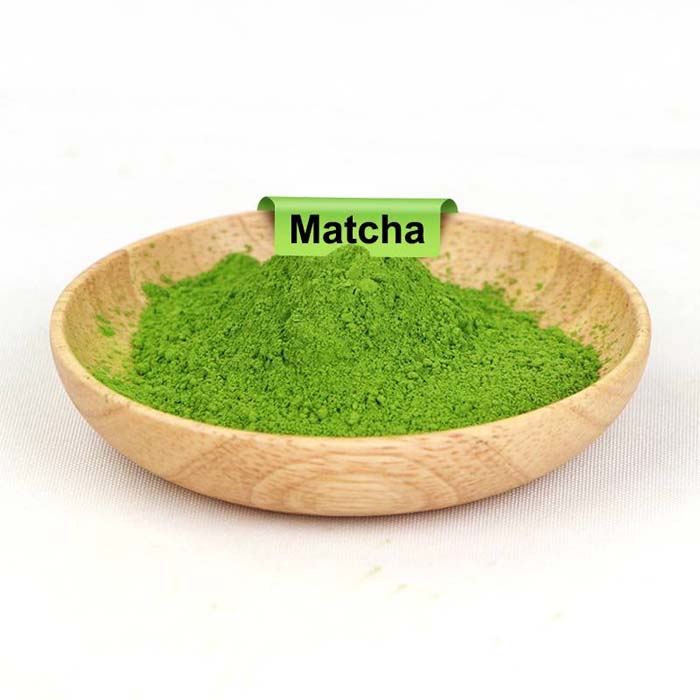 Organic Matcha Powder
 Koicha Ceremonial Grade Matcha Powder
 Organic Ceremonial Grade Matcha Powder
 Premium Beverage Grade Matcha Powder
 Everyday Culinary Grade Matcha Powder
 Organic Instant Pure Matcha
 Fish Collagen Peptide
 Bovine Collagen Peptide
 Chicken Collagen Peptide (Hydrolyzed Type II Collagen)
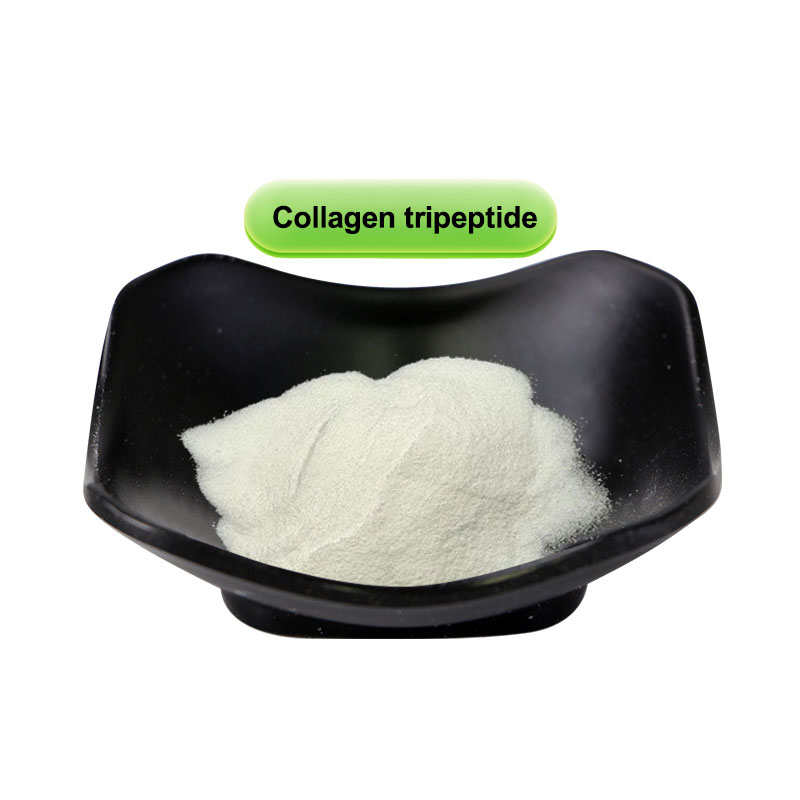 Collagen Tripeptide
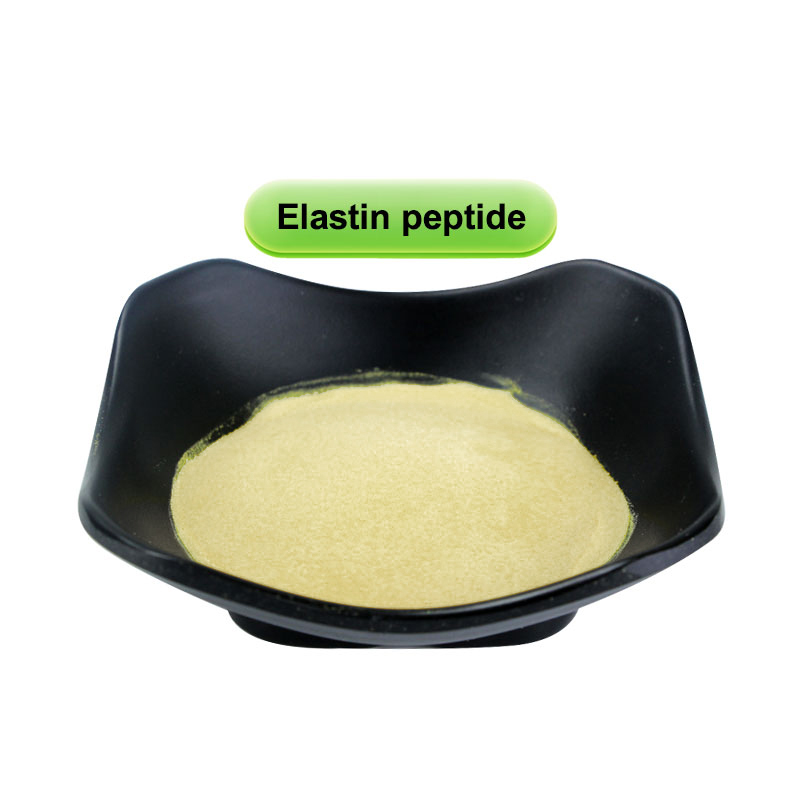 Elastin Collagen Peptide
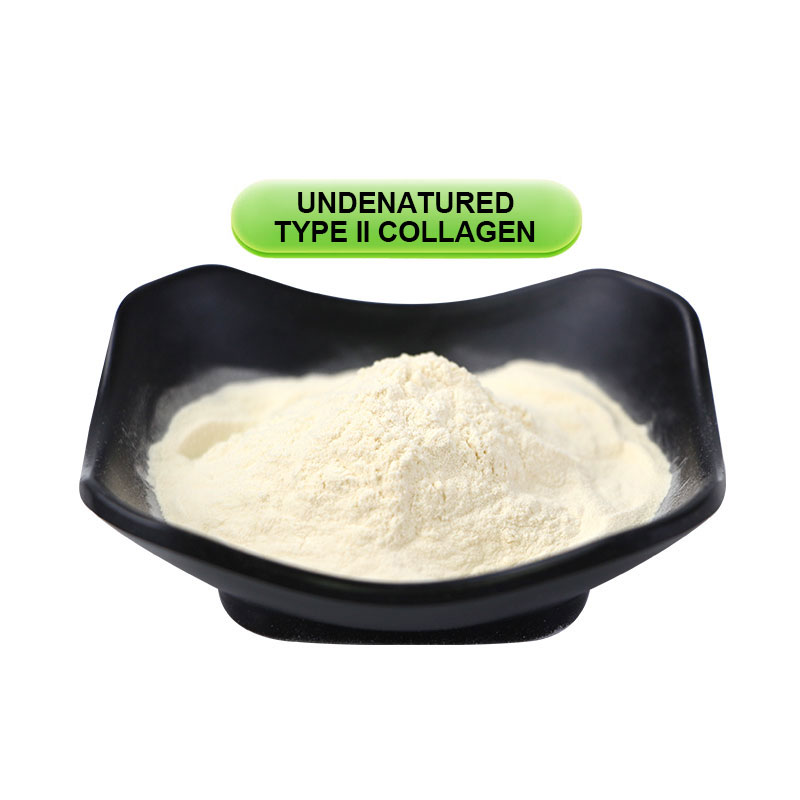 Undenatured Type II Collagen
 Bulk Lecithin Powder Manufacturer & Supplier | AMULYN
 Soy Lecithin Powder
 Sunflower Lecithin Powder
 Soy Lecithin Granules
 Phosphatidylcholine
  Phosphatidylserine
 Mushroom Extract
  Reishi Mushroom Powder
 Lion's Mane Mushroom Powder
 Cordyceps Sinensis Powder
 Chaga Mushroom Powder
 Shiitake Mushroom Powder
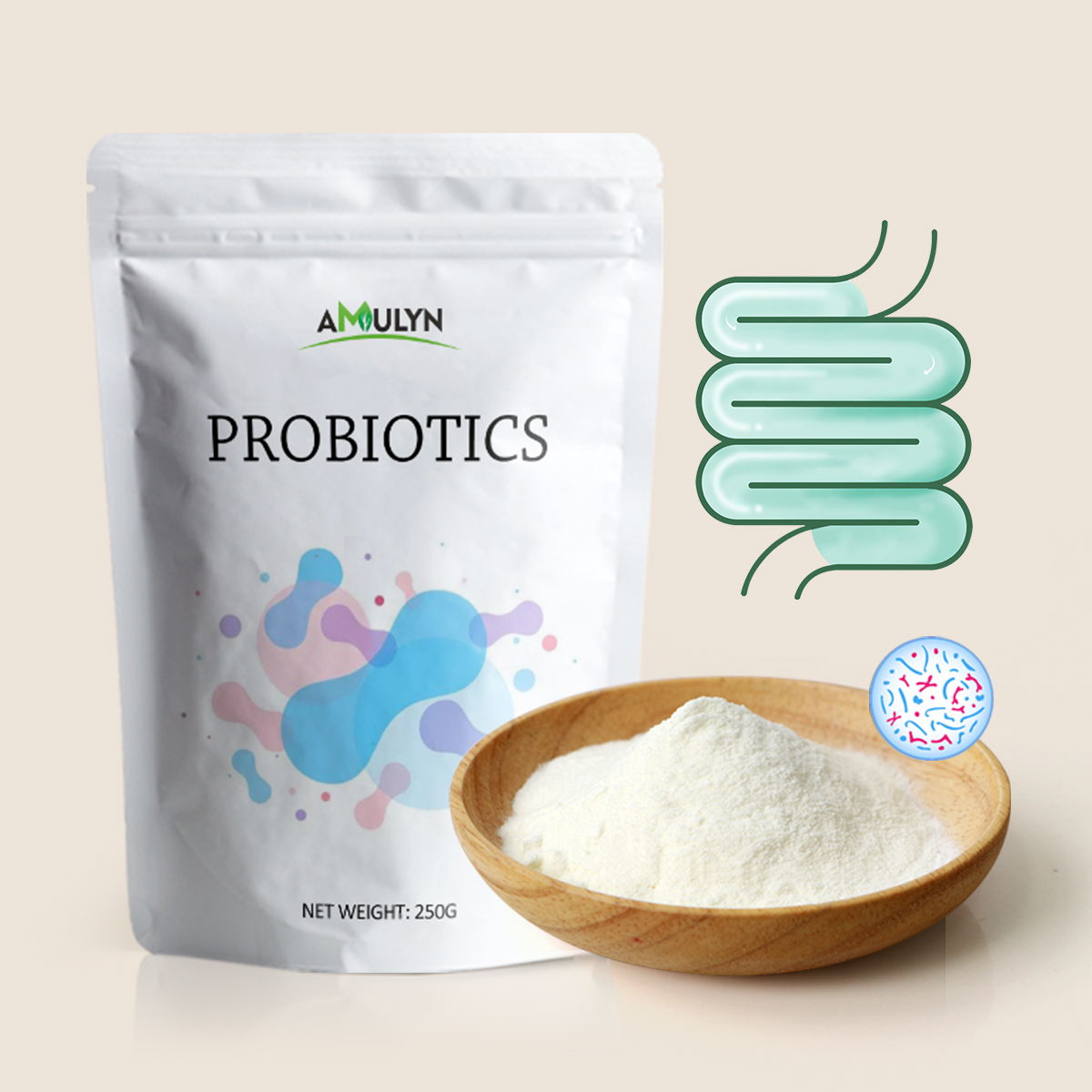 Freeze-Dried Probiotic Powder
 Bifidobacterium Lactis Probiotics Powder
 lactobacillus plantarum Probiotics Powder
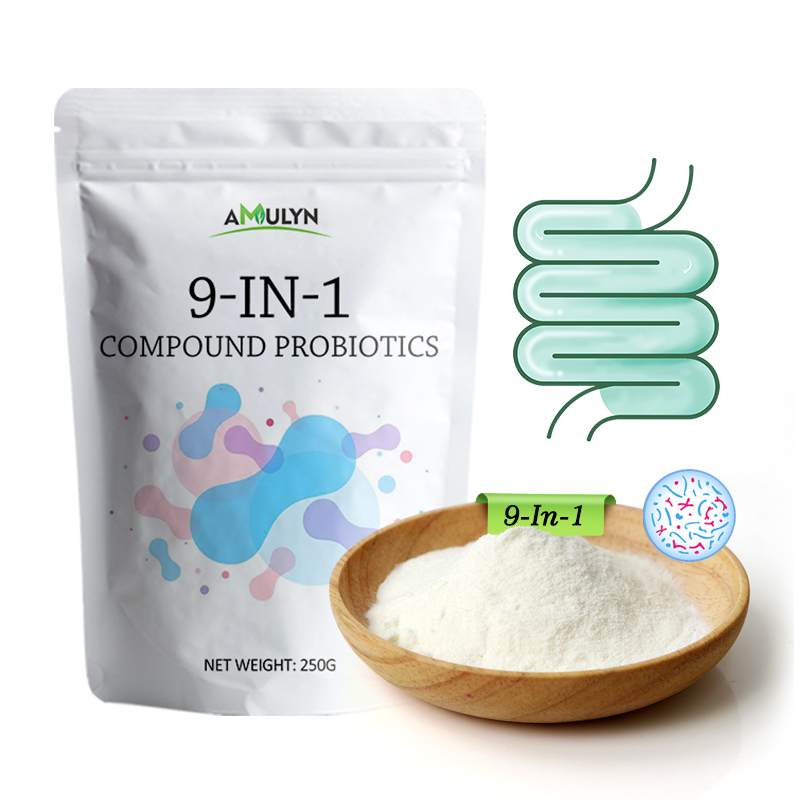 9-In-1 Compound Probiotics Powder
 lactobacillus Rhamnosus Probiotics Powder
 Lactobacillus Casei Probiotics Powder