
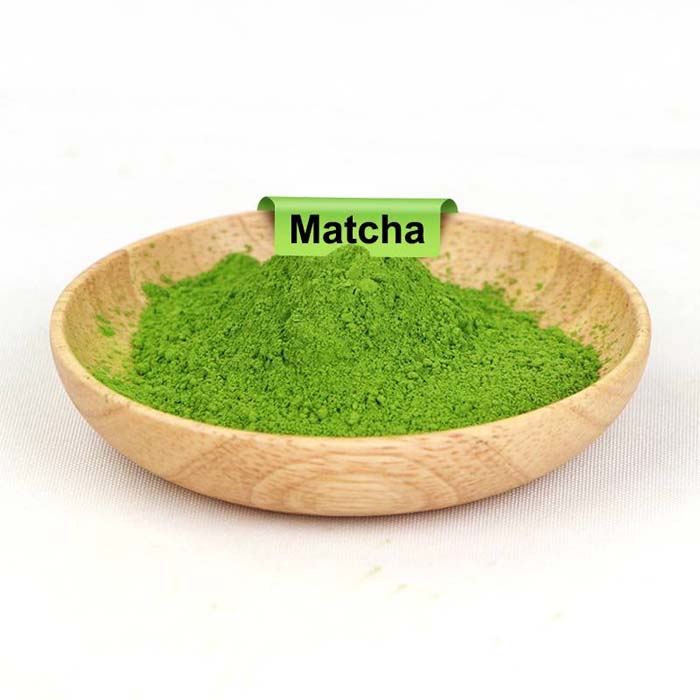


















Epigallocatechin gallate (EGCG) is the most researched and potent catechin in tea, responsible for many of green tea's documented health benefits. However, not all teas deliver EGCG equally. Matcha's unique production and consumption method results in dramatically higher EGCG concentrations and superior bioavailability compared to other teas, making it an exceptional ingredient for health-focused products.
The EGCG Advantage: Why Concentration Matters
EGCG (Epigallocatechin gallate) is a powerful antioxidant that has been linked to numerous health benefits, including cardiovascular support, metabolic regulation, and cellular protection. However, the effectiveness of EGCG depends on two critical factors: concentration and bioavailability.
- Concentration: The amount of EGCG per serving that reaches your system
- Bioavailability: How much of that EGCG your body can actually absorb and utilize
- Matcha's edge: Superior performance in both categories compared to other tea forms
- Product implications: Higher concentration + better absorption = more effective health products
Understanding EGCG: Chemical Structure and Properties
Chemical Structure
EGCG is a type of catechin, a polyphenolic antioxidant. Its unique molecular structure includes a gallate ester group that enhances its antioxidant capacity but also affects its stability and absorption.
Antioxidant Power
EGCG has one of the highest ORAC (Oxygen Radical Absorbance Capacity) values among natural antioxidants, making it 25-100 times more potent than vitamins C and E in neutralizing free radicals.
Stability Factors
EGCG is sensitive to heat, light, and alkaline pH. Matcha's traditional preparation (low-temperature whisking) and powder form help preserve EGCG better than steeping methods used for other teas.
EGCG Concentration Comparison: Matcha vs. Other Teas
Key Insight: When you drink matcha, you consume the entire ground tea leaf, getting 100% of its EGCG content. With other teas, you only extract a fraction (typically 10-20%) through steeping. This fundamental difference explains matcha's dramatically higher EGCG delivery per serving.
The Bioavailability Advantage: Why Matcha's EGCG is Better Absorbed
Whole Leaf Consumption
Consuming the entire matcha leaf provides EGCG in its natural matrix with complementary compounds (fiber, other catechins, amino acids) that enhance absorption and reduce breakdown in the digestive system.
Particle Size Optimization
Matcha's fine powder (particles 5-10 microns) increases surface area for digestion, allowing more efficient EGCG release and absorption compared to whole or fragmented tea leaves.
Natural Synergy
Matcha's natural combination of EGCG with L-theanine, caffeine, and fiber creates an absorption-enhancing environment that isolated EGCG supplements cannot replicate.
EGCG Absorption Rates: Comparative Analysis
Factors Enhancing Matcha's EGCG Bioavailability:
- Fat Solubility: EGCG is fat-soluble. Consuming matcha with a small amount of fat (like in a latte) can increase absorption by up to 3x.
- Vitamin C Synergy: Adding vitamin C to matcha (lemon juice, acerola) can increase EGCG stability and absorption by preventing oxidation.
- Fiber Content: Matcha's natural fiber slows gastric emptying, allowing more time for EGCG absorption in the small intestine.
- Avoiding Dairy: Casein in milk can bind to EGCG, reducing absorption. Plant-based milks don't have this effect.
Product Development Implications
Supplement Formulation
Matcha powder outperforms isolated EGCG extracts for supplement formulations due to its natural synergy, better absorption, and consumer preference for whole-food ingredients.
Beverage Products
Matcha-based beverages deliver significantly higher bioactive EGCG than green tea drinks. Proper formulation (pH control, minimal heat processing) preserves EGCG potency.
Functional Foods
Matcha's powder form integrates easily into snacks, bars, and baked goods. Its natural green color and antioxidant content add both visual appeal and health claims.
EGCG Stability in Different Product Formats
Frequently Asked Questions About EGCG in Matcha
Yes, for several reasons: 1) Natural matrix: EGCG in matcha is accompanied by complementary compounds (other catechins, L-theanine, fiber) that enhance absorption and biological activity, 2) Bioavailability: Studies show EGCG from matcha has approximately 85% higher bioavailability than isolated EGCG supplements, 3) Stability: The natural antioxidants in matcha help protect EGCG from oxidation during digestion, 4) Synergistic effects: Matcha's combination of EGCG with caffeine and L-theanine creates unique benefits not found with isolated EGCG. While supplements offer precise dosing, matcha provides EGCG in its most bioavailable and effective natural form.
Processing significantly impacts EGCG preservation: 1) Shade-growing: Matcha tea plants are shaded 3-4 weeks before harvest, which increases amino acids (like L-theanine) and may help preserve EGCG, 2) Steaming vs. pan-firing: Japanese teas (including matcha) are quickly steamed after harvest, preserving more EGCG than Chinese teas which are pan-fired, 3) Grinding: Matcha's stone-grinding creates fine particles that protect EGCG from oxidation better than cutting methods used for other teas, 4) Storage: Matcha is typically vacuum-sealed and refrigerated, while other teas may be stored at room temperature, leading to faster EGCG degradation. These processing differences contribute to matcha's superior EGCG preservation.
Research suggests optimal daily EGCG intake varies by health goal: 1) General antioxidant support: 100-200mg EGCG daily (1-2 tsp matcha), 2) Metabolic support: 300-400mg EGCG daily (3-4 tsp matcha), 3) Cognitive benefits: 200-300mg EGCG daily (2-3 tsp matcha), 4) Maximum studied dose: 800mg EGCG daily (approximately 8 tsp matcha) in clinical trials. For reference, one teaspoon (2g) of premium matcha contains approximately 125mg EGCG. It's important to note that EGCG from matcha is better tolerated than isolated EGCG supplements, which can cause liver issues at very high doses (800+ mg daily of isolated EGCG).
Yes, EGCG content varies significantly: 1) Ceremonial grade: Highest EGCG content (60-70mg/g), from first harvest youngest leaves, 2) Premium culinary grade: Good EGCG content (50-60mg/g), from early harvests, 3) Standard culinary grade: Moderate EGCG content (40-50mg/g), from later harvests, 4) Ingredient-grade matcha: Lowest EGCG (30-40mg/g), often mixed with stems. Factors affecting EGCG: harvest time (spring > summer > autumn), growing region, shading duration, processing method, and storage conditions. Third-party lab testing is the only way to verify exact EGCG content, as claims on packaging may be inaccurate.
Matcha's EGCG offers unique advantages: 1) vs. berries (anthocyanins): EGCG has different antioxidant mechanisms and cellular targets, with potentially stronger effects on fat metabolism, 2) vs. turmeric (curcumin): EGCG has better water solubility and absorption without requiring fat or piperine enhancers, 3) vs. cocoa (flavanols): Matcha provides EGCG without the calories, sugar, or stimulant content of chocolate, 4) vs. coffee (chlorogenic acid): EGCG provides antioxidants without coffee's acidity or potential for anxiety/jitters. Importantly, matcha provides EGCG alongside 40+ other antioxidants and beneficial compounds, creating a broad-spectrum antioxidant profile few single ingredients can match.
Conclusion: The EGCG Advantage for Health Product Development
The superior EGCG concentration and bioavailability in matcha represents a significant opportunity for health product developers. With 137x more EGCG than regular green tea and absorption rates up to 85% higher than isolated supplements, matcha offers a compelling combination of potency and efficacy.
For formulators, matcha's advantages extend beyond mere EGCG content. Its natural matrix of complementary compounds enhances stability, absorption, and biological activity in ways that isolated ingredients cannot replicate. The whole-leaf consumption method inherent to matcha ensures maximum delivery of bioactive compounds, while its versatile powder form allows for innovative applications across supplements, beverages, and functional foods.
As consumers increasingly seek evidence-based, whole-food ingredients with transparent sourcing, matcha's documented EGCG advantages provide a strong scientific foundation for product claims. Whether developing antioxidant supplements, cognitive support formulas, or metabolic health products, matcha's exceptional EGCG profile offers a competitive edge that aligns with both scientific evidence and consumer preferences.
Ultimately, the EGCG story in matcha is one of quality over quantity—not just how much EGCG is present, but how effectively it can be delivered to where it's needed in the body. This bioavailability advantage makes matcha not just another tea ingredient, but a premium bioactive component for next-generation health products.


