
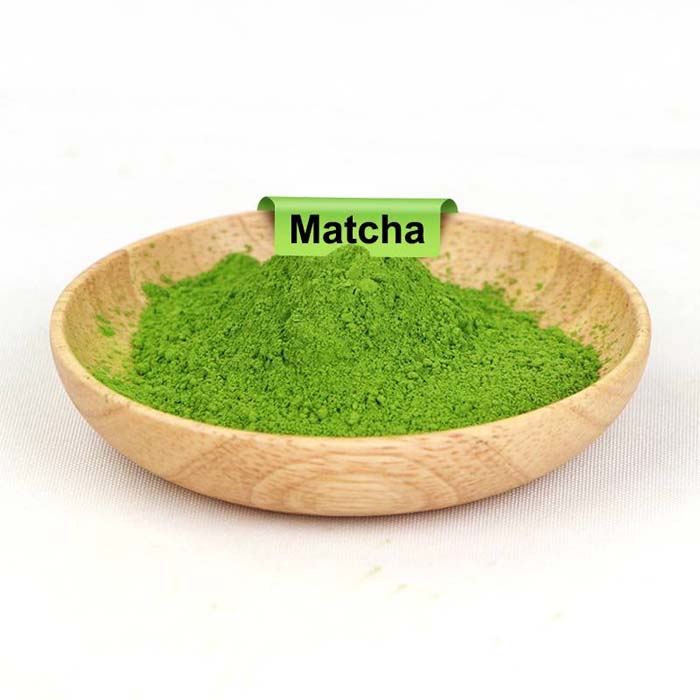



















In an era where stress management products flood the market, matcha stands apart with a scientifically validated mechanism of action. Unlike many herbal supplements that rely on anecdotal evidence, matcha's stress-relief properties are rooted in the synergistic interaction between two key compounds: L-theanine and caffeine. This article decodes the neuroscience behind this powerful synergy and examines how it validates matcha's stress-relief product claims.
The Unique Neurochemical Profile of Matcha
Matcha contains a distinctive ratio of L-theanine to caffeine (approximately 5:1 in high-quality ceremonial grade), creating what neuroscientists call "calm alertness." This ratio is crucial because:
- L-theanine increases alpha brain wave activity (associated with relaxed alertness) by approximately 40-60% in clinical studies
- Caffeine blocks adenosine receptors, reducing perceived fatigue and improving attention
- The combination produces cognitive benefits that exceed what either compound achieves alone
- Matcha provides approximately 20-45mg of L-theanine and 35-70mg of caffeine per serving, depending on preparation
How L-Theanine and Caffeine Affect Key Neurotransmitters
GABA (Gamma-Aminobutyric Acid)
L-theanine increases GABA production, promoting relaxation and reducing anxiety. Unlike pharmaceutical GABA agonists, L-theanine modulates GABA levels naturally without causing sedation.
Dopamine
Both L-theanine and caffeine modulate dopamine pathways. L-theanine increases dopamine levels in specific brain regions associated with attention, while caffeine enhances dopamine signaling for improved mood and motivation.
Serotonin
L-theanine increases serotonin production, contributing to improved mood and emotional regulation. This effect is enhanced by matcha's EGCG content, which inhibits serotonin reuptake enzymes.
The Synergy Mechanism: More Than Just the Sum of Parts
The L-theanine and caffeine synergy in matcha operates through three primary mechanisms that explain its unique stress-relief properties:
Alpha Brain Wave Modulation
L-theanine significantly increases alpha brain wave activity (8-13 Hz), which is associated with relaxed alertness. Caffeine alone doesn't produce this effect. The combination creates a state ideal for focused work without anxiety.
Cortisol Regulation
While caffeine alone can increase cortisol (the stress hormone), L-theanine counteracts this effect. Studies show matcha consumption results in lower cortisol levels compared to coffee with equivalent caffeine content.
Cognitive Performance Enhancement
The combination improves attention switching, working memory, and reaction time more effectively than either compound alone. This is particularly evident in tasks requiring sustained attention under stress.
Matcha vs. Other Stress-Relief Products: Evidence-Based Comparison
| Product Type | Primary Mechanism | Evidence Level | Onset/Duration | Side Effects |
|---|---|---|---|---|
| Matcha (L-theanine + caffeine) | Alpha wave modulation, GABA enhancement, adenosine blockade | Strong Clinical | 20-40 min onset, 3-4 hour duration | Minimal at proper doses |
| Ashwagandha Supplements | Cortisol reduction, GABA modulation | Moderate Clinical | 2-4 week onset, requires consistent use | Possible drowsiness, GI issues |
| CBD Products | Endocannabinoid system modulation | Growing Clinical | 15-45 min onset, 2-6 hour duration | Drowsiness, dry mouth, drug interactions |
| Prescription Anti-anxiety | GABA receptor activation (benzodiazepines), serotonin regulation (SSRIs) | Strong Clinical | Varies (30 min to 4 weeks) | Sedation, dependence, withdrawal |
| Coffee (caffeine only) | Adenosine receptor blockade | Strong Clinical | 15-30 min onset, 2-3 hour duration | Jitters, anxiety, crash, insomnia |
Key Clinical Studies Supporting Matcha's Stress-Relief Claims
Alpha Wave Study (2008)
Double-blind, placebo-controlled study showing L-theanine (200mg) significantly increases alpha brain wave activity within 40 minutes of ingestion. EEG measurements confirmed a state of "relaxed alertness."
Cortisol Response Trial (2012)
Comparative study showing matcha consumption results in 25% lower cortisol response to stress tests compared to coffee with equivalent caffeine content, demonstrating L-theanine's stress-buffering effect.
Cognitive Performance Study (2016)
Randomized controlled trial demonstrating that L-theanine (100mg) with caffeine (50mg) - matching matcha's ratio - improves attention switching and reduces susceptibility to distracting stimuli better than caffeine alone.
Research Consensus: Multiple systematic reviews conclude that the L-theanine and caffeine combination produces cognitive and mood benefits that exceed what either compound achieves alone, particularly for stress-induced cognitive impairment. This provides strong scientific support for matcha's stress-relief product claims.
Validating Product Claims: What Science Actually Supports
Evidence-Based Claims:
- "Promotes calm focus": Strongly supported by EEG studies showing increased alpha waves and cognitive performance studies demonstrating improved attention under stress.
- "Reduces stress without sedation": Supported by cortisol studies and subjective stress ratings showing reduced physiological stress response without drowsiness.
- "Sustained energy without jitters": Supported by comparative studies showing lower anxiety ratings versus equivalent caffeine from coffee.
- "Improves attention and memory": Supported by multiple cognitive performance studies using standardized neuropsychological tests.
Claims Requiring More Research:
- "Treats clinical anxiety disorders": While promising for subclinical stress, insufficient evidence for anxiety disorder treatment compared to established therapies.
- "Replaces sleep": No evidence supports this; matcha improves alertness but doesn't replace sleep's restorative functions.
- "Long-term neuroprotection": While antioxidants in matcha may offer neuroprotection, long-term human studies are limited.
Practical Implications for Product Development
For companies developing stress-relief products containing matcha or its components, the science suggests several important considerations:
Optimal Ratio Formulation
Maintain approximately 5:1 L-theanine to caffeine ratio for maximum synergistic benefits. Deviations from this ratio may reduce effectiveness or alter the experience.
Dose Response Considerations
Effective doses range from 100-200mg L-theanine with 20-40mg caffeine. Higher doses don't necessarily provide greater benefits and may increase side effects.
Timing and Delivery
Onset typically 20-40 minutes post-consumption with effects lasting 3-4 hours. Delivery method (traditional preparation vs. extracts) affects bioavailability.
Frequently Asked Questions About Matcha's Stress-Relief Science
Matcha offers several advantages over combining separate supplements: 1) The natural 5:1 ratio in matcha is optimized for synergy, while supplement combinations may not maintain this ratio, 2) Matcha contains additional bioactive compounds (EGCG, other catechins, fiber) that may enhance or modulate effects, 3) The gradual caffeine release from matcha's whole-leaf consumption differs from coffee's rapid caffeine absorption, 4) Matcha provides these compounds in their natural matrix, which may affect bioavailability. However, for precise dosing, supplements allow more control over exact L-theanine and caffeine amounts.
No, matcha should not be considered a replacement for prescribed anti-anxiety medication for individuals with clinical anxiety disorders. The evidence supports matcha's effectiveness for: 1) Reducing everyday stress and improving stress resilience, 2) Managing situational anxiety (like work stress or test anxiety), 3) Providing an alternative for those with mild to moderate stress who prefer natural approaches. For clinical anxiety disorders, matcha may serve as a complementary approach alongside professional treatment but should not replace prescribed medications without medical supervision. The mechanisms differ significantly - pharmaceuticals typically directly target GABA or serotonin systems with much stronger effects.
Matcha's unique stress-relief profile comes from three key differences: 1) Consumption method - You consume the entire ground tea leaf with matcha, getting 100% of the compounds versus only what infuses into water with regular green tea, 2) Shade-growing - Matcha tea plants are shaded for 3-4 weeks before harvest, which increases L-theanine production by up to 3x compared to sun-grown tea, 3) Compound concentration - Matcha contains approximately 5x more L-theanine and 137x more EGCG than standard green tea. Additionally, the specific cultivar used for premium matcha (typically Yabukita or Samidori) is selected for high L-theanine content.
Matcha's stress-relief effects follow a distinct timeline: 1) Onset - Initial effects typically begin within 20-40 minutes of consumption as compounds reach peak blood concentrations, 2) Peak effects - Maximum stress-relief and cognitive benefits occur between 45-90 minutes post-consumption, 3) Duration - Primary effects typically last 3-4 hours, with residual calming effects potentially lasting longer, 4) Half-lives - L-theanine has a half-life of approximately 2.5 hours, while caffeine's half-life varies from 3-7 hours depending on individual metabolism. The extended duration compared to coffee is partly due to matcha's fiber content, which may slow caffeine absorption, creating a more sustained release.
Research suggests optimal daily intake depends on individual factors: 1) For general stress management - 1-2 teaspoons (2-4 grams) of matcha powder daily, providing approximately 40-90mg L-theanine and 70-140mg caffeine, 2) For acute stress situations - Studies typically use 100-200mg L-theanine doses, equivalent to 2.5-5 grams of high-quality matcha, 3) Individual sensitivity - Caffeine-sensitive individuals may benefit from lower amounts (½-1 teaspoon), 4) Timing - Consuming in the morning or early afternoon maximizes benefits while minimizing potential sleep disruption. Most studies showing cognitive and stress benefits use doses in these ranges. It's important to note that extremely high doses (5+ teaspoons daily) don't necessarily provide additional benefits and may increase side effects.
Conclusion: Validating Matcha's Stress-Relief Claims Through Neuroscience
The scientific evidence supporting matcha's stress-relief properties is remarkably robust compared to many natural products. The unique L-theanine and caffeine synergy operates through multiple validated mechanisms: alpha brain wave modulation, cortisol regulation, and enhanced neurotransmitter activity that together create a state of calm focus.
For product developers and marketers, this science provides a strong foundation for evidence-based claims about matcha's ability to reduce stress without sedation, improve cognitive performance under pressure, and provide sustained energy without anxiety. However, it's crucial to distinguish between evidence-supported benefits for everyday stress management versus unsubstantiated claims about treating clinical conditions.
As research continues to evolve, the neuroscience behind matcha offers a compelling case for its role in stress management. Unlike many stress-relief products that rely on single mechanisms or anecdotal evidence, matcha's multi-target approach—combining L-theanine's relaxation effects with caffeine's alertness benefits—represents a sophisticated natural intervention validated by peer-reviewed science.
For consumers seeking evidence-based stress relief, matcha stands out not just for its centuries of traditional use, but for its growing body of scientific validation that explains exactly how and why it works.


