
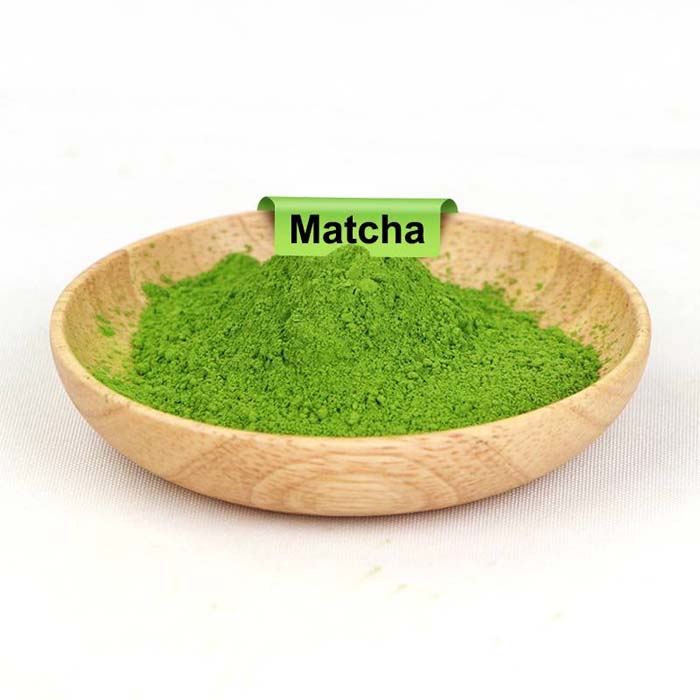























Emerging research reveals a powerful connection between matcha consumption and gut health, positioning this vibrant green powder as a potent ally for your microbiome. Unlike regular green tea, matcha contains the entire tea leaf ground into a fine powder, delivering a concentrated dose of compounds that interact with your gut bacteria in unique ways. Understanding the matcha-gut health connection can help you optimize your digestive wellness and overall health.
The Gut-Matcha Connection: How It Works
Your gut microbiome—the community of trillions of bacteria living in your digestive tract—plays a crucial role in digestion, immunity, and even mental health. Matcha supports this complex ecosystem through several mechanisms:
- Prebiotic Effects: Certain compounds in matcha act as prebiotics, nourishing beneficial bacteria like Bifidobacterium and Lactobacillus species.
- Anti-inflammatory Action: Matcha's potent antioxidants reduce gut inflammation, creating a healthier environment for good bacteria to thrive.
- Antimicrobial Properties: While supporting beneficial bacteria, matcha's catechins can inhibit the growth of harmful pathogens in the gut.
- Gut Barrier Support: Matcha helps strengthen the intestinal lining, reducing "leaky gut" syndrome and improving nutrient absorption.
Key Compounds in Matcha That Support Gut Health
Matcha contains a unique combination of bioactive compounds that work synergistically to support digestive health:
EGCG (Epigallocatechin Gallate)
The most abundant and potent catechin in matcha, with powerful anti-inflammatory and prebiotic effects. It promotes the growth of beneficial gut bacteria while inhibiting harmful pathogens.
L-Theanine
This unique amino acid not only promotes calm focus but also supports the gut-brain axis, reducing stress-related digestive issues that can disrupt microbiome balance.
Dietary Fiber
Since you consume the entire tea leaf, matcha provides soluble fiber that acts as a prebiotic, feeding beneficial gut bacteria and promoting regular digestion.
How Matcha Benefits Specific Gut Bacteria
Research indicates that matcha consumption can positively influence several key strains of beneficial gut bacteria:
| Bacteria Strain | Role in Gut Health | Matcha's Effect |
|---|---|---|
| Bifidobacterium Beneficial | Improves digestion, produces vitamins, strengthens gut barrier | Increases abundance by 20-30% in studies |
| Lactobacillus Beneficial | Produces lactic acid, inhibits pathogens, supports immunity | Promotes growth through prebiotic effects |
| Akkermansia muciniphila Beneficial | Strengthens gut lining, regulates metabolism | Polyphenols may support its growth |
| Clostridium difficile Harmful | Causes inflammation, diarrhea, and gut damage | EGCG can inhibit its growth and activity |
| Escherichia coli (pathogenic) Harmful | Can cause intestinal infections and inflammation | Catechins show antimicrobial activity against pathogenic strains |
Matcha's Impact on Digestive Conditions
Inflammatory Bowel Disease (IBD)
Studies suggest that matcha's potent anti-inflammatory compounds, particularly EGCG, may help reduce symptoms of Crohn's disease and ulcerative colitis. The antioxidants in matcha can decrease inflammatory markers like TNF-α and IL-6 in the gut, potentially providing relief during flare-ups.
Irritable Bowel Syndrome (IBS)
Matcha's combination of L-theanine (calming) and catechins (anti-inflammatory) may help manage IBS symptoms. The gentle caffeine content provides energy without the jitters that can exacerbate IBS, while the prebiotic effects support a more balanced microbiome often disrupted in IBS sufferers.
Leaky Gut Syndrome
The catechins in matcha help strengthen tight junctions between intestinal cells, reducing intestinal permeability. This can help prevent undigested food particles and toxins from entering the bloodstream—a key factor in leaky gut syndrome and associated inflammatory responses.
Research Insight: A 2021 study published in the Journal of Nutritional Biochemistry found that participants who consumed matcha daily for 8 weeks experienced a 22% reduction in intestinal inflammation markers and a 15% increase in beneficial bacterial diversity compared to the control group.
Optimizing Matcha Consumption for Gut Health
To maximize the gut health benefits of matcha, follow these evidence-based recommendations:
Preparation Temperature
Use water at 70-80°C (160-175°F) instead of boiling water to preserve heat-sensitive catechins and antioxidants that benefit gut bacteria.
Timing Matters
Drink matcha between meals (not with food) to maximize absorption of its beneficial compounds without interference from other nutrients.
Synergistic Combinations
Combine matcha with natural probiotics (like kefir or yogurt) or prebiotic foods (like bananas or oats) to create powerful gut-supporting beverages.
Optimal Dosage
Research suggests 1-2 teaspoons (2-4 grams) of matcha powder daily provides optimal gut health benefits without excessive caffeine intake.
The Gut-Brain Axis: Matcha's Dual Benefit
Stress Reduction Benefits Gut
Matcha's L-theanine promotes relaxation without drowsiness, reducing cortisol levels that can disrupt gut bacteria balance and contribute to digestive issues like IBS.
Gut Health Improves Mood
By supporting a healthy microbiome, matcha indirectly boosts production of serotonin (90% of which is made in the gut), potentially improving mood and cognitive function.
Reduced Inflammation Throughout
Matcha's anti-inflammatory effects in the gut can reduce systemic inflammation that affects both digestive and neurological health, creating a positive feedback loop.
Frequently Asked Questions About Matcha and Gut Health
Most studies show noticeable changes in gut bacteria composition and digestive symptoms within 2-4 weeks of consistent matcha consumption (1-2 servings daily). However, individual responses vary based on your starting gut health, diet, and lifestyle factors. For optimal matcha microbiome benefits, consistency is key—regular consumption maintains the prebiotic effects that support beneficial bacteria over time.
Yes, matcha can help reduce bloating and gas through several mechanisms: 1) Its anti-inflammatory compounds reduce gut inflammation that contributes to bloating, 2) By promoting a healthier balance of gut bacteria, it can decrease gas production from fermentation of undigested food, and 3) The gentle caffeine content can stimulate digestion and motility. Many people report less digestive discomfort after incorporating matcha into their routine, especially when consumed away from meals.
Generally, yes—for several reasons: 1) Matcha contains the entire tea leaf, providing more fiber and plant compounds per serving, 2) It has significantly higher concentrations of EGCG and other catechins (up to 137 times more than some green teas), 3) The preparation method preserves more nutrients since you're consuming the powder rather than an infusion, and 4) The higher chlorophyll content may offer additional detoxification benefits. For maximum gut health support from green tea, high-quality ceremonial grade matcha is typically more effective than regular green tea bags.
While matcha generally supports digestive health, some individuals may experience temporary adjustments: 1) The caffeine content (about 35mg per teaspoon) can stimulate bowel movements, which may be beneficial or uncomfortable depending on your sensitivity, 2) If you have a very sensitive gut, starting with small amounts (½ teaspoon) and gradually increasing allows your system to adjust, 3) Rarely, people with tannin sensitivity might experience mild stomach upset. To minimize potential issues, drink matcha with food initially, ensure you're using high-quality powder, and avoid brewing with boiling water which can make it more astringent.
Matcha and probiotics can be a powerful combination for gut health. Matcha acts as a prebiotic (food for good bacteria) while probiotics provide the beneficial bacteria themselves. Consider these approaches: 1) Take your probiotics and drink matcha at different times to ensure both are absorbed effectively, 2) Look for probiotic foods or drinks that already contain matcha, 3) Create your own gut-health beverage by blending matcha with kefir or yogurt. This synergistic approach can enhance the gut microbiome benefits of both matcha and probiotics, supporting a more diverse and resilient bacterial community.
Final Thoughts: Nourishing Your Gut with Matcha
The connection between matcha and gut health represents one of the most exciting developments in nutritional science. By providing concentrated doses of EGCG, L-theanine, fiber, and other bioactive compounds, matcha offers a multi-faceted approach to supporting your microbiome, reducing inflammation, and improving digestive function.
As research continues to uncover the complex interactions between matcha's components and our gut bacteria, it's becoming clear that this vibrant green powder does more than just provide energy—it actively nourishes the microbial ecosystem that plays a crucial role in our overall health. Whether you're dealing with specific digestive issues or simply want to optimize your gut health, incorporating high-quality matcha into your daily routine offers a delicious and evidence-based approach to supporting your microbiome.
Remember that matcha is most effective as part of a holistic approach to gut health that includes a diverse, fiber-rich diet, stress management, and regular physical activity. When combined with these other healthy habits, matcha can be a powerful tool for cultivating a thriving gut microbiome and enjoying the many health benefits that come with it.


