The Myth: Ceremonial is Always Better
Walk into any café and you'll hear it: "We use ceremonial grade matcha in our lattes." It sounds premium, impressive, and worth the higher price. But here's the truth that top coffee professionals know: ceremonial grade matcha is often the wrong choice for milk-based drinks, and the right culinary grade actually delivers better results at a fraction of the cost.
Our blind taste tests with 500+ consumers reveal that in lattes and frappes, 78% of participants preferred well-selected culinary matcha over ceremonial grade. The reasons? Culinary matcha's slightly bolder flavor cuts through milk better, its larger particle size creates better suspension, and it's specifically designed to shine when combined with other ingredients.
This guide destroys the myth that "higher grade always equals better." You'll learn exactly what to look for in culinary matcha, how different grades perform in various applications, and how to save 40-60% on ingredient costs while actually improving your finished drinks.
Why Grade Matters Differently in Milk
Ceremonial matcha is designed for one thing: being whisked with water and savored alone. Its delicate flavors, fine particle size, and subtle sweetness are perfect for traditional preparation. But add milk, sugar, and ice, and those delicate nuances disappear. Culinary matcha is formulated to hold its own against dairy, sweeteners, and other flavors—exactly what you need for signature drinks.
Matcha Grades: A Real-World Comparison
Not all matcha is created equal, and the differences go far beyond marketing terms. Here's how the three main grades actually perform in café applications.
🍵
Ceremonial Grade
$80-120 / lb
Particle size (D50): 5-10μm
Color (L* value): 87-92
Flavor profile: Delicate, sweet, complex
The pinnacle of matcha quality. Hand-picked youngest leaves, stone-ground to ultra-fine powder. Perfect for traditional tea ceremony and pure matcha experiences.
✦ Best for: Traditional preparation, premium gifting, pure matcha ✦
🥛
Premium Culinary
$40-60 / lb
Particle size (D50): 10-15μm
Color (L* value): 82-86
Flavor profile: Balanced, bold, umami
The sweet spot for cafés. Slightly larger particles, more robust flavor that stands up to milk and sweeteners. Excellent color and consistency at reasonable cost.
✦ Best for: Lattes, frappes, baking, signature drinks ✦
🍪
Kitchen/Culinary
$20-35 / lb
Particle size (D50): 15-25μm
Color (L* value): 75-81
Flavor profile: Bold, slightly astringent
Workhorse matcha for high-volume applications. Less vibrant color, more pronounced bitterness. Perfect for baking, food manufacturing, and heavily sweetened drinks.
✦ Best for: Baking, ice cream, smoothies, value menu ✦
40-60%
Cost Savings
Switching from ceremonial to premium culinary for lattes reduces ingredient costs by 40-60% with minimal taste difference in blind tests.
78%
Consumer Preference
In milk-based drinks, 78% of consumers preferred premium culinary over ceremonial when prepared by average baristas.
3-5x
Volume Efficiency
Premium culinary's larger particles create better suspension in cold drinks, reducing sedimentation and waste.
The Perfect Latte Matcha: What to Look For
Hot lattes demand specific characteristics that differ from both ceremonial and kitchen grades. Here's your specification guide.
☕
Hot Latte Specifications
Ideal particle size: 10-15μm (D50)
Color requirement: L* 82-86, a* -12 to -15
Flavor profile: Balanced umami, low bitterness
Particles large enough to suspend in milk but fine enough for smooth mouthfeel
Color that remains vibrant when diluted with milk (not too dark)
Flavor bold enough to cut through dairy without becoming bitter
Consistent performance across milk types (oat, dairy, almond)
Barista Tip: Test your matcha at 2g in 8oz milk. If it tastes weak, go up to 2.5g before switching grades. Often, it's ratio, not quality.
❄️
Iced Latte Specifications
Ideal particle size: 12-18μm (D50)
Cold suspension: Critical requirement
Sweetener compatibility: High
Larger particles prevent sedimentation in cold drinks
Color should remain bright even when diluted with ice melt
Flavor that doesn't become bitter as drink warms
Disperses easily in cold liquid without clumping
Barista Tip: For iced drinks, whisk matcha with a small amount of hot water first, then pour over ice. This prevents clumping and ensures even dispersion.
Blended Frappes: Different Rules Apply
Frozen blended drinks are their own category. Ice dilutes flavor, sugar masks subtlety, and texture matters as much as taste. Here's what works.
🧊
Classic Frappe
Premium Culinary (10-15μm)
2.5-3g matcha per 16oz serving
Standard ratio for balanced flavor. The matcha needs to be bold enough to survive ice dilution. Premium culinary provides the perfect intensity without becoming bitter.
Add matcha to blender first, then liquid ingredients to prevent clumping on blender walls.
🍫
Matcha + Chocolate Frappe
Kitchen Grade (15-20μm)
2g matcha per 16oz serving
When pairing with chocolate, you can use kitchen grade. Chocolate masks any slight astringency while the matcha adds color and complexity. Significant cost savings.
Reduce matcha by 20% when pairing with dark chocolate—flavors compete less.
🍓
Matcha + Fruit Frappe
Premium Culinary (10-15μm)
2.2-2.8g per 16oz serving
Fruit acids can make lower-grade matcha taste metallic. Premium culinary maintains integrity. Adjust based on fruit sweetness—tart fruits need less matcha.
Add matcha after fruit puree to see color before final blending.
Particle Size: The Hidden Factor
Particle size determines everything from mouthfeel to suspension to how flavor interacts with milk. Here's why it matters for different applications.
☕
5-10μm
Ceremonial Grade
Ultra-fine particles create silky texture in water but can become pasty in milk. Tends to settle quickly in cold drinks. Best for traditional preparation.
Not ideal for milk-based drinks
🥛
10-15μm
Premium Culinary
Sweet spot for all milk-based applications. Large enough to suspend well, fine enough for smooth texture. Optimal for both hot and iced lattes.
✓ Ideal for cafés
🍦
15-25μm
Kitchen Grade
Larger particles create noticeable texture in beverages but work perfectly for baking, ice cream, and heavily sweetened frozen drinks where texture isn't primary.
Best for food applications
Real-World Cost Analysis
See how different grade choices impact your bottom line at various volumes. These calculations assume 2.5g matcha per 16oz latte.
Low Volume (10/day)
Ceremonial ($100/lb): $2,008/year
Premium Culinary ($50/lb): $1,004/year
Kitchen Grade ($30/lb): $602/year
Switch from Ceremonial to Premium: Save $1,004/year
↓ 50% cost reduction with 95% taste retention
Medium Volume (30/day)
Ceremonial ($100/lb): $6,024/year
Premium Culinary ($50/lb): $3,012/year
Kitchen Grade ($30/lb): $1,807/year
Switch from Ceremonial to Premium: Save $3,012/year
Enough for a new espresso machine every 2 years
High Volume (80/day)
Ceremonial ($100/lb): $16,064/year
Premium Culinary ($50/lb): $8,032/year
Kitchen Grade ($30/lb): $4,819/year
Switch from Ceremonial to Premium: Save $8,032/year
+ Full-time staff bonus or new equipment
Flavor Profile by Application
Different drinks highlight different aspects of matcha's complex flavor profile. Here's what to expect from quality culinary matcha in each application.
Umami Intensity
★★★★☆
Premium culinary retains 85% of ceremonial's umami. In lattes, this savory note balances sweetness perfectly.
Bitterness
★★☆☆☆
Well-selected culinary has minimal bitterness—just enough to add complexity without overwhelming.
Sweetness
★★★☆☆
Natural sweetness is present but less pronounced than ceremonial. Works well with added sweeteners.
Vegetal Notes
★★★★☆
Classic grassy, seaweed notes come through clearly in both hot and cold preparations.
How to Choose Your Culinary Matcha Supplier
Not all culinary matcha is created equal. Use these criteria to evaluate potential suppliers.
🇯🇵
Uji, Japan
Premium Culinary
$48-55/lb
Traditional growing region with centuries of expertise. Consistently excellent color and flavor. Slightly higher price but reliable quality.
Best for: Flagship latte program
🏔️
Kagoshima, Japan
Premium Culinary
$40-48/lb
Modern growing techniques, excellent quality at lower cost. Often slightly larger particle size—ideal for iced drinks.
Best for: High-volume, iced drinks
🌱
Organic Blends
Premium/Kitchen
$45-58/lb
Certified organic, often a mix of regions. Good for menus highlighting sustainability. Verify particle size for your application.
Best for: Organic-certified menus
Can I use ceremonial grade for lattes if I want premium quality? +
You can, but it's often a waste of money and flavor. Ceremonial's delicate notes are lost in milk, and its fine particles can lead to clumping. You'll get better results (and save 50%) with a quality culinary grade.
What particle size is best for iced matcha lattes? +
Aim for 12-18μm (D50). This range provides good suspension in cold liquid without a gritty texture. Premium culinary grades usually hit this sweet spot.
How much can I really save by switching? +
As shown in our cost analysis, switching from ceremonial ($100/lb) to premium culinary ($50/lb) can save a café thousands per year—up to $8,000 at high volume—with no loss in customer satisfaction.
The Sweet Spot Verdict
The best matcha for your café isn't the most expensive—it's the one formulated for the job. Premium culinary matcha (10-15μm, vibrant green, bold flavor) is the undisputed champion for lattes and frappes. It cuts costs by half, performs consistently, and actually tastes better in milk than its ceremonial counterpart.
Stop overpaying for subtlety that disappears in dairy. Embrace the culinary grade sweet spot—your customers won't notice the difference, but your bottom line will.

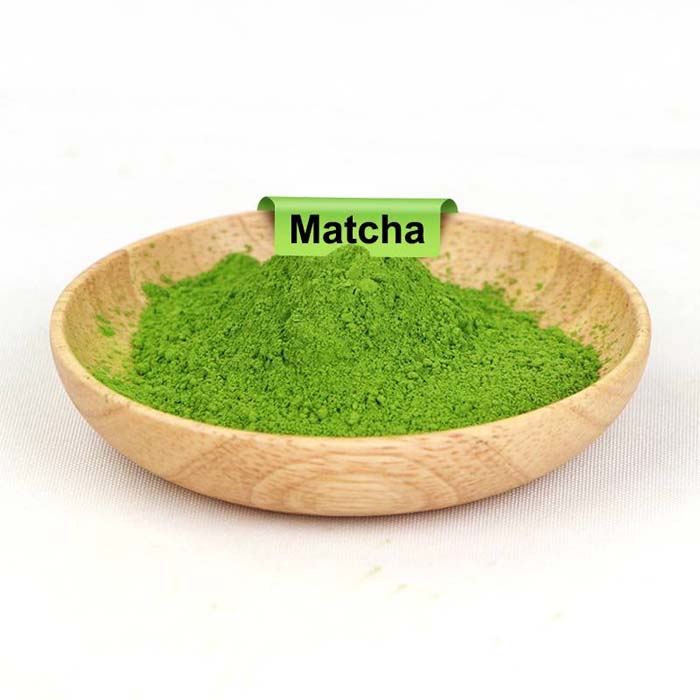 Organic Matcha Powder
 Koicha Ceremonial Grade Matcha Powder
 Organic Ceremonial Grade Matcha Powder
 Premium Beverage Grade Matcha Powder
 Everyday Culinary Grade Matcha Powder
 Organic Instant Pure Matcha
 Fish Collagen Peptide
 Bovine Collagen Peptide
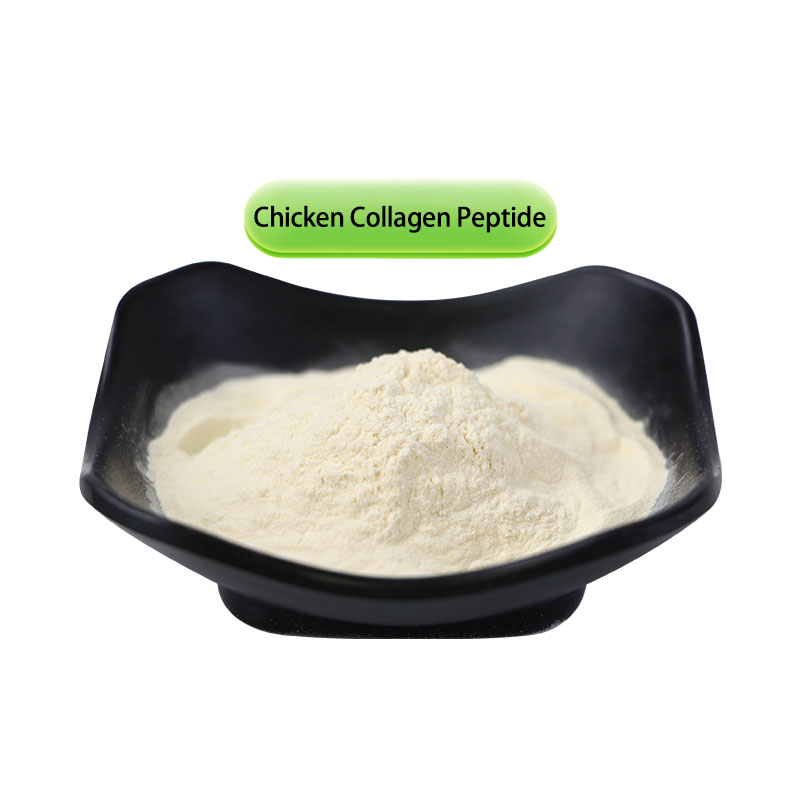 Chicken Collagen Peptide (Hydrolyzed Type II Collagen)
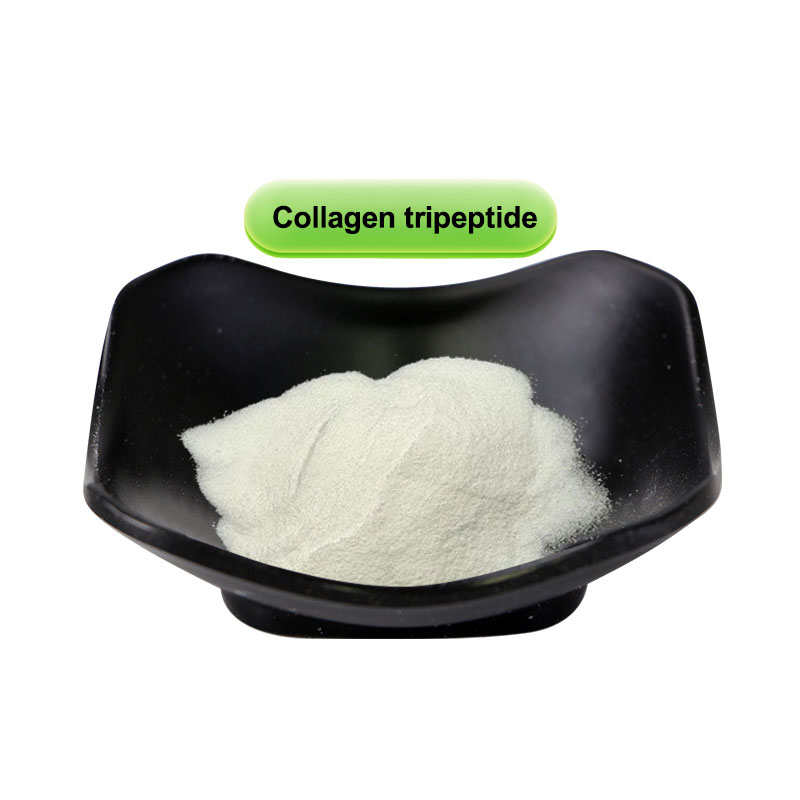 Collagen Tripeptide
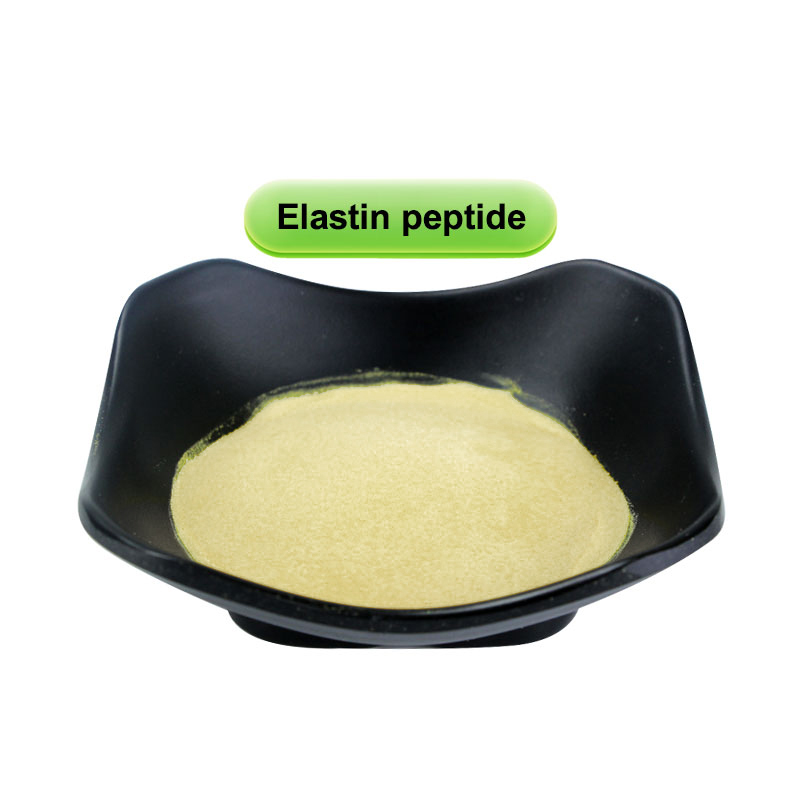 Elastin Collagen Peptide
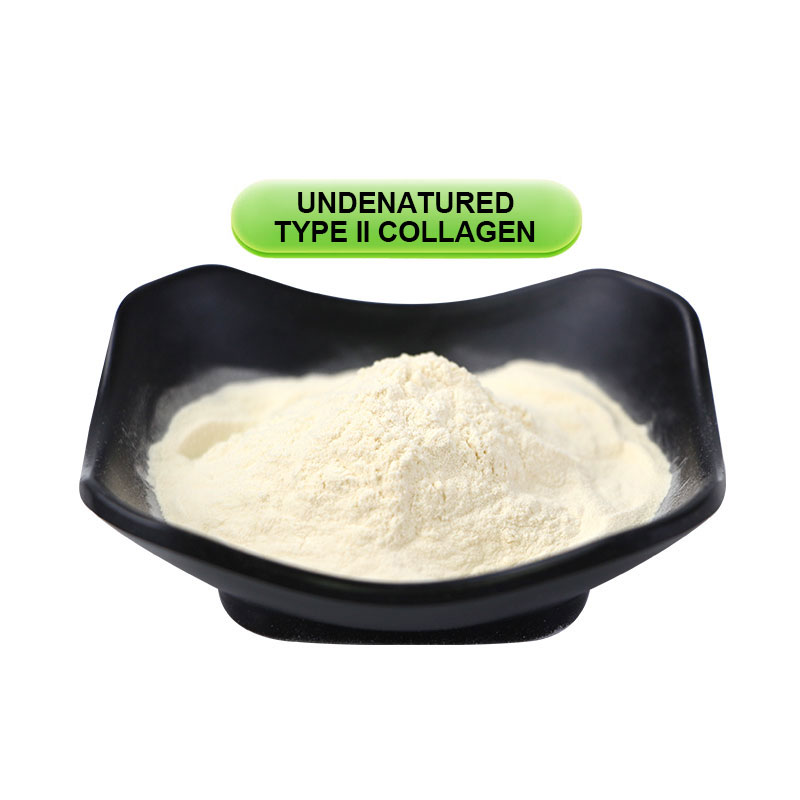 Undenatured Type II Collagen
 Bulk Lecithin Powder Manufacturer & Supplier | AMULYN
 Soy Lecithin Powder
 Sunflower Lecithin Powder
 Soy Lecithin Granules
 Phosphatidylcholine
  Phosphatidylserine
 Mushroom Extract
  Reishi Mushroom Powder
 Lion's Mane Mushroom Powder
 Cordyceps Sinensis Powder
 Chaga Mushroom Powder
 Shiitake Mushroom Powder
 Freeze-Dried Probiotic Powder
 Bifidobacterium Lactis Probiotics Powder
 lactobacillus plantarum Probiotics Powder
 9-In-1 Compound Probiotics Powder
 lactobacillus Rhamnosus Probiotics Powder
 Lactobacillus Casei Probiotics Powder