
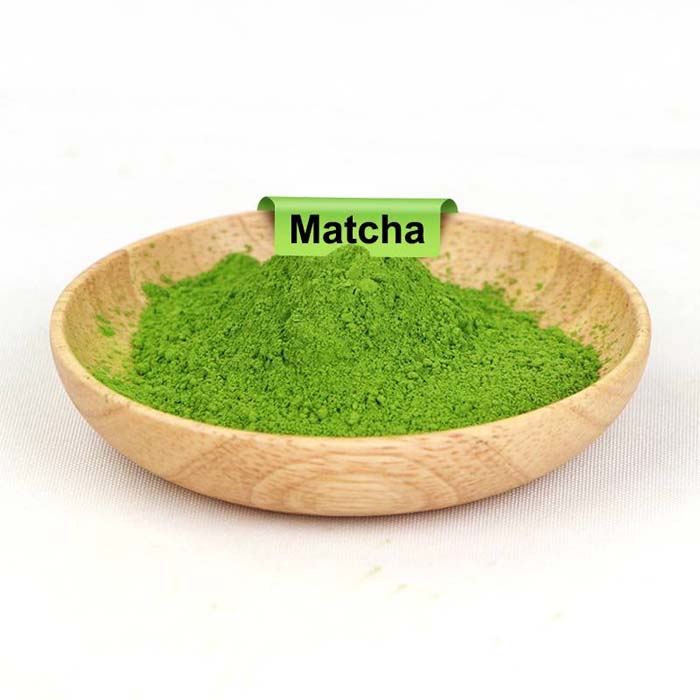
























In the B2B tea supply chain, Matcha represents one of the most volatile and high-value commodities. Unlike loose-leaf tea, Matcha is a fine powder with an exponentially larger surface area, making it hyper-sensitive to environmental factors. A failure in warehouse climate control doesn't just degrade quality—it can turn premium ceremonial stock into unsellable industrial waste within weeks.
This whitepaper outlines the critical environmental controls required for bulk Matcha storage, focusing on the "Three Enemies of Freshness": Heat, Moisture, and Light, alongside modern technological solutions for large-scale inventory management.
1. The Golden Triangle: Critical Storage Parameters
To maintain the vibrant green color (chlorophyll) and the Umami flavor profile (L-Theanine), strict adherence to specific environmental ranges is non-negotiable.
Ideal for long-term (>6 months) bulk storage.
Critical threshold to prevent caking and mold.
Complete darkness or UV-filtered amber packaging.
2. Temperature & Humidity: The Science of Stability
Fluctuations are more damaging than consistent, slightly sub-optimal conditions. Rapid temperature changes can lead to condensation inside the packaging, which is catastrophic for hygroscopic Matcha powder.
2.1 Managing Moisture Migration
Matcha powder has a low water activity (Aw), meaning it actively seeks to absorb moisture from the surrounding air. If Relative Humidity (RH) exceeds 60%, the powder will not only clump (caking) but will also undergo rapid oxidation, turning the color from vibrant green to dull brown.
- Dehumidification Systems: Warehouses must be equipped with industrial-grade desiccant dehumidifiers, especially in loading dock areas.
- Acclimatization Protocol: When moving frozen Matcha to a processing area, allow the sealed containers to acclimate to room temperature for 12-24 hours before opening. This prevents condensation from forming on the cold powder.
3. Light Control: Protecting Chlorophyll
Chlorophyll is highly photosensitive. Exposure to direct sunlight or even strong fluorescent warehouse lighting can degrade the pigment through photo-oxidation.
3.1 Packaging & Racking Standards
B2B bulk packaging (typically 1kg or 5kg foil bags inside cardboard boxes) provides a primary barrier. However, secondary storage protocols are essential:
- UV Filtration: Warehouse windows should be treated with UV-blocking films.
- Motion-Sensor Lighting: Use LED lighting with low UV emission, triggered by motion sensors to minimize exposure time.
- Opaque Covering: Pallets stored in transit zones should be wrapped in opaque stretch film, not clear film.
4. Odor Isolation & Hygiene
Due to its high surface area and porous nature, Matcha acts as a powerful adsorbent (similar to activated charcoal). It will readily absorb odors from the warehouse environment.
| Contaminant Source | Risk Level | Mitigation Strategy |
|---|---|---|
| Spices & Aromatics | Critical | Strictly prohibit co-storage with spices, coffee, or perfumed goods. |
| Diesel & Exhaust | High | Separate charging stations for electric forklifts from tea storage zones. |
| Cleaning Chemicals | High | Use odorless, food-grade sanitizers. Store chemicals in a separate, ventilated room. |
5. Inventory Management: FIFO & Handling
Operational discipline is just as important as climate control. Matcha is a perishable agricultural product, not a non-expiring chemical.
5.1 FIFO (First-In, First-Out)
Implement a strict FIFO system. Even under ideal frozen conditions, the sensory profile of Matcha evolves. Old stock should never be mixed with new harvest stock (a practice known as "blending") unless specifically formulated by a tea master.
5.2 Palletization Standards
Off-the-Floor Storage: All Matcha cartons must be stored on pallets or racks, at least 15cm off the floor and 50cm away from walls. This ensures proper air circulation and prevents moisture wicking from the concrete slab.
6. Modern Technology in Matcha Warehousing
Leading B2B tea suppliers are increasingly adopting automation and smart monitoring to reduce human error and environmental fluctuation.
6.1 Automated Cold Storage & WMS
Modern "Tea Dormitories" utilize Four-Way Shuttle Systems integrated with a Warehouse Management System (WMS). This allows for high-density storage in sub-zero environments with minimal human entry. By automating the retrieval process, the cold chain remains unbroken, and temperature fluctuations caused by opening large freezer doors are virtually eliminated.
6.2 IoT Environmental Monitoring
Instead of manual checks, deploy IoT sensors that provide real-time data on temperature and humidity. These systems can trigger instant alerts to facility managers if conditions deviate by even 1°C or 2% RH, allowing for immediate corrective action before the product is compromised.
7. Logistics & Emergency Protocols
Storage doesn't end at the warehouse door. The transition from storage to transport is a critical vulnerability point.
7.1 The "Last Mile" Cold Chain
For bulk shipments, use refrigerated containers (Reefers) set to the same temperature as the storage facility. For smaller B2B parcels, insulated thermal liners with phase-change materials (gel packs or dry ice) are mandatory to maintain the cold chain during transit.
7.2 Emergency Response Plan
In the event of a power outage or equipment failure:
- Backup Generators: Cold storage facilities must have automatic backup generators capable of powering cooling units for at least 24 hours.
- Do Not Open: In a temperature excursion event, keep freezer/cold room doors strictly closed. A sealed, insulated room can maintain safe temperatures for several hours even without power.
8. Technical FAQ
Can I store Matcha in a standard ambient warehouse (15-25°C)?
Only for very short periods (less than 1 month) and if the packaging is nitrogen-flushed and foil-sealed. For any duration longer than this, ambient storage will result in measurable color degradation (browning) and loss of fresh aroma.
What is "Caking" and is it reversible?
Caking occurs when moisture causes the fine particles to stick together. Mild caking can sometimes be broken up by sieving, but if the caking is due to high humidity absorption, the quality is already compromised (oxidized) and it should not be used for premium applications.
How do I monitor conditions in a large warehouse?
We recommend installing IoT-enabled data loggers (e.g., Sensitech or Elpro) that record temperature and humidity every 15 minutes. These should be placed in the "worst-case" locations—typically near doors, corners, and top racking levels.
Does Matcha need to be kept away from other types of tea?
Yes. Strongly scented teas (like Jasmine or Lapsang Souchong) can cross-contaminate Matcha. Ideally, Matcha should be stored in a dedicated, sealed zone or room.
What should I do if the cold storage breaks down?
Keep the doors strictly closed. A well-insulated cold room can maintain safe temperatures for several hours without power. Activate backup generators immediately and contact maintenance. Do not move the product until temperatures stabilize.


