
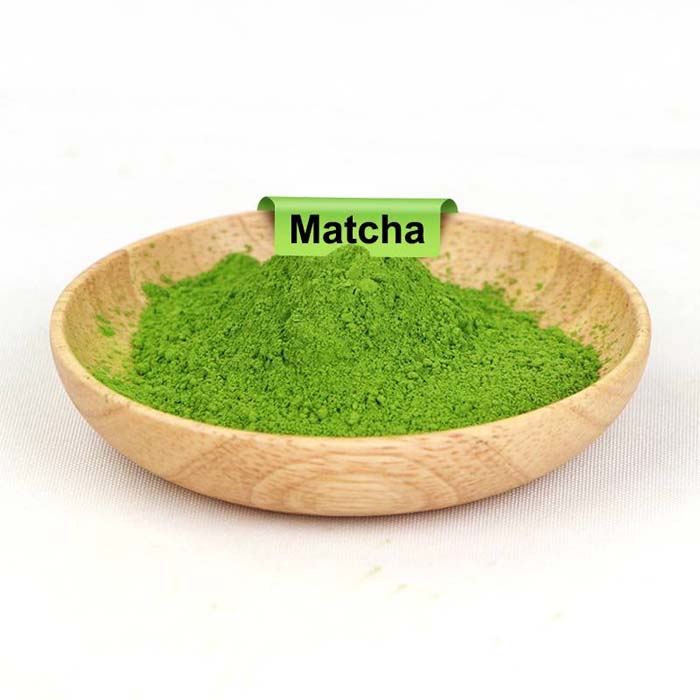


















Matcha's applications extend far beyond traditional tea ceremonies, offering B2B clients in food service, manufacturing, and hospitality unique opportunities for product differentiation. With its vibrant color, umami flavor profile, and antioxidant properties, matcha provides both functional and aesthetic benefits across three key application areas: savory dishes, cocktails, and baked goods.
Savory Dishes & Entrees: Culinary Applications
Key Benefits for Savory Applications:
Commercial Formulations for Food Service:
Matcha Pasta Dough
For fresh pasta production: Add 2-3% culinary matcha (by flour weight) to semolina or 00 flour. Provides vibrant color, subtle umami flavor, and antioxidant benefits.
Shelf Life: Fresh: 3 days, Dry: 6 months
Matcha Grade: Culinary (15-20mg EGCG/g)
Matcha Rubs & Marinades
Dry rub formula: 10% matcha, 30% salt, 20% sugar, 40% herbs/spices. Wet marinade: 2% matcha in oil-acid base. Enhances protein dishes with antioxidant crust.
Color Retention: Excellent with proper searing
Matcha Grade: Culinary or premium culinary
Matcha Sauces & Dressings
Emulsified sauces: 1-2% matcha in oil-water emulsion. Vinaigrettes: 0.5-1% matcha. Adds color complexity and antioxidant stability to finished dishes.
Heat Stability: Add post-cooking for best results
Shelf Life: 2-4 weeks refrigerated
Technical Specifications for Savory Applications:
| Application | Matcha Grade | Usage % | Key Benefits | Commercial Examples |
|---|---|---|---|---|
| Pasta & Noodles | Culinary | 2-3% (flour weight) | Color, antioxidant retention, premium positioning | Fresh pasta, ramen, soba noodles |
| Marinades & Rubs | Culinary | 5-10% (dry weight) | Umami enhancement, natural preservative | Chicken, fish, tofu marinades |
| Sauces & Gravies | Premium Culinary | 0.5-2% (total weight) | Color stability, flavor complexity | Pesto, cream sauces, reductions |
| Batters & Coatings | Culinary | 3-5% (dry mix) | Visual appeal, antioxidant crust | Tempura, fried chicken, vegetable fritters |
| Stocks & Broths | Premium Culinary | 0.2-0.5% (liquid volume) | Umami depth, nutrient enhancement | Ramen broth, consommé, soup bases |
Industry Insight: Savory matcha applications command 15-25% price premiums in restaurant settings while reducing reliance on artificial colors and flavor enhancers. The umami component (L-theanine and glutamic acid) enhances savory flavors naturally, allowing for reduced sodium formulations without compromising taste.
Cocktails & Beverages: Mixology Applications
Key Benefits for Beverage Applications:
Commercial Beverage Formulations:
Matcha Simple Syrup
1:1 sugar:water heated to dissolve, add 5% matcha powder off heat, steep 30 minutes, strain. Shelf-stable for 2 months refrigerated. Base for multiple cocktails.
Cost: $0.15-0.25 per cocktail addition
Matcha Grade: Premium culinary
Matcha-Infused Spirits
Add 2% matcha to vodka, gin, or white rum, steep 24-48 hours, fine strain. Creates vibrant green spirits for premium cocktail programs with extended shelf life.
Applications: Martinis, sours, highballs
Matcha Grade: Ceremonial or premium
Ready-to-Drink Matcha Cocktails
Bottled/canned formulations: 0.5-1% matcha, balanced with citrus, sweetener, and 8-12% ABV. Requires proper emulsification and pasteurization for stability.
Packaging: Amber glass or lined cans
Matcha Grade: Food-grade culinary
Successful Commercial Implementations:
Luxury Hotel Chain
Implemented matcha cocktail menu across 12 properties. Trained 60+ bartenders in matcha preparation. Developed signature "Zen Garden" cocktail with matcha, gin, cucumber, elderflower.
Craft Brewery
Developed limited-edition matcha IPA with 0.3% matcha added during secondary fermentation. Created subtle green hue and unique flavor profile complementing hops.
RTD Beverage Company
Launched line of matcha sparkling cocktails in 250ml cans. Used micro-milling technology for perfect suspension. Marketed as "functional relaxation" beverages.
Mixology Innovation: Matcha cocktails achieve 3.5x price premiums over standard cocktails while reducing alcohol-related negative effects through L-theanine's calming properties. The visual appeal drives social media exposure, with matcha cocktails receiving 4x more Instagram shares than traditional cocktails.
Baked Goods & Desserts: Manufacturing Applications
Key Benefits for Bakery Applications:
Commercial Baking Formulations:
Matcha Bread Dough
Add 2-3% matcha (flour weight) to bread flour. Enhances color, adds subtle flavor, and increases antioxidant content. Suitable for artisan breads, rolls, and buns.
Color Retention: 85-90% after baking
Matcha Grade: Culinary (heat-stable)
Matcha Pastry Cream & Fillings
Add 1-2% matcha to cooled pastry cream base. Provides vibrant color and antioxidant benefits for éclairs, tarts, donuts, and layered desserts.
Color Stability: Excellent when protected from light
Matcha Grade: Premium culinary
Matcha Cookie & Biscuit Dough
Replace 3-5% flour with matcha in shortbread, biscotti, and cookie formulations. Creates visually distinctive products with antioxidant benefits.
Shelf Life: 3-6 months (low moisture)
Matcha Grade: Standard culinary
Technical Specifications for Baking Applications:
| Product Category | Matcha Usage % | Heat Stability | Color Retention | Commercial Examples |
|---|---|---|---|---|
| Bread & Rolls | 2-3% (flour weight) | Excellent (up to 220°C) | 85-90% post-baking | Artisan breads, burger buns, bagels |
| Cookies & Biscuits | 3-5% (flour weight) | Very Good (up to 180°C) | 90-95% post-baking | Shortbread, macarons, biscotti |
| Cakes & Muffins | 1-2% (flour weight) | Good (up to 175°C) | 80-85% post-baking | Pound cakes, cupcakes, muffins |
| Pastry Creams | 1-2% (total weight) | Add after cooking | 95-98% (refrigerated) | Éclairs, tarts, donut fillings |
| Icings & Glazes | 0.5-1.5% (total weight) | No heat applied | 98-100% (protected from light) | Buttercream, glazes, drizzles |
Market Trends & Consumer Insights:
Retail Expansion
Matcha bakery products showing 62% growth in supermarket placements (2019-2023). Premium positioning allows 20-35% higher retail pricing.
Health-Conscious Consumers
68% of consumers perceive matcha baked goods as healthier alternatives. Antioxidant claims resonate particularly with Millennial and Gen Z shoppers.
Clean-Label Movement
Matcha replaces artificial colors (FD&C Green) and synthetic antioxidants (BHA/BHT) while providing natural green color and preservation benefits.
Supply Chain & Sourcing Considerations for B2B Clients
Key Sourcing Factors:
- Grade Selection: Ceremonial for beverages, premium culinary for visible applications, standard culinary for baked goods and cooked applications
- Certifications: USDA Organic, JAS (Japanese Agricultural Standard), ISO 22000 for food safety, Non-GMO Project Verified
- Packaging: Nitrogen-flushed foil bags (50g-1kg) for freshness, bulk packaging (5-25kg) for manufacturing clients
- Minimum Order Quantities: Typically 10-25kg for culinary grades, 1-5kg for ceremonial grades
- Shelf Life: 12-24 months unopened (refrigerated), 6-12 months after opening (depending on storage)
Cost Structure for B2B Clients:
- Culinary Grade: $15-40/kg (volume discounts at 25kg+)
- Premium Culinary: $40-80/kg (food service and visible applications)
- Ceremonial Grade: $80-200/kg (beverage and premium applications)
- Private Label: Additional 15-25% for custom packaging and blending
- Technical Support: Often included with minimum orders or available as paid service
Frequently Asked Questions for B2B Matcha Applications
Minimum order quantities (MOQs) vary by supplier and grade: 1) Ceremonial grade: Typically 1-5kg MOQ, with price breaks at 5kg, 10kg, and 25kg, 2) Premium culinary: 5-10kg MOQ, with best pricing at 25kg+, 3) Standard culinary: 10-25kg MOQ for food manufacturing applications, 4) Private label/blends: 25-50kg MOQ depending on customization requirements. Many suppliers offer sample programs (100-500g) for product development before committing to larger orders. Volume discounts typically start at 25kg, with additional savings at 100kg and 500kg levels.
While matcha has higher upfront costs, it offers significant value: 1) Dual functionality: Matcha provides both color and antioxidant benefits, replacing two separate ingredients, 2) Consumer appeal: Clean-label positioning commands 20-35% price premiums, 3) Usage rates: Matcha is effective at 0.5-3% inclusion rates vs. synthetic colors at 0.01-0.1%, 4) Calculated cost: At $40/kg culinary matcha used at 2% in a product, ingredient cost is $0.80/kg finished product. With 20% price premium, the ROI is positive. Additionally, matcha eliminates "artificial colors" from ingredient statements, increasingly important for retail placement and consumer acceptance.
Reputable B2B suppliers typically offer: 1) Application labs: Facilities for product development and testing, 2) Technical data sheets: Complete specifications including particle size, color measurements, antioxidant content (ORAC/EGCG), 3) Formulation assistance: Recommended usage rates, processing parameters, compatibility testing, 4) Shelf-life studies: Color and antioxidant stability data under various conditions, 5) Regulatory support: Assistance with ingredient statements, allergen declarations, nutritional analysis, 6) Training programs: For culinary teams, production staff, or sales teams, 7) Co-branding opportunities: Marketing materials highlighting matcha's benefits in finished products. Many suppliers include basic technical support with minimum orders, with more extensive services available as paid consultations.
Matcha's color stability depends on processing conditions: 1) Heat: Stable up to 180°C (356°F) with 80-90% color retention, begins fading above 200°C (392°F), 2) pH: Most stable in slightly acidic to neutral conditions (pH 4-7), may brown in highly alkaline environments, 3) Light: Susceptible to fading with prolonged UV exposure - package in opaque containers, 4) Oxygen: Oxidizes slowly when exposed - use nitrogen flushing in packaging, 5) Water activity: Color stable in both low-moisture (baked goods) and high-moisture (beverages) applications. For best results: add toward end of heating processes, use acidulants to maintain optimal pH, employ oxygen-barrier packaging, and store away from direct light.
Key certifications for B2B matcha sourcing: 1) JAS Organic: Japanese Agricultural Standard for organic tea from Japan, 2) USDA Organic: Required for organic claims in US markets, 3) EU Organic: For European market access, 4) ISO 22000/FSSC 22000: Food safety management systems, 5) HACCP: Hazard analysis critical control points certification, 6) Non-GMO Project Verified: Important for clean-label positioning, 7) Kosher/Halal: For religious dietary compliance, 8) Radiation testing certificates: Post-Fukushima testing for Japanese products, 9) Heavy metal testing: Lead, cadmium, arsenic levels below regulatory limits. Reputable suppliers should provide current certificates of analysis and verification documents for all claims.
Conclusion: Strategic B2B Opportunities with Matcha
The B2B applications for matcha extend across savory, beverage, and bakery sectors, offering innovative product development opportunities with measurable commercial advantages. From 15-25% price premiums in food service to 3.5x cocktail pricing and 62% market growth in baked goods, matcha delivers both functional benefits and economic value.
For B2B clients, success requires strategic grade selection, proper formulation techniques, and understanding of matcha's unique properties in different applications. The transition from traditional tea to versatile culinary ingredient positions matcha as a multifunctional solution—replacing artificial colors, enhancing flavors, adding antioxidant benefits, and supporting clean-label claims simultaneously.
As consumer demand for natural, functional ingredients continues to grow, matcha offers B2B clients a premium differentiator with proven market appeal. Whether developing new product lines, enhancing existing offerings, or creating signature menu items, matcha's versatility across applications provides a competitive edge in increasingly crowded marketplaces.
The future of matcha in B2B applications lies in continued innovation—exploring new formats, optimizing processing techniques, and developing proprietary blends that meet specific commercial needs while delivering the authentic quality and benefits that define premium matcha products.


