


















The Growing Threat of Counterfeit Matcha
The global matcha market has experienced unprecedented growth, reaching an estimated $2.8 billion in 2023. Unfortunately, this expansion has attracted unscrupulous manufacturers who produce counterfeit products that not only deceive consumers but pose serious health risks. These fake matcha products often contain harmful additives, heavy metals, and mislabelled ingredients that can cause long-term health issues.
Health Alert: Studies have found that up to 40% of matcha products sold online contain undisclosed fillers such as rice flour, corn starch, or cheaper tea powders mixed with potentially dangerous levels of heavy metals like lead and chromium.
of matcha products tested contained undisclosed fillers
exceeded safe heavy metal limits
higher price for authentic matcha
Identifying Counterfeit Matcha Products
Visual Inspection Indicators
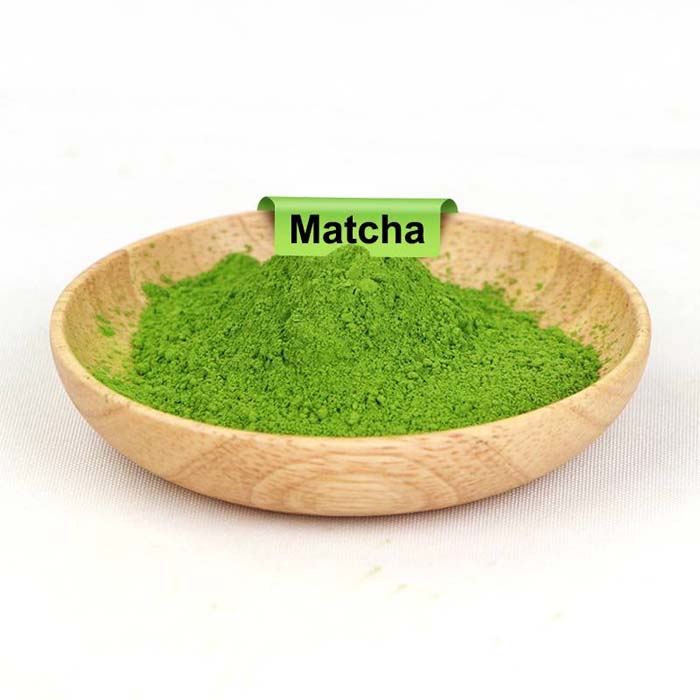
Genuine matcha has a distinctive vibrant green color that results from the careful cultivation and processing of shade-grown tea leaves. Counterfeit products often exhibit duller colors, yellowish tinges, or inconsistent coloration. Authentic matcha powder should have a fine, silky texture without visible graininess or clumping.
The color intensity of real matcha is due to the high chlorophyll content developed during the shading process. Fake products may appear brownish, yellowish, or have an unnatural green hue that lacks the depth of authentic matcha. When preparing matcha, genuine products should create a smooth, frothy consistency rather than a gritty or separated mixture.
Label Verification Techniques
Careful examination of product labels can reveal telltale signs of counterfeiting. Legitimate matcha producers provide detailed information about the origin, harvest date, and processing methods. Look for specific details such as the region of production (Uji, Nishio, etc.), the cultivar used, and the processing date.
Authentic matcha labels include certifications such as organic certification, JAS (Japanese Agricultural Standard), or other recognized quality standards. Be wary of generic terms like "premium green tea powder" instead of the specific term "matcha." Additionally, check for proper Japanese terminology on authentic products from Japan, which often include katakana characters for matcha (抹茶).
Pro Tip: Authentic matcha from Japan will typically include the producer's name, location, and a lot number for traceability. Reputable manufacturers take pride in their heritage and provide detailed provenance information.
Heavy Metal Contamination Risks
Common Heavy Metals Found in Counterfeit Matcha
Counterfeit matcha products frequently contain dangerous levels of heavy metals including lead, cadmium, arsenic, and chromium. These contaminants often result from using low-quality ingredients sourced from polluted areas or from the addition of artificial coloring agents and fillers. Long-term consumption of these metals can lead to serious health complications including neurological disorders, kidney damage, and increased cancer risk.
| Heavy Metal | Safe Limit (ppm) | Health Effects | Common Sources |
|---|---|---|---|
| Lead | 0.1-0.2 | Neurological damage, developmental issues | Contaminated soil, industrial pollution |
| Cadmium | 0.3 | Kidney damage, bone density loss | Industrial waste, contaminated fertilizers |
| Arsenic | 0.1 | Cancer risk, cardiovascular issues | Natural deposits, pesticides |
| Chromium | 0.5 | Liver damage, skin irritation | Industrial contamination, dyes |
Testing and Detection Methods
Advanced testing methods such as atomic absorption spectroscopy (AAS), inductively coupled plasma mass spectrometry (ICP-MS), and X-ray fluorescence (XRF) can detect heavy metal concentrations in matcha products. Third-party laboratories offer comprehensive testing services that analyze for multiple contaminants simultaneously.
Consumers and retailers can also perform basic authenticity tests using simple chemical indicators. For example, authentic matcha dissolves completely in water without leaving residue, while products containing fillers may leave sediment. The pH level of authentic matcha typically ranges from 8.5 to 9.5, whereas counterfeit products may show different readings due to added ingredients.
Mislabelling and Ingredient Deception
Common Mislabelling Practices
Counterfeit matcha manufacturers engage in various deceptive practices to increase profits. Common tactics include misrepresenting the grade of matcha (marketing culinary grade as ceremonial grade), falsifying origin claims, and omitting ingredient disclosures. Some products contain undisclosed sweeteners, flavor enhancers, or artificial colorings that are not listed on the label.
Another concerning practice involves mixing matcha with other powdered teas or plant materials to increase volume. These mixtures are then sold at premium prices despite being significantly diluted. The lack of transparency in ingredient lists makes it difficult for consumers to make informed choices about the products they purchase.
Grade Misrepresentation Issues
Ceremonial grade matcha represents the highest quality, made from the youngest leaves and offering superior taste and nutritional benefits. Culinary grade matcha is suitable for cooking and baking but commands a lower price. Counterfeiters often relabel culinary grade or even lower-quality products as ceremonial grade, deceiving consumers about the actual quality they are purchasing.
The price point is often a key indicator of authenticity. Ceremonial grade matcha requires extensive labor-intensive processing and yields relatively small quantities, making it inherently expensive. Products priced significantly below market rates for ceremonial grade should raise suspicion about their authenticity.
Verification and Authentication Strategies
Step-by-Step Authentication Process
- Check the source: Purchase from reputable retailers, certified suppliers, or directly from known producers. Avoid extremely cheap options or sellers with no established reputation.
- Examine the packaging: Look for detailed labeling, proper certifications, and professional presentation. Authentic products typically have high-quality packaging with clear information.
- Assess the appearance: Genuine matcha should have a vibrant green color, fine texture, and consistent particle size. Avoid products that appear dull, yellowed, or have visible impurities.
- Smell test: Authentic matcha has a fresh, grassy aroma without any off-odors or artificial scents that might indicate additives.
- Prepare and taste: Properly prepared matcha should have a smooth, slightly sweet, and umami-rich flavor without grittiness or off-tastes that might indicate fillers.
- Verify certifications: Check for valid organic, quality, or origin certifications by contacting the certifying bodies directly if necessary.
Third-Party Testing Services
Professional laboratory testing provides definitive verification of matcha authenticity and safety. Independent testing laboratories offer comprehensive analysis packages that examine heavy metal content, pesticide residues, ingredient authenticity, and nutritional profiles. While this adds to the cost, it provides crucial protection for businesses and consumers.
Many reputable matcha suppliers provide certificates of analysis with their products, showing recent test results for contaminants and authenticity markers. These certificates should be recent (within 6-12 months) and issued by accredited laboratories. Request these certificates before making bulk purchases or establishing supplier relationships.
Protecting Your Business and Customers
Supplier Vetting Procedures
Establish rigorous supplier evaluation processes that include facility visits, quality system reviews, and ongoing testing protocols. Verify supplier credentials, certifications, and quality management systems. Request references from other customers and verify their experiences.
Implement regular audit procedures for existing suppliers to ensure continued compliance with quality standards. Maintain detailed records of all testing results, certifications, and quality control measures to demonstrate due diligence in case of any issues.
Customer Education Initiatives
Educate your customers about the importance of authentic matcha and how to identify quality products. Provide information about the differences between grades, proper preparation methods, and the risks associated with counterfeit products. This education builds trust and demonstrates your commitment to quality.
Create informational materials, workshops, or online resources that help customers understand what to look for in authentic matcha. Share the results of your quality testing to build confidence in your products and differentiate them from potentially problematic alternatives in the market.
Legal and Regulatory Compliance
Stay informed about food safety regulations and labelling requirements in your jurisdiction. Ensure that all matcha products meet local standards for food safety, ingredient disclosure, and health claims. Work with legal experts to understand liability issues related to food products and implement appropriate protections.
Maintain comprehensive insurance coverage for food-related liabilities and establish clear quality control protocols that exceed minimum regulatory requirements. Document all quality control measures and testing procedures to demonstrate compliance and due diligence.
Industry Collaboration and Standards
Participate in industry organizations and collaborative efforts to combat counterfeiting. Support initiatives for standardized testing, authentication methods, and quality certifications. Share information about suspicious products or suppliers with industry colleagues to collectively address the counterfeiting problem.
Support research and development of advanced authentication technologies such as DNA testing, isotope analysis, or blockchain-based traceability systems. These emerging technologies offer promising solutions for verifying product authenticity throughout the supply chain.
The fight against counterfeit matcha requires a multi-faceted approach combining consumer education, rigorous testing, supplier vetting, and industry collaboration. By implementing comprehensive quality control measures and staying informed about emerging threats, businesses can protect both their customers and their reputation in an increasingly challenging marketplace.
Remember that investing in quality verification and authentic sourcing may cost more initially, but it protects your brand's integrity and customer trust in the long term. The potential costs of dealing with health issues, recalls, or brand damage far outweigh the investment in proper quality control measures.


