
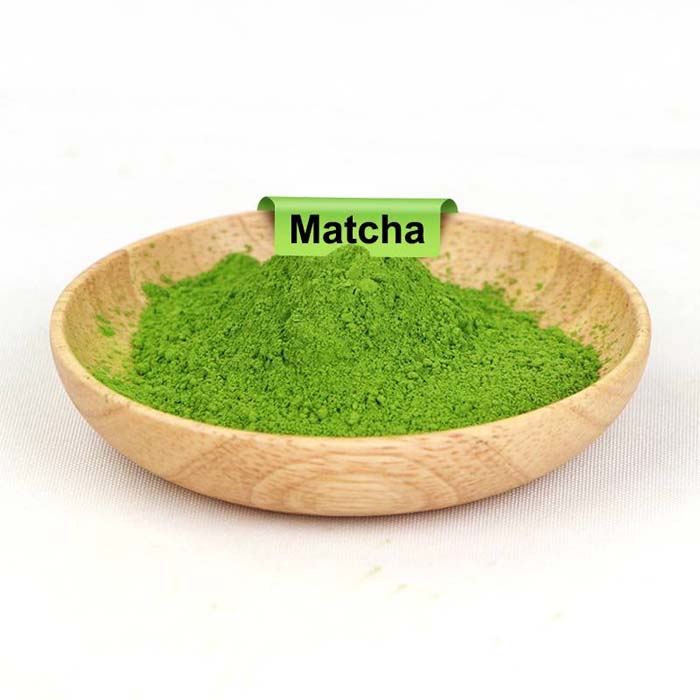



















Introduction: The Matcha Grade Confusion
When you walk into a store looking for matcha powder, you're likely confronted with two main categories: ceremonial grade and culinary grade. For years, many consumers have been purchasing the wrong type of matcha for their intended use, often buying expensive ceremonial-grade powder for lattes and smoothies, or worse, using low-quality culinary-grade powder for traditional tea preparation.
This misunderstanding stems from unclear labeling and marketing practices, as well as a general lack of education about the distinct purposes of each grade. Understanding the differences between these two types of matcha can save you money while significantly improving your beverage experience.
Understanding Ceremonial-Grade Matcha
Characteristics and Production
Ceremonial-grade matcha represents the highest quality of matcha available, made from the youngest, most tender tea leaves harvested early in the season. These leaves are grown in shaded conditions for several weeks before harvest, which increases chlorophyll content and creates the vibrant green color associated with premium matcha.
Processing Method
The production process for ceremonial-grade matcha is meticulous:
The resulting powder has a fine, silky texture and a complex flavor profile with subtle sweetness and minimal bitterness.
Understanding Culinary-Grade Matcha
Characteristics and Production
Culinary-grade matcha is made from older tea leaves that are harvested later in the season. These leaves are exposed to more sunlight, resulting in lower chlorophyll content and a less vibrant green color. The leaves used for culinary grade may also include stems and veins that would be removed in ceremonial grade production.
Processing Differences
The production process for culinary-grade matcha prioritizes efficiency and yield over the delicate handling required for ceremonial grade:
This results in a powder that is more bitter, less vibrant in color, but more economical for recipes where matcha is combined with other ingredients.
Detailed Comparison: Ceremonial vs. Culinary
| Aspect | Ceremonial Grade | Culinary Grade |
|---|---|---|
| Leaf Quality | Youngest, most tender leaves from first harvest | Older leaves, may include stems and veins |
| Shading Period | 20-30 days before harvest | Minimal or no shading |
| Color | Vibrant, bright green | Duller, yellowish-green |
| Flavor Profile | Smooth, sweet, complex with minimal bitterness | More bitter, grassy, astringent |
| Texture | Ultra-fine, silky powder | Coarser, less uniform texture |
| Best Use | Whisked alone with hot water | Recipes with milk, sugar, or other ingredients |
| Price Point | Premium ($30-60+ per 30g) | Affordable ($10-20 per 30g) |
| Storage Requirements | Refrigerate, use within 1-2 months | Cool, dry place; longer shelf life |
Why Using Ceremonial Grade in Lattes is Misguided
Wasting Premium Flavor
Using ceremonial-grade matcha in lattes is like adding champagne to a fruit punch - the subtle complexities and nuanced flavors are completely masked by milk, sweeteners, and other ingredients. The delicate sweetness and smooth finish that make ceremonial matcha special are overwhelmed by the stronger flavors in a latte.
Economic Inefficiency
Given that ceremonial-grade matcha costs 3-5 times more than culinary grade, using it in recipes where its premium qualities are not appreciated represents poor value. The additional cost does not translate to a better experience when the powder is combined with other ingredients.
Choosing the Right Matcha for Your Needs
When to Choose Ceremonial Grade
Select ceremonial-grade matcha when you plan to enjoy it on its own, prepared traditionally with just hot water. This includes:
- Traditional tea ceremonies or mindful tea moments
- Morning meditation or mindfulness practices
- Serving to guests who appreciate premium tea experiences
- When you want to fully experience matcha's complex flavor profile
When to Choose Culinary Grade
Culinary-grade matcha is ideal for any recipe where it will be combined with other ingredients:
- Matcha lattes and smoothies
- Baking applications (cakes, cookies, ice cream)
- Energy balls and protein bars
- Cocktails and mixed beverages
- Cooking applications (sauces, dressings)
Special Consideration: Premium Culinary Grade
Some manufacturers offer a "premium culinary" grade that falls between traditional ceremonial and basic culinary grades. This option works well for lattes when you want better flavor quality than standard culinary grade but don't need the full ceremonial experience.
Common Mistakes and How to Avoid Them
Mistake 1: Assuming All Green Powder is Equal
Not all matcha powders are created equal. Many consumers see a green powder and assume they're getting good quality, regardless of price or intended use. Always check the label for specific grade information and intended use.
Mistake 2: Buying Based on Price Alone
Extremely cheap matcha is often actually powdered green tea or contains fillers. Conversely, expensive matcha isn't always ceremonial grade - some brands market regular culinary grade at premium prices.
Mistake 3: Improper Storage
All grades of matcha should be stored properly to maintain freshness. Keep in an airtight container, away from light and heat. Culinary grade has a slightly longer shelf life than ceremonial grade, but both lose potency over time.
Frequently Asked Questions
While you can technically use ceremonial-grade matcha in lattes, it's not recommended from either a flavor or economic perspective. The subtle flavors of ceremonial matcha will be masked by milk and sweeteners, and you'll be paying a premium for qualities you won't fully appreciate. If you enjoy the taste of ceremonial matcha, consider preparing it traditionally to fully experience its nuances.
Look for clear labeling on the package that specifies the grade. Ceremonial-grade matcha will typically be labeled as such and priced accordingly (usually $30+ for 30g). The powder should be very fine, bright green, and have a sweet, complex aroma. Culinary-grade matcha is usually less expensive, may have a duller green color, and have a more grassy or bitter smell. If the packaging doesn't specify the grade, it's likely culinary grade.
Yes, many manufacturers offer what's called "premium culinary" or "café grade" matcha that falls between traditional ceremonial and basic culinary grades. This option provides better flavor quality than standard culinary grade while remaining affordable for regular use in lattes and recipes. It offers a good compromise for consumers who want decent matcha flavor in their daily beverages without the premium cost.
Ceremonial-grade matcha generally contains higher concentrations of antioxidants and nutrients due to the younger, more carefully processed leaves. However, both grades provide significant health benefits including EGCG antioxidants, L-theanine amino acids, and various vitamins and minerals. The difference in nutritional content is meaningful but doesn't eliminate the benefits of culinary-grade matcha - it simply means ceremonial grade offers more potent nutrition per gram.
For a standard 12-ounce matcha latte, use 1-2 teaspoons (approximately 2-4 grams) of culinary-grade matcha powder. Start with 1 teaspoon and adjust to taste. The amount can vary based on personal preference and the strength of the matcha. Too much can result in a bitter taste, especially with lower-grade powders. Always whisk the matcha with a small amount of hot water first to create a smooth paste before adding milk.


