


















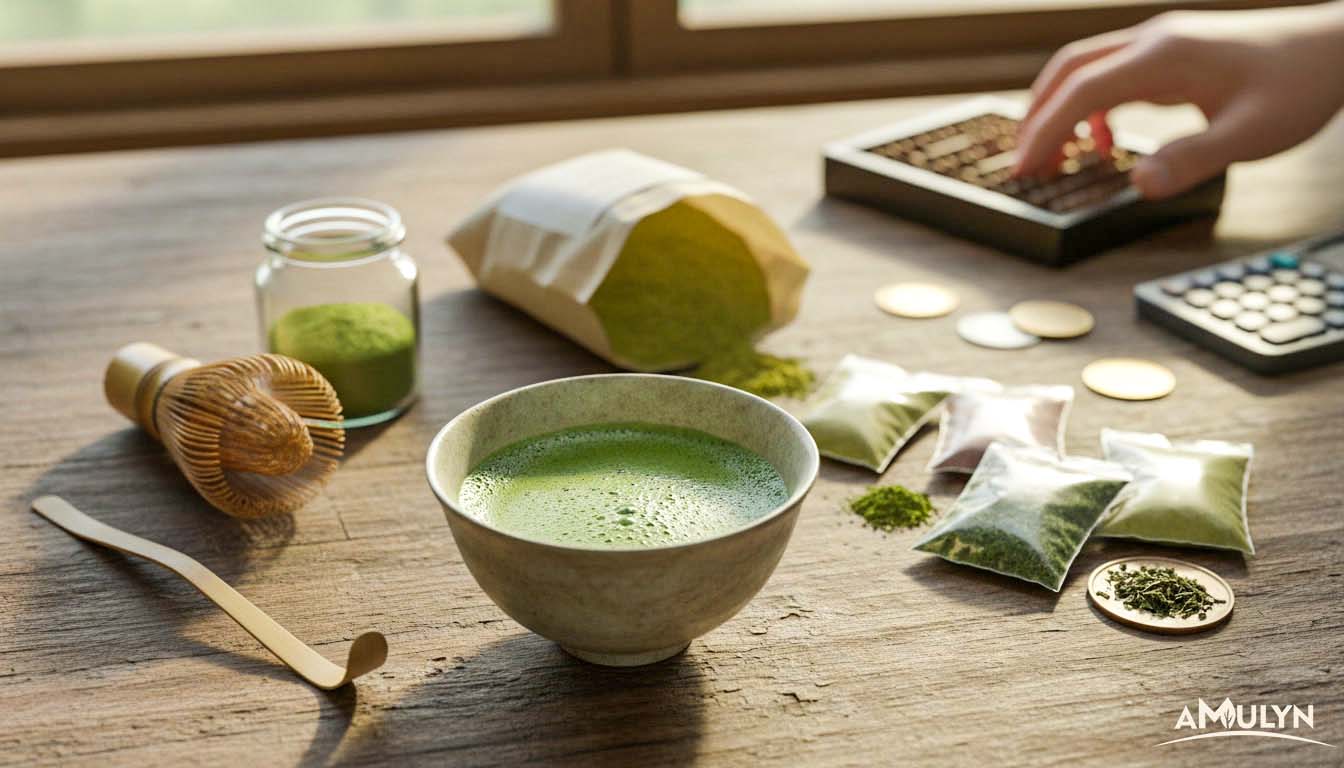
When sourcing matcha powder for your business, it's tempting to compare products based on price per gram. However, this simplistic approach overlooks critical factors that affect your bottom line, customer satisfaction, and brand reputation. The true cost of matcha for your cafe or restaurant encompasses far more than just the initial purchase price.
 Understanding Matcha Grades: Beyond the Price Tag
Ceremonial vs. Culinary Grade Matcha
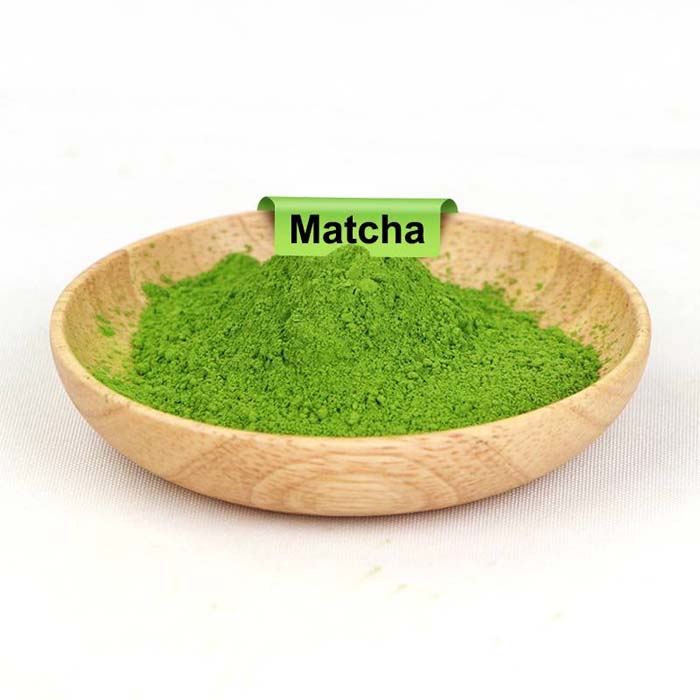
The most fundamental distinction in matcha quality is between ceremonial and culinary grades. Ceremonial grade matcha is made from the youngest tea leaves, stone-ground into a fine powder, and boasts a vibrant green color, smooth texture, and naturally sweet flavor. Culinary grade matcha, while still high-quality, comes from slightly more mature leaves and may have a more bitter profile suitable for recipes where other ingredients dominate.
Using premium ceremonial matcha in beverages allows you to charge premium prices, while culinary matcha for baking and cooking provides better value for mixed applications. Understanding this distinction is essential for optimizing matcha costs in food service.
The Hidden Costs of Cheap Matcha
Lower-priced matcha powder often comes with hidden costs that impact your business:
- Reduced yield: Lower quality matcha requires more powder to achieve the desired color and flavor, increasing your effective cost per serving of matcha.
- Customer dissatisfaction: Dull color, bitter taste, or grainy texture can turn customers away, affecting repeat business and your reputation for high-quality matcha drinks.
- Health benefits: Premium matcha contains higher levels of antioxidants, amino acids (like L-theanine), and vitamins. Health-conscious customers seek these benefits and will notice the difference.
- Inconsistent quality: Without proper sourcing and processing standards, cheap matcha can vary significantly between batches, affecting your product consistency.
Key Factors That Determine True Matcha Value
1. Origin and Terroir
Authentic Japanese matcha from regions like Uji, Nishio, or Shizuoka typically commands higher prices but offers superior quality. The soil, climate, and cultivation methods in these regions produce leaves with optimal flavor profiles and nutrient density.
2. Processing Methods
Traditional stone-grinding preserves matcha's cellular structure, resulting in a finer powder that blends smoothly. Lower-quality matcha may be ground using alternative methods that produce a coarser texture and compromise flavor.
3. Color and Freshness
Vibrant green color indicates high chlorophyll content and proper shading before harvest. Freshness is critical as matcha oxidizes quickly, losing both flavor and nutritional value. Proper packaging (airtight, light-resistant containers) adds to the cost but preserves quality.
4. Certifications and Testing
Organic certification, radiation testing, and heavy metal screening add to production costs but provide assurance of safety and quality—increasingly important for health-conscious consumers seeking organic ceremonial matcha for business.
Matcha Quality Comparison
| Feature | Premium Ceremonial Grade | Standard Culinary Grade | Low-Cost Commercial Grade |
|---|---|---|---|
| Leaf Source | First harvest, youngest leaves | Second harvest, mature leaves | Late harvest, stems included |
| Color | Vibrant jade green | Dull green | Yellowish or brownish green |
| Texture | Fine, silky powder | Slightly coarse | Grainy, clumpy |
| Flavor Profile | Sweet, umami, smooth | Balanced, slightly bitter | Bitter, astringent |
| Price per gram | $0.80 - $1.50 | $0.30 - $0.60 | $0.10 - $0.25 |
| Servings per 100g | 40-50 | 35-40 | 25-30 |
Calculating Your True Matcha Cost
To accurately assess matcha costs for your cafe or restaurant, consider this formula:
True Cost Per Serving = (Price per gram × Grams per serving) + Associated Costs
Associated costs include waste, preparation time, additional sweeteners needed to mask bitterness, and potential customer loss from inferior quality. A premium matcha that requires less powder, blends easily, and delights customers often provides better long-term value despite a higher price per gram.
When evaluating matcha for business, consider your application: ceremonial grade matcha for direct consumption in traditional tea or lattes, and culinary grade matcha for baking and mixed recipes. This strategic approach optimizes both quality and cost.
Frequently Asked Questions About Matcha Costs
Ceremonial grade matcha is made from the youngest tea leaves, shade-grown for several weeks before harvest, and stone-ground into a fine powder. It has a vibrant green color, smooth texture, and naturally sweet, umami flavor. Culinary grade matcha comes from slightly older leaves, may be ground using different methods, and has a more robust, sometimes bitter flavor suitable for recipes where other ingredients dominate. For businesses, using the appropriate grade for each application is key to managing matcha costs effectively.
For traditional matcha tea, use 2-3 grams (1-2 teaspoons) of ceremonial grade matcha. For matcha lattes and beverages, 2.5-4 grams is typical, depending on cup size and desired strength. Higher quality matcha often requires less powder to achieve the desired flavor and color, affecting your effective cost per serving of matcha. Always taste-test with your specific matcha and adjust portions based on customer preference.
Organic matcha can command a 20-40% price premium, but it appeals to growing segments of health-conscious consumers. If your brand emphasizes natural, clean ingredients or targets wellness-focused customers, organic certification adds value. Additionally, organic matcha is free from synthetic pesticides and fertilizers, which some customers prioritize. Consider your clientele and brand positioning when deciding if premium organic matcha for cafes aligns with your business strategy.
Matcha is sensitive to light, heat, air, and moisture. Store unopened packages in a cool, dark place. Once opened, keep matcha in an airtight, opaque container in the refrigerator to preserve its vibrant color and nutritional properties. Proper storage extends shelf life from 6 to 12 months, reducing waste and protecting your investment in high-quality matcha powder. Never store matcha near strong odors, as it can absorb them.
While possible, it's not cost-effective. Ceremonial grade matcha shines in beverages where its subtle flavors are appreciated, but its premium price makes it expensive for baking. Culinary grade matcha offers better value for cooking and baking, where its stronger flavor stands up to other ingredients. Many businesses optimize costs by using ceremonial grade for premium drinks and culinary grade for matcha-infused baked goods and desserts.
Final Thoughts: Investing in Quality Matcha
When evaluating matcha for your business, look beyond the price per gram. Consider the complete picture: color, texture, flavor, nutritional value, sourcing transparency, and preparation efficiency. Premium matcha may cost more upfront but often delivers better yield, higher customer satisfaction, and stronger brand differentiation.
By understanding the nuances of matcha grades, properly calculating your true matcha costs for restaurants and cafes, and strategically using different grades for different applications, you can optimize both quality and profitability. Your matcha selection sends a message about your brand's commitment to quality—choose wisely to ensure it's a message that resonates with today's discerning consumers.


